
Are Smart Buoys for Aquaculture Worth the Upgrade?
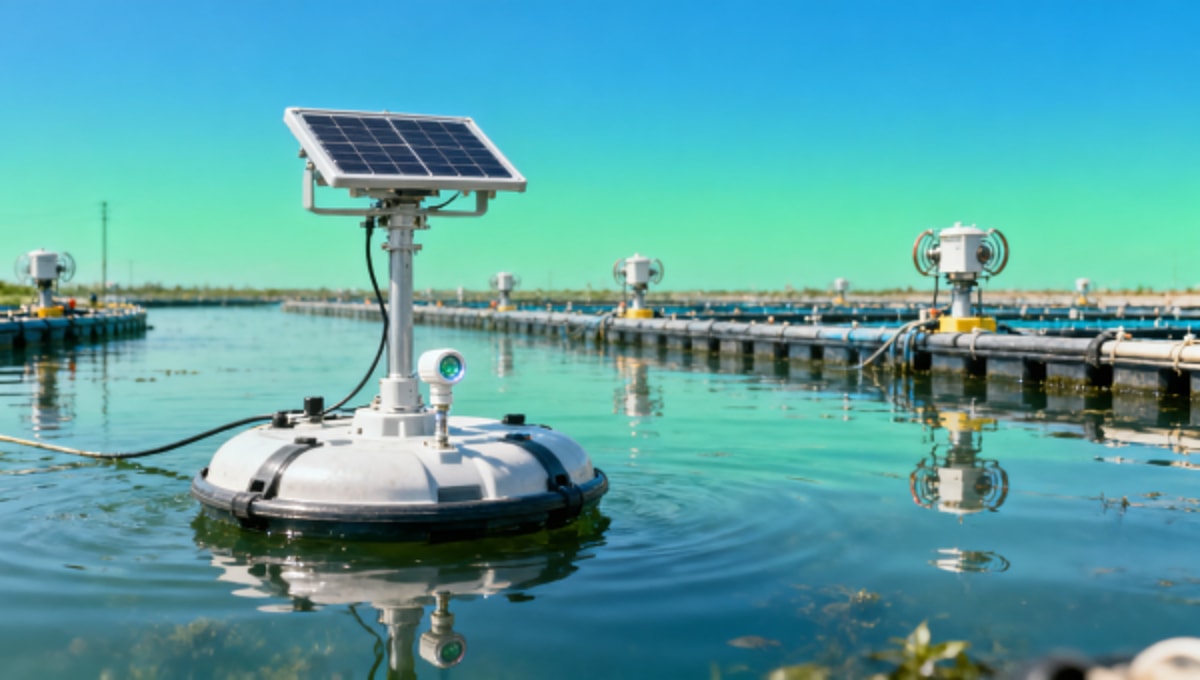
For aquaculture operators and buyers, the short answer is this: smart buoys for aquaculture are worth the upgrade when the farm’s profitability depends on tighter water-quality control, faster incident response, lower manual monitoring costs, and better survival or feed conversion outcomes. They are less compelling when operations are small, stable, lightly stocked, or not yet ready to act on the data they collect. In other words, the real question is not whether the buoy is “smart,” but whether your farm can turn continuous monitoring into measurable operational gains.
That distinction matters because most buyers are not evaluating a floating sensor in isolation. They are assessing whether smart buoys can strengthen a larger control system that may include a water quality online monitor aquaculture platform, aquatic oxygen generators, UV sterilizers for fish farms, and ozone generators for aquaculture. For technical teams, the issue is data reliability and integration. For finance and management, it is ROI, downtime reduction, stock protection, and compliance confidence. For operators, it is whether the system helps them catch problems before fish losses, stress events, or labor bottlenecks escalate.
What decision-makers really need to know before upgrading
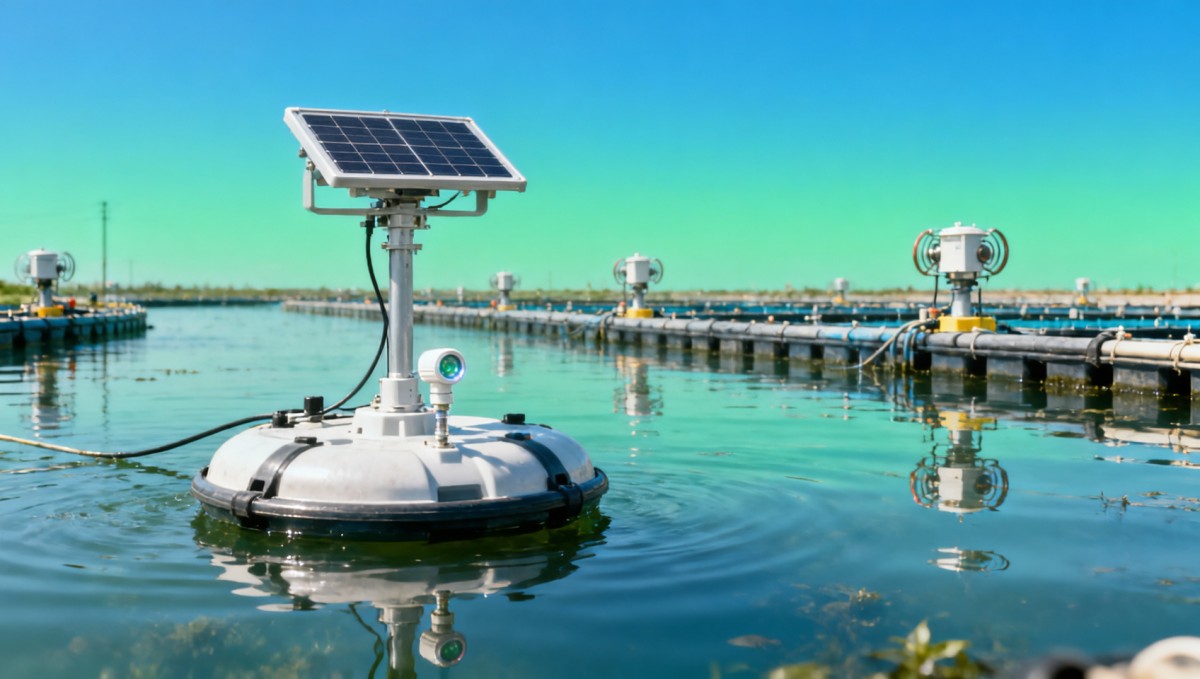
User search intent behind “Are Smart Buoys for Aquaculture Worth the Upgrade?” is primarily commercial-investigative. Readers are not looking for a generic definition of smart buoys. They want to know whether these systems justify their cost in real farm conditions, what problems they solve, how they compare with manual checks or fixed sensors, and which use cases produce the clearest return.
Across the audience groups listed, the most important questions are usually practical:
- Will smart buoys reduce mortality risk?
- Can they improve feed efficiency and growth consistency?
- How much labor can they realistically save?
- Do they integrate with aeration, oxygenation, sterilization, and alarm systems?
- Are the sensors accurate and stable enough for procurement approval?
- What are the maintenance burden, calibration needs, and failure points?
- How quickly can the investment pay back under different stocking densities and species?
That means the article should focus less on broad “IoT in aquaculture” language and more on decision criteria: operational fit, data utility, risk reduction, economics, and implementation requirements.
When smart buoys create real value on an aquaculture farm
Smart buoys deliver the most value in farms where water conditions change quickly, stock value is high, and delayed response is expensive. This commonly includes offshore cages, larger pond networks, intensive shrimp systems, high-density fish farming, and sites exposed to variable weather, runoff, tides, or seasonal oxygen swings.
In those environments, periodic manual sampling often misses the exact moment when conditions become dangerous. Dissolved oxygen can drop before dawn. Temperature layering can shift feeding behavior. pH and oxidation-reduction trends can indicate treatment inefficiency or biosecurity issues. Ammonia-related stress may build gradually while appearing manageable during spot checks. A smart buoy helps close that visibility gap by delivering continuous or near-real-time readings from the production zone.
The practical benefits usually fall into five categories:
- Earlier detection of risk events
Instead of discovering a problem during the next staff round, the team receives alerts when key parameters move outside limits. This is especially valuable for dissolved oxygen, temperature, salinity, pH, turbidity, and in some cases chlorophyll or ORP. - Better control of oxygenation and aeration
When linked to aquatic oxygen generators or aeration systems, buoy data allows oxygen delivery to respond to actual farm conditions rather than fixed schedules. That can protect stock while reducing energy waste. - Improved disease and water hygiene management
Smart buoys do not replace treatment systems, but they support decision-making around UV sterilizers for fish farms and ozone generators for aquaculture by showing whether water conditions are stable enough for these systems to operate effectively within target ranges. - Reduced manual monitoring burden
Staff can shift from repetitive data collection to active intervention, equipment checks, and husbandry improvements. For multi-site operations, remote visibility is often one of the strongest justifications. - Stronger documentation and traceability
Logged environmental data can support internal QA reviews, customer audits, insurance discussions, and compliance reporting where environmental control records matter.
What smart buoys do better than manual checks or basic fixed sensors
The strongest case for upgrading is not simply “more data.” It is more usable data from the right location at the right time. Manual testing gives snapshots. Fixed probes provide continuous monitoring but may only represent one point in the system. Smart buoys are valuable when water movement, stratification, or open-water exposure make conditions highly variable across depth and area.
Compared with traditional monitoring approaches, a well-designed smart buoy can offer:
- Location-specific measurements in cages, ponds, or exposed sections where risk is highest
- Wireless transmission for remote dashboards and mobile alerts
- Integrated weather and water data to improve operational decisions
- Scalable deployment across multiple production zones
- Decision automation when connected to pumps, oxygen systems, feeders, or alarms
However, buyers should be cautious about overestimating benefits. A smart buoy is not automatically superior if sensors drift badly, if communication is unreliable, or if farm personnel are not trained to respond quickly. In some low-complexity sites, a fixed water quality online monitor aquaculture system near critical inlets or production points may be more cost-effective than deploying multiple floating units.
How to tell if the upgrade will pay back financially
For financial approvers and business evaluators, the core issue is whether the upgrade protects revenue or reduces costs enough to justify capital expenditure and operating expense. The payback often becomes attractive when even one prevented loss event offsets a significant share of the system cost.
Typical ROI drivers include:
- Reduced mortality from faster response to low oxygen or sudden water-quality deterioration
- Improved feed conversion ratio through better timing of feeding around oxygen and temperature conditions
- Lower labor costs for routine measurements across multiple ponds or cages
- Energy savings by running aeration or oxygenation according to actual need
- Lower treatment waste when UV or ozone systems are operated more precisely
- Less production variability and fewer surprise events affecting harvest planning
A practical evaluation model should compare the upgrade cost against the annual value of avoidable losses and efficiency gains. Decision-makers should estimate:
- Current annual losses tied to water-quality incidents
- Manual monitoring labor hours and travel burden
- Energy spend on aeration and oxygenation
- Stock value per pond, cage, or production cycle
- Cost of one major mortality or stress event
- Expected maintenance, calibration, connectivity, and replacement costs
For intensive systems, the business case is often strong because the value at risk is high. For lower-density or highly stable operations, the payback may be slower unless compliance, remote management, or distributor value-added services also matter.
What technical teams should evaluate before approving a system
Technical assessors should not focus only on sensor lists. The more important question is whether the system performs reliably in the actual farm environment. Salt, fouling, wave motion, sediment, biofilm, temperature shifts, and communication interruptions can all reduce real-world value.
Key evaluation points include:
- Sensor quality and drift behavior
Ask how often each probe requires calibration, how drift is detected, and what compensation methods are built in. - Anti-fouling design
Biofouling is one of the most common reasons data becomes unreliable. Review wipers, coatings, maintenance intervals, and consumable costs. - Power autonomy
Battery life and solar charging must match site conditions, especially in cloudy, remote, or offshore deployments. - Connectivity resilience
Confirm whether the buoy uses cellular, LoRa, satellite, or hybrid communication, and what happens during outages. - Alarm logic and data usability
Good dashboards should provide threshold alerts, trend analysis, and role-based visibility rather than just raw numbers. - Integration capability
Check whether the system can connect with existing SCADA, oxygen generators, feeders, UV sterilizers for fish farms, or ozone generators for aquaculture. - Environmental ruggedness
Review anchoring, enclosure rating, corrosion resistance, and survivability in rough water.
For quality control and safety teams, documentation matters too. Calibration records, sensor traceability, service logs, and alarm history should be easy to retrieve and audit.
Where smart buoys are most and least worth the upgrade
Not every operation needs them. The best upgrade candidates are farms with high stock value, frequent water variability, labor-intensive monitoring routines, or a strong need for centralized oversight across dispersed assets.
Usually worth serious consideration:
- Offshore and nearshore cage aquaculture
- Intensive shrimp farming
- Large pond networks with limited staff coverage
- Sites with recurrent low-oxygen incidents
- Operations using automated oxygen, ozone, or sterilization systems
- Farms needing stronger environmental traceability
May be lower priority:
- Small farms with stable water and low stocking density
- Facilities where manual checks already provide sufficient control
- Sites lacking staff capacity to maintain and interpret the system
- Operations that have not yet addressed basic aeration, filtration, or biosecurity weaknesses
In other words, a smart buoy should not be the first digital purchase if the farm still struggles with basic process discipline. But once core systems are in place, it can become a high-leverage monitoring layer.
How smart buoys fit into a broader water management strategy
The strongest deployments treat the buoy as part of a control ecosystem, not as a standalone gadget. Continuous data becomes much more valuable when connected to action.
For example, a buoy can trigger alerts when dissolved oxygen drops below a threshold, prompting aquatic oxygen generators to start earlier or increase output. It can help verify whether water treatment is creating stable conditions before fish stress escalates. In some systems, it complements a water quality online monitor aquaculture network by covering mobile or open-water zones that fixed instruments do not represent well. It can also support safer, more targeted use of UV sterilizers for fish farms and ozone generators for aquaculture by helping teams understand how environmental conditions shift before and after treatment cycles.
This broader systems view is important for enterprise buyers. If the buoy only adds another dashboard, the value may be limited. If it improves operational timing, alarm accuracy, and equipment utilization, the upgrade becomes strategically useful.
Questions buyers should ask vendors before making a purchase
To avoid buying a monitoring product that looks impressive but underperforms in the field, ask vendors direct operational questions:
- Which parameters are measured natively, and which require optional modules?
- What is the expected calibration frequency under local fouling conditions?
- How is data accuracy maintained in high-biofilm or high-sediment environments?
- What communications options exist for remote or offshore farms?
- Can the system integrate with existing oxygenation, feeding, or farm management software?
- What is the total cost of ownership over three years, including sensors and service?
- What redundancy or fail-safe alerts are available during power or network loss?
- Can the vendor provide references from similar species, scale, and climate conditions?
These answers often reveal whether the product is designed for real aquaculture operations or mainly for demonstration environments.
Final verdict: are smart buoys for aquaculture worth the upgrade?
Yes, smart buoys for aquaculture are often worth the upgrade when they solve a specific operational problem: missed risk events, labor-heavy monitoring, inconsistent oxygen control, weak traceability, or poor visibility across distributed production areas. Their value rises sharply in intensive, high-risk, or geographically complex farms where faster decisions protect stock and stabilize output.
They are not automatically worth it for every farm, and they should not be purchased on the promise of “smart farming” alone. The best buying decision comes from evaluating the system as part of a full water-management and risk-control strategy that may also include a water quality online monitor aquaculture setup, aquatic oxygen generators, UV sterilizers for fish farms, and ozone generators for aquaculture.
For most serious commercial operations, the right question is no longer whether continuous monitoring has value. It is whether your current system gives you enough time and enough confidence to act before water quality becomes a production loss. If the answer is no, upgrading to smart buoys is likely a practical and financially defensible move.
Related Intelligence
- Aeration & Water TechAsia–Middle East Aeration & Water Tech Container Freight Up 18%Aeration & Water Tech container freight surges 18% on Asia–Middle East route—urgent implications for exporters, OEMs & forwarders. Act now.
- Aeration & Water TechFDA Updates Cybersecurity Guidance for Aeration & Water Tech DevicesFDA's new cybersecurity guidance for aeration & water tech devices mandates UL 2900-2-1 and SBOM compliance by Q1 2027 — act now to secure U.S. market access.
- Aeration & Water TechFDA Updates Cybersecurity Guidance for Aeration & Water Tech DevicesFDA’s new cybersecurity guidance for aeration & water tech devices mandates immediate compliance—secure firmware, audit logs & password controls required for U.S. market access.
The Morning Broadsheet
Daily chemical briefings, market shifts, and peer-reviewed summaries delivered to your terminal.
