
What Sets Reliable Wholesale Fishing Waders Apart
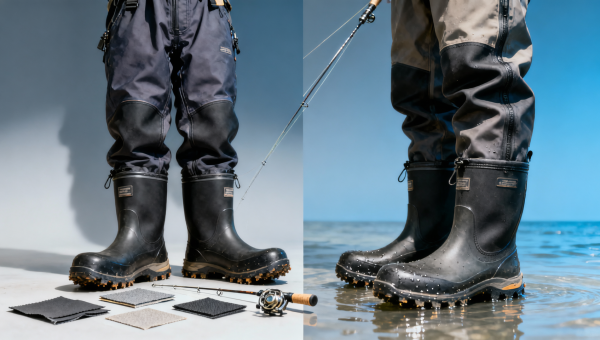
In a market where durability, safety, and sourcing transparency shape purchasing decisions, reliable wholesale fishing waders stand out through material performance, compliance, and field-tested design. For buyers comparing commercial neoprene chest waders and related aquaculture equipment, understanding these distinctions is essential to reducing operational risk and securing long-term value.
For most buyers, the difference between an average product and a reliable wholesale fishing wader supplier is not just price. It comes down to whether the waders hold up in real working conditions, meet safety and quality expectations, and arrive with consistent specifications across batches. If a product fails in cold water, leaks under repeated use, or lacks traceable manufacturing standards, the cost quickly exceeds the initial savings. That is why procurement teams, distributors, operators, and quality managers tend to evaluate wholesale fishing waders through a practical lens: performance, compliance, durability, consistency, and supplier credibility.
What buyers should look at first when evaluating wholesale fishing waders
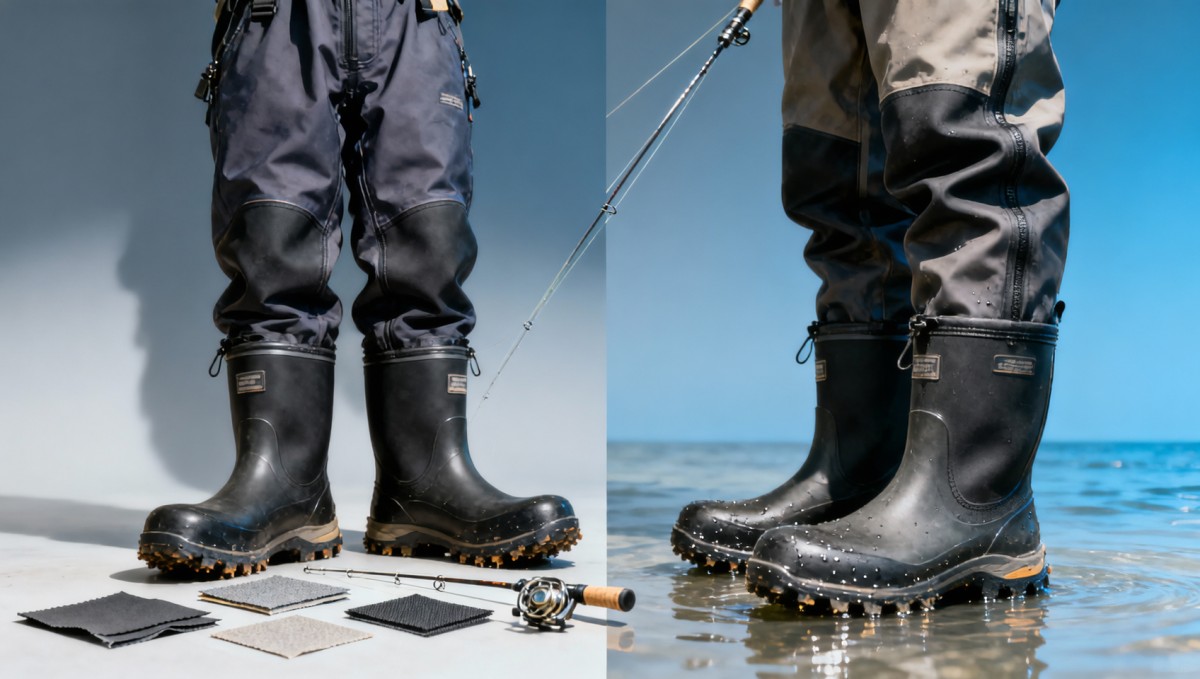
The first question serious buyers ask is simple: will these waders perform reliably in the intended environment? For aquaculture operators, fisheries teams, distributors, and industrial buyers, reliability is usually defined by five measurable factors.
- Material suitability: Is the wader made from neoprene, PVC, nylon-reinforced fabric, or another construction appropriate for water temperature, abrasion, and work duration?
- Seam integrity: Are seams stitched, glued, taped, vulcanized, or otherwise reinforced to reduce leakage risk?
- Boot and sole performance: Do the integrated boots provide traction, puncture resistance, and support on wet, muddy, or uneven surfaces?
- Batch consistency: Can the supplier deliver the same sizing, thickness, sealing quality, and finish over repeated orders?
- Compliance and traceability: Are there documented quality control processes, material declarations, and export-ready certifications where required?
These factors matter more than generic marketing claims. A wholesale fishing wader may look robust in product photos, but if the seam construction is weak or the boot sole is poorly bonded, field failure becomes likely. Buyers who begin with use-case requirements rather than catalog appearance make better long-term sourcing decisions.
Why material construction often determines long-term value
One of the biggest differences between reliable and unreliable fishing waders is the material system. Commercial users often compare neoprene chest waders with lighter PVC or fabric-based options, but the right choice depends on operational conditions.
Neoprene chest waders are valued for insulation, flexibility, and comfort in colder environments. They are widely preferred in fisheries, hatcheries, and outdoor commercial operations where workers stand in cold water for long periods. A good neoprene construction can improve operator comfort and reduce fatigue, but thickness must be matched to the climate and mobility needs. If the neoprene is too thick, movement becomes restricted; if too thin, thermal protection drops.
PVC waders are often selected for easier cleaning, lower cost, and resistance to certain wet-processing environments. They can be practical for less demanding applications or controlled work areas, but lower-grade PVC products may crack, stiffen, or fail under repeated stress.
Reinforced fabric or multi-layer designs can offer a balance of mobility and durability, especially where operators need more flexibility. However, performance depends heavily on coating quality, seam sealing, and abrasion resistance.
For wholesale buyers, the key point is that material choice should be linked to real field conditions, not assumptions. Reliable suppliers should be able to explain why a specific material, thickness, lining, and reinforcement pattern fits a defined application.
How seam quality and waterproof performance separate dependable products from risky ones
In commercial use, leaks are one of the most common failure points. This is why seam construction deserves more attention than many buyers initially give it. A wader is only as reliable as its sealing system.
Dependable wholesale fishing waders typically show stronger quality in the following areas:
- Uniform seam bonding or stitching without visible gaps
- Reinforced stress points around knees, crotch, and boot junctions
- Consistent waterproof treatment across production batches
- Leak testing before shipment
- Lower defect rates documented through QC records
For technical evaluators and quality control teams, it is worth requesting information on pressure testing, water leak inspection, and seam failure rates. Even basic supplier transparency on these points is a positive signal. Suppliers unwilling to provide process details or inspection standards may present hidden risk.
Why fit, safety, and operator usability matter in commercial environments
Reliable fishing waders do more than keep water out. They must also support safe, efficient movement during work. This is especially important in aquaculture, fishery maintenance, pond management, and wet processing environments where slips, trips, and restricted mobility can create operational hazards.
Buyers should assess:
- Sizing range: Does the supplier offer sizes that match the workforce in the destination market?
- Suspender and upper-body design: Is the chest area secure and comfortable during long wear periods?
- Sole grip: Are soles designed for muddy banks, wet decks, or slick industrial surfaces?
- Toe and heel durability: Can the boot structure withstand repeated pressure and rough terrain?
- Mobility: Do users have enough flexibility for climbing, bending, lifting, and prolonged standing?
End users and site supervisors usually notice these details immediately, even if procurement teams do not. Poor fit leads to discomfort, reduced productivity, and higher replacement frequency. In wholesale purchasing, the most cost-effective option is often the model that operators are actually willing and able to use consistently.
What sourcing transparency and manufacturing credibility tell you about supplier reliability
For business evaluators, distributors, and enterprise decision-makers, supplier reliability extends beyond the product itself. The real question is whether the manufacturer can support repeat orders, stable quality, and clear documentation.
Strong wholesale fishing wader suppliers usually provide evidence in areas such as:
- Manufacturing capability and production capacity
- Quality management procedures and inspection checkpoints
- Material sourcing consistency
- OEM or private-label support with controlled specifications
- Export experience and packaging standards
- Response speed for defect handling or specification clarification
For institutional buyers and distributors, sourcing transparency also helps reduce downstream disputes. If a supplier can document materials, dimensions, testing, and production controls, it becomes easier to compare quotes fairly and maintain quality expectations across multiple shipments.
This is especially important when procurement is tied to commercial resale, large site deployment, or tender-based purchasing. A cheaper source without process transparency may create future costs through returns, claims, or inconsistent customer satisfaction.
How to compare wholesale offers without focusing too heavily on unit price
Price matters, but experienced buyers know that unit cost alone can be misleading. A lower upfront quote may hide weaker materials, thinner construction, inconsistent sizing, or inadequate inspection. To judge true value, buyers should compare total procurement risk.
A practical comparison framework includes:
- Expected service life: How long will the waders last under actual usage conditions?
- Defect rate: What percentage may fail before or shortly after deployment?
- Replacement frequency: Will low-cost products require more frequent repurchasing?
- Worker safety impact: Could poor traction or leakage increase safety incidents?
- After-sales support: Is the supplier responsive if problems occur?
- Documentation quality: Can the product pass internal review, distributor evaluation, or customer scrutiny?
For finance approvers and senior decision-makers, reliable wholesale fishing waders usually justify their cost by reducing failure-related expense. Fewer replacements, lower complaint rates, better field acceptance, and more stable supply often produce stronger value than the lowest quotation on the table.
Questions buyers should ask before placing a wholesale fishing wader order
To make evaluations more practical, buyers should ask suppliers direct questions that reveal real capability rather than sales language. Useful questions include:
- What material composition and thickness are used in this model?
- How are seams sealed and tested for waterproof performance?
- Which parts of the wader are reinforced for high-stress use?
- What slip-resistance or outsole options are available?
- Can you provide sample units for field evaluation?
- How do you control quality consistency between production batches?
- What is your standard inspection process before shipment?
- Can you support private labeling, custom sizing, or specification adjustments?
- What is the lead time for repeat orders?
- How are defects handled if a shipment does not match agreed standards?
The quality of the answers often tells as much as the answers themselves. Reliable suppliers tend to respond with specifics, documentation, and realistic limitations instead of vague assurances.
Conclusion: reliable wholesale fishing waders are defined by performance, consistency, and sourcing confidence
What sets reliable wholesale fishing waders apart is not one feature but a combination of proven material performance, durable seam construction, operator-safe design, consistent manufacturing, and transparent supplier practices. For buyers in aquaculture, fisheries, commercial distribution, and industrial procurement, these factors directly influence cost control, worker usability, and supply chain confidence.
In practical terms, the best buying decision is rarely the cheapest product on paper. It is the one that matches field conditions, passes technical review, reduces quality risk, and supports repeat procurement with confidence. When wholesale fishing waders are assessed through that lens, reliable options become much easier to identify.
Related Intelligence
- Commercial FishingWhy Some Wholesale Fishing Waders Wear Out Too FastWholesale fishing waders wear out fast when material grade, seam design, and QC fall short. Learn how commercial neoprene chest waders and smart aquaculture buying reduce hidden replacement costs.
- Commercial FishingLeak Points to Check in Commercial Neoprene Chest WadersCommercial neoprene chest waders: learn the key leak points to inspect in wholesale fishing waders, with practical tips for safer bulk buying, longer wear life, and lower return risk.
- Commercial FishingWhat Sets Reliable Wholesale Fishing Waders ApartWholesale fishing waders and commercial neoprene chest waders compared by durability, waterproof seams, safety, and supplier transparency—plus aquaculture equipment sourcing insights.
The Morning Broadsheet
Daily chemical briefings, market shifts, and peer-reviewed summaries delivered to your terminal.
