
The Hidden Cost of Cheap Wholesale Fishing Waders
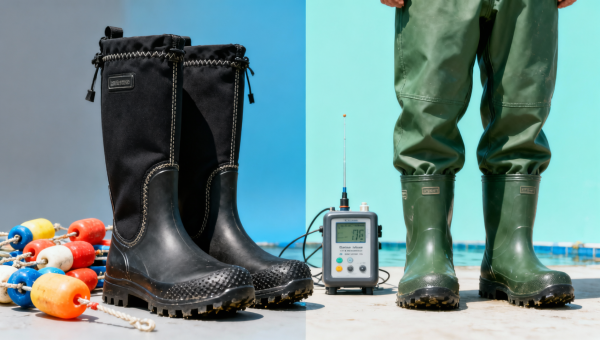
Cheap wholesale fishing waders can reduce the purchase price on paper, but for commercial buyers, distributors, and field operators, the lowest unit cost often creates the highest total cost. The hidden expense usually appears later: seam failure, water ingress, poor thermal retention, inconsistent sizing, compliance gaps, worker safety incidents, more frequent replacement cycles, and avoidable downtime. For organizations sourcing commercial neoprene chest waders alongside aquaculture hardware such as smart buoys, water quality online monitor aquaculture systems, and live seafood holding tanks, the better question is not “What is the cheapest option?” but “Which product delivers the lowest lifetime operating cost with the least operational risk?”
Why cheap wholesale fishing waders often become expensive in real operations
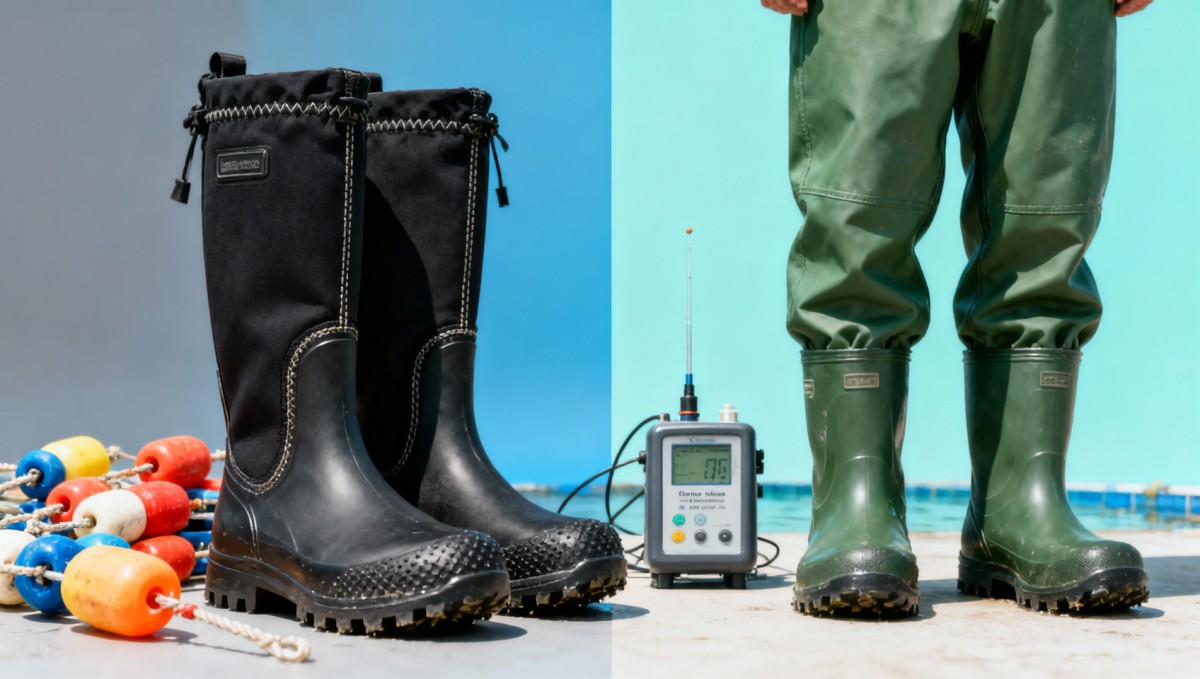
The core search intent behind this topic is practical evaluation: buyers want to know whether low-priced wholesale fishing waders are truly economical, what risks are hidden behind the quote, and how to compare suppliers beyond unit price. This is especially relevant for aquaculture operators, fishery crews, procurement teams, and distributors who buy in volume and need predictable field performance.
In actual use, fishing waders fail in ways that are rarely visible in a catalog. A low-cost pair may look acceptable at delivery, yet poor seam welding, thin neoprene, low-grade boot bonding, or weak suspenders can shorten service life dramatically. Once the waders are used in cold water, muddy pond banks, shellfish areas, hatchery floors, or processing-adjacent environments, minor material weaknesses become major cost drivers.
Common hidden costs include:
- Early replacement: buying twice because the first batch fails within one season.
- Operator downtime: workers stop tasks due to leakage, discomfort, or boot separation.
- Safety risk: wet, cold, or unstable operators are more likely to slip, fatigue, or make handling errors.
- Inventory inconsistency: variable sizing and build quality increase returns and complaints.
- Reputation damage for distributors: a cheap product that performs poorly creates downstream trust problems.
- Administrative burden: claims handling, emergency reorders, and supplier disputes consume time.
For enterprise decision-makers and finance approvers, this means the cheapest wholesale fishing waders may only be “cheap” at the point of invoice. Across an operating season, they can become one of the more expensive PPE-related line items.
What buyers care about most when evaluating commercial fishing waders
Different stakeholders examine waders through different lenses, but their concerns converge around reliability, safety, and total value.
- Operators and field users care about dryness, warmth, mobility, boot grip, comfort during long shifts, and ease of cleaning.
- Technical evaluators focus on material thickness, seam construction, puncture resistance, thermal performance, and consistency across batches.
- Procurement and commercial teams compare failure rates, replenishment speed, MOQ flexibility, and supplier responsiveness.
- Quality and safety managers want traceability, test records, material declarations, and reduced exposure to worker injury or non-compliant goods.
- Executives and finance approvers need a clear answer on lifecycle cost, operational continuity, and vendor reliability.
That is why an effective SEO article on wholesale fishing waders should not spend most of its space defining what waders are. Readers in this category usually already know the product. What they need is a better framework for choosing the right one.
The biggest failure points hidden behind a low unit price
When a quote is significantly below market average, the discount usually comes from one or more product compromises. Understanding these failure points helps buyers judge whether the savings are real or simply deferred cost.
1. Seam construction and sealing quality
Seams are one of the most common failure areas in chest waders. Low-end products may use less reliable stitching, uneven taping, weaker adhesives, or inconsistent heat sealing. In commercial fisheries and aquaculture environments, repeated flexing at the knees, crotch, and boot junction quickly stresses these areas.
A leaking seam does not just ruin one unit. It affects worker comfort, can interrupt tasks, and often indicates weak process control across the entire batch.
2. Neoprene grade and thickness consistency
Not all neoprene is equal. A supplier may advertise a thickness that sounds suitable, but poor material density or inconsistent lamination can reduce insulation and durability. In cold-water handling, hatchery operations, or winter harvest work, this can materially affect worker endurance and productivity.
3. Boot attachment and outsole performance
Boot-foot waders are popular in fishery applications, but low-cost versions often fail at the bonding line between upper and boot. Outsoles may also provide inadequate traction on algae-covered concrete, muddy embankments, docks, or wet tank-room floors. A slip incident can cost far more than a better pair of waders ever would.
4. Hardware and fit issues
Buckles, suspenders, belts, and reinforcement panels may seem secondary, but field users notice them quickly. Poor fit increases fatigue and limits movement. Weak buckles and suspenders create avoidable complaints and replacement requests.
5. Inadequate quality control and batch variation
One of the least visible but most serious issues with cheap wholesale fishing waders is inconsistency. The sample may perform acceptably, but mass production may not. For distributors and commercial users, unstable quality is often worse than a slightly lower average specification because it makes planning impossible.
How cheap waders affect total cost of ownership
The best procurement decisions are rarely made on unit price alone. Total cost of ownership for fishing waders includes:
- Initial purchase cost
- Expected service life
- Replacement frequency
- Failure-related downtime
- Return and complaint handling
- Safety incident exposure
- Storage and spare inventory requirements
- Supplier management time
Consider a simple example. If a low-cost pair lasts three months under commercial pond or coastal use, while a better-built pair lasts an entire season, the cheaper option may require two or three procurement cycles instead of one. Add shipping, rush replenishment, labor disruption, and disposal cost, and the “budget” product becomes more expensive.
This is particularly important for operations already investing in higher-value aquaculture infrastructure such as water quality online monitor aquaculture systems, smart buoys, pumps, feeding automation, and live seafood holding tanks. It makes little sense to run an increasingly sophisticated operation while under-equipping the people who physically maintain it.
How to evaluate wholesale fishing wader suppliers more intelligently
To reduce risk, buyers should assess suppliers at both product and company level. A strong supplier is not simply one that offers a low quote. It is one that can prove repeatable manufacturing quality and commercial reliability.
Ask for evidence, not just claims
- Material specifications for neoprene, outer shell, lining, and boot components
- Seam construction details and waterproof testing methods
- Size charts with tolerance ranges
- Abrasion, leak, or cold-condition test data where available
- Quality inspection procedures for bulk orders
- Batch traceability and defect response process
Review manufacturing capability
Buyers should ask whether the supplier is a true manufacturer, a trading intermediary, or a mixed model. That matters for lead times, customization, issue resolution, and consistency. If the supplier supports OEM or private label projects, request clarity on mold control, production line stability, and quality checkpoints.
Run a wear trial before scaling
For serious orders, a pilot batch is often the best protection against hidden costs. Test the waders in the real environment: pond banks, shellfish beds, hatchery floors, cold storage transitions, or deck work. Feedback from actual operators is more valuable than a lab sheet alone.
Check after-sales responsiveness
Supplier quality is also visible after delivery. How quickly do they respond to defect evidence? Do they provide replacement policy terms in writing? Can they support recurring supply rather than just one opportunistic shipment?
What specifications matter most for commercial and aquaculture use
For buyers in aquaculture and fishery-related operations, the right specifications depend on the use case, but several criteria consistently matter:
- Waterproof integrity: especially at seams and boot junctions
- Thermal protection: important for cold-water work and long outdoor shifts
- Abrasion resistance: relevant near rocks, shellfish, cages, and rough surfaces
- Traction: critical on wet concrete, docks, mud, and algae-exposed areas
- Fit and mobility: affects productivity and fatigue
- Ease of sanitation and maintenance: useful in operations with strict hygiene control
- Consistency across volume orders: essential for distributors and large sites
Where compliance or institutional purchasing is involved, buyers should also consider chemical exposure compatibility, labeling correctness, and any applicable local workplace safety expectations. Even if fishing waders are not regulated to the same degree as pharmaceutical or process equipment, procurement discipline still matters.
When low-cost wholesale fishing waders can still make sense
Not every budget product is automatically a bad choice. Lower-cost wholesale fishing waders can be acceptable when the application is light-duty, short-duration, seasonal, or non-critical. For example, occasional inspection tasks in shallow water may not justify premium-grade construction.
However, they are usually a poor fit for:
- Daily commercial aquaculture operations
- Cold-water or winter field conditions
- High-mobility tasks across uneven terrain
- Sites with slip hazards
- Distributor channels that depend on repeat customer trust
- Organizations with strict downtime or safety KPIs
The real decision is not premium versus cheap in the abstract. It is application-fit versus hidden risk.
Procurement checklist: questions to ask before placing a bulk order
- What is the expected service life under our actual use conditions?
- What are the most common field failure modes for this model?
- Can the supplier provide inspection records for bulk production?
- How stable is sizing consistency from batch to batch?
- What warranty or replacement policy is offered?
- Can we run a sample trial before committing to a full order?
- Are lead times realistic during peak season?
- Does the supplier have references in aquaculture, fishery, or industrial wet-work sectors?
- Is there a clear difference between economy-grade and commercial-grade lines?
- Will the cheaper option actually reduce our annual spend after replacements and disruptions are counted?
Conclusion: the cheapest quote is rarely the lowest real cost
The hidden cost of cheap wholesale fishing waders is not theoretical. It shows up in leaks, discomfort, replacements, safety exposure, and lost productivity. For buyers serving aquaculture, fishery, and industrial wet-work environments, the better procurement strategy is to evaluate lifetime performance, supplier discipline, and operational fit rather than headline price alone.
If the waders will be used in demanding commercial conditions, a slightly higher initial investment often delivers a better return through longer service life, fewer disruptions, and stronger user confidence. In other words, the smartest buying decision is usually not the cheapest pair of waders, but the one that keeps people dry, safe, and working without interruption.
Related Intelligence
- Commercial FishingWhy Some Wholesale Fishing Waders Wear Out Too FastWholesale fishing waders wear out fast when material grade, seam design, and QC fall short. Learn how commercial neoprene chest waders and smart aquaculture buying reduce hidden replacement costs.
- Commercial FishingLeak Points to Check in Commercial Neoprene Chest WadersCommercial neoprene chest waders: learn the key leak points to inspect in wholesale fishing waders, with practical tips for safer bulk buying, longer wear life, and lower return risk.
- Commercial FishingWhat Sets Reliable Wholesale Fishing Waders ApartWholesale fishing waders and commercial neoprene chest waders compared by durability, waterproof seams, safety, and supplier transparency—plus aquaculture equipment sourcing insights.
The Morning Broadsheet
Daily chemical briefings, market shifts, and peer-reviewed summaries delivered to your terminal.
