
Leak Points to Check in Commercial Neoprene Chest Waders
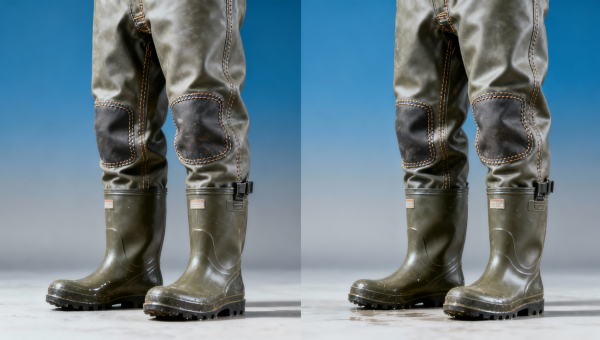
For buyers and field operators evaluating commercial neoprene chest waders, leak prevention is a critical factor affecting safety, durability, and total procurement cost. This guide highlights the most common leak points to inspect in wholesale fishing waders, helping technical teams, distributors, and procurement decision-makers compare product quality with greater confidence before large-volume purchasing.
Why leak-point inspection matters before bulk procurement
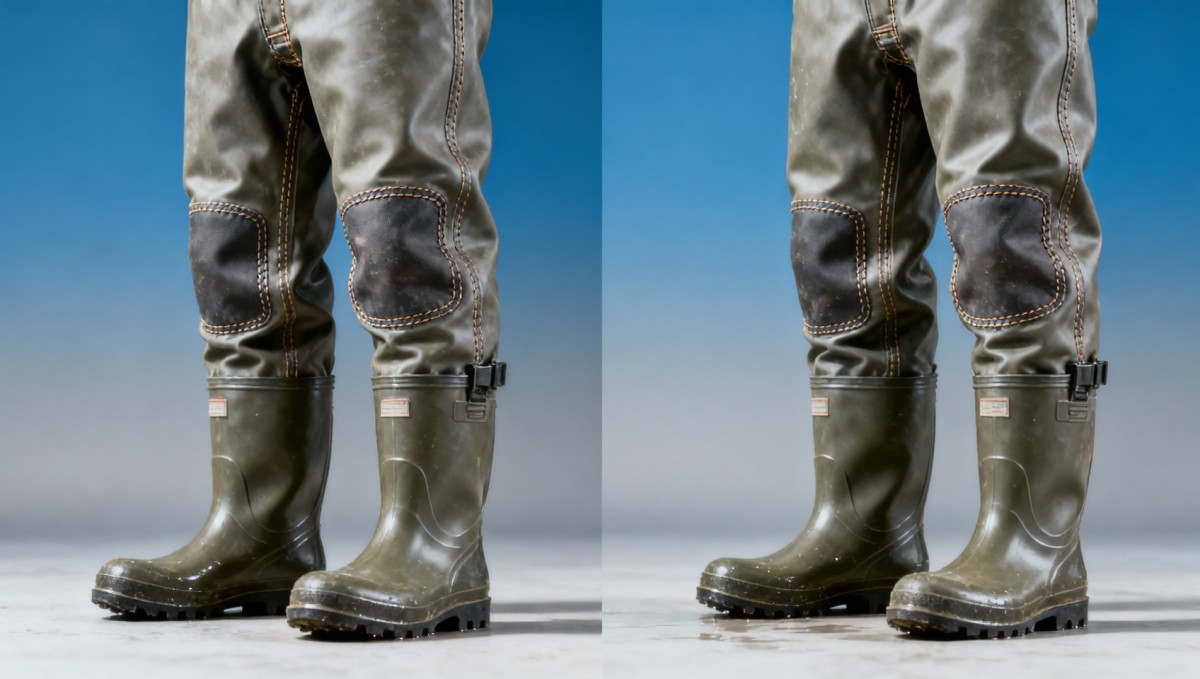
In commercial neoprene chest waders, a small leak rarely stays small for long. Once water enters through a seam, boot junction, or stress-fold area, user comfort drops immediately, thermal protection is reduced, and the service life of the wader can shorten within one heavy-use cycle. For aquaculture crews, fishery technicians, and agricultural operators working in wet environments for 4–10 hours per shift, leak control is a direct operational requirement rather than a minor quality preference.
From a procurement perspective, leak-related failure increases replacement frequency, return handling cost, downtime, and distributor claims exposure. This is especially relevant in B2B purchasing where order volumes may range from dozens to several hundred pairs per shipment. A lower unit price can become less attractive if the product generates higher field complaints during the first 3–6 months of use.
For technical evaluators, the challenge is that many leak risks are not obvious during a quick visual review. Commercial neoprene chest waders may look similar on a sales sheet, yet differ substantially in seam construction, reinforcement layout, adhesive quality, and tolerance control at the boot attachment zone. That is why leak-point inspection should be built into the pre-purchase review process, sample approval stage, and incoming quality control checklist.
AgriChem Chronicle approaches this topic from the same technical and compliance-oriented lens used across primary industries and industrial procurement. For institutional buyers, OEM channel partners, and distributors, the goal is not only to identify where leaks happen, but also to understand which leak points most strongly affect field safety, warranty exposure, and long-term procurement value.
The 5 inspection priorities most buyers should verify
- Seam integrity at high-flex zones, especially inner leg seams and crotch transitions, where repeated bending creates the highest stress concentration.
- Boot-to-upper bonding consistency, because this junction is one of the most common early-stage failure points in wholesale fishing waders.
- Neoprene thickness uniformity, often within common commercial ranges such as 3.5 mm–5 mm, which influences both insulation and material stability.
- Suspender and top-edge reinforcement, where pulling force during donning and doffing can create hidden micro-tears.
- Factory leak testing procedure, including whether every batch or only selected lots undergoes air, water, or pressure-based verification.
When these five points are reviewed together, buyers get a more realistic picture of commercial neoprene chest wader quality than by comparing thickness, color, or price alone.
Where do commercial neoprene chest waders usually leak first?
The most frequent leak points in commercial neoprene chest waders are not random. They usually appear where flexible material, stitched construction, adhesive bonding, and repeated body motion intersect. In practical use, the first failures often show up after repeated kneeling, climbing onto wet platforms, stepping over pond edges, or standing in water for extended periods across weekly work cycles.
The seam line around the crotch area is one of the highest-risk zones because it combines multidirectional strain with frequent flexing. Inner leg seams follow closely, especially in environments with abrasive sediment, fish handling equipment, or rough platform surfaces. If seam tape application is inconsistent or the needle path weakens the neoprene skin, slow seepage can develop before the user notices a visible split.
Another major leak point is the boot attachment area. In bootfoot neoprene chest waders, the transition from soft upper material to a molded rubber or PVC boot creates a mixed-material joint that must tolerate flex, twisting, temperature variation, and repeated immersion. If adhesive spread is uneven or curing is incomplete, leaks may appear around the ankle line or heel transition within one season of heavy use.
Less obvious but still important are puncture-prone panels at the knee, shin, and lower leg. These sections may not fail from poor manufacturing alone. They can also leak due to sharp shell fragments, wire, hooks, feed system edges, or vegetation stubble. For operators in aquaculture and primary processing environments, this means procurement teams should distinguish between construction leaks and use-related puncture exposure when evaluating returns data.
Typical leak points and what they indicate
The table below helps technical teams and commercial buyers identify the most common leak points in neoprene chest waders and what each failure may reveal about production quality, design suitability, or end-use mismatch.
For wholesale buyers, this table supports a more disciplined quality review. Instead of asking only whether the waders leak, the better question is where they leak first, under what conditions, and whether the failure mode reflects design weakness or unsuitable application matching.
How operators can spot early warning signs
- A cold spot inside one leg after 20–30 minutes in shallow water often signals slow seepage rather than a large puncture.
- Moisture near the heel or ankle after repeated walking can indicate boot junction bond fatigue.
- Dampness that appears only during kneeling or climbing may point to stress-zone seam opening.
- Fine bubbles during controlled water or air testing can reveal micro-leaks before major failure occurs.
These observations are useful not only for users, but also for distributors and quality managers building a field feedback loop into future procurement rounds.
How to evaluate leak resistance during technical review and sample testing
A reliable evaluation process should combine document review, physical inspection, and controlled testing. For most B2B programs, a 3-step sample review is practical: first inspect construction details, then perform a static leak test, and finally assess flex performance after repeated movement. This approach helps teams detect weaknesses that a showroom sample may hide.
Start with construction verification. Buyers should examine seam type, seam tape coverage, neoprene panel joining, reinforcement patches, and boot connection quality. Ask whether the seams are stitched, glued, blind-stitched, taped, or built through a combination process. A commercial neoprene chest wader intended for heavy-duty fishery or agricultural use should show consistent finishing, especially across symmetrical left-right construction zones.
Move next to static testing. A common field-friendly approach is controlled water filling or low-pressure air testing, depending on factory practice and sample design. Even without laboratory equipment, a 15–30 minute hold period can reveal visible seepage at high-risk points. Technical teams should document leak location, seep rate, and whether the failure occurs at a seam, bond line, or panel surface.
The final stage is movement simulation. Have the sample flex through kneeling, stepping, and repeated ankle motion for a defined cycle count, such as 50–100 controlled motions per key joint area. This is not a substitute for full durability testing, but it gives procurement teams a realistic comparison when selecting among multiple wholesale fishing wader suppliers or production batches.
A practical evaluation checklist for procurement and QC teams
The following checklist can be used during supplier qualification, pre-shipment inspection, or distributor intake review for commercial neoprene chest waders.
This review structure is particularly valuable for financial approvers and business evaluators who need a defensible basis for selecting one supplier over another. It translates technical details into lower returns, more predictable lifecycle cost, and stronger distributor confidence.
Questions worth asking suppliers before order confirmation
- What leak-test method is used, and is it applied to every batch, every lot, or only development samples?
- Which zones receive reinforcement patches, and are these patches adjusted for aquaculture, fishery, or agricultural terrain use?
- What is the typical production lead time, such as 2–4 weeks for standard runs, and how does that change for custom specifications?
- Can the supplier provide batch traceability for adhesive, neoprene, and boot components if field leakage claims arise?
These questions help distinguish a catalog trader from a supplier with credible manufacturing discipline and repeatable quality control.
Which specifications affect leak risk, cost, and field suitability?
Not every commercial neoprene chest wader should be judged by the same specification priorities. A model selected for cold-water aquaculture maintenance may favor 4 mm–5 mm neoprene and stronger lower-leg reinforcement, while a model for intermittent agricultural drainage work may prioritize mobility and lower unit cost. Understanding leak risk means connecting specification choices to actual use duration, terrain, water temperature, and wear pattern.
Thickness is one factor, but not the only one. Heavier neoprene can improve insulation and panel stability, yet poor seam execution can still create early leakage. Likewise, a lighter and more flexible construction may perform well if the seam architecture and boot bond are well controlled. Buyers comparing wholesale fishing waders should therefore avoid assuming that thicker automatically means more leak-resistant.
Boot style and outsole design also matter. Deep-tread boots can improve traction in muddy settings, but if the boot attachment area is too rigid relative to the upper, flex stress may transfer to the bond line. For teams responsible for safety and compliance, fit consistency is also important because oversizing or undersizing changes stress distribution during walking, bending, and ladder movement.
For distributors and resellers, the strongest product line is often not the cheapest or the most premium. It is the line with the best fit between leak resistance, acceptable unit economics, repeat order potential, and manageable after-sales claims over a 6–12 month selling cycle.
Specification choices and their commercial impact
This comparison helps buyers align technical specifications with expected leakage risk, operating conditions, and budget logic.
The best choice depends on the operating environment. If crews spend 5–6 days per week in ponds, tanks, hatcheries, or flooded work zones, investing in stronger seam integrity and reinforcement usually makes more financial sense than minimizing the initial purchase price.
Common procurement mistakes that increase leak-related cost
- Selecting by thickness only, without reviewing seam and bond design.
- Approving one sample but receiving later batches without the same construction control.
- Ignoring user motion patterns such as kneeling, ladder climbing, or long walking distances.
- Treating puncture claims and seam-leak claims as the same issue in warranty analysis.
Correcting these errors can reduce downstream claims handling and improve reorder confidence for both direct buyers and distribution channels.
What standards, documentation, and risk controls should B2B buyers request?
Commercial neoprene chest waders are not typically purchased under a single universal certification framework, so buyers need a documentation-based quality approach. In regulated or safety-conscious sectors, purchasing teams should request material disclosures where relevant, manufacturing process descriptions, leak-test records, traceability by production lot, and clear statements on intended use limitations. This is especially important when products are supplied into industrial fisheries, agricultural support operations, or export distribution channels.
If the waders will be used around chemicals, sanitation agents, or processing environments, the review should go beyond waterproof performance. Ask whether neoprene compatibility has been considered for typical exposure conditions, cleaning routines, and storage cycles. A product that performs well in fresh water may behave differently when repeatedly exposed to oils, disinfectants, UV, or temperature swings between storage and field use.
Quality control teams should also establish incoming inspection frequency. A practical approach for many buyers is lot-based verification at receipt, with focused checks on 3–5 critical points including seam finish, boot junction, size consistency, and visible defects. For higher-risk supply situations, pre-shipment photo verification or third-party inspection may be justified, especially when lead times are tight and replacement windows are narrow.
This is where AgriChem Chronicle adds value for industrial procurement audiences. ACC’s editorial framework is built around technical credibility, supply chain transparency, and application-specific evaluation. For decision-makers comparing suppliers, private-label options, or regional sourcing strategies, ACC helps translate scattered product claims into structured procurement intelligence that procurement, technical, and compliance teams can use together.
Minimum documentation package worth requesting
- Product specification sheet covering material thickness, construction method, sizing range, and reinforcement locations.
- Batch or lot identification practice that supports claims review within a reasonable traceability period.
- Leak testing description, including whether checks occur in-line, post-assembly, or by random sample.
- Storage and maintenance guidance, since poor storage over 3–9 months can contribute to material degradation and later leakage.
Even when formal certification is not mandatory, disciplined documentation reduces commercial ambiguity and gives finance, procurement, and operations teams a clearer basis for approval.
FAQ and next-step guidance for buyers, distributors, and technical teams
Commercial buyers often ask the same core questions when reviewing neoprene chest waders: which leak points matter most, how samples should be tested, and how to balance upfront price against field durability. The answers usually depend on use frequency, operator movement, temperature conditions, and expected replacement cycle rather than on one headline specification.
For organizations managing multiple stakeholders, the best decision process is cross-functional. Operators can report stress zones and comfort issues, QC teams can assess repeat defect patterns, technical evaluators can review construction logic, and business teams can compare warranty exposure against unit pricing. In most cases, 4 aligned review steps produce better outcomes than a price-led decision made in isolation.
Below are several common questions that help narrow supplier discussions and improve the quality of wholesale fishing wader sourcing decisions.
How should we choose between lower-cost and reinforced models?
If use is occasional, such as intermittent drainage work or seasonal maintenance, a lower-cost model may be acceptable if seam quality and boot bonding are still adequate. If workers use waders 3–6 times per week or in abrasive fishery and aquaculture settings, reinforced knee, shin, and high-flex seam areas usually provide better lifecycle value.
How long is a normal lead time for bulk orders?
For standard commercial neoprene chest wader configurations, a common lead time may fall within 2–4 weeks, though this varies by season, order volume, and customization level. Buyers should also ask about sample approval timing, packaging requirements, and whether replacement or supplemental batches can be shipped within a shorter 7–15 day window if urgent replenishment is needed.
What is the most overlooked leak risk during supplier comparison?
The boot-to-upper junction is often underestimated. Many teams focus on visible seams while ignoring the mixed-material bond area at the ankle and heel. In field conditions with repeated walking and flexing, this junction can fail earlier than expected if the bonding process is inconsistent.
Why choose us for sourcing insight and supplier evaluation support?
AgriChem Chronicle supports industrial buyers, distributors, and technical decision-makers with a deeper level of procurement intelligence than generic product listings can provide. Our editorial focus across aquaculture, agricultural machinery, biochemical processing, and regulated supply chains enables us to frame product evaluation in terms of technical suitability, field risk, documentation quality, and commercial impact.
If you are comparing commercial neoprene chest waders for resale, operational deployment, or OEM sourcing, contact us to discuss sample review criteria, leak-point inspection priorities, application matching, supplier documentation expectations, typical lead times, customization options, and quotation communication. This is particularly useful when your team needs clearer guidance on parameter confirmation, bulk purchasing risk, or selecting the right construction level for demanding wet-work environments.
Related Intelligence
- Commercial FishingWhy Some Wholesale Fishing Waders Wear Out Too FastWholesale fishing waders wear out fast when material grade, seam design, and QC fall short. Learn how commercial neoprene chest waders and smart aquaculture buying reduce hidden replacement costs.
- Commercial FishingLeak Points to Check in Commercial Neoprene Chest WadersCommercial neoprene chest waders: learn the key leak points to inspect in wholesale fishing waders, with practical tips for safer bulk buying, longer wear life, and lower return risk.
- Commercial FishingWhat Sets Reliable Wholesale Fishing Waders ApartWholesale fishing waders and commercial neoprene chest waders compared by durability, waterproof seams, safety, and supplier transparency—plus aquaculture equipment sourcing insights.
The Morning Broadsheet
Daily chemical briefings, market shifts, and peer-reviewed summaries delivered to your terminal.
