
Aquatic Oxygen Generators and the Energy Cost Question
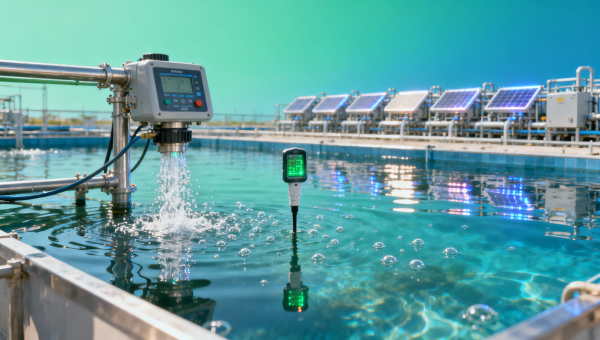
As aquaculture operations scale, aquatic oxygen generators are no longer judged by output alone but by their impact on total energy spend, water stability, and compliance risk. For buyers comparing ozone generators for aquaculture, uv sterilizers for fish farms, smart buoys for aquaculture, and water quality online monitor aquaculture systems, the real question is which technology delivers measurable performance without eroding margins.
Why the energy cost question now defines aquatic oxygen generator value
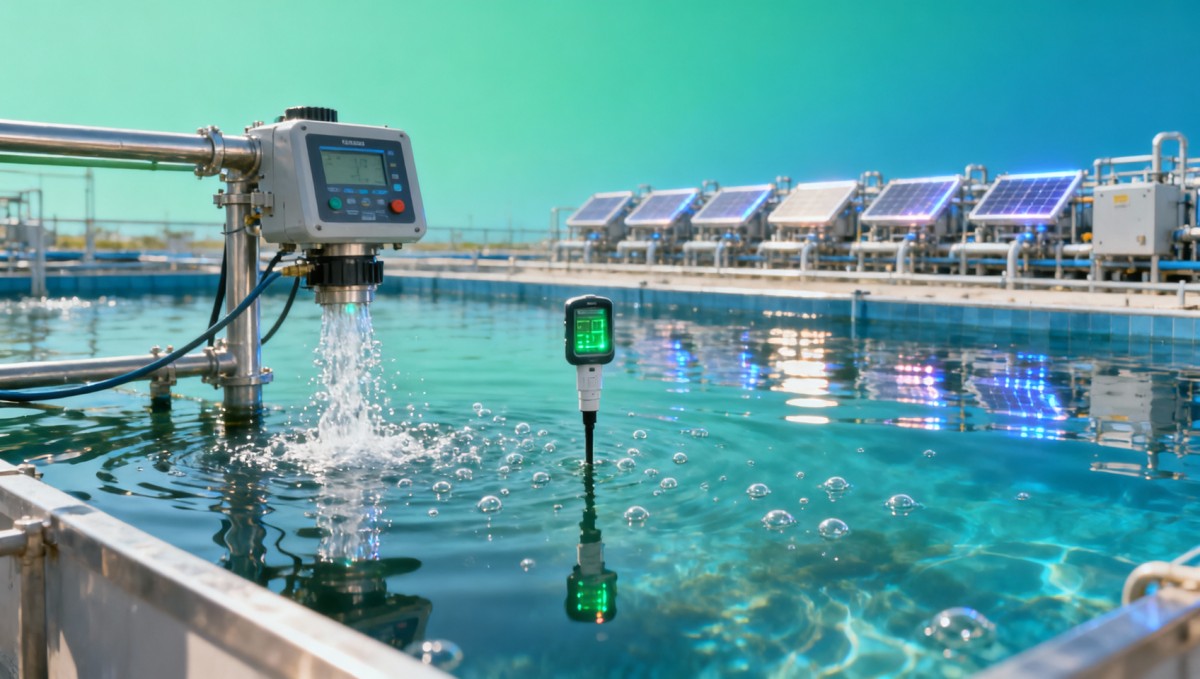
In commercial fish farming, shrimp cultivation, hatchery systems, and recirculating aquaculture systems, oxygen supply is a biological necessity and an operational cost center at the same time. An aquatic oxygen generator may improve dissolved oxygen stability, but if it drives excessive electricity consumption across 12–24 hour operating cycles, the gain in fish health can be offset by narrower margins and higher financing pressure.
This is why technical evaluators and finance approvers increasingly review oxygen systems as part of a wider water treatment architecture. Instead of looking only at oxygen output, they compare oxygen generation with ozone generators for aquaculture, UV sterilizers for fish farms, smart buoys for aquaculture, and water quality online monitor aquaculture platforms. The goal is not to replace one system with another, but to understand where each device affects power load, labor time, mortality risk, and compliance exposure.
For information researchers and business evaluators, the most useful framework is total operating impact over a 12-month to 36-month horizon. That includes power draw in kW, aeration efficiency under seasonal temperature swings, maintenance intervals every 1–4 weeks, spare parts availability, and the cost of downtime if oxygen levels fall below species-specific thresholds. A low purchase price can become expensive when unplanned interruptions affect feed conversion, biomass density, or water exchange schedules.
AgriChem Chronicle addresses this decision environment by combining engineering logic, regulatory awareness, and procurement reality. For institutional buyers, OEM partners, and industrial operators, the most practical question is simple: which configuration supports dissolved oxygen targets without forcing the farm into unstable energy costs, fragmented monitoring, or avoidable environmental risk?
What buyers should measure before comparing quotations
- Daily operating duration, often 8–12 hours for partial-load use or 24 hours for intensive systems with high biomass density.
- Target dissolved oxygen range and tolerance band, which may vary by species, growth stage, and stocking density.
- Site energy conditions, including peak tariff periods, generator backup dependency, and seasonal temperature effects on oxygen demand.
- Interaction with other treatment systems such as UV sterilization, ozone contact units, online water quality monitoring, and automated alarm devices.
How aquatic oxygen generators compare with adjacent aquaculture technologies
A common procurement error is to compare technologies that solve different problems as if they were direct substitutes. An aquatic oxygen generator primarily raises or stabilizes dissolved oxygen. An ozone generator for aquaculture targets oxidation and water quality control. A UV sterilizer for fish farms reduces microbial load under defined flow and clarity conditions. Smart buoys for aquaculture and water quality online monitor aquaculture systems add visibility, alarms, and remote decision support. Their energy profiles, treatment goals, and return logic are different.
Still, the comparison matters because energy cost is often determined by system design as a whole. For example, a farm running inefficient oxygen delivery may compensate with excess pumping or emergency aeration. Another site may overuse ozone to address symptoms that are actually caused by unstable dissolved oxygen and weak circulation. In both cases, the electricity bill rises while water quality remains inconsistent.
The table below helps technical teams and commercial reviewers distinguish the role of each technology in an integrated aquaculture environment. It is especially useful during early-stage screening, distributor discussions, and CAPEX review meetings where multiple vendors present overlapping claims.
The practical takeaway is that aquatic oxygen generators should rarely be evaluated in isolation. In many commercial systems, the lowest-risk approach is a coordinated stack: oxygen generation for biological support, UV or ozone for treatment objectives, and online monitoring to prevent overuse. That combination helps operators avoid running energy-intensive equipment longer than necessary while giving managers a clearer basis for budget control.
Where direct substitution assumptions usually fail
An ozone generator for aquaculture cannot replace an aquatic oxygen generator where biomass oxygen demand is the limiting factor. A UV sterilizer for fish farms cannot correct low dissolved oxygen, poor circulation, or sudden respiration spikes after feeding. Likewise, a water quality online monitor aquaculture platform improves visibility but does not add oxygen by itself. Each device supports a different layer of farm stability.
For distributors and resellers, this distinction is critical during customer qualification. Misaligned recommendations lead to higher support costs, service disputes within the first 30–90 days, and reputational risk if the farm experiences fish stress or mortality. Clear technical positioning at the quotation stage reduces these downstream issues.
Three questions that improve comparison quality
- Is the main problem oxygen deficit, pathogen pressure, organic accumulation, or lack of monitoring?
- Will the selected equipment run continuously, intermittently, or only during peak biomass periods?
- Can the technology be integrated into alarm logic, maintenance planning, and compliance reporting?
What drives real energy cost in day-to-day operation
Energy cost is not defined by motor nameplate alone. In practice, total consumption is shaped by run time, oxygen transfer efficiency, water depth, diffuser condition, pipe pressure, ambient temperature, and how often the farm operates above normal biomass density. Two systems with similar rated power can produce very different monthly costs if one loses efficiency because of fouling, poor layout, or weak control logic.
For operators, the most expensive scenario is usually not a high-power system that performs predictably. It is a medium-power system that needs to run longer to compensate for poor transfer or unstable process control. A unit that operates 20%–30% longer every day can erase the savings expected from a lower purchase price. This is why operating profiles should be reviewed over at least 2–4 seasonal conditions, not just at commissioning.
The other hidden variable is system interaction. If oxygen delivery is inconsistent, farms may add emergency blowers, increase water exchange, or raise pumping frequency. Those secondary actions increase energy use beyond the oxygen generator itself. By contrast, online monitoring can reduce unnecessary run hours through threshold-based control, especially when dissolved oxygen, temperature, and feeding schedules are linked.
For quality and safety managers, energy cost also connects to compliance risk. If dissolved oxygen drops repeatedly, fish stress can trigger health interventions, quality variation, and more frequent audit questions around environmental management. Stable control is therefore a cost issue, a welfare issue, and a documentation issue at the same time.
A practical cost review table for technical and finance teams
Before final approval, many farms benefit from a side-by-side worksheet that goes beyond unit price. The following table can be adapted during vendor review, internal budgeting, or distributor-led proposal development.
This table matters because finance teams often approve equipment based on visible CAPEX while operations teams absorb hidden OPEX later. By translating energy cost into runtime, maintenance frequency, and backup risk, buyers create a more defensible business case. It also helps align technical staff, procurement officers, and site managers around the same decision criteria.
Four overlooked cost amplifiers
- Undersized monitoring: without live data, operators often keep aeration or oxygen generation running longer than necessary.
- Poor maintenance discipline: clogged components can raise pressure demand and reduce oxygen transfer within 2–6 weeks.
- Seasonal overloading: summer temperature increases and peak feeding periods can create sudden energy spikes.
- Fragmented sourcing: if oxygen, UV, ozone, and sensors come from disconnected suppliers, troubleshooting becomes slower and more expensive.
How to select the right configuration for operations, compliance, and budget
A sound procurement process for aquatic oxygen generators starts with application mapping rather than catalog filtering. Hatcheries, grow-out ponds, tank farms, and RAS facilities do not carry the same risk profile. Some sites need stable baseline oxygen. Others need rapid response during feeding spikes. Some are constrained by utility cost. Others are constrained by auditability, remote visibility, or water discharge sensitivity.
For technical assessors, the first checkpoint is compatibility with the full water management system. If the farm already relies on a UV sterilizer for fish farms or an ozone generator for aquaculture, the oxygen generator should be reviewed for hydraulic fit, control logic, and alarm linkage. If the farm lacks a water quality online monitor aquaculture system, adding one may produce better total value than purchasing a larger oxygen unit alone.
For commercial and finance reviewers, the second checkpoint is implementation certainty. Typical evaluation windows range from 7–15 days for straightforward replacements to 2–6 weeks for multi-device upgrades involving piping, electrical work, and staff training. Delivery questions should cover not only equipment shipment, but also commissioning support, spare parts, training scope, and performance verification points.
For quality and safety teams, the third checkpoint is documentation. Where operations are export-oriented or subject to environmental scrutiny, buyers should request clear operating manuals, maintenance records, electrical safety details, and sensor calibration routines. Farms that cannot document these basics may struggle during internal audits, customer visits, or regulator review.
A selection checklist that works across roles
- Define the biological target: species, stocking density, feeding intensity, and expected dissolved oxygen band during peak demand.
- Define the operating pattern: continuous use, night-only support, emergency backup, or seasonal deployment.
- Confirm integration: compatibility with smart buoys for aquaculture, alarm systems, UV loops, ozone treatment, and online monitoring.
- Review supportability: spare parts lead time, training availability, and whether local technicians can complete routine service.
- Review compliance basics: electrical safety, environmental management fit, maintenance records, and calibration procedures.
When each configuration is usually justified
A standalone aquatic oxygen generator is often justified where dissolved oxygen is the primary bottleneck and existing water quality is reasonably stable. An oxygen generator plus online monitoring is usually justified when labor is limited, sites are spread across multiple ponds, or operators need threshold-based automation. An oxygen, UV, and monitoring combination is more common in hatcheries and biosecure systems. An oxygen plus ozone plus monitoring stack becomes relevant when water reuse, organic load management, and traceable process control all matter at the same time.
The key is to avoid overbuying treatment functions that do not address the core problem. Many projects can lower lifetime energy cost by investing in better control and monitoring rather than simply installing larger equipment. That is often the difference between a system that looks powerful on paper and one that remains economical over 24 months of live production.
Common misconceptions, compliance concerns, and what informed buyers ask
A frequent misconception is that more oxygen generation always means better farm performance. In reality, oxygen delivery that is not matched to species demand, circulation design, and monitoring practice can create waste without improving stability. Another misconception is that a UV sterilizer for fish farms or an ozone generator for aquaculture automatically lowers energy costs. They can improve process control, but only when applied to the right water conditions and operating objective.
Compliance concerns also deserve attention. While equipment categories differ, industrial aquaculture buyers often evaluate systems against broad requirements linked to electrical safety, environmental management, water handling, and operating traceability. If a supplier cannot explain maintenance records, sensor calibration frequency, alarm history retention, or safe handling guidance, the buyer inherits unnecessary risk.
This is where the ACC perspective is useful. In heavily regulated supply environments, good procurement is not just technical matching. It is disciplined information verification. That means comparing what the system is supposed to do, what the site actually needs, and what documentation supports the claim. For distributors and project partners, this discipline also improves downstream service quality and reduces disputes.
The FAQ below reflects the kind of questions commonly raised by operators, engineers, procurement teams, and corporate reviewers evaluating aquatic oxygen generators in relation to broader aquaculture technology investments.
How do I know whether the energy bill problem comes from the oxygen generator or from the overall system?
Start with a 2–4 week operating review. Track runtime hours, dissolved oxygen trends, emergency aeration events, cleaning frequency, and seasonal feeding intensity. If the oxygen generator runs long hours but dissolved oxygen still swings sharply, the issue may involve transfer efficiency, pond hydraulics, sensor accuracy, or biomass loading rather than the generator alone. Pairing the unit with a water quality online monitor aquaculture system usually clarifies the cause faster than replacing equipment blindly.
Can smart buoys for aquaculture reduce oxygen-related energy costs?
Yes, in the right environment. Smart buoys for aquaculture are especially valuable in large ponds, open water cages, or multi-zone sites where manual sampling misses localized drops. They do not generate oxygen, but they can reduce unnecessary runtime by improving timing and response accuracy. Their value is strongest where staff cannot manually check every area every 1–2 hours.
When should a farm consider adding a UV sterilizer or ozone generator instead of a larger oxygen system?
Consider UV sterilizers for fish farms when microbial control in circulating water is the main concern, especially in hatcheries or juvenile systems. Consider an ozone generator for aquaculture when organic load, water clarity, or reuse objectives are central. If fish stress is caused mainly by low dissolved oxygen during high biomass periods, a larger or better-controlled oxygen system remains the first priority. The correct sequence depends on the root cause, not on which device has the most advanced marketing claims.
What are reasonable lead-time and implementation questions to ask before purchase?
Ask for equipment lead time, commissioning scope, operator training, spare parts availability, and expected acceptance milestones. A simple retrofit may move in 7–15 days, while a coordinated upgrade involving oxygen generation, sensors, and treatment devices may require 2–6 weeks. Also ask how many inspection points will be used at handover, such as electrical checks, control response, alarm testing, sensor calibration, and maintenance instruction.
Why informed buyers work with ACC when comparing aquaculture technology options
AgriChem Chronicle is designed for decision environments where technical detail, procurement discipline, and supply chain transparency matter. Buyers of aquatic oxygen generators are rarely making a one-line purchase. They are balancing energy cost, water quality stability, service continuity, regulatory expectations, and the need to justify investment across technical, commercial, and financial stakeholders.
ACC supports this process by translating complex industrial information into usable decision logic. That matters for operators evaluating runtime efficiency, for technical assessors comparing oxygen systems with ozone generators for aquaculture, for finance teams testing total cost assumptions, and for distributors seeking credible positioning across UV sterilizers for fish farms, smart buoys for aquaculture, and water quality online monitor aquaculture solutions.
If you are reviewing an upcoming project, you can use ACC as a practical consultation point for parameter confirmation, configuration logic, expected delivery windows, documentation expectations, and compliance-sensitive procurement questions. This is particularly useful when the objective is not simply to buy a device, but to build a system that performs consistently over the next 12–36 months.
Contact us if you need support with oxygen generator selection, comparison against ozone or UV treatment options, integration with smart monitoring, spare parts planning, or quotation review. We can help structure the discussion around application parameters, energy cost assumptions, implementation sequence, certification-sensitive concerns, and the information procurement teams need before budget approval.
Related Intelligence
- Aeration & Water TechFDA Updates Cybersecurity Guidance for Aeration & Water Tech DevicesFDA’s new cybersecurity guidance for aeration & water tech devices mandates immediate compliance—secure firmware, audit logs & password controls required for U.S. market access.
- Aeration & Water TechGlobal Alliances Hike Aeration & Water Tech Container Rates on Asia–Middle East RouteAeration & Water Tech container rates surge 18.5% on Asia–Middle East route—Maersk, CMA CGM & Hapag-Lloyd hike reefer/flat rack fees from 1 May 2026. Act now!
- Aeration & Water TechGlobal Shipping Alliances Hike Aeration & Water Tech Freight Rates on Asia–Middle East RoutesAeration & Water Tech freight rates surge 18% on Asia–Middle East routes as THE, Ocean & 2M Alliances align. Critical for RAS, aerators & water control exporters—act before May 1, 2026.
The Morning Broadsheet
Daily chemical briefings, market shifts, and peer-reviewed summaries delivered to your terminal.
