
Why aquaculture drum filters clog faster than expected
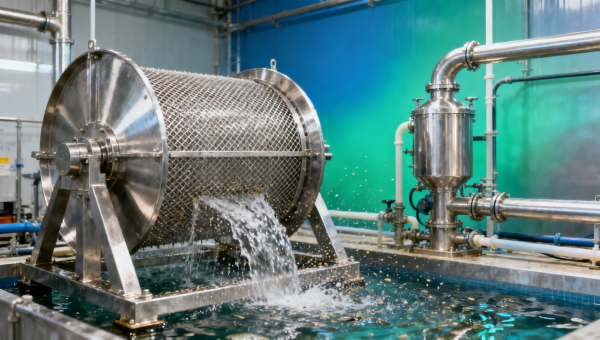
In recirculating aquaculture systems, aquaculture drum filters often clog faster than operators expect, disrupting flow stability, biofilter media for ras performance, and downstream water quality. For buyers evaluating surge wave aerator setups, commercial protein skimmers, automatic fish feeder commercial units, or even floating fish feed extruder and sinking fish feed machine integration, understanding the real causes of premature blockage is essential to improving efficiency, maintenance planning, and long-term system ROI.
Why do aquaculture drum filters clog faster in real operating conditions?
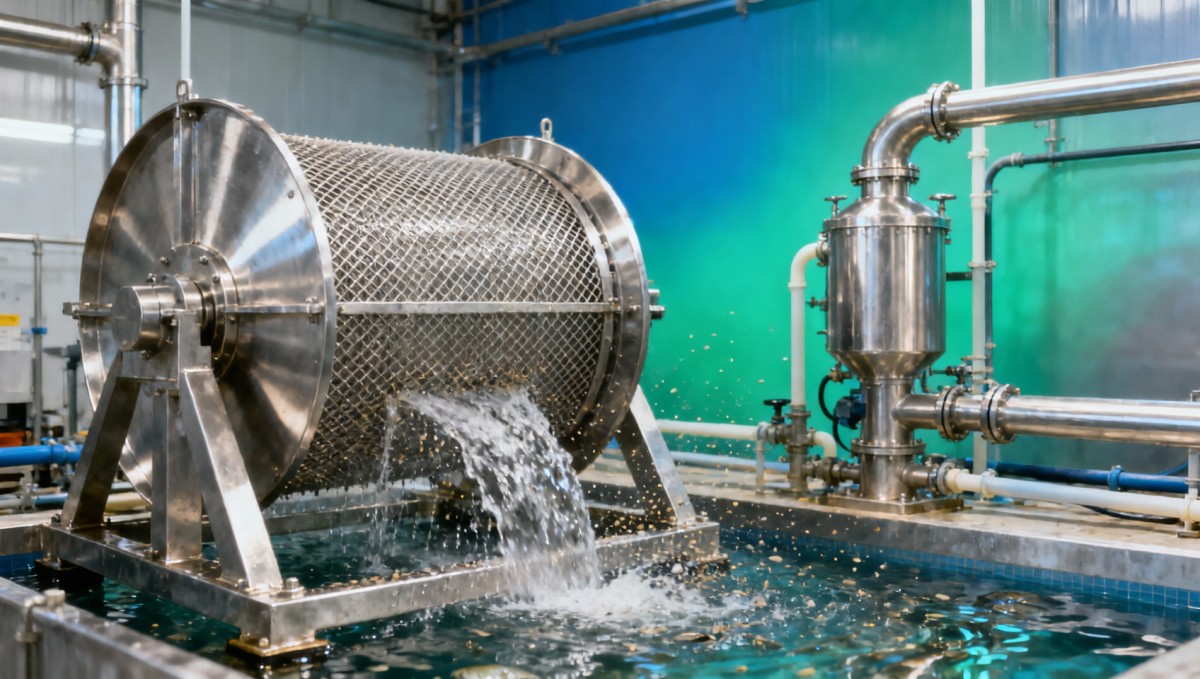
On paper, an aquaculture drum filter looks simple: water passes through a rotating screen, solids stay behind, and backwash removes the captured load. In practice, clogging happens faster because real farms rarely operate under stable, laboratory-like influent conditions. Solids concentration can change within 2–6 hours after feeding, dissolved organics can rise across a 24-hour production cycle, and particle size can shift sharply when fish density, feed type, and hydraulic turbulence change together.
For operators, the visible symptom is not always a completely blocked screen. More often, the first warning signs are rising head loss, shorter backwash intervals, declining flow to biofiltration, or inconsistent tank turnover. In many recirculating aquaculture systems, that means the filter is technically still running, but it is already underperforming. This distinction matters because delayed intervention often multiplies labor, water use, and downstream oxygenation stress.
Technical evaluators and procurement teams should also avoid a narrow view that treats clogging as only a mesh issue. A 40–100 micron screen may be correctly specified, yet the drum filter can still foul quickly if sludge character is sticky, backwash pressure is unstable, or pump pulsation is creating uneven loading across the screen panel. Premature blockage is usually a system-level problem, not a single-component defect.
The four most common root causes
- High fine-solid loading after feeding cycles, especially when feed dust and fecal fines peak within 30–90 minutes.
- Organic slime formation from proteins, oils, and biofilm residues that blind the mesh surface rather than simply covering it with visible particles.
- Uneven hydraulic distribution caused by poor inlet design, unstable water level control, or oversized pumps cycling too aggressively.
- Insufficient backwash performance due to low nozzle pressure, nozzle fouling, or wash cycles that are too short for the actual solids load.
For ACC readers across aquaculture, feed processing, and industrial equipment sourcing, the practical takeaway is clear: when an aquaculture drum filter clogs faster than expected, the decision process should include feed behavior, hydraulic design, solids profile, and serviceability. This broader diagnostic approach helps purchasing teams avoid replacing screens when the real problem lies upstream or in operating discipline.
Which process variables usually accelerate blockage?
Several variables interact to determine how quickly an aquaculture drum filter loads. The first is particle distribution. Coarse fecal solids are easier to capture and remove, while fine suspended solids below the nominal design expectation can create screen blinding. In commercial RAS, this often becomes more severe when feed pellets break down too easily or when water agitation from aeration devices keeps fines in suspension longer than planned.
The second variable is organic composition. Farms that run higher oil feeds, intensive feeding schedules, or variable skimming performance often generate sticky deposits that resist backwash. A protein skimmer that is undersized or poorly tuned can leave more dissolved and colloidal organics in the system, increasing the chance that the drum filter screen develops a thin film layer. Once this happens, permeability can drop well before visible solids accumulation looks severe.
Third, water flow stability matters more than many buyers expect. A design flow rate may be acceptable, but if the actual system sees repeated swings of 15%–30% across the day, localized overloading can occur. That creates sections of screen that foul rapidly while other sections remain underused. Uneven loading shortens effective screen life and makes maintenance intervals less predictable for project managers and financial approvers trying to estimate operating cost.
Process factors that deserve routine review
The table below helps separate normal loading from conditions that often lead to faster-than-expected aquaculture drum filter clogging. These are not absolute failure thresholds, but they are practical review points for technical audits, retrofit planning, and equipment procurement discussions.
For quality and safety managers, the point is not to chase one perfect number. It is to track pattern shifts over 7–14 days and compare them with feed, biomass, and maintenance records. ACC often sees that the fastest path to lower clogging frequency is not a full equipment replacement, but a better match between solids management stages and operating rhythm.
How connected equipment can change filter behavior
Connected equipment can amplify or relieve loading. A surge wave aerator may improve circulation in one zone while increasing suspension of fines in another. An automatic fish feeder commercial setup can reduce labor, but if feeding events become more frequent without a corresponding review of filtration timing, solids peaks can become more continuous. Feed processing choices also matter: output from a floating fish feed extruder or a sinking fish feed machine can differ in water stability, and that difference directly affects how quickly the screen fouls.
How should buyers compare screen size, hydraulics, and cleaning strategy?
A common purchasing error is selecting an aquaculture drum filter mainly by nominal throughput. Throughput is important, but it should be reviewed alongside mesh size, solids type, wash system capability, and the farm’s growth plan over the next 12–24 months. A unit that performs adequately at current biomass may become a bottleneck after stocking density increases, particularly when feed rates rise in the same expansion phase.
Screen size is often misunderstood. Finer mesh can improve capture of suspended solids, but it can also raise the probability of frequent clogging if upstream solids conditioning and backwash performance are not equally improved. Coarser mesh reduces blinding risk, yet may pass more fine material into biofiltration and oxygen-demand zones. The right choice depends on system objectives, not on a universal “finer is better” assumption.
Procurement and engineering teams should therefore compare complete filtration strategies rather than isolated product sheets. That means asking whether the chosen drum filter can maintain stable operation across daily peaks, whether spare screens and nozzles are easy to source, and whether the wash system has enough consistency for 24/7 duty. For distributors and integrators, these questions are often more important than a small difference in initial purchase price.
Practical comparison framework for procurement
The following comparison matrix is useful when technical evaluators and project owners need to balance solids capture, maintenance demand, and lifecycle cost in commercial aquaculture drum filter projects.
A useful buying rule is to score equipment across at least 4 dimensions: solids capture, hydraulic stability, cleaning reliability, and maintenance support. If one option appears attractive only because of lower capex, decision-makers should test whether the resulting increase in wash water use, labor hours, or downstream solids burden could outweigh the initial savings within 6–12 months.
Three questions that prevent poor selection
- What is the real solids profile across the full feeding cycle, not just during a calm operating window?
- Can the backwash system maintain cleaning consistency during biomass growth and seasonal water-quality shifts?
- Will spare parts, screen replacements, and technical support remain accessible over the project’s next 1–3 years?
These questions matter to both enterprise buyers and finance approvers because they translate technical fit into measurable risk. A better-matched aquaculture drum filter supports lower unplanned downtime, more predictable maintenance scheduling, and a cleaner compliance record for facilities operating under environmental scrutiny.
What operating practices reduce premature clogging without overspending?
Not every clogging problem requires a new filter. In many facilities, disciplined operating changes reduce blockage frequency at lower cost than immediate hardware replacement. The first step is trend monitoring. Operators should log backwash frequency, inlet solids behavior, feeding schedules, and water level fluctuations on a daily basis for at least 2–4 weeks. Without that baseline, maintenance teams often treat symptoms instead of causes.
Second, review cleaning strategy. Some farms wash too briefly and too often, which can waste water without truly restoring screen permeability. Others wait too long, allowing solids compaction and slime formation. The right interval is site-specific, but the principle is universal: cleaning should be matched to actual loading peaks, especially after feed events and biomass changes. This is where close coordination between operators and technical supervisors pays off.
Third, assess upstream and parallel process steps. A better-tuned commercial protein skimmer, improved sludge bleed discipline, and more consistent feed handling can reduce the organic fraction that makes screens sticky. In some cases, modest changes in feeder timing or feed quality control produce better aquaculture drum filter performance than replacing the screen with a finer or more expensive version.
Low-cost operational checklist
- Inspect spray nozzles every 7–14 days for scaling, blockage, or misalignment that weakens backwash impact.
- Compare backwash frequency before and after feed delivery changes, pellet batch changes, or stocking increases.
- Check for uneven screen loading that may indicate inlet imbalance or level-control instability.
- Review foam fractionation, sludge discharge, and tank housekeeping together instead of treating them as separate maintenance tasks.
- Keep spare nozzles, seals, and at least one replacement screen panel available when lead times are long.
From a cost perspective, this approach helps decision-makers separate capex issues from opex issues. If the filter body and drive remain suitable, a targeted maintenance and control upgrade may solve 70%–80% of the practical problem. If clogging persists even after process discipline improves, that provides stronger evidence for a redesign or equipment replacement request.
What compliance, risk, and project-planning points are often overlooked?
In commercial aquaculture, drum filter decisions are not only about solids removal. They affect discharge quality, water-use efficiency, labor exposure, and documentation for environmental reviews. Facilities operating under EPA-related discharge scrutiny or customer-driven quality audits should document filter maintenance frequency, sludge handling practices, and failure response procedures. Even when a local regulator does not specify exact equipment choices, process control records often matter during inspections or project approvals.
Project managers also underestimate commissioning risk. A new aquaculture drum filter can be mechanically installed in a short period, but stable operation may require 1–3 weeks of observation and adjustment. During that time, inlet distribution, wash timing, and integration with biofilter media for RAS must be tuned under real solids loading. Budget planning should account for this stabilization phase rather than assuming day-one optimization.
For financial approvers, the main risk is hidden cost migration. A cheaper filter may consume more wash water, trigger more manual cleaning, and increase labor demand on night shifts. It can also allow more fine solids into downstream treatment, raising the burden on pumps, skimmers, and biofilters. Lifecycle review should therefore include 3 categories of cost: direct maintenance, water and energy use, and indirect process impact.
Risk points to review before final approval
Technical and operational
- Whether the selected filter can handle future biomass growth over the next 12–24 months.
- Whether maintenance access is practical for routine inspection during continuous 24/7 operation.
- Whether spare part availability matches the facility’s acceptable downtime window.
Documentation and supplier review
- Request cleaning logic, recommended operating ranges, and service intervals in writing.
- Confirm material suitability for site water chemistry and cleaning practices.
- Verify realistic lead times for consumables, replacement screens, and technical response support.
This is where AgriChem Chronicle adds value for industrial buyers and technical teams. ACC’s editorial focus across aquaculture technology, feed processing, and regulated industrial supply chains helps readers compare equipment choices in the broader context of compliance, lifecycle cost, and implementation risk, rather than relying on isolated sales claims.
FAQ for buyers, operators, and technical evaluators
The questions below reflect recurring search intent from aquaculture system users, project planners, and sourcing teams. They are especially relevant when an aquaculture drum filter appears correctly sized on paper but still clogs faster than expected in real use.
Is faster clogging always a sign that the mesh is too fine?
No. A fine mesh can contribute, but it is only one variable. Faster clogging may also result from sticky dissolved organics, unstable flow, weak backwash pressure, or increased feed fines. Before changing screen specification, review at least 5 factors: feeding pattern, solids type, backwash consistency, inlet hydraulics, and upstream organic removal performance.
How often should an aquaculture drum filter be inspected?
Visual checks are often appropriate daily in intensive systems, while nozzle condition, screen integrity, and wash performance may need a more detailed review every 7–14 days. Facilities with highly variable feeding loads or recent commissioning changes may need tighter monitoring for the first 2–4 weeks until operating patterns stabilize.
Can better feed handling reduce clogging frequency?
Yes. Feed dust, pellet fragility, and feeding schedule strongly influence solids behavior. If a floating fish feed extruder or sinking fish feed machine produces pellets with different water stability than expected, the filtration load can change immediately. Reviewing pellet durability and feeder timing is often a practical first step before making filtration hardware changes.
What should procurement teams ask suppliers before purchase?
Ask for the expected solids handling envelope, recommended maintenance intervals, wash system details, spare part lead times, and integration notes for the full RAS process. It is also sensible to ask how the aquaculture drum filter behaves under variable loading rather than only at nominal design flow. That gives project teams a more realistic basis for budgeting and risk control.
Why consult AgriChem Chronicle before your next filtration or RAS upgrade?
When aquaculture drum filters clog faster than expected, the real cost is rarely limited to one screen or one maintenance call. The impact can extend to biofilter stability, feeding efficiency, sludge handling, labor planning, and water-quality compliance. That is why ACC frames aquaculture equipment decisions within a wider industrial context that includes process engineering, supply chain reliability, and operational risk.
For researchers, operators, procurement managers, and enterprise decision-makers, ACC provides a structured path to better decisions. You can consult on parameter confirmation, screen and wash-system selection, delivery lead time expectations, compatibility with commercial protein skimmers or surge wave aerator systems, feed-related solids behavior, and practical retrofit options for existing RAS lines. This is particularly useful when budget approval depends on a clear link between technical choices and lifecycle value.
If your team is comparing suppliers, validating a new project, or troubleshooting repeated clogging in an installed aquaculture drum filter, ACC can help organize the evaluation around measurable criteria. That includes operating ranges, maintenance checkpoints, spare part planning, compliance documentation, and integration priorities for supporting equipment. A well-scoped consultation can shorten internal review cycles and reduce the risk of solving the wrong problem.
Contact AgriChem Chronicle to discuss filter parameters, application-specific selection, commissioning priorities, realistic service intervals, certification and documentation expectations, sample-support questions where applicable, and quotation communication strategies for multi-supplier sourcing. For industrial buyers and technical teams, the goal is not just to buy a drum filter, but to secure a filtration decision that holds up under real production pressure.
Related Intelligence
- RAS SystemsIndia Removes Import Tariff on RAS Systems for AquacultureIndia removes import tariffs on RAS systems for aquaculture—unlocking $170M+ equipment demand. Key opportunity for exporters, technical documentation & after-sales providers.
- RAS SystemsLFP Battery Recycling Enters Deep Water: RAS & Feed Pellet Firms Tap Regenerated PhosphateLFP Battery Recycling breakthrough: Regenerated phosphate now powers RAS systems & feed pellets—EU/US-compliant, 20% cheaper, live since April 2026.
- RAS SystemsIntel Launches World’s Thinnest GaN Chip, Boosts RAS Power ModulesIntel's world’s thinnest GaN chip (19μm) boosts RAS power modules—40% smaller, 22% more efficient. Key for aquaculture exporters, equipment makers & supply chain partners.
The Morning Broadsheet
Daily chemical briefings, market shifts, and peer-reviewed summaries delivered to your terminal.
