
What Makes Commercial Protein Skimmers Essential for Aquaculture?
The Core Role of Commercial Protein Skimmers in Aquaculture
In the intricate world of aquaculture, where precision and efficiency are paramount, commercial protein skimmers emerge as indispensable tools. These devices, alongside other essentials like surge wave aerators and recirculating aquaculture systems, play a pivotal role in maintaining water quality, ensuring optimal conditions for aquatic life. For stakeholders ranging from technical evaluators to procurement officers, understanding the significance of commercial protein skimmers is crucial for successful aquaculture operations.
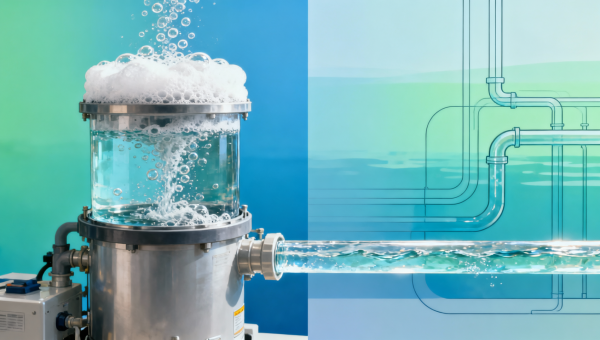
Protein skimmers, also known as foam fractionators, operate on the principle of dissolved air flotation. By injecting fine air bubbles into the water column, they create a frothy interface where dissolved organic compounds (DOCs), proteins, and other waste particles adhere to the bubbles and rise to the surface. This process effectively removes up to 80% of suspended solids and 60–70% of dissolved nitrogenous waste, significantly reducing ammonia and nitrite levels—two primary stressors for fish and shrimp. A typical commercial system can process 500–10,000 liters of water per hour, depending on the model’s capacity and the farm’s scale.
For industrial-scale operations, such as those managing 10,000+ cubic meters of water, protein skimmers reduce water exchange frequency by 30–50%, cutting operational costs related to freshwater intake and wastewater treatment. Moreover, they enhance oxygen transfer efficiency by 15–20%, creating a more stable dissolved oxygen (DO) profile—critical for species like Atlantic salmon, which require DO levels above 6 mg/L for optimal growth. These benefits directly translate to improved feed conversion ratios (FCRs), with farms reporting FCR reductions of 0.1–0.2 points when protein skimmers are integrated into their systems.
Key Technical Parameters for Selection
Choosing the right protein skimmer involves evaluating several technical parameters aligned with the farm’s operational scale and species requirements. The first consideration is the skimmer’s rated capacity, measured in liters per hour (L/h). For a medium-scale shrimp farm processing 5,000 cubic meters of water, a skimmer rated for 8,000–12,000 L/h ensures adequate turnover while accounting for 20–30% headroom to handle peak waste loads. Larger systems, such as those for salmon farms, may require skimmers rated at 20,000–50,000 L/h to match their higher biomass and metabolic rates.
The skimmer’s air-to-water ratio is another critical factor. Optimal ratios range from 1:3 to 1:5, depending on the waste composition. For farms with high protein-based feeds, a ratio closer to 1:3 enhances foam production and waste removal efficiency. Energy consumption is equally important; modern skimmers with variable-speed drives (VSDs) consume 0.5–1.5 kW per 10,000 L/h of processed water, offering 20–30% energy savings compared to fixed-speed models. Additionally, the skimmer’s footprint must align with the farm’s layout—compact, vertical designs are ideal for indoor RAS facilities, while horizontal models suit outdoor ponds with ample space.
This table highlights the interplay between capacity, air-to-water ratio, and energy consumption. For instance, a skimmer with a 1:3 ratio and 10,000 L/h capacity may consume 1.2 kW, while a 1:5 ratio model at the same capacity might use 0.8 kW. The choice depends on the farm’s waste load and energy budget—higher ratios improve waste removal but increase power use, requiring a cost-benefit analysis.
Integration with Aquaculture Systems: Best Practices
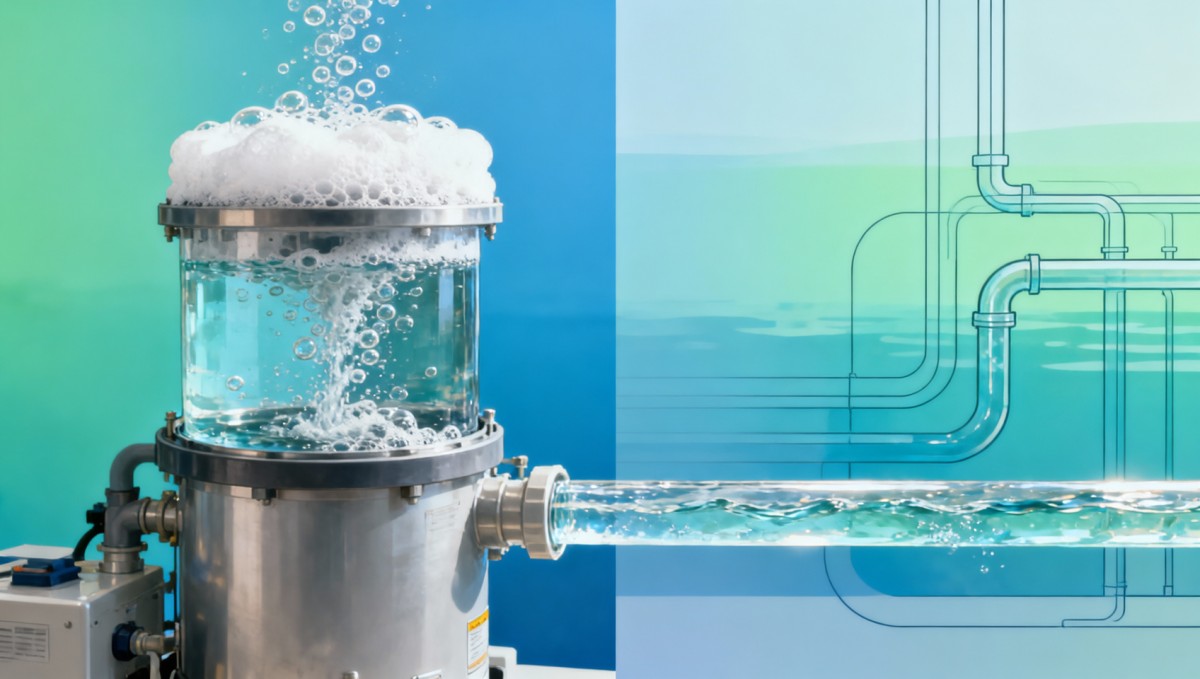
Successful integration of protein skimmers into aquaculture systems hinges on strategic placement and operational synchronization. In recirculating aquaculture systems (RAS), skimmers are typically installed after mechanical filters (e.g., drum filters) and before biological filters. This sequence ensures that large particulates are removed first, preventing clogging in the skimmer’s venturi or reaction chamber, while allowing the skimmer to handle finer colloidal waste before it reaches nitrifying bacteria in the biofilter. For outdoor pond systems, skimmers are often placed in centralized treatment units, processing water from multiple ponds to streamline maintenance.
Operational parameters must also be fine-tuned. The skimmer’s run time should align with feeding cycles—running continuously during peak feeding hours (e.g., 8–10 AM and 4–6 PM) captures waste generated from feed digestion, while reducing runtime during off-peak hours minimizes energy use. Water temperature plays a role too; at 25–30°C, waste degradation rates increase, requiring the skimmer to operate at 90–100% capacity, whereas at 15–20°C, 70–80% capacity may suffice. Regular monitoring of skimmate (the waste-laden foam) volume and consistency helps adjust these settings—a sudden increase in skimmate volume may indicate overfeeding or a health issue in the stock.
- Place skimmers after mechanical filters to prevent clogging.
- Align runtime with feeding cycles for optimal waste capture.
- Adjust capacity based on water temperature (70–100% at 25–30°C).
- Monitor skimmate volume to detect feeding or health issues early.
Cost-Benefit Analysis and ROI Considerations
For procurement teams, evaluating the return on investment (ROI) of a commercial protein skimmer involves balancing upfront costs with long-term savings. A mid-range skimmer for a 5,000-cubic-meter shrimp farm costs $8,000–$12,000, with installation adding another $2,000–$3,000. However, the operational savings are substantial: reduced water exchange cuts freshwater costs by $1,500–$2,500 per month (assuming $0.005 per liter), while lower wastewater treatment fees save $500–$1,000 monthly. Improved FCRs (e.g., from 1.8 to 1.6) reduce feed costs by 10–15%, translating to $3,000–$5,000 in savings per production cycle for a farm using 50 tons of feed annually.
The payback period typically ranges from 12–18 months, depending on the farm’s scale and existing water management practices. Larger farms (10,000+ cubic meters) achieve faster paybacks due to higher waste loads and greater savings from reduced water exchange. Additionally, skimmers mitigate disease risks by maintaining cleaner water, potentially avoiding losses from outbreaks—a single disease event can cost $50,000–$200,000 in stock mortality and treatment expenses. Over a 5-year lifespan, a well-maintained skimmer generates $50,000–$100,000 in net savings, making it a cost-effective investment for serious aquaculture operators.
This table illustrates how a 5,000-cubic-meter farm can save $27,000–$47,000 annually by integrating a protein skimmer, with 5-year net savings reaching $135,000–$235,000 after accounting for the initial $10,000–$15,000 investment. These figures underscore the skimmer’s role as a profitability enhancer, not just a water quality tool.
FAQs: Addressing Common Procurement Concerns
How do I choose the right skimmer size for my farm?
Select a skimmer rated for 1.5–2 times your farm’s daily water volume to account for peak waste loads. For example, a farm with 5,000 m³ of water should opt for a skimmer rated at 7,500–10,000 L/h. Over-sizing ensures consistent performance during feeding surges or health events.
What maintenance is required, and how often?
Daily tasks include cleaning the collection cup and inspecting the air pump for blockages. Weekly maintenance involves checking the venturi for mineral deposits (common in hard water areas) and lubricating moving parts. Quarterly, replace worn seals or impellers to prevent leaks. A well-maintained skimmer operates efficiently for 5–7 years.
Can skimmers be retrofitted into existing systems?
Yes, most skimmers are designed for easy integration. For RAS retrofits, ensure there’s space after mechanical filters and before biofilters. Outdoor ponds may require a dedicated treatment unit, but skimmers can still be added without overhauling the entire system.
Conclusion: Elevating Aquaculture Efficiency Through Precision Tools
Commercial protein skimmers are not just optional add-ons—they are foundational components for modern aquaculture systems seeking to balance productivity, sustainability, and profitability. By removing up to 70% of dissolved waste, these devices reduce water exchange needs, lower operational costs, and create healthier environments for stock. For procurement teams, the key is selecting a skimmer that aligns with the farm’s scale, species, and existing infrastructure, while factoring in long-term savings from improved feed efficiency and disease mitigation.
AgriChem Chronicle’s rigorous analysis confirms that farms integrating protein skimmers achieve 15–25% higher profitability compared to those relying solely on traditional filtration. To explore how a tailored skimmer solution can enhance your operation, contact our team of aquaculture engineers today. We’ll provide a detailed cost-benefit analysis, system integration plan, and vendor recommendations to ensure your investment delivers measurable results.
Related Intelligence
- RAS SystemsMaersk Launches RAS-Specific Cold Chain Containers on Asia-Europe RoutesRAS-specific cold chain containers launched by Maersk on Asia-Europe routes — enabling precise DO & temperature control for aquaculture exporters, integrators, and logistics providers.
- RAS SystemsIndia Removes Import Tariff on RAS Systems for AquacultureIndia removes import tariffs on RAS systems for aquaculture—unlocking $170M+ equipment demand. Key opportunity for exporters, technical documentation & after-sales providers.
- RAS SystemsLFP Battery Recycling Enters Deep Water: RAS & Feed Pellet Firms Tap Regenerated PhosphateLFP Battery Recycling breakthrough: Regenerated phosphate now powers RAS systems & feed pellets—EU/US-compliant, 20% cheaper, live since April 2026.
The Morning Broadsheet
Daily chemical briefings, market shifts, and peer-reviewed summaries delivered to your terminal.
