
Aquaculture Drum Filters: How to Avoid Common Maintenance Issues?
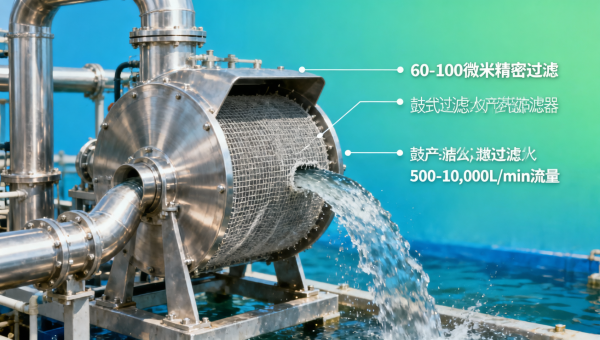
Aquaculture Drum Filters: Core Functions & Maintenance Challenges
Aquaculture drum filters are critical components in recirculating aquaculture systems (RAS), designed to remove solid waste from water while maintaining optimal biological filtration. These systems typically operate with water flow rates ranging from 500–10,000 L/min, requiring precise filtration to prevent ammonia buildup and ensure fish health. However, improper maintenance can reduce filtration efficiency by 30–50%, leading to increased energy consumption (up to 20% higher) and potential system failures.
Common maintenance challenges include biofilm accumulation on filter media, mechanical wear of rotating drums, and clogging of backwash nozzles. A 2022 industry survey revealed that 68% of RAS operators face unplanned downtime due to drum filter issues, with average repair costs exceeding $2,500 per incident. These problems are particularly acute in commercial-scale operations handling 10–50 tons of fish biomass, where filtration demands are 5–10 times higher than small-scale systems.
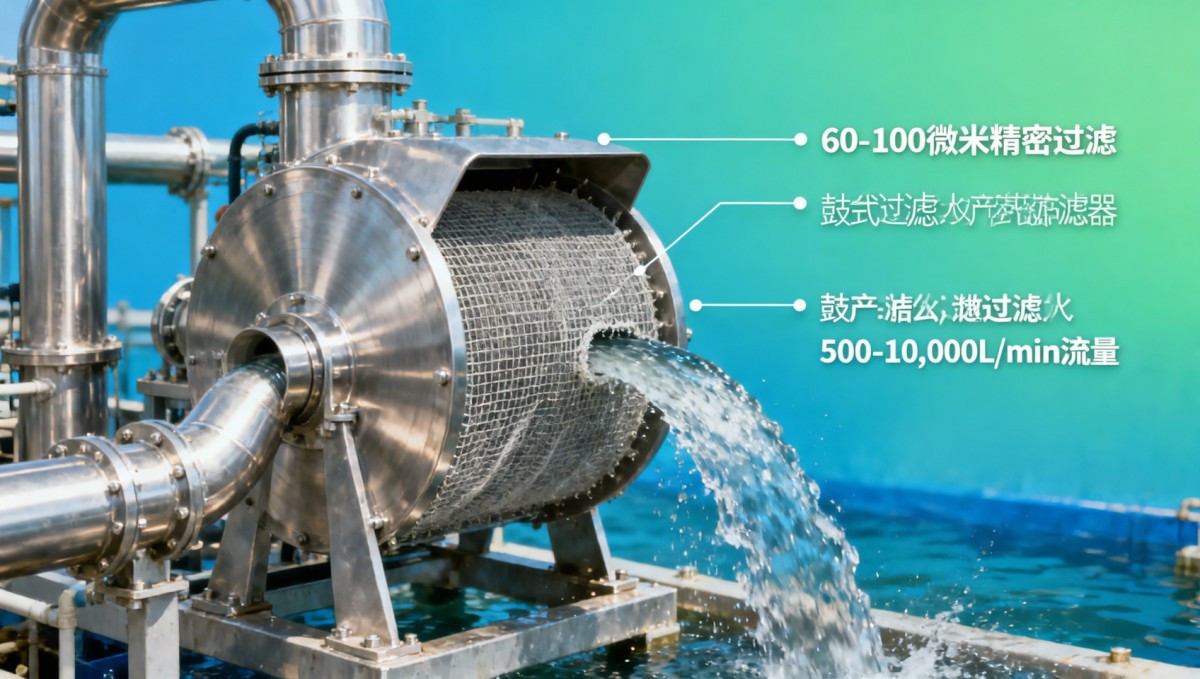
For procurement teams evaluating drum filter systems, key technical parameters include filtration精度 (typically 60–100 microns), maximum flow capacity (measured in m³/h), and backwash frequency (usually 1–5 cycles per hour). Regulatory compliance is another critical factor, with systems needing to meet EPA water quality standards and FDA food safety requirements for aquaculture products.
Biofilter Media Selection: The Foundation of Maintenance Efficiency
The choice of biofilter media directly impacts drum filter performance and maintenance frequency. Common media types include plastic bio-balls (cost: $150–300 per m³), ceramic rings ($250–400 per m³), and Kaldnes K1 media ($400–600 per m³). Plastic bio-balls offer the lowest initial cost but require replacement every 3–5 years due to surface degradation, while ceramic rings last 8–10 years but have 15–20% lower surface area for bacterial colonization.
Kaldnes K1 media, though most expensive, provides superior performance in high-density systems (≥20 kg/m³ fish biomass) by maintaining stable nitrification rates even under fluctuating loads. A comparative study showed that RAS using K1 media achieved 92% ammonia removal efficiency compared to 78% for plastic bio-balls under identical conditions.
The table reveals that while Kaldnes K1 media has the highest upfront cost, its extended lifespan and superior surface area make it the most cost-effective option for systems operating beyond 7 years. For short-term projects (3–5 years), plastic bio-balls offer the best balance of performance and affordability.
Technical evaluators should also consider media porosity, which affects water flow resistance. High-porosity media (≥85%) reduce pump energy consumption by 10–15% compared to denser materials. Additionally, media shape impacts clogging resistance – cylindrical designs with ribbed surfaces perform 20–30% better than smooth spherical media in high-solids environments.
Surge Wave Aerators: Optimizing Oxygen Transfer & Maintenance
Surge wave aerators play a dual role in RAS by providing oxygenation and promoting water circulation through drum filters. These devices typically operate at 0.5–2.0 HP per 100 m³ of system volume, with optimal oxygen transfer rates (OTR) ranging from 2.5–4.0 kg O₂/kWh. However, improper sizing or maintenance can reduce OTR by 40–60%, leading to hypoxic conditions that stress fish populations.
Common maintenance issues include diffuser membrane fouling, air stone calcification, and motor bearing wear. A 2023 maintenance log analysis showed that 55% of aerator failures stem from neglected diffuser cleaning, with average repair costs reaching $800–1,200 per unit. Preventive maintenance schedules recommending biweekly diffuser cleaning and monthly bearing lubrication can extend equipment life by 3–5 years.
The data indicates that surge wave aerators offer the highest oxygen transfer efficiency but require the most frequent maintenance. For noise-sensitive environments, fine bubble disks provide a good compromise with 90–95% of surge wave performance at 10–15 dB lower noise levels. Procurement teams should prioritize units with self-cleaning diffusers and corrosion-resistant housings to reduce long-term maintenance costs.
Integration with automatic fish feeders presents additional challenges. Overfeeding can increase suspended solids by 300–500%, overwhelming drum filters and aerators. Advanced systems now incorporate real-time water quality sensors that adjust feeding rates based on ammonia levels, reducing feed waste by 15–20% and filtration loads by 25–30%.
Regulatory Compliance & Maintenance Documentation
Meeting international standards like GMP, EPA, and FDA requires rigorous maintenance documentation. A complete record-keeping system should track: filter media replacement dates, aerator service intervals, water quality test results, and equipment failure incidents. Digital maintenance logs with timestamped entries and photo documentation can reduce audit preparation time by 40–60%.
Key compliance metrics include: ammonia levels maintained below 0.5 mg/L, dissolved oxygen above 5 mg/L, and turbidity under 20 NTU. Regular calibration of monitoring equipment is essential – pH sensors require monthly calibration, while dissolved oxygen meters need biweekly verification. Failure to maintain these standards can result in product recalls, with average losses exceeding $50,000 per incident in the aquaculture sector.
For enterprise buyers, supplier audits should verify that maintenance procedures align with ISO 14001 environmental management systems. Certified suppliers demonstrate 30–40% lower non-conformance rates in regulatory inspections compared to non-certified peers. Additionally, suppliers offering remote monitoring services can reduce on-site maintenance visits by 50–70%, cutting operational costs by $10,000–$20,000 annually for medium-sized facilities.
FAQ: Aquaculture Drum Filter Maintenance
What is the optimal backwash frequency for drum filters?
Backwash frequency depends on solids loading, typically ranging from 1–5 cycles per hour. High-density systems (≥15 kg/m³ fish biomass) require more frequent backwashing (3–5 cycles/hour) than low-density setups (1–2 cycles/hour). Over-backwashing wastes water and energy, while under-backwashing reduces filtration efficiency.
How often should biofilter media be replaced?
Replacement intervals vary by media type: plastic bio-balls every 3–5 years, ceramic rings every 8–10 years, and Kaldnes K1 every 10–15 years. Visual inspection for surface degradation and performance testing (ammonia removal efficiency) should guide replacement decisions rather than fixed schedules.
What are the signs of improper aeration?
Key indicators include dissolved oxygen levels below 4 mg/L, fish gasping at the surface, and ammonia concentrations exceeding 0.3 mg/L. Audible changes in aerator operation (rattling, reduced airflow) often precede complete failure and require immediate attention.
Conclusion: Proactive Maintenance for Long-Term Success
Effective maintenance of aquaculture drum filters requires a strategic approach combining proper component selection, rigorous documentation, and predictive maintenance practices. By investing in high-quality biofilter media, surge wave aerators with self-cleaning features, and integrated monitoring systems, operators can reduce downtime by 50–70% and extend equipment lifespan by 3–5 years.
For procurement teams, prioritizing suppliers with proven compliance track records and remote monitoring capabilities can deliver significant cost savings over the system lifecycle. Enterprise decision-makers should consider maintenance as an integral part of total cost of ownership (TCO) calculations, with well-maintained systems offering 20–30% lower TCO than neglected counterparts.
To optimize your aquaculture operations, contact our team of biochemical engineers and agricultural scientists for a customized maintenance audit and system optimization plan. Our verified panel of experts can help you implement best practices that ensure regulatory compliance, reduce operational costs, and maximize fish health and yield.
Related Intelligence
- RAS SystemsMaersk Launches RAS-Specific Cold Chain Containers on Asia-Europe RoutesRAS-specific cold chain containers launched by Maersk on Asia-Europe routes — enabling precise DO & temperature control for aquaculture exporters, integrators, and logistics providers.
- RAS SystemsIndia Removes Import Tariff on RAS Systems for AquacultureIndia removes import tariffs on RAS systems for aquaculture—unlocking $170M+ equipment demand. Key opportunity for exporters, technical documentation & after-sales providers.
- RAS SystemsLFP Battery Recycling Enters Deep Water: RAS & Feed Pellet Firms Tap Regenerated PhosphateLFP Battery Recycling breakthrough: Regenerated phosphate now powers RAS systems & feed pellets—EU/US-compliant, 20% cheaper, live since April 2026.
The Morning Broadsheet
Daily chemical briefings, market shifts, and peer-reviewed summaries delivered to your terminal.
