
How to Optimize Energy Use in Recirculating Aquaculture Systems?
Why Energy Optimization Matters in RAS Operations
Recirculating Aquaculture Systems (RAS) represent a paradigm shift in sustainable aquaculture, reducing water consumption by 90-99% compared to traditional flow-through systems. However, energy costs typically account for 30-50% of total operational expenses in commercial-scale RAS facilities. A 2023 industry report reveals that optimizing energy use can lower production costs by 18-25% while improving fish growth rates by 12-15% through stable environmental conditions.
The energy intensity stems from three core processes: water circulation (40-55% of total consumption), aeration (25-35%), and temperature control (15-25%). For example, a 1,000-ton annual capacity RAS facility requires 350-500 kW of installed power capacity, with aeration systems alone consuming 120-180 kW/h during peak operation. This creates compelling incentives for operators to adopt energy-efficient technologies.
From a supply chain perspective, energy optimization impacts multiple stakeholders. For fish farmers, it directly affects profit margins and operational sustainability. Equipment manufacturers gain competitive advantage by developing energy-saving solutions. Distributors benefit from selling certified energy-efficient systems that meet EPA and FDA regulations. Ultimately, end consumers receive higher-quality seafood produced with reduced carbon footprint.
Key Energy-Consuming Components in RAS
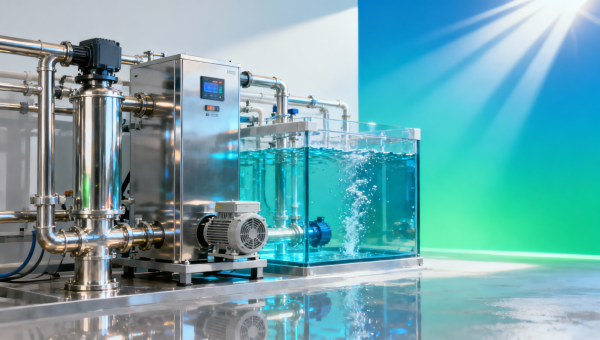
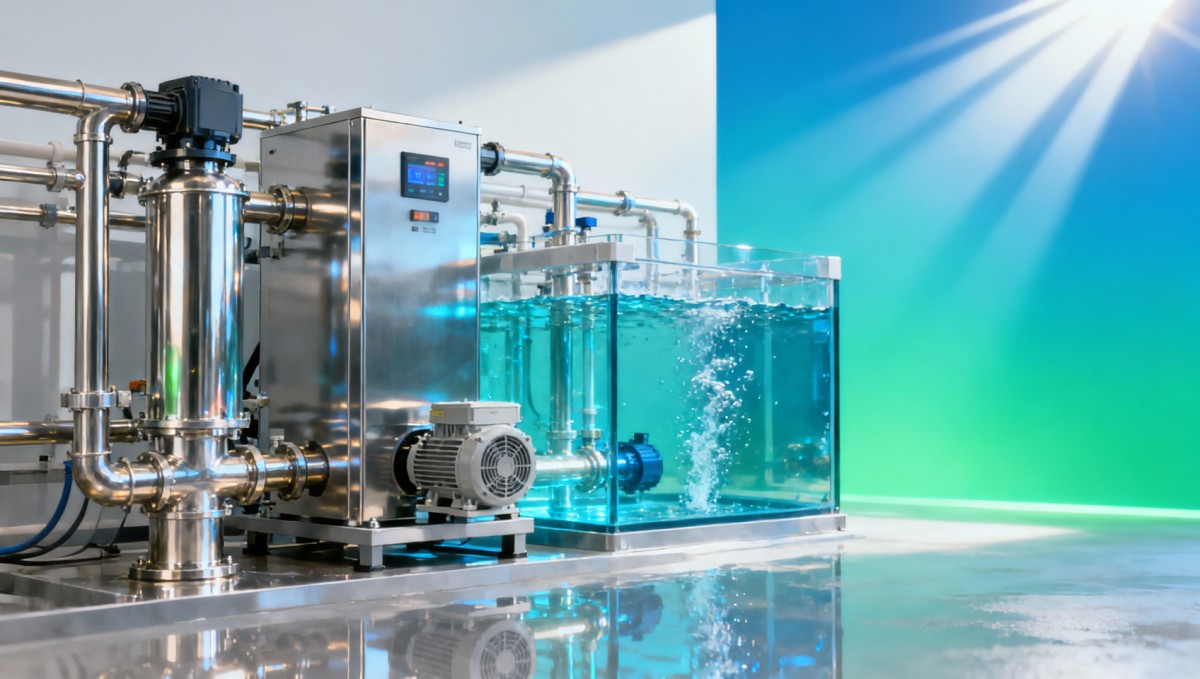
Understanding the energy distribution across RAS components enables targeted optimization. The water circulation system, comprising pumps and filtration units, typically consumes 45-50% of total energy. Aeration systems, including air compressors and diffusers, account for another 30-35%. Temperature control through heat exchangers or chillers uses 15-20%, with lighting and automation systems making up the remaining 5-10%.
A comparative analysis of traditional vs. optimized systems reveals striking differences. In conventional setups, centrifugal pumps operating at fixed speeds waste 30-40% energy during low-demand periods. By contrast, variable frequency drive (VFD) pumps adjust output based on real-time requirements, reducing energy use by 25-35%. Similarly, replacing traditional paddlewheel aerators with nano-bubble generators can cut aeration energy by 40-50% while improving dissolved oxygen transfer efficiency from 8-12% to 18-22%.
The data demonstrates that optimizing just two components—water circulation and aeration—can reduce total energy consumption by 35-42%. When combined with temperature control improvements, facilities can achieve 50-60% energy savings compared to traditional systems. This translates to annual savings of $120,000-$180,000 for a mid-sized RAS operation processing 500 tons of fish annually at $0.12/kWh electricity rates.
Advanced Technologies for Energy Optimization
Several cutting-edge technologies are transforming RAS energy efficiency. Variable frequency drives (VFD) for pumps and blowers represent the most impactful innovation, enabling precise control of motor speeds based on system demand. A VFD-equipped pump operating at 70% speed consumes only 34% of the power required at full speed, following the cube law of motor energy consumption.
Heat recovery systems offer another significant optimization opportunity. By capturing waste heat from water discharge and equipment exhaust, facilities can reduce heating costs by 60-75%. For example, a plate heat exchanger can recover 80-85% of the thermal energy from outgoing water, preheating incoming freshwater and cutting heating fuel consumption by 12-15 million BTU annually in a 1,000-ton facility.
Renewable energy integration is gaining traction, with solar photovoltaic (PV) systems becoming cost-effective for RAS operations. A 500 kW solar array can supply 40-45% of a facility's annual energy needs in regions with 1,400-1,600 annual sun hours. When combined with battery storage systems, solar power can cover 60-70% of daytime energy requirements, reducing grid dependence and exposure to volatile electricity prices.
The financial analysis shows that while renewable energy projects have longer payback periods, they offer stable energy cost reduction over their 25-30 year lifespan. In contrast, VFD and heat recovery systems provide quicker returns, making them attractive for operators seeking immediate cost savings. A combined approach often yields the best results, with VFD upgrades and heat recovery implemented first, followed by renewable energy integration as budget allows.
Implementation Strategies for Operators
Successful energy optimization requires a systematic approach combining technology upgrades with operational improvements. The first step is conducting a comprehensive energy audit to identify consumption patterns and inefficiency sources. This should include measuring power usage of individual components during different production cycles and analyzing historical utility bills to establish baseline consumption metrics.
Equipment selection plays a critical role. When purchasing new components, operators should prioritize energy efficiency ratings and total cost of ownership rather than initial purchase price. For example, a high-efficiency pump may cost 20-30% more upfront but consume 15-20% less energy, paying for itself within 2-3 years through reduced operating costs. The same principle applies to aeration systems, where nano-bubble generators with 85-90% oxygen transfer efficiency outperform traditional diffusers with 50-60% efficiency.
Operational adjustments can yield significant savings without major capital investments. Simple measures like optimizing feeding schedules to coincide with peak aeration periods, reducing water exchange rates during stable environmental conditions, and implementing nighttime setback temperatures for heating systems can collectively reduce energy use by 10-15%. These changes require minimal training for staff but need clear standard operating procedures (SOPs) to ensure consistent implementation.
- Conduct quarterly energy audits to track progress and identify new optimization opportunities
- Train staff on energy-saving practices and establish key performance indicators (KPIs) for energy use per kg of fish produced
- Invest in real-time monitoring systems to detect anomalies in energy consumption patterns
- Consider energy performance contracts with equipment suppliers that tie payments to achieved savings
- Explore government incentives and utility rebates for energy-efficient aquaculture equipment
FAQs on RAS Energy Optimization
What is the typical payback period for RAS energy optimization projects?
Payback periods vary based on project scope and local energy costs. Simple operational adjustments may show returns within 6-12 months, while equipment upgrades like VFD pumps typically pay for themselves in 1.5-3 years. Large-scale renewable energy projects have longer paybacks of 4-6 years but offer 20-30 years of cost savings thereafter.
How much can energy optimization reduce RAS operating costs?
A well-executed optimization program can reduce total energy consumption by 40-60%, translating to 15-25% lower operating costs when considering the energy component's proportion of total expenses. For a 500-ton facility, this represents annual savings of $80,000-$150,000 at $0.12/kWh electricity rates.
What certifications should RAS equipment have for energy efficiency?
Look for equipment certified by recognized standards organizations. The EU's Energy Star rating, Germany's Blue Angel, and the U.S. EPA's EnergyGuide labels provide reliable indicators of energy performance. For industrial equipment, ISO 50001 certification for energy management systems demonstrates comprehensive optimization capabilities.
Conclusion: The Path to Sustainable RAS Operations
Energy optimization in recirculating aquaculture systems represents a critical opportunity for operators to reduce costs, improve sustainability, and enhance competitiveness. By implementing advanced technologies like VFD pumps, heat recovery systems, and renewable energy integration, facilities can achieve 40-60% energy savings while maintaining optimal production conditions. These improvements not only boost profit margins but also align with global sustainability goals and regulatory requirements.
For decision-makers in the aquaculture supply chain, investing in energy-efficient RAS technologies offers multiple benefits. Manufacturers gain access to growing markets seeking sustainable solutions, distributors strengthen their product portfolios with certified efficient equipment, and end users secure long-term operational cost advantages. The AgriChem Chronicle recommends prioritizing solutions with proven energy savings, comprehensive technical support, and compliance with international standards like GMP, EPA, and FDA regulations.
To explore how energy optimization can transform your RAS operations, contact our team of aquaculture technology experts today. We provide customized assessments, equipment selection guidance, and implementation support to help you achieve your sustainability and profitability goals. Schedule a consultation to receive a detailed energy optimization roadmap tailored to your facility's specific requirements and production targets.
Related Intelligence
- RAS SystemsMaersk Launches RAS-Specific Cold Chain Containers on Asia-Europe RoutesRAS-specific cold chain containers launched by Maersk on Asia-Europe routes — enabling precise DO & temperature control for aquaculture exporters, integrators, and logistics providers.
- RAS SystemsIndia Removes Import Tariff on RAS Systems for AquacultureIndia removes import tariffs on RAS systems for aquaculture—unlocking $170M+ equipment demand. Key opportunity for exporters, technical documentation & after-sales providers.
- RAS SystemsLFP Battery Recycling Enters Deep Water: RAS & Feed Pellet Firms Tap Regenerated PhosphateLFP Battery Recycling breakthrough: Regenerated phosphate now powers RAS systems & feed pellets—EU/US-compliant, 20% cheaper, live since April 2026.
The Morning Broadsheet
Daily chemical briefings, market shifts, and peer-reviewed summaries delivered to your terminal.
