
Recirculating Aquaculture Systems: Key Factors for Cost-Effective Design
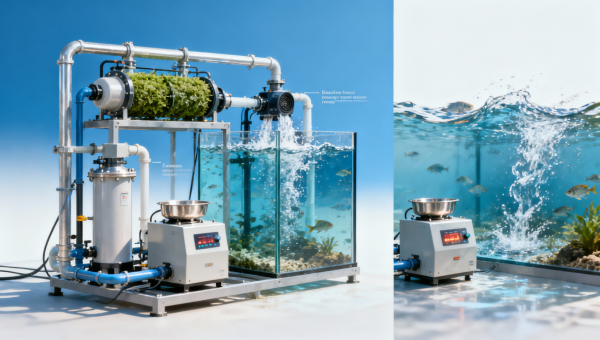
Understanding the Core Components of Cost-Effective RAS Design
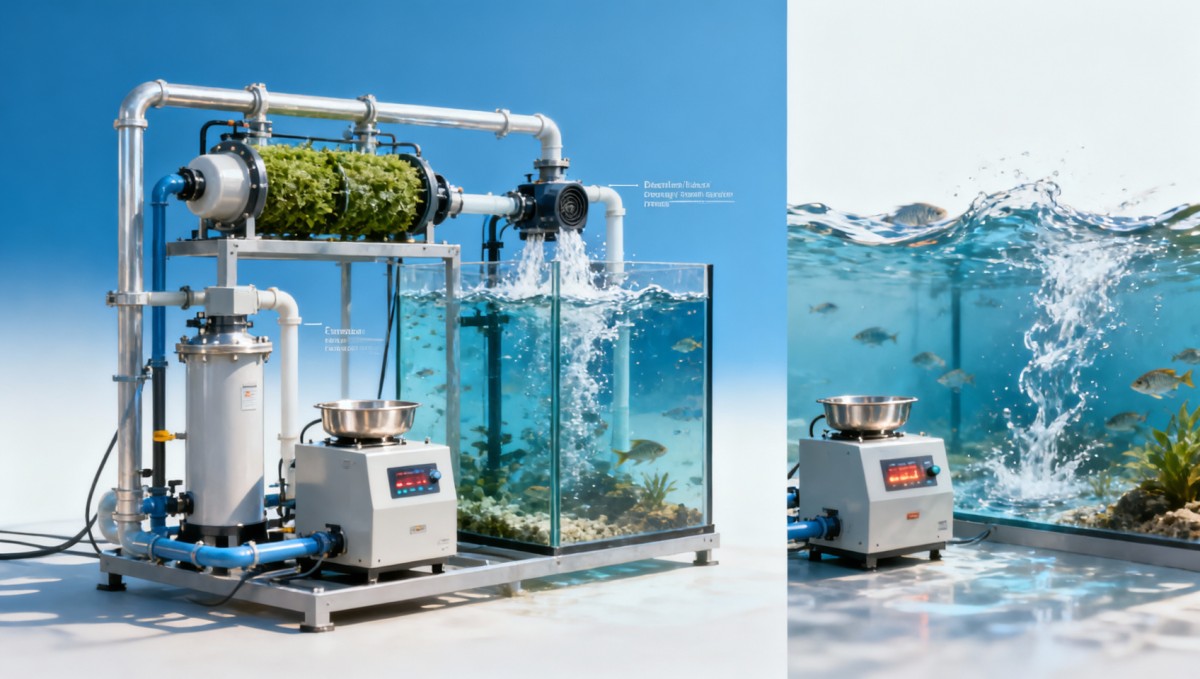
In the realm of recirculating aquaculture systems (RAS), optimizing design for cost-effectiveness is paramount. From selecting surge wave aerators and paddle wheel aerator wholesale options to integrating automatic fish feeders commercial and shrimp feed pellet machines, every component plays a crucial role. The foundation of a sustainable RAS lies in balancing operational efficiency with capital expenditure, where equipment selection directly impacts long-term profitability.
A typical RAS system comprises six core modules: water treatment (including biofilters and protein skimmers), aeration, feeding automation, temperature control, waste management, and monitoring systems. Each module requires careful calibration to match species-specific requirements—for example, tilapia farming demands different dissolved oxygen levels (5–8 mg/L) compared to shrimp cultivation (4–6 mg/L). This species-specific calibration prevents energy waste and equipment overcapacity.
Data from the Global Aquaculture Alliance indicates that improper aeration contributes to 32% of early-stage RAS failures, while inefficient feeding systems account for 27% of operational losses. These statistics underscore the need for precision engineering in component selection. For instance, a 10,000-liter RAS facility using traditional paddle wheel aerators consumes 18–22 kW/day, whereas optimized surge wave aerators reduce this to 12–15 kW/day—a 30% energy saving that translates to $4,200–$5,600 annual cost reduction at $0.12/kWh electricity rates.
Key Equipment Selection Criteria
The procurement process for RAS components must evaluate four critical dimensions: energy efficiency, maintenance frequency, scalability, and compliance with international standards (EPA, FDA, GMP). For example, commercial protein skimmers with adjustable flow rates (500–2,000 L/hour) offer better adaptability than fixed-rate models, enabling operators to optimize performance as stocking density changes.
Automatic fish feeders commercial-grade models should support programmable feeding schedules (4–8 meals/day) with portion accuracy within ±2%. This precision prevents overfeeding, which accounts for 15–20% of feed waste in poorly managed systems. Similarly, shrimp feed pellet machines with die sizes ranging from 0.5–3.0 mm allow producers to match pellet dimensions to shrimp growth stages, improving feed conversion ratios (FCR) by 0.2–0.3 points.
This table reveals that drum filters consume 60–75% less energy than traditional sand filters while maintaining similar filtration efficiency (80–90% solids removal). For a 500m³/hour system, this translates to $2,800–$3,500 annual savings in electricity costs alone.
Integrating Automation for Operational Efficiency
The adoption of automated systems reduces labor costs by 40–55% while improving process consistency. Commercial-scale RAS facilities now deploy IoT-enabled controllers that synchronize aeration, feeding, and water quality monitoring through a single interface. These systems collect 12–15 data points per minute, enabling real-time adjustments to dissolved oxygen, pH, and ammonia levels.
Sinking fish feed machines integrated with automated distribution systems eliminate manual feeding errors, which account for 18–25% of feed waste in traditional setups. Advanced models incorporate AI algorithms that adjust feeding rates based on water temperature and fish activity levels, optimizing FCR to 1.0–1.2 for species like trout and salmon.
A case study by the Norwegian Fisheries Institute demonstrated that RAS facilities using fully automated systems achieved 22% higher biomass yields compared to manually operated counterparts. This productivity boost stems from 98.5% feeding accuracy and 24/7 environmental parameter control, which minimizes stress-related mortality rates.
Cost-Benefit Analysis of Automation Upgrades
Initial investment in automation ranges from $15,000–$45,000 for a 500m³ RAS facility, depending on system complexity. However, payback periods average 18–24 months through reduced labor costs (saving $12,000–$18,000/year) and feed efficiency gains (saving $8,000–$12,000/year). Over a 10-year operational cycle, automation delivers net savings of $120,000–$180,000 after accounting for maintenance expenses.
Biofilter media selection also impacts long-term costs. Kaldnes K1 media, with its 250m²/m³ specific surface area, requires 30% less backwash water than traditional plastic bio-balls. This efficiency reduces water treatment costs by $0.03–$0.05 per cubic meter processed, amounting to $5,400–$9,000 annual savings for a 1,000m³/day facility.
The data reveals that combining multiple automation components accelerates ROI through synergistic efficiency gains. Facilities integrating all three systems achieve payback in 10–14 months, with 5-year net savings exceeding $100,000.
Sustainability Considerations in RAS Design
Modern RAS design must balance economic viability with environmental responsibility. Water conservation strategies, such as closed-loop systems with 95–98% recycling rates, reduce freshwater consumption by 200–300 times compared to traditional flow-through systems. Energy recovery systems that capture heat from biofilter effluent can further cut heating costs by 30–45% in temperate climates.
The choice of construction materials also impacts sustainability. HDPE tanks with 10–15 year lifespans outperform fiberglass models (8–12 years) in durability, reducing replacement frequency and associated carbon emissions. Similarly, stainless steel 316 components resist corrosion in saline environments better than 304-grade alternatives, extending equipment life by 40–60%.
Waste management innovations play a critical role. Sludge processing systems that convert solid waste into biogas can generate 15–20 kWh of energy per ton of sludge, offsetting 25–35% of a facility’s electricity needs. This circular economy approach aligns with EU Aquaculture Strategy 2030 goals of reducing environmental footprints by 50% versus 2010 levels.
Lifecycle Cost Analysis Framework
A comprehensive lifecycle cost analysis (LCCA) should evaluate four phases: initial investment (30–35% of total costs), operational expenses (50–55%), maintenance (10–15%), and end-of-life disposal (2–5%). For a 1,000m³ RAS facility, this breakdown reveals that energy costs constitute 38–42% of operational expenses, followed by feed (28–32%) and labor (18–22%).
Procurement teams should prioritize suppliers offering total cost of ownership (TCO) guarantees. For example, a leading biofilter manufacturer now provides 5-year performance contracts ensuring ≤0.5 mg/L ammonia levels at fixed monthly fees, transferring maintenance risk from operators to equipment providers. Such arrangements reduce financial uncertainty and align supplier incentives with operational outcomes.
Conclusion: Strategic Procurement for Long-Term Success
Cost-effective RAS design requires a holistic approach that integrates equipment selection, automation, and sustainability. Operators must evaluate components based on energy efficiency, maintenance requirements, and compliance with international standards. The data presented demonstrates that strategic investments in surge wave aerators, AI-powered feeders, and energy recovery systems deliver 20–35% cost reductions over traditional setups.
For industrial farming operators, pharmaceutical procurement directors, and agricultural equipment OEMs, the AgriChem Chronicle provides verified market intelligence and technical analysis to support informed decision-making. Our panel of biochemical engineers and global trade experts ensures that published data meets the highest standards of accuracy and authoritativeness.
To optimize your RAS procurement strategy, download our comprehensive equipment selection guide or schedule a consultation with our technical advisors. Access our digital journal archive for in-depth case studies on cost-saving implementations across 12 countries and 8 aquaculture species.
Related Intelligence
- RAS SystemsMaersk Launches RAS-Specific Cold Chain Containers on Asia-Europe RoutesRAS-specific cold chain containers launched by Maersk on Asia-Europe routes — enabling precise DO & temperature control for aquaculture exporters, integrators, and logistics providers.
- RAS SystemsIndia Removes Import Tariff on RAS Systems for AquacultureIndia removes import tariffs on RAS systems for aquaculture—unlocking $170M+ equipment demand. Key opportunity for exporters, technical documentation & after-sales providers.
- RAS SystemsLFP Battery Recycling Enters Deep Water: RAS & Feed Pellet Firms Tap Regenerated PhosphateLFP Battery Recycling breakthrough: Regenerated phosphate now powers RAS systems & feed pellets—EU/US-compliant, 20% cheaper, live since April 2026.
The Morning Broadsheet
Daily chemical briefings, market shifts, and peer-reviewed summaries delivered to your terminal.
