
How to Choose Aquaculture Accessories That Actually Last
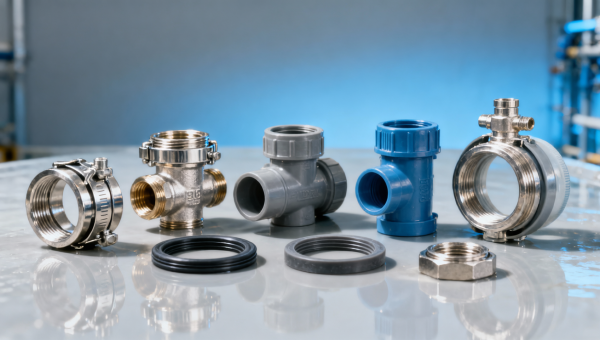
Choosing aquaculture accessories that actually last is not just about price—it is about durability, compliance, and long-term operational efficiency. For buyers evaluating aquaculture utilities and aquaculture hardware, the right decision also depends on material standards, maintenance demands, and supplier credibility. In complex industrial environments shaped by biochemical processing and global sourcing, even sectors linked to Chemical Synthesizers or commercial food packaging machine procurement require the same disciplined approach to reliability.
What makes aquaculture accessories last in real operating conditions?
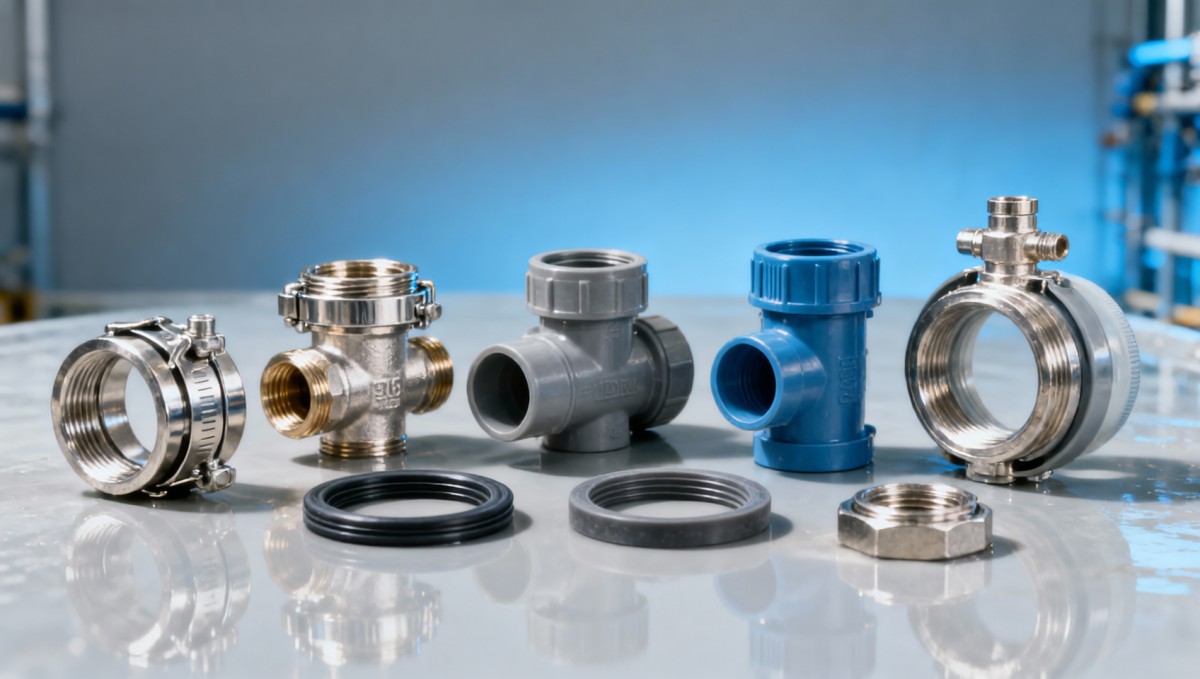
In industrial aquaculture, service life is usually determined by 4 linked variables: material resistance, load profile, cleaning frequency, and exposure to water chemistry. Accessories that perform well in a catalog can fail early when exposed to salt, UV, suspended solids, disinfectants, and continuous vibration for 12–24 hours per day.
This is why durable aquaculture accessories should be assessed as working components, not isolated items. A hose clamp, net frame, diffuser fitting, valve body, cable connector, or feeder bracket may look minor, yet each one affects uptime, labor input, and animal welfare. Small hardware failures often trigger larger maintenance cycles across pumps, aeration lines, cages, or recirculation systems.
For operators and technical evaluators, the first question is not “What is the cheapest option?” but “What survives the actual duty cycle?” In freshwater hatcheries, the stress profile differs from offshore cages or biofloc tanks. A component suitable for indoor use at stable temperatures may degrade quickly in outdoor systems with seasonal swings, frequent washdown, and chemical contact.
For procurement teams and project managers, durability also has a financial meaning. A part that costs 15%–25% more upfront may still reduce total ownership cost if it lowers replacement frequency from every 6 months to every 18–24 months under comparable service conditions. That is the difference between a purchase price decision and a lifecycle decision.
The 5 durability signals buyers should verify first
- Base material suitability: stainless steel grade, engineering plastic type, elastomer compatibility, and whether the material fits freshwater, brackish, or marine exposure.
- Joint and fastening quality: weak welds, thin hinges, and low-grade fasteners often fail before the main component body.
- Maintenance interval: inspect whether the supplier provides realistic replacement or inspection cycles such as monthly, quarterly, or every 1,000 operating hours.
- Environmental compatibility: exposure to UV, ozone, salinity, biofouling, and sanitizing chemicals should be matched with documented material resistance.
- Traceability and documentation: batch records, material declarations, and test references matter more in regulated B2B procurement than generic claims.
For ACC readers across aquaculture, chemicals, and primary processing, this approach is familiar. The same discipline used when qualifying process equipment, feed handling systems, or fine chemical inputs also applies to aquaculture hardware: define the operating environment, screen the failure points, and compare vendors on evidence rather than brochure language.
Which materials and design choices reduce early failure?
Material selection is the most common source of hidden procurement risk. In aquaculture accessories, the difference between acceptable and poor longevity often comes down to corrosion resistance, creep under load, impact strength, and cleaning tolerance. This is especially important in systems that run continuously and cannot afford unplanned shutdowns during feeding, oxygenation, or grading cycles.
Marine and brackish environments typically demand more careful selection than closed indoor freshwater systems. Salt exposure accelerates corrosion in low-grade metals, while sunlight and weathering can embrittle inferior plastics within 12–36 months. In contrast, appropriately selected polymers and marine-grade metals can keep dimensional stability and structural integrity over much longer maintenance cycles.
Design details matter as much as raw material. Rounded edges reduce net abrasion. Reinforced ribs improve stiffness in molded parts. Sealed connectors limit moisture ingress. Replaceable wear inserts can extend the useful life of frames and mounts. For quality managers, these features are easier to audit than vague promises about “heavy-duty construction.”
The table below summarizes common material choices used in aquaculture accessories and how they should be evaluated under practical operating conditions. It is not a brand ranking; it is a screening tool for technical assessment and sourcing discussions.
The key takeaway is that no single material is “best” across all applications. The right choice depends on salinity, temperature range, mechanical load, and sanitation practice. When technical teams compare aquaculture accessories, they should ask for the material specification and intended use range, not just the generic product name.
How design details influence service life
Focus on wear points, not just the main body
In many field failures, the problem is not the tank fitting or support frame itself but the hinge, clamp, threaded insert, or cable gland. A smart review includes at least 3 checks: where the part bears load, where it flexes repeatedly, and where water or residue can accumulate. These areas usually define the real replacement interval.
Ask whether replacement parts are modular
Accessories with modular wear parts can shorten repair windows from several days to a few hours. For operations that feed stock on fixed schedules or maintain oxygen transfer targets, this matters more than cosmetic design. Spare part availability within 7–15 days is often more valuable than a low initial quote followed by long downtime.
How should procurement teams compare aquaculture accessories?
B2B buyers rarely select aquaculture hardware on technical grounds alone. Procurement must balance capex, expected life, installation compatibility, documentation quality, and supplier responsiveness. Financial approvers want predictable maintenance cost. Operators want fewer emergency replacements. Quality and safety teams want traceability and reduced contamination or injury risk.
A practical sourcing framework usually includes 5 evaluation categories: material and build, operating fit, compliance documentation, after-sales support, and total ownership cost. This framework also works well in adjacent sectors such as food processing equipment, agricultural machinery, and chemical handling systems, where accessory failure can interrupt larger production lines.
If two suppliers look similar on price, compare what is actually included. One quotation may cover packaging, spare seals, installation instructions, and batch traceability, while another may only include the base item. Differences like these become critical when managing multi-site projects or international shipments with 2–4 week planning windows.
The following procurement comparison table can help technical buyers, project leads, and finance reviewers align on what “lasting value” means in operational terms.
This comparison method helps teams move beyond single-line pricing. In many cases, the supplier with the lowest headline cost becomes the highest-cost option after repeat failures, shipping delays, or incompatible replacements. Strong procurement decisions connect technical evidence to operational consequences and budget exposure.
A 4-step buying process that reduces mistakes
- Map the use case: define water type, continuous or intermittent duty, cleaning chemicals, and expected service interval.
- Screen technical fit: verify dimensions, load, temperature range, and connection standards before requesting final pricing.
- Review supplier evidence: ask for drawings, material details, inspection practice, and spare part policy.
- Compare lifecycle cost: estimate replacement frequency over 12, 24, and 36 months rather than using unit price alone.
For cross-functional teams, this 4-step method creates a common language between engineering, operations, finance, and compliance. It is especially useful when sourcing across borders, where inconsistent documentation can make two apparently identical aquaculture accessories very different in risk profile.
What standards, documentation, and quality checks matter most?
Not every aquaculture accessory needs a complex regulatory file, but most serious industrial purchases should still include enough documentation to confirm material suitability, manufacturing consistency, and application fit. In regulated supply chains, weak documentation slows approval, complicates quality review, and creates avoidable risk during installation and operation.
For quality control and safety teams, the goal is usually practical rather than bureaucratic. They need to know what the part is made of, whether it is appropriate for contact or proximity to process water, how it should be installed, and what inspection interval is recommended. In some cases, environmental and food-related process expectations may also influence material screening.
In ACC’s editorial domains, from aquaculture systems to fine chemical handling, buyers increasingly expect supply chain transparency. That does not mean every vendor must provide the same file set, but it does mean buyers should request a minimum evidence package before approving repeat purchases or including a supplier in a long-term project framework.
A useful review often includes 6 core items. These are not exotic requirements; they are practical checkpoints that improve decision quality and reduce field disputes after delivery.
Minimum documentation checklist for technical and procurement review
- Material specification or declaration identifying metal grade, polymer family, or seal material used in the accessory.
- Dimensional drawing or installation reference confirming interface sizes, tolerances, and mounting points.
- Operating guidance covering load, environmental exposure, cleaning limitations, and inspection frequency.
- Batch or production traceability suitable for complaint handling and repeat-order consistency.
- Packaging and shipment protection details, especially for long-distance or humid transit routes lasting 2–6 weeks.
- Spare part and after-sales support policy, including which components are replaceable and typical response time.
Where relevant, buyers may also review general alignment with recognized frameworks such as GMP-minded documentation habits, environmental handling expectations, or food and water safety considerations. The point is not to force unrelated compliance language onto every accessory. The point is to confirm that the supplier can support disciplined industrial purchasing and accountable after-sales service.
Common documentation gaps that signal risk
Be cautious when a supplier can only provide commercial photos, generic descriptions, and informal performance claims. The absence of basic material or installation information often leads to incorrect substitution, field modification, or premature wear. For project managers working to fixed commissioning dates, those issues can delay startup far more than a modest increase in purchase price.
Where do buyers make the biggest mistakes, and how can they avoid them?
The most common mistake is assuming all aquaculture accessories are low-risk consumables. In reality, many “small” components sit in high-consequence positions: water movement, aeration support, feeding control, sensor protection, cage stability, or operator safety. If these components fail, the result may be stock stress, labor overruns, sanitation problems, or emergency stoppages.
Another frequent error is buying only by short-term budget. Finance teams understandably monitor capex, but a narrow price comparison can overlook hidden opex. Replacing a lower-grade accessory three times in 18 months, plus freight and labor, can cost more than one correctly specified item. This is especially true when site access is difficult or when replacement must occur during narrow operating windows.
A third mistake is failing to align users and decision-makers. Operators may know which fittings loosen under vibration or which brackets crack during washdown, yet their observations never reach procurement templates. The result is repeated purchase of parts that are “approved” on paper but problematic in daily use.
The remedy is structured review. Before finalizing an order, teams should confirm 3 things: actual operating stress, maintenance burden, and supplier support. When these are documented clearly, decision-making becomes faster and less subjective.
FAQ: practical questions buyers ask before placing an order
How do I know whether an accessory is suitable for marine aquaculture?
Check the declared material, fastener grade, UV resistance, and expected maintenance interval. Marine exposure is harsher than indoor freshwater use, so ask specifically about corrosion behavior, seal performance, and whether the part is intended for continuous outdoor duty. If the supplier cannot define the use environment, treat that as a sourcing risk.
What lead time is normal for aquaculture accessories?
Common lead times vary by complexity and sourcing route. Standard items may ship within 7–15 days, while customized assemblies or imported components may require 2–6 weeks. Buyers should also ask whether spare parts follow the same lead time, because a short initial delivery window does not always guarantee quick replacement support.
Should I standardize accessories across multiple sites?
Usually yes, but only after confirming that the duty conditions are comparable. Standardization can reduce spare inventory, speed training, and simplify quality control. However, if one site operates in saltwater and another in indoor recirculation, identical accessories may not be the best choice. Standardize by performance class, not by appearance alone.
What is the safest way to compare low-cost alternatives?
Use a side-by-side review of material, design features, documentation, and expected replacement cycle over 12–24 months. If a lower-cost option lacks traceability, spare support, or environmental fit, it should not be treated as an equivalent substitute. Low price is only meaningful when the use conditions are truly matched.
Why work with a specialist intelligence partner before final selection?
When aquaculture procurement overlaps with biochemical processing, environmental compliance, international sourcing, and engineering review, accessory selection becomes more than a product search. It becomes a decision about operational reliability and supply chain confidence. That is where a sector-focused intelligence partner adds value.
AgriChem Chronicle supports decision-makers across aquaculture, primary industries, and fine chemicals by connecting technical context with procurement judgment. Our editorial strength lies in evaluating industrial claims critically, translating specialist data into buying relevance, and helping institutional readers understand how material choice, documentation, compliance, and service risk interact in real projects.
If your team is screening aquaculture accessories, aquaculture utilities, or related hardware for a hatchery, cage farm, recirculating system, feed-handling line, or integrated processing facility, we can help you frame the right questions before commitment. That includes parameter confirmation, material screening, replacement-cycle comparison, documentation review, supplier shortlist logic, and typical delivery-window considerations.
Contact ACC if you need support comparing specifications, assessing supplier credibility, clarifying certification expectations, mapping spare-part strategy, or preparing a more defensible internal approval case for procurement and finance. The earlier these issues are addressed, the easier it is to avoid avoidable failures, rushed substitutions, and high-cost maintenance surprises later.
Related Intelligence
- RAS SystemsSASO Accelerates RAS Systems Local Certification for Chinese FirmsSASO accelerates RAS systems local certification for Chinese firms—leverage CNAS & ISO 22000 to skip retesting and get VOC in 7 days!
- RAS SystemsSASO Streamlines RAS Systems VOC for Chinese ExportersSASO Streamlines RAS Systems VOC for Chinese exporters: Get mandatory Saudi VOC in just 12 days with CNAS testing & ISO 22000 — faster clearance, smarter compliance.
- RAS SystemsWhich Aquaculture Hardware Is Worth Buying First?Aquaculture accessories and aquaculture utilities worth buying first: discover aquaculture hardware that boosts water quality, uptime, and compliance for faster, safer farm growth.
The Morning Broadsheet
Daily chemical briefings, market shifts, and peer-reviewed summaries delivered to your terminal.
