
Aquaculture Utilities: What Matters Most in Daily Operation?
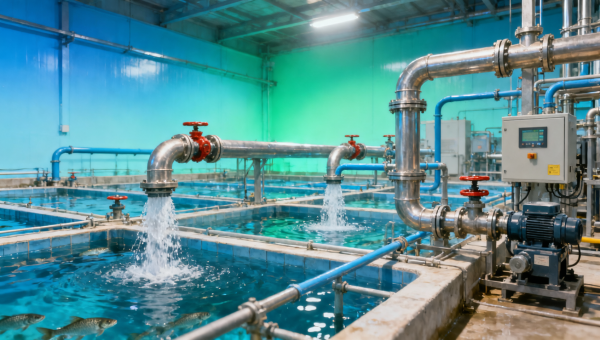
In daily aquaculture operation, the real performance gap often comes down to the right aquaculture utilities, reliable aquaculture accessories, and durable aquaculture hardware. For operators, technical evaluators, and procurement teams, understanding how these systems connect with compliance, efficiency, and even upstream biochemical processing is essential to controlling risk, cost, and long-term output.
For most commercial farms, what matters most is not any single device, but whether the full utility backbone can keep water quality, oxygen delivery, circulation, power stability, dosing, and waste handling within predictable limits every day. When utilities are undersized, poorly integrated, or hard to maintain, farms face the same pattern of losses: unstable growth, avoidable mortalities, higher labor intensity, compliance exposure, and rising operating cost. For decision-makers, the practical question is simple: which utility systems most directly protect output, biosecurity, and return on investment?
What matters most in daily aquaculture operation?
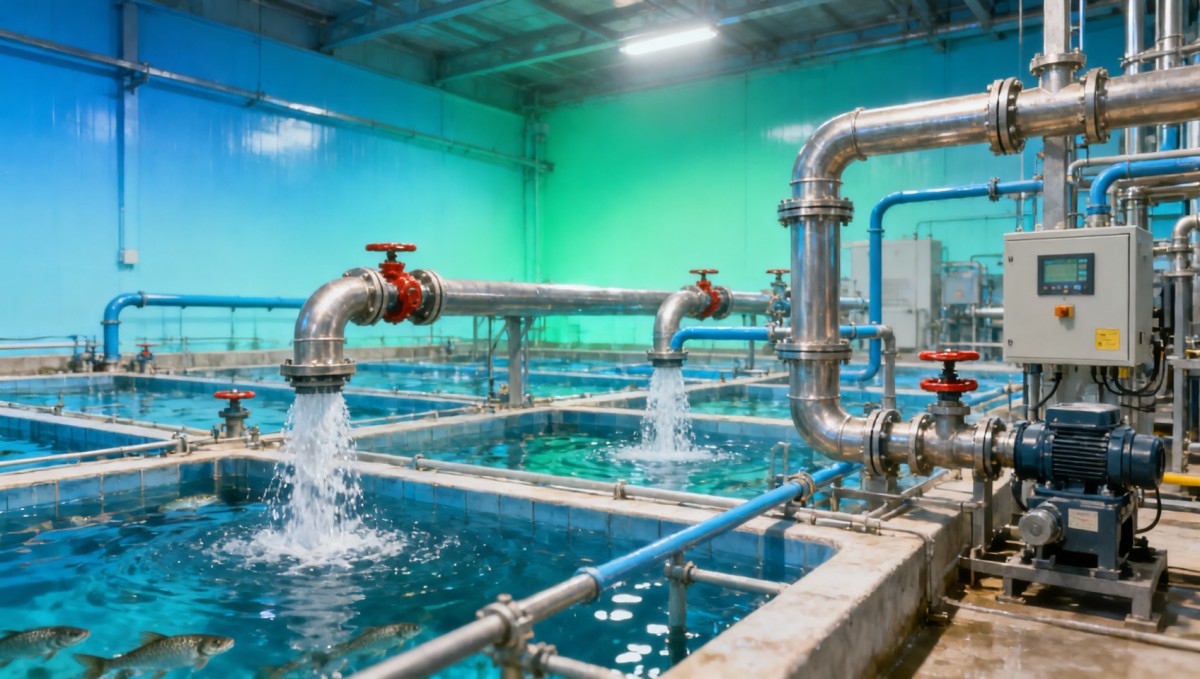
The short answer is operational stability. In intensive and semi-intensive aquaculture, daily performance depends on whether core utilities can maintain consistent environmental control under real production conditions, not just in ideal design specifications. The most critical systems usually include water intake and distribution, aeration or oxygenation, pumping, filtration, drainage, temperature control where required, electrical supply, monitoring, and backup infrastructure.
For operators, the priority is reliability and ease of maintenance. For technical evaluators, it is system fit, redundancy, and measurable performance. For procurement teams, it is lifecycle cost, spare parts availability, supplier credibility, and compliance alignment. For enterprise leaders and financial approvers, it is whether utility investment reduces biological risk and improves yield predictability.
In other words, the best aquaculture utilities are the ones that keep daily production within control limits with the least interruption, the lowest avoidable cost, and the strongest readiness for inspection, scaling, and long-term asset use.
Which utility systems have the biggest impact on farm performance?
Not all utility categories carry equal operational weight. In most farms, five areas drive the majority of daily outcomes.
1. Water movement and exchange
Pumps, valves, pipelines, channels, and distribution controls form the hydraulic backbone of an aquaculture system. If flow rates are unstable, water turnover becomes uneven, solids accumulate, dissolved oxygen shifts between units, and treatment efficiency drops. Even strong biological performance can deteriorate quickly when hydraulic consistency is lost.
Technical teams should evaluate actual duty conditions, head loss, corrosion resistance, seal durability, and service access. Procurement should not compare pump price alone; it should compare pump efficiency, expected service interval, critical spare availability, and compatibility with the wider system.
2. Aeration and oxygen delivery
Few utility failures affect stock faster than oxygen instability. Whether the farm uses paddlewheel aerators, diffusers, blowers, pure oxygen systems, or hybrid approaches, oxygen delivery must match biomass density, species sensitivity, and seasonal loading. Undersized aeration systems often appear acceptable during normal periods but fail under heat stress, feed peaks, algal swings, or power interruptions.
What matters daily is not nameplate capacity, but real oxygen transfer under farm conditions. Operators should pay close attention to placement, fouling tendency, maintenance burden, and emergency response time.
3. Filtration and solids management
In recirculating aquaculture systems and more controlled grow-out environments, filtration is directly tied to fish or shrimp health, feed conversion, and cleaning labor. Mechanical filtration, biological treatment, sludge removal, and drain design need to work as a coordinated process. Weak solids management increases organic load, raises disease pressure, and can interfere with downstream water treatment or discharge compliance.
Quality evaluators should focus on cleanability, material resistance, operational tolerance, and how easily the system handles fluctuating waste loads.
4. Power supply and backup readiness
Electricity is often the hidden utility that determines whether all other systems function as intended. Pumps, blowers, feeders, sensors, and control platforms all depend on stable supply. A farm with strong hardware but weak backup design remains vulnerable. Generator sizing, transfer response, cable protection, moisture resistance, and alarm reliability are not secondary details; they are daily risk controls.
5. Monitoring, controls, and dosing support
Modern aquaculture increasingly depends on instrumentation for dissolved oxygen, pH, temperature, salinity, oxidation-reduction potential, ammonia indicators, and chemical dosing support. These tools are most valuable when they reduce reaction time and improve decision quality. Poor calibration practices or unreliable sensors can create false confidence, which is often more dangerous than having no automation at all.
How should buyers evaluate aquaculture accessories and hardware beyond basic specifications?
Many farms underperform not because they lack major equipment, but because supporting aquaculture accessories and aquaculture hardware were chosen as low-priority items. Connectors, brackets, clamps, nozzles, hose assemblies, diffusers, fasteners, seals, cable protection components, and sensor housings can materially affect uptime, hygiene, and maintenance frequency.
When evaluating these components, buyers should ask practical questions:
- Will this hardware tolerate salt, humidity, UV exposure, and chemical cleaning?
- Can operators replace it quickly with common tools?
- Does the accessory create hidden leak points, dead zones, or contamination traps?
- Are spare parts standardized across the site?
- Will this item still be available in 12 to 24 months?
- Does the supplier provide documentation, material data, and service guidance?
In procurement reviews, low-cost hardware often becomes high-cost hardware once failure rates, labor burden, and production interruptions are considered. Durable, standardized accessories typically generate value through reduced downtime, easier maintenance planning, and lower emergency replacement frequency.
What do operators and project teams need to check in day-to-day use?
For execution teams, the value of utilities is proven in routine operation. A useful assessment framework includes the following daily or weekly checks:
Flow and pressure consistency
Small deviations in line pressure or tank flow can signal blockage, wear, seal degradation, air ingress, or pump inefficiency. Detecting these changes early prevents broader instability.
Oxygen performance under peak load
Teams should review not only average dissolved oxygen, but the lowest points during feeding, warm afternoons, biomass concentration, and weather stress. This reveals whether the utility design has enough real-world margin.
Cleaning and biofouling behavior
Equipment that is technically effective but difficult to clean often loses value quickly. Biofouling, scale, and sludge accumulation can reduce transfer efficiency and increase contamination risk.
Response time in failures
How long does it take to identify a fault, access the failed part, and restore operation? Farms should measure maintainability, not assume it.
Parts compatibility
Mixed hardware standards across different units increase inventory complexity and delay repairs. Standardization improves operational control.
Safety and compliance exposure
Electrical protection, chemical handling interfaces, drainage integrity, and worker access should be reviewed continuously. Safety weaknesses often first appear as maintenance inconvenience before becoming serious incidents.
How do utilities affect compliance, quality control, and enterprise risk?
Aquaculture utility decisions are no longer only engineering decisions. They increasingly influence environmental compliance, food safety controls, worker safety, audit readiness, and reputational risk. If the business operates in export-oriented or highly regulated markets, utility traceability and design discipline matter even more.
For quality and safety managers, the key issue is control. Can the farm document water treatment performance, equipment maintenance, chemical dosing behavior, and emergency response capability? If not, even a productive farm may face commercial or regulatory limitations.
This is also where upstream biochemical handling can intersect with aquaculture operations. Dosing systems, sanitation chemicals, water treatment agents, bio-extract inputs, and feed-linked additives all require stable delivery conditions and documented control. Utility reliability therefore supports not only biological output, but also broader process assurance across the site.
What makes a utility investment financially sound?
Financially sound utility selection is based on lifecycle value, not purchase price alone. A stronger utility package often costs more upfront but delivers lower total cost through reduced mortality risk, less labor-intensive maintenance, lower energy consumption, fewer emergency shutdowns, and better production consistency.
For finance approvers and senior management, the most useful evaluation factors include:
- Expected impact on survival rate and growth consistency
- Energy efficiency under actual operating load
- Maintenance labor hours per month
- Spare parts cost and lead time
- Probability and cost of unplanned downtime
- Asset lifespan in the farm’s environmental conditions
- Scalability for future capacity expansion
A practical procurement model compares three scenarios: lowest upfront cost, balanced cost-performance, and reliability-first investment. In many commercial settings, the balanced or reliability-first option outperforms the cheapest option within a short operating horizon.
How can procurement teams choose the right supplier or solution partner?
Supplier choice matters almost as much as product choice. In aquaculture, a technically acceptable product can still become a poor investment if the supplier lacks application knowledge, documentation discipline, or after-sales responsiveness.
Buyers should prioritize suppliers that can demonstrate:
- Relevant experience in aquaculture or adjacent wet-process industries
- Clear technical specifications tied to operating conditions
- Material and compliance transparency
- Installation and maintenance guidance
- Spare parts support and realistic lead times
- Failure case handling and warranty clarity
- Ability to support scale-up or system integration
For large farms and industrial buyers, pilot validation or phased deployment is often the best risk-control strategy. It allows teams to verify efficiency, durability, maintenance needs, and operator usability before committing to full rollout.
Final takeaway: daily utility performance is a business control issue, not just a technical detail
When asking what matters most in daily aquaculture operation, the answer is clear: dependable utilities that keep biology, labor, safety, and compliance under control every day. The strongest aquaculture utilities are those that maintain stable water and oxygen conditions, support fast maintenance, integrate with monitoring and dosing requirements, and hold up under real farm stress.
For operators, this means easier control and fewer disruptions. For technical evaluators, it means measurable system fit and lower failure risk. For procurement and finance teams, it means better lifecycle economics. For business leaders, it means stronger output predictability and a more resilient operation.
In practice, the farms that perform best are rarely the ones with the most equipment. They are the ones with the right aquaculture accessories, the right aquaculture hardware, and a utility strategy built around reliability, maintainability, and long-term operational value.
Related Intelligence
- Aeration & Water Tech2026 Shanghai Fastener Show Focuses on Aeration & Water Tech2026 Shanghai Fastener Show highlights corrosion-resistant, IP68-rated fasteners for aeration & water tech—key for aquaculture and offshore infrastructure buyers.
- Aeration & Water TechAquaculture Utilities: What Matters Most in Daily Operation?Aquaculture utilities, aquaculture accessories, and aquaculture hardware shape daily farm stability. Discover how reliable systems, biochemical processing support, and smart sourcing reduce risk and improve ROI.
- Aeration & Water TechHelium Price Up 35.2% MoM; Aeration Equipment Makers Test Ar/N2 SubstitutesHelium price up 35.2% MoM—Aeration equipment makers rush to validate Ar/N2 substitutes for CE/UL-compliant calibration in RAS & aquaculture systems.
The Morning Broadsheet
Daily chemical briefings, market shifts, and peer-reviewed summaries delivered to your terminal.
