
Which Aquaculture Hardware Is Worth Buying First?
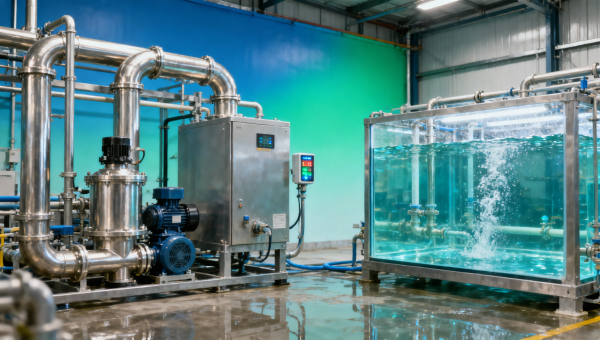
For buyers evaluating aquaculture hardware, the smartest first investments are the aquaculture accessories and aquaculture utilities that protect uptime, water quality, and compliance from day one. In capital-intensive operations shaped by biochemical processing standards and procurement scrutiny, choosing the right hardware early can reduce risk, improve output, and create a stronger foundation for scalable aquaculture performance.
That question matters across hatcheries, recirculating aquaculture systems, pond-based farms, shrimp facilities, and integrated processing sites. Operators want stable dissolved oxygen, project managers want predictable installation, procurement teams want durable components with traceable materials, and financial approvers want the fastest return on limited capital. The first hardware purchases should therefore focus less on visible size and more on operational leverage.
In most commercial environments, the best first-buy items are not always the largest tanks or the highest-horsepower pumps. They are the supporting aquaculture hardware categories that reduce avoidable failure: aeration systems, water transfer pumps, filtration modules, monitoring and control devices, backup power interfaces, and corrosion-resistant pipework and fittings. These categories influence survival rate, feed conversion, labor intensity, and audit readiness within the first 30 to 90 days of operation.
Start with Hardware That Protects Water Quality and Daily Uptime
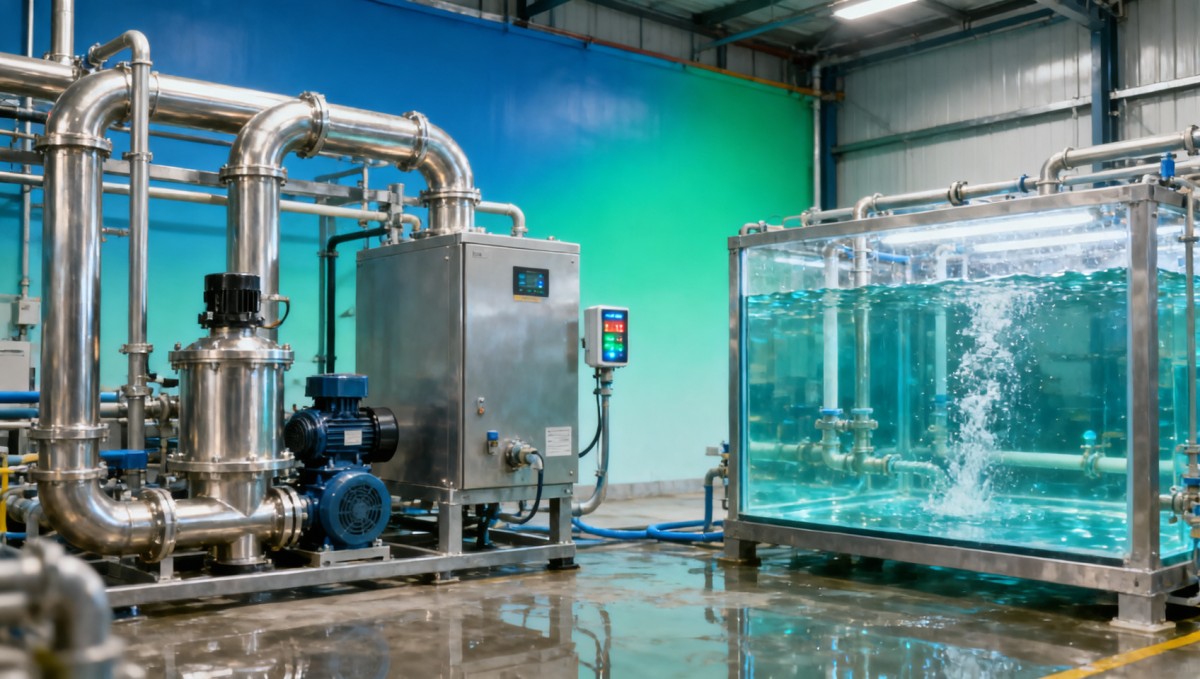
For first-stage procurement, water quality protection should outrank expansion-oriented spending. In practical terms, that means prioritizing aeration, pumping, filtration, and monitoring over secondary accessories with limited impact on biomass health. If dissolved oxygen drops below species-appropriate thresholds even for 20 to 40 minutes, stress events can escalate quickly, especially in high-density systems.
Commercial aquaculture hardware should be judged by what happens during ordinary days and during bad days. Ordinary days require stable circulation, solids removal, and repeatable readings. Bad days involve power loss, blocked lines, sensor drift, or excessive organic loading after feeding. The right first purchases lower the chance that a single equipment issue turns into a stock loss event or a compliance problem.
For most facilities, the first hardware shortlist should include 4 core groups: aeration or oxygen delivery equipment, transfer and recirculation pumps, primary filtration or solids separation, and baseline sensor packages. These four groups affect water quality every hour, not just during maintenance windows. They also create the data trail that quality managers and technical evaluators need when reviewing performance.
Why support hardware often delivers the fastest return
A larger grow-out footprint can increase theoretical capacity, but weak support hardware often prevents operators from using that capacity safely. A farm designed for 50 to 100 tons per cycle may function more reliably at only 60% to 75% of target output if circulation, filtration, or alarms are under-specified. Early investment in utilities and accessories protects the productivity of every downstream asset.
Procurement teams should also consider replacement lead times. Generic valves or standard PVC fittings may be available in 3 to 7 days, while specialized blowers, stainless manifolds, or industrial sensors can take 2 to 8 weeks depending on region and documentation requirements. Buying the right critical hardware first reduces exposure to long downtime intervals.
Priority sequence for first-round purchases
- Secure dissolved oxygen stability with aerators, blowers, diffusers, or oxygen cones sized for peak biomass rather than average load.
- Install pumps and valves that maintain circulation, flushing, and redundancy, ideally with at least one backup unit for critical loops.
- Add solids removal and filtration hardware suited to feed load, particle size, and cleaning frequency.
- Deploy sensors for dissolved oxygen, pH, temperature, and ammonia-related risk indicators where applicable.
- Integrate alarms, backup power interfaces, and spare consumables before stocking density increases.
The table below helps buyers compare which aquaculture hardware categories should usually be funded first when budgets are staged rather than released all at once.
The key conclusion is simple: first purchases should defend water quality and operational continuity. Even where capital is limited, it is usually more effective to buy fewer tanks with stronger supporting aquaculture utilities than to expand physical capacity without adequate oxygenation, pumping, and monitoring.
How to Prioritize Aeration, Pumps, Filtration, and Sensors
Once buyers understand the priority groups, the next step is deciding which subcategory deserves the earliest budget release. In many systems, aeration comes first because oxygen stress affects stock health faster than most other variables. However, that does not mean every site should buy the same setup. Pond aerators, venturi injectors, regenerative blowers, and pure oxygen systems serve different density levels and infrastructure models.
Pump selection should be tied to turnover rate, head pressure, solids tolerance, energy draw, and maintenance access. For example, a compact recirculating unit may need stable flow across 24/7 operation with moderate head and low vibration, while a pond or raceway setup may prioritize durability, debris handling, and rapid field service. Even a 5% to 8% mismatch in pump duty can raise energy cost or increase seal failures over a 12-month cycle.
Filtration should be matched to the real waste profile, not only the designed capacity. Mechanical filters, drum filters, swirl separators, and settling solutions each suit different particle loads and cleaning frequencies. If operators expect daily feeding increases over a 6- to 10-week growth period, filtration should be selected for peak organic loading rather than startup conditions alone.
Minimum monitoring package for a first build
A basic sensor package should normally cover at least 4 parameters: dissolved oxygen, temperature, pH, and water level or flow status. More advanced operations may add oxidation-reduction potential, salinity, turbidity, or unionized ammonia risk calculations. For decision-makers, the value lies not only in real-time readings but in the alarm logic and data history available for root-cause analysis.
Calibration intervals matter. Some probes may require weekly checks in demanding environments, while other industrial-grade sensors may hold acceptable stability for 2 to 4 weeks between verifications depending on fouling, chemical exposure, and installation quality. Buyers should cost the maintenance burden before approving low-priced instruments that create hidden labor overhead.
Typical selection checkpoints
- Confirm whether the hardware is intended for freshwater, brackish, or marine use, because corrosion exposure and material compatibility differ sharply.
- Review operating range, such as flow, pressure, oxygen transfer capacity, or sensor accuracy, against peak biomass rather than startup biomass.
- Check cleaning frequency and spare-part accessibility, especially for impellers, membranes, probes, gaskets, and filter screens.
- Request documentation for wetted materials, ingress protection, and electrical safety where equipment is exposed to washdown or outdoor placement.
The next table gives a practical comparison of the four most common first-buy aquaculture hardware groups from a technical and procurement perspective.
For technical evaluators, the message is not to find one universally best component. It is to identify which hardware category carries the highest operational consequence if it fails, then fund that category first. In most intensive systems, aeration and pumping usually occupy the top two positions, with filtration and sensors close behind.
Procurement Criteria That Matter More Than Purchase Price
Many first-time buyers compare aquaculture hardware mainly by unit price, but lifecycle cost is the better metric. A lower-cost blower, probe, or pump can become more expensive within 6 to 18 months if it consumes more energy, requires more service visits, or lacks locally available spares. For finance teams, this is the difference between low acquisition cost and low total operating cost.
Procurement decisions should include at least 5 commercial and technical checks: material durability, serviceability, documentation quality, parts availability, and compatibility with future scale-up. If a farm expects to double tank count within 12 months, buying hardware with no expansion path often leads to avoidable redesign and duplicate labor.
Compliance and traceability also matter. In regulated food production and export-facing operations, buyers increasingly ask suppliers for material data, electrical safety documentation, maintenance instructions, and evidence of consistency in manufacturing. While every market has different requirements, a clean documentation set shortens internal approval cycles for quality, safety, and engineering teams.
What purchasing teams should request before approval
- A technical datasheet with operating range, recommended duty cycle, environmental limitations, and maintenance schedule.
- A spare-parts list covering wear items for at least the first 12 months of operation.
- Material details for parts in contact with water, chemicals, or cleaning agents.
- Installation guidance showing electrical, piping, ventilation, and drainage requirements.
- A realistic lead-time statement, including whether critical parts ship in 48 hours, 7 days, or longer.
Project managers should also ask how the equipment behaves during commissioning. Some systems need only 1 to 2 days for startup checks, while others require phased tuning over 1 to 3 weeks, especially where automation, dosing, or integrated control panels are involved. That difference affects labor planning, stocking schedules, and contractor coordination.
Frequent procurement mistakes
A common mistake is buying consumer-grade or light-duty hardware for commercial-duty cycles. Another is approving a low-cost system with no redundancy for the most critical loop. A third is ignoring service access: equipment may fit on paper but become difficult to inspect, clean, or replace once installed in crowded wet areas. In aquaculture, poor maintainability often shows up as labor loss long before it appears as a formal equipment failure.
Another weak point is fragmented sourcing without integration review. A farm may buy pumps from one supplier, controllers from another, and fittings from a third, only to discover voltage mismatch, incompatible threads, or communication gaps during installation. Cross-checking electrical specification, pipe standard, and control logic early can prevent 2- to 6-week delays.
Implementation, Maintenance, and Risk Control in the First 90 Days
Buying the right aquaculture hardware is only the first half of success. The first 90 days after delivery are where many systems either prove their value or reveal hidden weaknesses. Commissioning should verify flow direction, amperage, alarm settings, valve access, sensor response, and backup switching logic. A structured startup routine is especially important for operations that will later face customer audits or environmental inspections.
A practical implementation plan usually has 3 phases: pre-installation review, startup and calibration, and monitored stabilization. During pre-installation, teams confirm utility readiness, drainage, electrical protection, and spare inventory. During startup, they validate pressure, flow, oxygen response, and alarm thresholds. During stabilization, they review daily trends for at least 14 to 30 days to catch fouling, drift, or operator misuse.
Maintenance planning should begin before the system is stocked. Pumps may need seal inspection based on runtime and water condition. Diffusers and aeration lines may require cleaning if mineral scaling or biofouling develops. Probes need routine verification, and filters require scheduled wash cycles. If maintenance is left informal, the same hardware that looked cost-effective at purchase can become unreliable by the second production month.
A simple first-90-day control plan
- Document baseline readings during the first 72 hours, including flow, dissolved oxygen, pH, temperature, and electrical load.
- Review alarms weekly for nuisance triggers, dead zones, and operator response time.
- Inspect wear parts every 7 to 14 days during the startup phase, even if the manufacturer suggests longer intervals.
- Keep one critical spare per high-consequence hardware item where replacement lead time exceeds 5 business days.
- Train at least 2 operators on shutdown, restart, cleaning, and escalation procedures.
Risk control is also linked to environmental and sanitation practices. Wet electrical zones need proper sealing and isolation. Chemical cleaning agents used near lines, probes, or seals should be reviewed for compatibility. Where systems support food production or export processing, maintenance records should be clear enough for internal audits and external review. This is particularly relevant when aquaculture operations intersect with stricter biochemical or primary processing standards.
When to delay nonessential purchases
Items that mainly improve convenience rather than system resilience can usually wait until after baseline performance is stable. Decorative accessories, noncritical automation layers, or oversized expansion modules may be justified later, but they should not displace budget from oxygen security, circulation reliability, monitoring accuracy, or spare readiness. In short, buy what keeps the system alive before buying what makes it look more advanced.
FAQ for Buyers, Engineers, and Operations Teams
Which aquaculture hardware usually pays back first?
The fastest payback often comes from hardware that prevents stock stress and labor waste: aeration, pumps, filtration, and monitoring. These systems influence survival, feed efficiency, and downtime immediately. In medium- to high-density operations, even a small improvement in oxygen stability or solids removal can justify the investment faster than expansion equipment that adds capacity but not control.
Is it better to buy automated controls early or later?
Basic alarms and monitoring should be purchased early. Full automation can be staged. A sensible first phase is to monitor 4 to 6 critical points and create threshold alerts. Once the farm has stable operating data for 30 to 60 days, teams can decide whether advanced automation will reduce labor, improve consistency, or support a larger biomass plan.
How much redundancy is reasonable for first-stage procurement?
At minimum, high-consequence functions should have backup coverage. That may mean one standby pump, additional aeration capacity, emergency power connection points, or extra probes for rapid swap-out. The exact level depends on stocking density and replacement lead time, but zero redundancy on core life-support hardware is rarely a sound commercial decision.
What should quality and safety teams review before sign-off?
They should review material compatibility, cleaning and sanitation impact, electrical protection in wet environments, maintenance instructions, and calibration procedures. If the site operates under export, processing, or formal environmental controls, they should also confirm that the supplier documentation is complete enough for internal records and future inspections.
How long does a typical first hardware package take to implement?
For standard packages, procurement and delivery may take 2 to 8 weeks depending on sourcing region and customization. Physical installation may take several days to 2 weeks, while stable commissioning can take another 1 to 3 weeks if controls, calibration, and operator training are included. Planning should therefore cover not only delivery date but full readiness date.
The best first aquaculture hardware purchases are the ones that keep water quality stable, reduce preventable downtime, and make scaling safer. For most commercial buyers, that means starting with aeration, pumps, filtration, monitoring, and the fittings, valves, and backup provisions that support them. These are the components that create operational resilience, cleaner audits, and stronger financial justification for future expansion.
If your team is comparing aquaculture accessories, aquaculture utilities, or full first-stage hardware packages, a structured technical review will save more than a price negotiation alone. Evaluate consequence of failure, spare availability, maintenance workload, and compatibility with your next 12 to 24 months of production plans. To discuss a tailored hardware shortlist, request a customized solution review or contact us for more detailed product and procurement guidance.
Related Intelligence
- RAS SystemsSASO Accelerates RAS Systems Local Certification for Chinese FirmsSASO accelerates RAS systems local certification for Chinese firms—leverage CNAS & ISO 22000 to skip retesting and get VOC in 7 days!
- RAS SystemsSASO Streamlines RAS Systems VOC for Chinese ExportersSASO Streamlines RAS Systems VOC for Chinese exporters: Get mandatory Saudi VOC in just 12 days with CNAS testing & ISO 22000 — faster clearance, smarter compliance.
- RAS SystemsWhich Aquaculture Hardware Is Worth Buying First?Aquaculture accessories and aquaculture utilities worth buying first: discover aquaculture hardware that boosts water quality, uptime, and compliance for faster, safer farm growth.
The Morning Broadsheet
Daily chemical briefings, market shifts, and peer-reviewed summaries delivered to your terminal.
