
Biochemical Processing Costs: Where Do Projects Overspend?
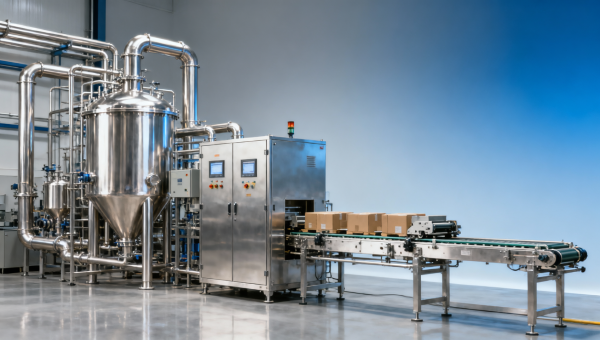
In biochemical processing, projects often overspend long before commissioning—through misaligned specifications, hidden compliance costs, and poor integration across equipment and supply chains. From Chemical Synthesizers to aquaculture accessories, aquaculture utilities, and aquaculture hardware, even adjacent investments such as a commercial food packaging machine, bread slicing machine commercial, tunnel oven for biscuits, or rotary rack oven bakery can reveal the same budgeting flaws. This article helps technical, procurement, and finance teams identify where costs escalate and how to control them early.
Where biochemical processing costs usually go off track
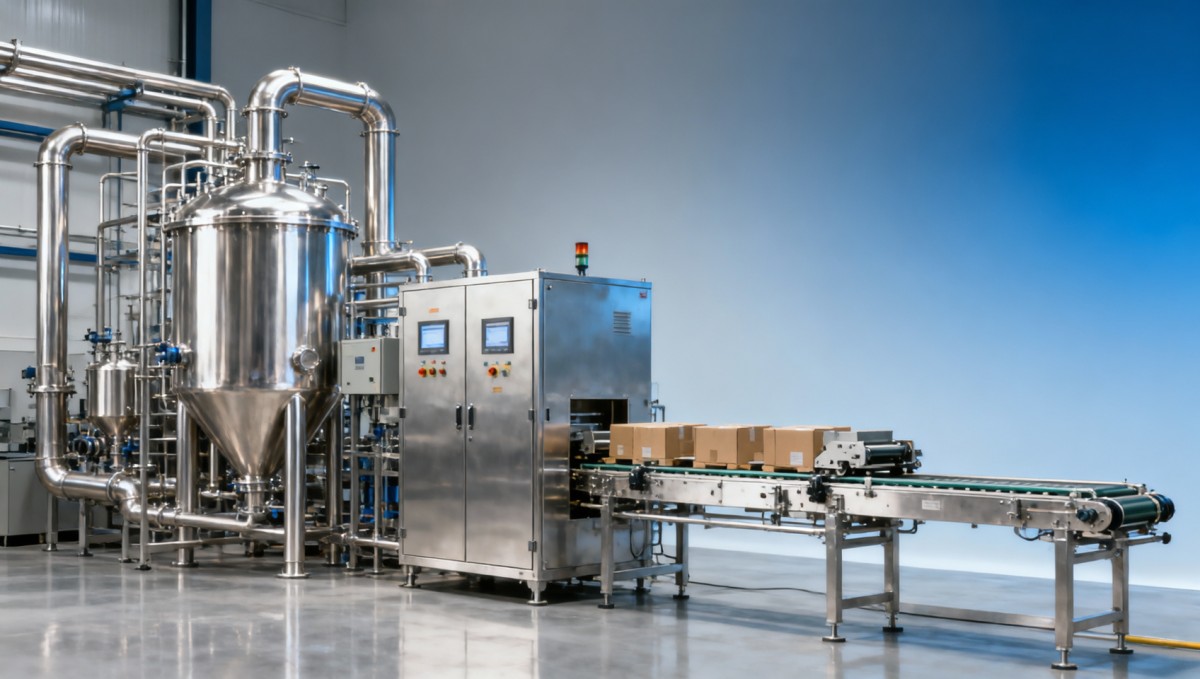
Biochemical processing costs rarely fail because of one dramatic mistake. In most projects, overspend builds through 4 predictable layers: specification drift, under-scoped utilities, compliance rework, and fragmented supplier coordination. This pattern appears in API intermediates, bio-extract lines, feed and grain processing upgrades, and aquaculture support systems alike. The technical package may look acceptable on paper, yet the commercial structure beneath it is weak.
For information researchers and project leaders, the first warning sign is a quotation that seems complete but excludes interfaces. A reactor skid may omit CIP integration. A fermentation unit may exclude exhaust treatment. A packaging line may not include line balancing with upstream dosing or downstream inspection. In practice, these omissions can surface over 2–6 procurement rounds and add weeks of delay before installation starts.
Operators and quality teams often see the issue later than finance teams do. They inherit equipment that technically runs but does not align with cleaning validation, batch traceability, containment, or temperature stability requirements. Once those gaps are discovered during FAT, SAT, or pre-qualification, costs rise through retrofits, documentation revisions, and unplanned downtime windows.
Across primary industries and fine chemicals, the same budgeting flaw repeats: teams approve capital expenditure based on equipment price instead of total delivered functionality. That is why AgriChem Chronicle focuses on peer-level analysis across machinery, biochemical systems, compliance expectations, and supply chain transparency. Buyers do not need more quotations; they need a better decision framework before budget lock-in.
The 5 overspend triggers procurement teams should test early
- Scope mismatch between process intent and equipment design, especially when pilot assumptions are copied into commercial-scale lines without recalculating throughput, cleaning time, or utility loads.
- Unpriced compliance work, including GMP-aligned documentation, material certificates, environmental controls, and safety records required by internal QA or external regulators.
- Integration gaps across 3–5 vendors, where controls, piping, sensors, and software tags are not standardized at bidding stage.
- Over-customization requested too early, which lengthens fabrication by 4–10 weeks and reduces spare-parts commonality after handover.
- Underestimated site readiness, including drainage, electrical distribution, ventilation, water quality, and operator training requirements.
When these triggers are identified during concept review instead of post-purchase, cost control improves materially. The point is not to choose the cheapest line item. It is to prevent cost migration from visible capex into hidden engineering, quality, and commissioning budgets.
Which budget lines are most often underestimated?
Many teams build budgets around core equipment and freight, then treat the rest as minor add-ons. In biochemical processing, that assumption is risky. Utilities, documentation, validation support, automation interfaces, and consumable exposure can materially change total cost of ownership over the first 12–24 months. This is especially true when a plant handles regulated ingredients, bioactive compounds, or hygienic processing environments.
The table below highlights common overspend categories observed across integrated process projects. These are not fixed percentages, because each plant differs, but they represent recurring cost centers that technical evaluators and financial approvers should force into early-stage review.
The practical lesson is simple: if a cost line touches qualification, utility quality, contamination control, or data integrity, it should not sit outside the initial commercial comparison. Procurement teams should ask for an inclusion-exclusion matrix before comparing suppliers, not after selecting a preferred bidder.
Why adjacent industries reveal the same hidden-cost pattern
A commercial food packaging machine or tunnel oven for biscuits may seem unrelated to biochemical processing, but the budgeting mistakes are familiar. Teams buy rated capacity without checking actual line balance. They approve machine price without accounting for guarding, extraction, sanitation access, or format changeover. The same logic applies to aquaculture utilities and chemical synthesizers: process context defines cost, not the nameplate alone.
This matters to multi-division buyers and group procurement managers. When lessons from adjacent capital projects are shared, companies can standardize 5–7 evaluation checkpoints across different plants. That reduces avoidable variation and improves budget discipline across fine chemicals, aquaculture hardware, ingredients processing, and packaged food support lines.
For enterprise decision-makers, the better question is not “What does the machine cost?” but “What must this asset deliver, support, document, and sustain over its operating life?” Once that framing changes, overspend becomes easier to predict and prevent.
How should technical, procurement, and finance teams compare options?
A robust procurement guide for biochemical processing costs should compare solutions at three levels: process fit, compliance fit, and delivery fit. Process fit asks whether the line can consistently meet throughput, yield, temperature control, and cleanability requirements. Compliance fit examines documentation, material compatibility, and audit readiness. Delivery fit covers lead time, installation scope, training, and lifecycle support. If one level is missing, the comparison is incomplete.
This is where many bid evaluations fail. A lower-price offer may carry a 10–14 week lead time advantage but include less documentation. Another supplier may offer strong traceability but require site works not budgeted internally. The right decision depends on which cost lands where: equipment supplier, EPC partner, site engineering team, or operating budget.
The following comparison matrix can help project managers, technical evaluators, and financial approvers score options more realistically before award. It is especially useful when comparing standard equipment, semi-custom skids, and heavily customized process packages.
The matrix shows why procurement decisions cannot be reduced to capex alone. A standard platform may lower immediate spend but create compliance retrofits later. A customized package may fit the process perfectly but add engineering hours and validation complexity. The best answer depends on how tightly a company controls scope, lead time, and documentation before fabrication begins.
A 4-step evaluation workflow that reduces overspend
- Define user requirements in operational terms: batch size, run hours, cleaning cycle, product-contact materials, data needs, and acceptance criteria.
- Issue a bid package with a formal inclusion-exclusion schedule covering utilities, controls, documentation, FAT, SAT, and training.
- Score suppliers using 3 core lenses: technical suitability, compliance readiness, and total delivered cost over at least the first 12 months.
- Freeze changes before fabrication. Any late revision should be costed not only for hardware, but also for schedule, validation, and operating impact.
For readers using ACC as a sourcing intelligence channel, this workflow supports stronger supplier conversations. It also helps separate genuine capability from incomplete quotations dressed as low price.
What compliance, quality, and integration costs are commonly missed?
In regulated or hygiene-sensitive environments, compliance is not a side topic. It changes engineering design, documentation load, testing sequence, and handover readiness. Whether the project concerns bio-extracts, APIs, aquaculture support systems, or processing hardware linked to food-grade operations, standards shape cost early. GMP-related expectations, EPA-related environmental controls, and FDA-relevant material or process considerations can all trigger design changes if addressed too late.
Quality control and safety managers often flag the same 5 missing items: material certificates, weld records where relevant, calibration traceability, cleaning validation support, and deviation handling procedures. None of these are surprising. Yet many purchase orders still leave them as assumptions rather than deliverables. That pushes cost into documentation chases, site retesting, and delayed release.
Integration is the second major blind spot. A skid that performs well in factory conditions may fail to deliver stable output on site because water quality, ambient temperature, operator routines, or upstream feed variability differ from assumptions. In aquaculture utilities, for example, flow balance and water treatment interfaces are as important as the hardware itself. In chemical synthesizers, instrumentation and containment logic can be as expensive as the vessel package.
Common compliance and quality checkpoints before award
- Confirm the document package expected at FAT and shipment stage, including manuals, certificates, P&IDs, electrical drawings, and spare lists.
- Define acceptance tests across at least 3 layers: mechanical completion, control logic, and process performance under agreed operating conditions.
- Verify sanitation and safety requirements, such as cleanability, guarding, drainage, ventilation, lockout points, and operator access zones.
- Map supplier responsibilities for software backups, alarm lists, sensor calibration, and post-installation support during the first 30–90 days.
Why this matters to finance approvers
Finance teams need visibility into when a “low-price” decision simply relocates cost. A supplier with a lower machine price but weak document control may require extra site engineering, more internal QA labor, and slower operational release. The invoice total may look favorable; the project total may not. Strong approval discipline therefore depends on integrated visibility, not isolated quotations.
This is also why industry journals like AgriChem Chronicle matter in capital planning. ACC connects process engineering, compliance expectations, and supplier transparency in one editorial environment. For multinational buyers facing cross-border sourcing and regulated workflows, that integrated perspective is often more valuable than isolated vendor claims.
How can project teams prevent overspend before commissioning?
The most effective control point is not commissioning itself. It is the period 8–20 weeks earlier, when scope, interfaces, and acceptance terms are still flexible enough to correct. Once fabrication starts, every change becomes more expensive. Once equipment ships, every unresolved assumption becomes a site problem. Prevention therefore depends on governance, not optimism.
Project managers should establish one owner for the technical-commercial baseline. That baseline should align process requirements, supplier scope, utility conditions, compliance deliverables, and installation readiness. Without one consolidated reference, teams create competing versions of truth across engineering, procurement, QA, and finance. That is a common path to overspend in both biochemical processing projects and adjacent equipment investments.
A practical planning rhythm includes 3 gates: concept review, pre-PO technical alignment, and pre-shipment readiness. Each gate should test no fewer than 5 questions: Is the scope frozen? Are utilities confirmed? Are compliance documents defined? Are interfaces assigned? Is acceptance measurable? If one answer remains vague, the budget is still exposed.
FAQ for buyers, engineers, and approval teams
How do I know if a quotation is too narrow?
Check whether the offer clearly lists utilities, controls integration, documentation, FAT, SAT, installation support, and spare parts. If 3 or more of these areas are described vaguely or excluded without cost visibility, the quotation may be commercially narrow even if the equipment specification looks detailed.
What lead times should teams plan for?
For many standard or lightly configured systems, a typical manufacturing and delivery window may fall in the 6–12 week range. Semi-custom projects often extend to 10–18 weeks, while integrated or highly customized lines can reach 16–30 weeks. Site readiness, import processing, and document approval can extend these timelines further.
Is customization always the best route in biochemical processing?
Not always. Customization adds value when process conditions, containment needs, or compliance demands cannot be met by a standard platform. But unnecessary customization increases engineering complexity, spare-part diversity, and validation effort. Many plants perform better with a semi-custom approach that standardizes 70%–80% of the platform and customizes only critical interfaces.
Which teams should approve a capital package before award?
At minimum, technical engineering, operations, procurement, QA or safety, and finance should review the package. If environmental permits, export controls, or regulated materials are involved, compliance and trade specialists should also be included. A 5- to 7-function review is often more efficient than resolving omitted requirements after fabrication.
Why work with AgriChem Chronicle when evaluating project cost risk?
AgriChem Chronicle is positioned for decision-makers who need more than vendor brochures. Its editorial focus connects fine chemicals, APIs, agricultural and forestry machinery, aquaculture and fishery technology, bio-extracts and ingredients, and feed and grain processing. That cross-sector visibility is valuable because cost risk often hides at the interfaces between process design, compliance, and sourcing—not inside one discipline alone.
For procurement managers and technical evaluators, ACC helps frame the right pre-purchase questions: Which specifications are critical? Which are inherited assumptions? Which compliance expectations must be priced upfront? Which supply-chain claims need verification? This reduces noise in supplier screening and supports more disciplined tendering.
For financial approvers and enterprise leaders, ACC offers a more useful view of capital planning: not simply whether an asset can be purchased, but whether it can be integrated, documented, validated, and operated with predictable cost. That perspective supports stronger board-level and plant-level decisions across global sourcing environments.
What you can discuss with us next
- Parameter confirmation for biochemical processing equipment, utility interfaces, and operating conditions before RFQ release.
- Supplier and solution comparison for standard, semi-custom, or integrated process packages.
- Lead-time review, documentation expectations, and project sequencing from bid stage to commissioning.
- Compliance-oriented discussions covering GMP-related documentation, EPA or FDA-relevant considerations, and traceability requirements.
- Quotation review support for hidden-cost exposure, lifecycle consumables, acceptance criteria, and change-order risk.
If your team is reviewing chemical synthesizers, aquaculture accessories, aquaculture utilities, aquaculture hardware, or adjacent processing assets where hidden scope can distort budgets, ACC can help structure the evaluation. Bring your parameter list, target delivery window, compliance needs, and quotation set. The goal is not simply to compare prices, but to clarify total project cost before overspend becomes unavoidable.
Related Intelligence
- APIs & IntermediatesBiochemical Processing Costs: Where Do Projects Overspend?Biochemical processing costs often spiral due to hidden scope and compliance gaps. Learn how Chemical Synthesizers, aquaculture accessories, aquaculture utilities, and related equipment avoid overspend.
- APIs & IntermediatesL-carnitine base bulk shipments with >99% assay — but what’s hiding in the residual solvents?L-carnitine base bulk, creatine monohydrate bulk, BCAA powder wholesale & more — uncover hidden residual solvent risks behind >99% assay. Get GMP-aligned insights now!
- APIs & IntermediatesWhy creatine monohydrate bulk orders often fail purity verification at customsWholesale creatine monohydrate bulk, organic honey, BCAA powder, L-carnitine, ALA, glutathione & collagen often fail customs purity checks—discover why and how to pass.
The Morning Broadsheet
Daily chemical briefings, market shifts, and peer-reviewed summaries delivered to your terminal.
