
Commercial protein skimmers and the signs of poor foam fractionation
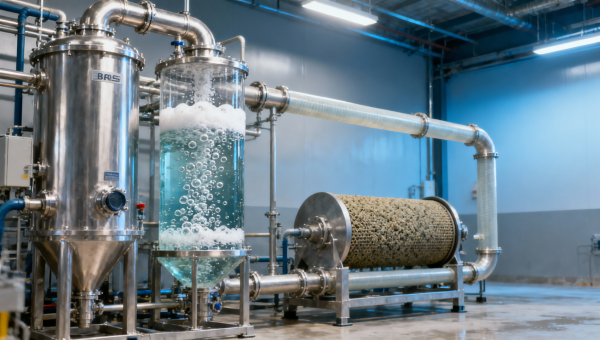
In commercial protein skimmers, poor foam fractionation often signals deeper system inefficiencies that can compromise water quality, operating costs, and stock health. For buyers and technical teams evaluating recirculating aquaculture systems, aquaculture drum filters, and biofilter media for ras, recognizing these warning signs is essential to optimizing performance, compliance, and long-term return on investment.
How to recognize poor foam fractionation before system performance declines
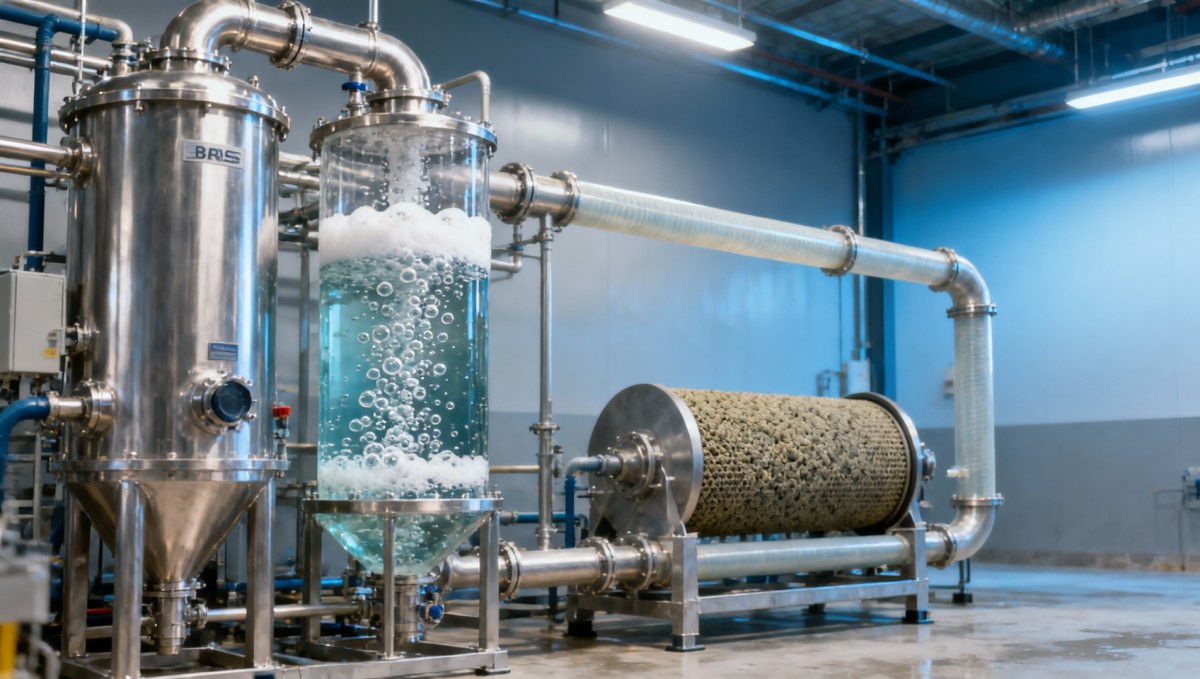
In commercial aquaculture, a protein skimmer is not just an accessory. It is a process control component that supports dissolved organic removal, stabilizes downstream biofiltration, and reduces the loading pressure on drum filters and oxidation stages. When foam fractionation weakens, operators often notice symptoms elsewhere first: higher turbidity, unstable dissolved oxygen demand, faster filter fouling, and more frequent cleaning intervals.
For technical evaluators and procurement teams, the challenge is that poor foam fractionation rarely appears as a single failure point. It usually develops through 3 linked pathways: air-water mixing inefficiency, hydraulic mismatch, or organic loading changes. In intensive recirculating aquaculture systems, even a short 7–14 day period of underperforming skimming can increase maintenance labor, chemical consumption, and risk exposure for fish health management.
A healthy skimmer typically produces stable foam with a consistent rise pattern, manageable condensate volume, and a waste stream that reflects real organic capture rather than excess clear water. By contrast, weak foam heads, rapid bubble collapse, erratic overflow, or unusually watery skimmate often indicate process imbalance rather than normal fluctuation. These signs matter to operators, quality managers, and project leads because they directly affect predictable system control.
For ACC readers working across aquaculture and process industries, this is also a supply-chain and investment issue. Poor foam fractionation may point to underspecified pumps, unsuitable injector geometry, incorrect dwell time, or a mismatch between skimmer sizing and actual biomass loading. That means the problem is not only operational; it may also be rooted in design review, vendor selection, or commissioning decisions made months earlier.
Primary warning signs that buyers and operators should not ignore
- Foam head remains thin or collapses within minutes, despite normal pump runtime and no visible mechanical blockage.
- Skimmate appears excessively dilute for several consecutive shifts, suggesting poor organic attachment rather than genuine contaminant removal.
- Air draw and contact behavior become inconsistent over a 24-hour operating cycle, especially during feed peaks or after cleaning.
- Biofilter media or drum filters begin carrying a higher solids burden, indicating that the skimmer is no longer removing dissolved and fine organic fractions effectively.
These signs should be assessed together, not in isolation. A skimmer may still produce foam and yet perform poorly in terms of organic export. This distinction is critical in commercial systems where water quality decisions affect stocking density, feed conversion, and compliance with site-specific environmental discharge expectations.
What usually causes poor foam fractionation in commercial protein skimmers?
The root causes of poor foam fractionation are usually mechanical, chemical, or hydraulic. In commercial units, the most common mechanical issue is inadequate bubble generation. If injector wear, venturi scaling, or pump inefficiency reduces fine bubble production, the effective gas-liquid interface drops sharply. That can happen gradually over 30–90 days, making the decline easy to miss unless maintenance logs are tied to water quality trends.
Chemical conditions matter just as much. Foam fractionation depends on surfactant-active dissolved organics attaching to bubble surfaces. If water chemistry changes due to salinity shifts, feed type, oil content, treatment additives, or cleaning residues, the skimmer may suddenly produce less stable foam. In marine or brackish systems, even moderate process changes can alter foam behavior enough to affect consistency over a single production week.
Hydraulic mismatch is another frequent cause. A skimmer designed for one turnover profile may underperform if actual flow rate, retention time, or feed loading exceeds the original design window. This is common after expansion projects, biomass increases, or line retrofits where the skimmer was left unchanged while the drum filter, oxygenation, or biofilter configuration was upgraded.
For procurement and engineering teams, the implication is clear: performance issues are often not solved by replacing a single component. A practical evaluation should review 4 core areas together: air intake stability, pump curve suitability, contact chamber dwell time, and upstream solids management. Without this full-system review, replacement purchases may repeat the same failure pattern.
Cause-and-symptom mapping for commercial system reviews
The table below helps technical assessors connect visible skimmer symptoms with likely causes and recommended next actions. This is useful during CAPEX justification, troubleshooting meetings, and vendor comparison, especially when multiple components such as aquaculture drum filters and biofilter media for RAS are being reviewed together.
For buyers, this table supports a more disciplined approach to supplier discussions. Instead of asking only whether a commercial protein skimmer is “high efficiency,” teams can ask how it performs under variable loading, what maintenance interval is realistic, and how the unit interacts with existing RAS equipment and control routines.
Which performance parameters matter most when comparing commercial protein skimmers?
Many procurement decisions focus too heavily on nominal flow rate. In practice, 5 operating parameters usually matter more: contact time, air-to-water ratio, bubble consistency, waste concentration behavior, and maintenance accessibility. A skimmer with attractive nameplate capacity may still underperform if contact time is too short or if the air injection assembly cannot maintain stable bubble size under continuous duty.
For technical evaluators, the performance review should be tied to real operating conditions, not brochure values alone. Ask whether the skimmer is intended for freshwater, brackish, or marine use; whether it is side-stream or full-flow; and whether the system operates in a relatively steady biomass range or across seasonal peaks. These variables change the effective operating window and the expected maintenance cycle.
Financial approvers also need a practical metric set. A lower-priced unit may seem attractive at purchase, but if it requires weekly intervention, causes additional drum filter backwashing, or shortens biofilter stability margins, total operating cost can rise quickly over 6–12 months. This is why ACC consistently recommends linking skimmer evaluation to labor impact, energy demand, and downstream process protection.
The comparison table below is designed for cross-functional review by engineering, operations, procurement, and quality teams. It helps translate technical features into decision factors that influence reliability, compliance, and long-term asset performance.
A disciplined comparison reduces the risk of buying a skimmer that looks suitable on paper but fails under real process variability. It also makes distributor and OEM discussions more efficient, because the technical team can define acceptance criteria in measurable terms rather than generic claims.
A practical 5-point selection checklist
- Confirm actual operating flow over at least 2 production conditions, not just nominal design flow.
- Review whether feed load, salinity, and biomass density have changed since original system design.
- Request maintenance access details, spare parts list, and typical service interval in commercial duty.
- Check compatibility with current aquaculture drum filters and biofilter media for RAS to avoid upstream-downstream mismatch.
- Define acceptance criteria for commissioning, such as stable foam behavior, operator adjustment window, and monitoring points within the first 2–4 weeks.
This checklist is especially useful for project managers and distributors handling retrofits, because poor foam fractionation is often the result of accumulated small mismatches rather than a single obvious defect.
How do compliance, operating cost, and system integration affect procurement decisions?
Commercial protein skimmer procurement should not be separated from compliance and operating economics. In regulated aquaculture and primary processing environments, water quality control influences documentation quality, environmental management routines, and the reliability of HACCP-style operational records. While a skimmer itself may not carry the same regulatory role as a pharmaceutical process unit, its effect on system cleanliness and control stability can still influence audit readiness.
Quality and safety managers should examine materials of construction, cleanability, maintenance access, and resistance to corrosion in saline environments. Procurement teams should also review whether vendors can provide practical documentation such as material specifications, maintenance recommendations, installation guidance, and operating envelopes. In many projects, the absence of usable technical documentation creates more delay than the equipment lead time itself.
From a financial perspective, the real question is not the purchase price alone. It is whether the unit reduces organic load enough to ease pressure on other assets. If poor foam fractionation forces more frequent cleaning, increases backwash cycles, or destabilizes biofilter performance, the site may absorb hidden costs every week. Over a typical 12-month operating period, these indirect costs can outweigh the difference between two competing quotations.
ACC’s cross-sector perspective is valuable here because industrial buyers increasingly compare equipment decisions through a wider risk lens: uptime, documentation quality, service responsiveness, and traceable supply-chain information. That is especially relevant for enterprises balancing multiple procurement categories across aquaculture, feed processing, and biochemical operations.
Common procurement questions that should be asked early
What lead time should buyers expect?
For standard commercial configurations, review cycles often take 1–2 weeks, while manufacturing and dispatch windows may range from 4–10 weeks depending on materials, fabrication load, and export documentation. Retrofit projects can take longer if piping adaptation, control integration, or site-specific corrosion requirements are involved.
What documents should be requested before approval?
At minimum, ask for a general arrangement drawing, operating flow range, maintenance schedule, consumables list, and material details for wetted components. If the system will be exported or installed in a regulated environment, also request any relevant test records, installation instructions, and documentation needed for local environmental or operational review.
When is replacement better than adjustment?
If the current skimmer repeatedly fails after injector cleaning, if the pump no longer matches required flow, or if the system biomass has expanded beyond the original design envelope, replacement may be more economical than repeated adjustment. This is particularly true when underperformance affects 3 or more downstream control points, such as drum filtration, biofilter loading, and odor management.
FAQ: selection, troubleshooting, and implementation guidance for commercial teams
How often should a commercial protein skimmer be inspected?
A practical routine is daily visual inspection, weekly functional review, and a more detailed monthly check of air intake components, neck cleanliness, pump behavior, and waste discharge consistency. In high-load systems or during seasonal production peaks, inspection frequency may need to increase, especially in the first 2–4 weeks after commissioning or feed regime changes.
Can a drum filter compensate for poor foam fractionation?
Not fully. A drum filter is highly effective for suspended solids within its capture range, but it does not replace the dissolved organic removal function of a protein skimmer. If foam fractionation is poor, downstream solids and dissolved organics can still create extra burden on drum filters, biofilter media for RAS, and cleaning schedules.
What is the most common mistake in skimmer procurement?
The most common mistake is selecting by headline capacity without checking actual loading profile, water chemistry, and integration with the rest of the recirculating aquaculture system. A second frequent error is treating foam production as proof of performance, without evaluating skimmate quality, stability, and effect on downstream operations over several production cycles.
Is poor foam fractionation always a skimmer design problem?
No. It can result from upstream feed changes, cleaning residues, salinity shifts, hydraulic surges, pump wear, or expansion of stock biomass beyond original design assumptions. That is why troubleshooting should involve operators, engineers, and procurement stakeholders together, rather than assigning blame to one component too early.
Why work with ACC when evaluating aquaculture process equipment and supplier claims?
AgriChem Chronicle supports commercial decision-making by connecting technical analysis with procurement reality. For buyers assessing commercial protein skimmers, aquaculture drum filters, and biofilter media for RAS, the key need is not more marketing language. It is clearer interpretation of process risk, supplier documentation quality, operating trade-offs, and long-term investment logic across regulated industrial sectors.
Because ACC serves professionals across aquaculture, fine chemicals, primary processing, and industrial agriculture, our editorial approach is built around verifiable technical reasoning and cross-functional relevance. That means content is shaped not only for operators, but also for project managers, quality teams, financial approvers, and distributors who need a common evaluation framework before committing budget or delivery schedules.
If your team is comparing skimmer configurations, troubleshooting poor foam fractionation, or reviewing a broader recirculating aquaculture system upgrade, ACC can help you focus the discussion around the details that matter: parameter confirmation, system matching, realistic lead times, maintenance implications, documentation requirements, and the practical impact on operating stability.
Contact us to discuss commercial protein skimmer selection, aquaculture drum filter integration, biofilter media for RAS compatibility, expected delivery windows, documentation needs, or quotation benchmarking. If you are preparing a retrofit, pilot line, or new-capacity project, we can help structure the technical questions and procurement checkpoints needed for a more reliable buying decision.
Related Intelligence
- RAS SystemsIndia Removes Import Tariff on RAS Systems for AquacultureIndia removes import tariffs on RAS systems for aquaculture—unlocking $170M+ equipment demand. Key opportunity for exporters, technical documentation & after-sales providers.
- RAS SystemsLFP Battery Recycling Enters Deep Water: RAS & Feed Pellet Firms Tap Regenerated PhosphateLFP Battery Recycling breakthrough: Regenerated phosphate now powers RAS systems & feed pellets—EU/US-compliant, 20% cheaper, live since April 2026.
- RAS SystemsIntel Launches World’s Thinnest GaN Chip, Boosts RAS Power ModulesIntel's world’s thinnest GaN chip (19μm) boosts RAS power modules—40% smaller, 22% more efficient. Key for aquaculture exporters, equipment makers & supply chain partners.
The Morning Broadsheet
Daily chemical briefings, market shifts, and peer-reviewed summaries delivered to your terminal.
