

The Authority in Global Agricultural Chemistry & Bio-Resources
Biofilter media for RAS: signs your media is underperforming
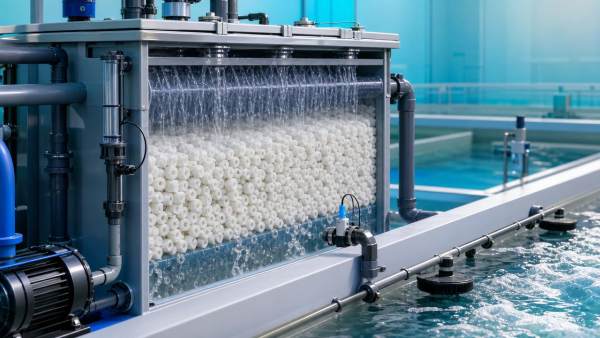
In recirculating aquaculture systems, biofilter media for RAS is not just a passive filling inside a vessel; it is the biological core that supports nitrification, water stability, and predictable fish performance. When media begins to underperform, the effects often appear first as operational “small warnings” rather than dramatic failures: a gradual rise in ammonia, uneven dissolved oxygen across the loop, reduced circulation through the biofilter, or recurring solids accumulation. For maintenance and technical service teams, recognizing these early signs is essential because delayed intervention can trigger stress events, feed conversion losses, disease pressure, and expensive downtime. Understanding how biofilter media for RAS behaves under real operating conditions helps turn reactive troubleshooting into controlled system management.
What biofilter media for RAS is expected to do
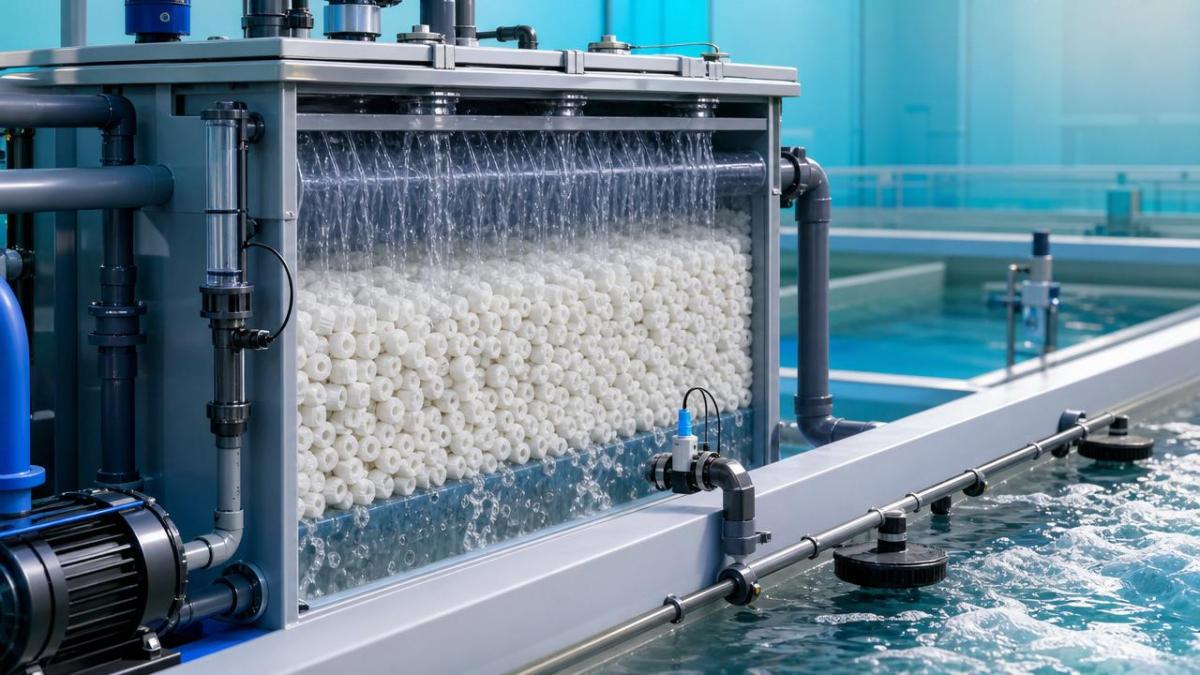
At its most basic level, biofilter media for RAS provides protected surface area for nitrifying bacteria to colonize. These microbial communities convert toxic ammonia into nitrite and then into nitrate, reducing acute toxicity risks in intensive aquaculture. However, performance is not determined by surface area alone. Effective media must also maintain stable hydraulic behavior, resist compaction, permit oxygen transfer, and withstand repeated cleaning without losing structural integrity.
In practical system design, biofilter media for RAS is selected according to species load, feed rates, solids management strategy, temperature range, salinity profile, and available footprint. Moving bed media, structured fixed media, and hybrid biological carriers each offer different balances between colonization efficiency and maintenance burden. Underperformance does not always mean the media is “bad”; in many cases, it means the media is mismatched to hydraulic loading, fouled by solids, or biologically stressed by unstable operating conditions.
A healthy biofilter typically shows consistent water passage, stable nitrogen conversion, moderate biofilm growth, and predictable maintenance intervals. When those conditions drift, the media becomes a bottleneck rather than a support layer. That shift is why routine inspection of biofilter media for RAS should be tied to water chemistry, flow pattern, pressure trend, and visual condition instead of being treated as a stand-alone mechanical check.
Operational signals that indicate underperformance
The earliest warning signs are usually measurable before they become visible. In many facilities, underperforming biofilter media for RAS reveals itself through a combination of chemistry instability and hydraulic resistance. Looking at one signal in isolation may be misleading, but patterns across several indicators create a reliable diagnosis path.
Visual inspection adds another layer. Dark, heavy slime, sulfur-like odor, trapped fines, and non-uniform coloration often suggest that biofilter media for RAS is carrying too much organic load before nitrification can proceed efficiently. In moving bed systems, weak circulation or poorly suspended carriers may indicate that aeration energy is no longer enough to keep media active. In fixed bed arrangements, local plugging and bypass flow are especially common.
Why biofilter media for RAS loses efficiency over time
Media degradation is rarely caused by a single factor. More often, underperformance comes from the interaction of biology, solids, hydraulics, and cleaning practices. This is particularly relevant in integrated aquaculture operations where feed strategy, drum filtration, oxygenation, and disinfection all influence the biological stage.
- Excessive solids loading: Fine particles coat the available surface and block void spaces, reducing active colonization and oxygen transfer.
- Over-aggressive cleaning: High-pressure washing, harsh chemicals, or complete stripping can remove useful biofilm and reset biological maturity.
- Poor upstream separation: If mechanical filtration is inconsistent, biofilter media for RAS becomes a secondary solids trap rather than a nitrification reactor.
- Hydraulic mismatch: Flow that is too fast can reduce effective contact time, while flow that is too slow can cause stagnation and localized anaerobic zones.
- Temperature, salinity, or pH instability: Even high-quality media will underperform if bacterial conditions drift outside the efficient nitrification range.
- Material fatigue: Long-term abrasion, brittleness, or deformation can reduce usable surface geometry and packing consistency.
A useful maintenance principle is to separate “media failure” from “system conditions causing media failure.” Replacing biofilter media for RAS without correcting solids carryover, poor aeration, or hydraulic imbalance often leads to the same decline repeating within a short period.
Business and operational impact of underperforming media
The importance of reliable biofilter media for RAS extends beyond water chemistry. Underperformance can influence production scheduling, feed utilization, treatment costs, and compliance documentation. In tightly managed systems, even a moderate drop in nitrification efficiency may force reduced feeding, slower biomass growth, or emergency water exchange that disrupts sustainability targets.
From an operating cost perspective, fouled or poorly functioning biofilter media for RAS can raise blower demand, pump head, cleaning frequency, labor hours, and replacement spending. It can also distort the interpretation of other equipment performance. For example, operators may assume oxygenation, degassing, or solids filtration is at fault when the actual problem is a media bed that no longer provides stable biological conversion.
In broader industrial terms, biological instability creates a chain reaction: lower confidence in stocking density, more conservative feeding plans, interrupted harvest timing, and less predictable output quality. That makes media performance a cross-functional issue touching aquaculture engineering, environmental management, energy use, and asset life-cycle planning.
Typical system scenarios and likely media issues
Different RAS configurations show different failure patterns. Reviewing the most common scenarios helps maintenance teams narrow the root cause faster when biofilter media for RAS begins to drift from expected performance.
Practical inspection and maintenance guidance
A structured inspection routine is the most effective way to preserve biofilter media for RAS. The goal is not simply to clean the unit, but to verify that biological, mechanical, and hydraulic conditions remain aligned.
- Trend ammonia, nitrite, nitrate, alkalinity, pH, dissolved oxygen, and temperature together rather than reviewing them separately.
- Record pressure drop or water level differential across the biofilter to detect clogging before visible blockage occurs.
- Inspect media texture and color during shutdowns; sticky sludge and compacted fines are warning signs, not cosmetic issues.
- Verify upstream solids capture performance, especially after feed changes, grading events, or seasonal biomass increases.
- Use cleaning methods that remove excess fouling while preserving beneficial biofilm wherever possible.
- Audit aeration and flow distribution hardware, because even high-specification biofilter media for RAS cannot compensate for poor reactor conditions.
It is also wise to define “intervention thresholds” in advance. For example, a specific ammonia increase after a given feed load, or a measured pressure rise across the vessel, can trigger inspection before fish health is affected. This makes service work more consistent and reduces reliance on emergency judgment calls.
Next-step framework for reliable performance
When signs of weak biofilter media for RAS appear, the most effective response is a staged review. First, confirm the water quality trend and rule out sensor error. Second, examine flow distribution, aeration, and solids carryover. Third, inspect the media physically for fouling, wear, compaction, or uneven activity. Fourth, compare current feed loading with the design treatment capacity of the biological stage. This sequence helps distinguish temporary overload from chronic media underperformance.
If replacement or retrofit is necessary, evaluation should include not only nominal surface area but also cleanability, resistance to clogging, oxygen transfer behavior, expected service life, and compatibility with the existing RAS layout. Reliable biofilter media for RAS should support stable nitrification under realistic operating loads, not just under ideal design assumptions.
In day-to-day practice, the strongest results come from treating the biofilter as a living process unit rather than a static component. Consistent monitoring, disciplined solids control, and media-specific maintenance protocols create the conditions for stable biological performance, lower operational risk, and more predictable aquaculture output over time.
Related Intelligence
- RAS SystemsFAO Updates Global RAS Procurement Guide, Chinese Modular Systems Recommended for AfricaFAO recommends Chinese modular RAS systems for Africa — discover how this global procurement shift unlocks export opportunities and ODA financing.
- RAS SystemsRAS aquaculture systems: when modular design saves moneyRAS aquaculture systems can cut costs through modular design when projects need phased expansion, faster commissioning, and lower site risk. See when modular RAS really pays off.
- RAS SystemsAquaculture drum filters and the solids load they often missAquaculture drum filters often miss fine solids that impact water clarity, biofilter stability, and biosecurity. Learn how to assess real capture performance before you buy.
The Morning Broadsheet
Daily chemical briefings, market shifts, and peer-reviewed summaries delivered to your terminal.
