
Why Squid Peeling Machines Miss Skin and Tear Flesh
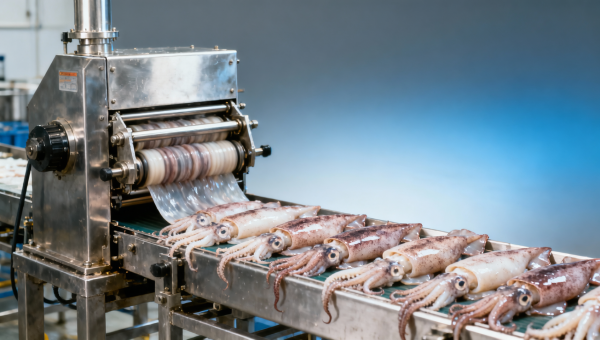
In high-throughput seafood lines, a squid peeling machine that misses skin or tears flesh can undermine yield, hygiene, and product consistency. For operators, buyers, and technical evaluators comparing fish processing machinery—from fish skinning machine wholesale options to fish filleting machine commercial systems and commercial fish scaling machine setups—understanding the root causes is essential to smarter equipment selection, process control, and long-term ROI.
Why does a squid peeling machine leave skin behind or damage flesh?
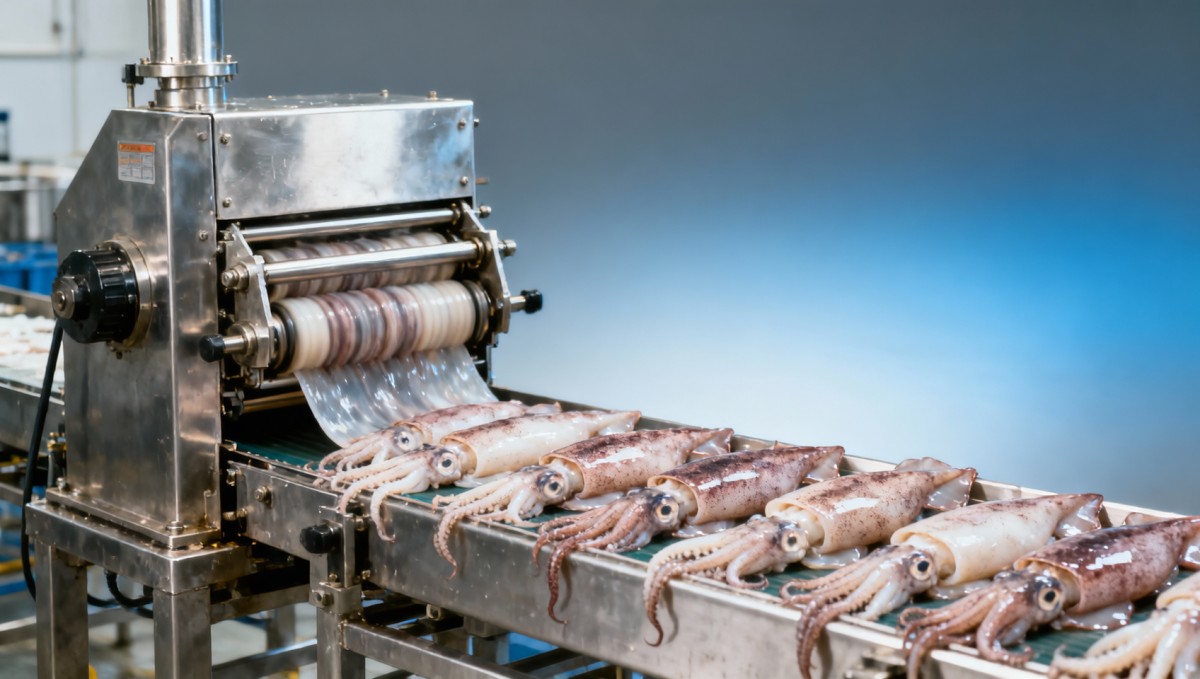
Missed skin and torn flesh usually come from a mismatch between raw material condition, machine setting, and contact design. In squid processing, the membrane is thin, moisture-sensitive, and highly variable across species, size grades, and post-thaw handling. A machine that performs acceptably on one batch may underperform on the next if the peeling gap, roller pressure, or feed rhythm is not adjusted within a practical operating window.
From an operations standpoint, three process variables are especially influential: product temperature, size uniformity, and pre-treatment consistency. In many plants, squid enters the peeling stage at approximately 0°C–4°C after chilled storage, while partially thawed imported material may fluctuate between 2°C and 8°C. That difference affects membrane adhesion and flesh firmness. When temperature control drifts, skin may remain attached in patches, or the flesh may soften enough to tear under normal roller friction.
For procurement teams, the key point is that poor peeling is not always proof of a bad machine. It can also indicate that the line lacks proper upstream standardization. However, technical evaluators should not accept vague explanations from suppliers. A commercial squid peeling machine should offer a measurable adjustment range, stable feed geometry, and easy sanitation access, because those factors directly affect repeatability across 2–3 daily shifts.
In broader fish processing machinery comparisons, buyers often look at fish skinning machine wholesale catalogs or commercial fish scaling machine packages and assume similar principles apply. They do not always. Squid skin behaves differently from fish scale or fish skin. The peeling mechanism must balance friction and release carefully, especially where yield loss, texture retention, and downstream packaging specifications are tightly monitored.
The most common root causes on industrial lines
When technical teams troubleshoot a line, they usually find not one defect but a combination of small deviations. A supplier with genuine aquaculture and fishery technology expertise should be able to separate machine fault from raw material variation and operator inconsistency. That distinction matters for warranty discussions, spare parts planning, and future line expansion decisions.
- Incorrect roller pressure: excessive pressure can strip flesh fibers, while insufficient pressure leaves membrane residue, especially on thinner tubes.
- Inconsistent feed speed: if the product enters too quickly or unevenly, the contact surface cannot maintain stable peeling contact across the full body.
- Worn contact surfaces: after repeated washdown cycles and continuous production, textured rollers or peeling elements may lose grip and create patchy removal.
- Poor size grading upstream: a machine set for medium squid may underperform when small and large material is mixed in the same run.
- Unstable cleaning discipline: protein buildup after 4–6 hours of continuous operation changes friction behavior and increases tearing risk.
For plant managers and quality teams, these are not minor details. They affect labor rework, trim loss, reject rate, and customer claims. A peeling line that loses just a small portion of usable flesh per batch can materially affect profitability over monthly production volumes, especially when squid is destined for value-added retail or foodservice formats.
Which technical parameters matter most during evaluation and comparison?
When comparing a squid peeling machine with adjacent fish processing equipment such as a fish filleting machine commercial unit or a fish skinning machine wholesale model, buyers should focus on controllable process parameters rather than headline throughput alone. Throughput matters, but stable product handling across variable raw material conditions matters more for consistent net yield.
Technical evaluators typically review at least 5 core dimensions: adjustment range, material compatibility, sanitation access, wear part life, and operator intervention frequency. In practical procurement, these dimensions are more predictive of whole-line performance than a simple kilograms-per-hour claim. If a machine requires manual correction every 15–20 minutes, its nominal capacity becomes less meaningful.
The table below summarizes practical parameters that influence whether a squid peeling machine misses skin or tears flesh. These are evaluation points procurement managers, plant engineers, and distributors can use when screening suppliers or preparing a factory acceptance checklist.
This comparison shows why a specification sheet alone is not enough. The most useful equipment proposals explain how each parameter is controlled in real production conditions. For project owners, that means asking suppliers to define trial conditions clearly: squid size band, feeding state, target peeling completeness, and acceptable trim loss over a fixed run such as 30–60 minutes.
How squid peeling differs from adjacent fish processing machinery
Many purchasing teams compare squid peelers with a fish skinning machine, a fish filleting machine commercial system, or a commercial fish scaling machine because they may be sourced from the same OEM or distributor. That is sensible from a portfolio viewpoint, but the evaluation logic should remain process-specific. Squid peeling is membrane removal from soft, delicate tissue, not scale removal from armored skin or precision cutting along bone structure.
What to verify during technical review
- Whether the machine can maintain stable peeling across different squid grades without repeated mechanical reset after every short batch.
- Whether wear parts can be replaced within a practical maintenance window such as 30–90 minutes rather than requiring prolonged downtime.
- Whether food-contact surfaces support hygienic design principles suitable for regular washdown and inspection.
- Whether the supplier can explain integration with upstream sorting and downstream trimming or freezing stages.
For distributors and commercial evaluators, a supplier that understands this distinction can usually provide better pre-sales documentation, more realistic commissioning plans, and fewer disputes after installation. That is especially important when the machine will be exported, integrated into a broader line, or reviewed by finance teams seeking predictable operating cost.
What should buyers, engineers, and quality teams check before procurement?
Procurement decisions fail most often when the machine is purchased as a standalone asset rather than as part of a process. A squid peeling machine should be evaluated together with raw material preparation, line balance, sanitation workflow, utilities, and staffing model. In practical terms, that means reviewing not only price and lead time but also how the machine behaves during a full production cycle of 1 shift, 2 shifts, or seasonal peak demand.
For finance approvers, the real question is not only capital cost. It is whether the equipment protects saleable yield, reduces manual rework, and avoids hidden downtime. For quality and safety managers, the focus is different: cleanability, contamination control, and product consistency. For operators, the machine must be intuitive enough that parameter changes can be made without creating avoidable risk or batch-to-batch variation.
The following procurement matrix helps cross-functional teams align technical, commercial, and operational priorities before issuing a purchase order for a squid peeling machine or related fish processing machinery.
This table is useful because procurement rarely belongs to one department. Engineering may value control and serviceability. Purchasing may prioritize delivery and total cost. Quality may focus on sanitation and traceability. A supplier or publishing partner that can organize these viewpoints into a clear decision framework creates real value for industrial buyers and distributors.
A practical 4-step pre-purchase review
- Define product conditions: squid species, size ranges, fresh or thawed state, and target presentation for downstream sale.
- Set measurable acceptance criteria: peeling completeness, allowable trim, operator interventions per hour, and cleaning interval.
- Request a realistic trial plan: not just peak throughput, but stable performance over a representative 30–60 minute production run.
- Review lifecycle factors: spare part supply, commissioning support, sanitation design, and integration with upstream and downstream equipment.
This approach helps project managers and business evaluators avoid the common mistake of buying on brochure claims alone. It also gives finance teams clearer grounds for approval because the business case is tied to yield protection, labor efficiency, and operational stability rather than a simple equipment list.
How can plants reduce peeling defects after installation?
Once a squid peeling machine is installed, defect reduction depends on disciplined setup, operator training, and routine verification. In many facilities, the first 2–4 weeks after commissioning determine whether the machine becomes a stable productivity asset or a persistent troubleshooting problem. Early instability is often blamed on design, but just as often it comes from inconsistent changeover practice and incomplete operator feedback loops.
Operators should start each production period with a short condition check rather than a blind restart. That check may include roller surface status, feed alignment, water or rinse condition if applicable, and verification that the incoming squid matches the size band for the current setting. Even a 5–10 minute startup routine can reduce the risk of running a large batch under the wrong adjustment profile.
Quality teams should also treat peeling performance as a monitored process characteristic. Instead of reacting only when customer complaints appear, they can audit three indicators during the shift: residual skin incidence, flesh tear rate, and rework volume. Tracking those indicators every batch or every few hours gives production supervisors a practical basis for intervention before losses escalate.
Routine control points that improve yield and consistency
- Separate incoming squid into stable size categories before peeling rather than compensating with aggressive machine pressure.
- Reconfirm settings after sanitation cycles, because disassembly and reassembly can slightly alter contact conditions.
- Inspect wear parts on a scheduled basis, such as weekly or according to running hours, instead of waiting for visible performance failure.
- Train operators to recognize whether poor results come from raw material softness, membrane adhesion, or mechanical setting drift.
These controls are relevant not only to squid but also to adjacent fish processing lines. Plants running a fish filleting machine commercial setup or a commercial fish scaling machine often already use structured line checks. Extending that discipline to squid peeling creates a more predictable operation and supports better communication among production, maintenance, and quality personnel.
Compliance and hygiene considerations
In export-oriented seafood processing, sanitation design and documentation matter almost as much as peeling accuracy. Equipment should support practical cleaning verification, food-contact material suitability, and clear maintenance records. Depending on market and buyer requirements, processors may align internal controls with HACCP-based procedures and relevant local food safety regulations, while buyers may also request documentation supporting broader audit expectations.
For AgriChem Chronicle readers operating across tightly regulated supply chains, this matters beyond the factory floor. Procurement teams increasingly need transparent equipment documentation, hygienic design clarity, and service traceability before approving capital expenditure. That is why technically informed content, rooted in fishery technology and industrial processing realities, is valuable during vendor evaluation and project planning.
FAQ for buyers, operators, and project teams
How do I know whether missed skin is caused by the machine or the raw material?
Start by controlling three variables: product temperature, size grading, and feed consistency. If those remain stable for a test run of around 30 minutes and the machine still leaves irregular patches, the issue is more likely related to pressure setting, contact surface wear, or machine geometry. If performance changes significantly between batches with different thaw conditions, raw material variation is likely a major factor.
What should procurement prioritize over low purchase price?
Prioritize controllability, sanitation access, spare part availability, and realistic commissioning support. A lower-priced squid peeling machine can become more expensive if it causes frequent trim loss, needs high manual rework, or has long spare part lead times. Total operating impact over 12 months is usually more relevant than the initial quotation alone.
Can one machine handle different squid sizes and conditions?
In many cases, yes, but only within a practical operating envelope. Buyers should ask whether the machine can process 2–3 defined size bands and whether setting changes are quick and repeatable. If the product mix is too wide, upstream grading or separate production windows may be necessary to avoid a compromise setting that causes both missed skin and flesh tearing.
What is a realistic delivery and commissioning expectation?
For industrial seafood equipment, delivery schedules vary by configuration, documentation scope, and export destination. Buyers should ask for a clear breakdown covering manufacturing time, shipment, installation preparation, and on-site or remote commissioning stages. A practical project review usually separates the process into 3 stages: pre-delivery confirmation, startup tuning, and production acceptance.
Why consult AgriChem Chronicle and how to move the project forward
For industrial buyers, distributors, and project owners, the challenge is rarely just finding a squid peeling machine. The harder task is identifying whether a supplier can support the broader technical and commercial decision: process suitability, hygiene expectations, spare part planning, operating stability, and line integration. AgriChem Chronicle addresses this gap by connecting equipment evaluation with the realities of regulated primary processing and globally complex supply chains.
Because ACC serves readers across aquaculture and fishery technology, agricultural and forestry machinery, and closely regulated industrial sectors, its editorial perspective is especially useful for cross-functional evaluation. Technical reviewers can use it to refine machine specifications. Procurement teams can use it to compare vendor claims. Finance and executive stakeholders can use it to frame capital decisions around lifecycle value rather than isolated purchase price.
If you are assessing a squid peeling machine, a fish skinning machine wholesale offer, a fish filleting machine commercial proposal, or a commercial fish scaling machine package, the most productive next step is a structured technical review. Prepare your squid size range, product condition, target throughput window, sanitation expectations, and installation timeline. Then validate how those factors align with machine adjustment, maintenance access, and commissioning support.
Contact us to discuss parameter confirmation, equipment selection logic, delivery cycle planning, customization scope, compliance documentation, sample or trial evaluation criteria, and quotation alignment for your specific processing scenario. That conversation is most useful when it includes raw material details, production targets, and the operational pain points you need the equipment to solve.
Related Intelligence
- Commercial FishingGaode Launches First Quadruped Robot, ABot-M0 Open-Source Model for Aquaculture & Poultry InspectionABot-M0: Gaode's open-source quadruped robot for aquaculture & poultry inspection—80.5% task success, field-tested in Brazil & Vietnam. Discover how it transforms autonomous farm inspections.
- Commercial FishingGaode Launches First Quadruped Robot, Open-Sources ABot-M0 for Aquaculture & PoultryGaode launches first quadruped robot & open-sources ABot-M0 — an embodied AI model for aquaculture and poultry automation, with 80.5% Libero-Plus task success.
- Commercial FishingFish Processing Machinery Upgrades That Cut ReworkFish processing machinery upgrades cut rework fast. Compare block ice machine for fishery, commercial ice flaker machine, squid peeling machine, and filleting solutions to boost yield.
The Morning Broadsheet
Daily chemical briefings, market shifts, and peer-reviewed summaries delivered to your terminal.
