
Fish Processing Machinery Upgrades That Cut Rework
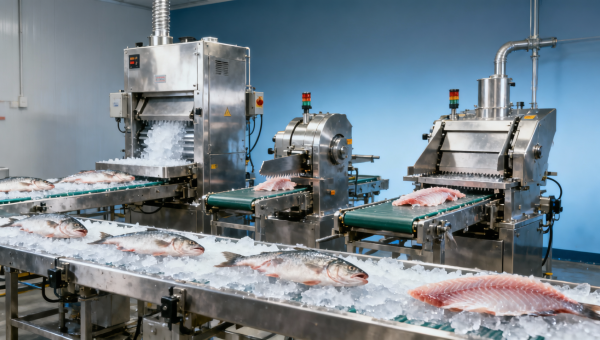
Upgrading fish processing machinery is no longer just about speed—it is a direct way to cut rework, improve yield, and strengthen compliance across modern seafood operations. From a commercial ice flaker machine and block ice machine for fishery use to a squid peeling machine, fish skinning machine wholesale options, and fish filleting machine commercial systems, the right equipment mix helps processors reduce waste, stabilize quality, and make smarter procurement decisions.
Why do fish processing machinery upgrades reduce rework so effectively?
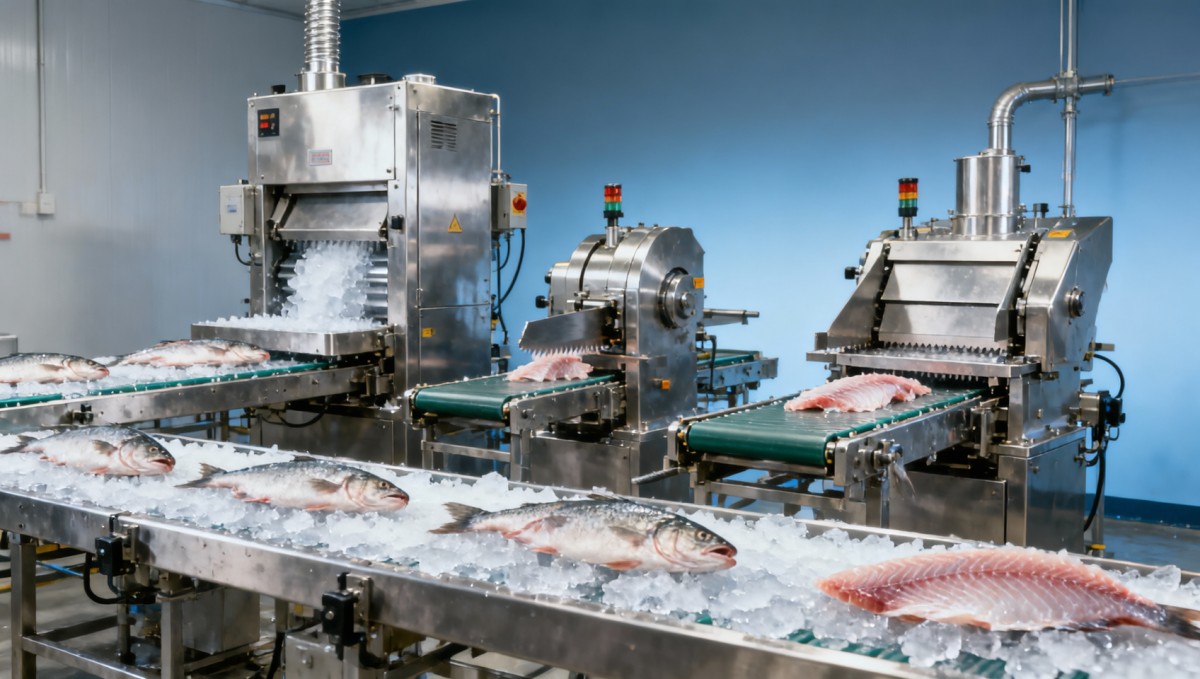
Rework in seafood plants rarely comes from a single failure point. It usually starts with unstable raw material temperature, inconsistent cut depth, poor peeling accuracy, or uneven feeding into downstream lines. When processors continue using aging fish processing machinery, small deviations in one station often multiply across 3 to 5 linked steps, creating trim loss, labor-intensive correction, and delayed dispatch.
For operators, the problem shows up as jams, repetitive adjustments, and frequent cleanup. For technical evaluators, it appears as tolerance drift, sanitation design limits, or weak line synchronization. For procurement teams and finance approvers, rework is visible in hidden costs: extra labor hours per shift, higher ice consumption, rejected batches, and avoidable wear on conveyors, blades, and pumps.
The most practical upgrades target three rework drivers first: raw material conditioning, precision separation, and line consistency. That is why commercial ice flaker machine capacity, block ice machine for fishery support, squid peeling machine efficiency, fish skinning machine wholesale configuration, and fish filleting machine commercial accuracy should be reviewed as one system rather than as isolated assets.
Three operational points where rework usually begins
If product temperature rises outside the typical chilled handling window, texture softens and cutting results deteriorate. In many plants, even a 30 to 90 minute hold-up before filleting can increase manual correction. Ice generation and distribution therefore matter as much as the cutting machine itself.
A second issue is mechanical mismatch. A fish filleting machine commercial unit may be nominally productive, yet if infeed grading is inconsistent or blade settings are not suited to species variation, rework returns immediately. Squid and skinning operations show the same pattern, especially when operators process mixed sizes in one shift.
The third issue is hygiene downtime. Older designs often require longer disassembly, sometimes 20 to 40 minutes more per wash cycle. That reduces effective runtime and encourages teams to push equipment beyond ideal cleaning intervals, which can affect both product quality and safety management.
What a better upgrade plan typically includes
- Cold chain support sized to the daily throughput band, such as matching a commercial ice flaker machine to receiving, grading, and temporary holding needs.
- Precision processing units with adjustable settings for skinning, peeling, or filleting, so species and size variation do not force constant manual intervention.
- Washdown-friendly construction with accessible contact surfaces, reducing cleaning labor and supporting HACCP-oriented plant routines.
- Line integration checks covering conveyors, discharge height, utility loads, and changeover time across a 1-shift or 2-shift operating model.
Which machinery upgrades create the fastest impact on yield and quality?
Not every upgrade produces the same return at the same speed. In practice, seafood processors usually see the quickest operational benefit from equipment that stabilizes raw material condition and removes the most error-prone manual steps. That is why ice systems, peeling systems, skinning systems, and filleting systems are often prioritized ahead of cosmetic line changes.
A commercial ice flaker machine helps maintain a uniform cooling layer around fish during receiving, sorting, and pre-processing. A block ice machine for fishery applications remains useful where transport distances are long or where plants break and distribute ice in stages. Meanwhile, a squid peeling machine can replace variable manual peeling results, especially in medium-volume operations where labor consistency is difficult to maintain.
For processors handling species with higher skin value loss risk, fish skinning machine wholesale sourcing decisions should focus on skin removal consistency, meat retention, and ease of setup. A fish filleting machine commercial system should be reviewed not only for throughput per hour, but also for species fit, operator adjustment range, and downstream trimming burden.
A practical comparison of common upgrade priorities
The table below helps cross-functional teams compare where each equipment category typically delivers value. It is designed for users, engineering teams, buyers, project managers, and distributors who need a common framework before requesting quotations or layout revisions.
This comparison shows why the “best” machine depends on where rework starts. If the root cause is temperature instability, upgrading a fish filleting machine commercial unit alone may not solve the issue. If the main loss occurs during finishing, a fish skinning machine wholesale purchase may generate more immediate savings than expanding upstream capacity.
How to sequence upgrades without disrupting production
A staged implementation often works better than a full shutdown retrofit. Many processors begin with 3 phases: first cold chain stabilization, second precision cutting or peeling, and third line balancing and sanitation improvement. This approach helps finance teams spread capital approval across 2 to 4 quarters while giving operations time to validate each result.
Where delivery schedules are tight, project managers should confirm utility readiness early. Electrical load, drainage, compressed air, floor slope, and cleaning access can delay installation by 1 to 3 weeks if left unresolved. Distributors and dealers also benefit from mapping these issues before committing delivery dates to end users.
What should procurement teams check before buying fish processing machinery?
Procurement errors usually happen when teams compare quotations line by line but miss operational context. A lower-priced machine may require more manual sorting, more frequent blade replacement, or longer cleaning time. Over 12 months, those indirect costs can outweigh the initial price advantage, especially in seafood plants running 8 to 16 hours per day.
The most reliable buying process brings together at least six decision groups: operators, technical evaluators, procurement, quality or safety managers, project leads, and finance approvers. Each group sees a different risk. Operators focus on setup and fatigue. Quality teams focus on hygienic design. Finance reviews payback logic. Procurement checks parts availability, lead time, and after-sales obligations.
For fish processing machinery, the most useful pre-purchase questions are practical: What species and size range will be processed? How many product formats are required each shift? What is the normal washdown routine? What is the acceptable maintenance window per week? Without these answers, even a technically sound machine can become a poor commercial fit.
A selection checklist for cross-functional approval
Use the following matrix when comparing a commercial ice flaker machine, block ice machine for fishery systems, squid peeling machine options, fish skinning machine wholesale proposals, or a fish filleting machine commercial package. It helps standardize evaluation before issuing a purchase order.
This matrix supports more disciplined procurement decisions. It also helps distributors and agents present equipment in a way that addresses technical, commercial, and approval concerns together. That is increasingly important when buyers need justification not only for price, but also for quality consistency, audit readiness, and line uptime.
Five questions that should appear on every RFQ
- What throughput range is expected per hour and per 24-hour cycle under normal, not theoretical, operating conditions?
- What product size range, temperature condition, and species mix has the machine been designed to handle?
- What are the standard utility requirements, installation prerequisites, and typical commissioning timeframes, such as 2 to 5 days on site?
- Which wear parts are consumable, and what replacement interval is common under single-shift and double-shift operation?
- What documentation is supplied for sanitation, maintenance, operator training, and inspection support?
How do compliance, hygiene, and implementation planning affect upgrade success?
In seafood processing, machinery selection is never only about mechanics. Compliance and hygienic operation can decide whether a line upgrade reduces risk or creates new problems. Plants serving regulated export markets usually need documentation that supports material traceability, cleaning procedures, maintenance records, and operational controls aligned with internal HACCP plans and applicable local inspection requirements.
This matters for quality managers and safety officers because rework often overlaps with compliance failure. Product held too long before reprocessing, incomplete cleaning after membrane or skin removal, or poor drainage around ice handling equipment can all increase audit pressure. Even where formal standards differ by region, the practical expectation remains the same: food-contact equipment should be easy to inspect, clean, and maintain.
Implementation planning is equally important. A typical machinery upgrade has four stages: site survey, utility confirmation, installation and commissioning, then operator validation. Depending on line complexity, this can take 2 to 6 weeks from final technical confirmation to stable operation, excluding manufacturing lead time. Plants that skip the survey stage often discover discharge height conflicts or drainage issues after delivery.
Common risks that increase rework after installation
- The machine is correctly specified on paper, but raw material grading is too inconsistent for stable performance. This is common with filleting and skinning lines.
- Cleaning access is restricted by surrounding conveyors or walls, adding 15 to 30 minutes per sanitation cycle and reducing effective uptime.
- Operators receive only basic startup instruction, not product-specific adjustment guidance. As a result, performance varies by shift.
- Spare parts strategy is not defined. A small wear component can stop a machine for days if local stock is unavailable.
These risks are precisely why decision-makers increasingly rely on sector-focused intelligence rather than generic catalog claims. AgriChem Chronicle supports this process by connecting machinery evaluation with broader primary processing realities: cold chain discipline, regulatory expectations, cross-border supply chain transparency, and the purchasing logic of institutional buyers who demand both technical detail and commercial accountability.
Why industry buyers value a specialist information partner
ACC’s editorial coverage across aquaculture and fishery technology, agricultural and forestry machinery, fine chemicals, and primary processing gives procurement and project teams a wider frame of reference. That matters when a fish processing machinery upgrade touches multiple issues at once: chilled handling, water use, sanitation chemistry, packaging timing, and export compliance.
For OEMs, distributors, and industrial suppliers, this also creates a more credible route to market visibility. Technical whitepapers, validated production capabilities, and practical equipment analysis are presented to an audience that includes operators, purchasing directors, agribusiness executives, and compliance-focused industrial buyers. The result is stronger alignment between product presentation and actual procurement criteria.
FAQ: what do buyers and plant teams ask before upgrading?
The questions below reflect common search intent from users, engineers, procurement teams, and financial approvers evaluating fish processing machinery. They are especially relevant when comparing a commercial ice flaker machine, block ice machine for fishery needs, squid peeling machine options, fish skinning machine wholesale offers, and fish filleting machine commercial lines.
How do I know whether rework is caused by machinery or raw material variation?
Start with a 2-week observation window. Track product temperature at entry, size variation by batch, trimming volume, and stoppage reasons by shift. If correction spikes around certain sizes or temperature bands, raw material control may be the first fix. If loss appears randomly across otherwise stable input, machine settings, wear parts, or operator setup may be responsible.
Which machine upgrade usually delivers the fastest operational return?
That depends on the bottleneck. Plants with weak cold handling often benefit first from a commercial ice flaker machine or a block ice machine for fishery support. Plants suffering from manual inconsistency in squid or fillet finishing may see faster gains from a squid peeling machine or fish skinning machine. High-volume plants with repeatable product grades often prioritize a fish filleting machine commercial unit.
What is a reasonable delivery and commissioning expectation?
For standard equipment, lead times often fall within several weeks, while custom layouts or integrated lines may require longer. On-site commissioning can range from 2 to 5 days for a single machine and 1 to 2 weeks for a linked line, depending on utility readiness, operator training scope, and acceptance criteria.
What mistakes do buyers make when sourcing fish skinning machine wholesale offers?
The most common mistake is comparing only quoted price and nominal output. Buyers should also check blade or roller setup range, sanitation access, wear-part replacement intervals, spare-part availability, and whether test material or product samples can be reviewed before final approval. A low-cost offer can become expensive if meat retention is poor or downtime is frequent.
How can distributors and agents improve quotation quality?
Distributors should collect at least five facts before issuing a proposal: species, size range, throughput target, operating hours per shift, and cleaning routine. Adding plant utility details and target export market requirements makes the quotation more accurate and reduces change requests later in the sales cycle.
Why choose us when evaluating fish processing machinery upgrades?
AgriChem Chronicle is positioned for buyers and suppliers who need more than broad market commentary. Our strength lies in connecting equipment decisions to the realities of primary industries and regulated processing: technical fit, commercial risk, compliance expectations, and supply chain transparency. That perspective helps companies assess whether a machinery upgrade truly cuts rework or simply shifts costs elsewhere in the line.
If your team is comparing a commercial ice flaker machine, block ice machine for fishery deployment, squid peeling machine, fish skinning machine wholesale package, or fish filleting machine commercial system, we can help clarify the evaluation path. Our editorial framework is shaped by biochemical engineers, agricultural scientists, and trade compliance specialists who understand how industrial procurement decisions are actually made.
What you can contact us about
- Parameter confirmation, including throughput range, utility needs, sanitation design priorities, and species-specific suitability.
- Product selection support across ice systems, peeling, skinning, filleting, and linked line upgrades for new or existing facilities.
- Delivery timeline review, including standard lead-time expectations, installation planning, and commissioning preparation.
- Customized solution discussion for mixed-species processing, shift expansion, export-oriented compliance needs, and documentation support.
- Quotation communication, technical content positioning, and visibility opportunities for OEMs, distributors, and industrial suppliers seeking qualified B2B reach.
When rework reduction, yield control, and procurement discipline all matter at once, a better decision starts with better intelligence. Reach out to discuss your machinery shortlist, upgrade sequence, compliance questions, or content collaboration requirements, and ACC can help frame the next step with greater technical and commercial clarity.
Related Intelligence
- Commercial FishingGaode Launches First Quadruped Robot, ABot-M0 Open-Source Model for Aquaculture & Poultry InspectionABot-M0: Gaode's open-source quadruped robot for aquaculture & poultry inspection—80.5% task success, field-tested in Brazil & Vietnam. Discover how it transforms autonomous farm inspections.
- Commercial FishingGaode Launches First Quadruped Robot, Open-Sources ABot-M0 for Aquaculture & PoultryGaode launches first quadruped robot & open-sources ABot-M0 — an embodied AI model for aquaculture and poultry automation, with 80.5% Libero-Plus task success.
- Commercial FishingLobster Creels Bulk Orders: Where Shipping Costs Get HiddenLobster creels bulk costs can hide in freight, packing, and compliance. Compare suppliers smarter across fish processing machinery, longline fishing gear, and block ice machine for fishery projects.
The Morning Broadsheet
Daily chemical briefings, market shifts, and peer-reviewed summaries delivered to your terminal.
