
Lobster Creels Bulk Orders: Where Shipping Costs Get Hidden
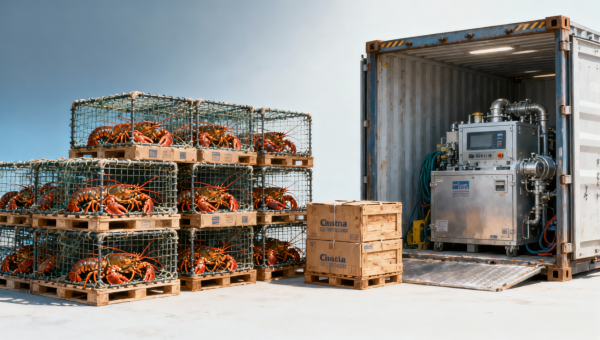
When buyers compare lobster creels bulk quotes, the real cost gap often appears after freight, port handling, packaging, and compliance fees are added. For procurement teams evaluating fish processing machinery, longline fishing gear, or even a block ice machine for fishery, understanding where shipping costs get hidden is essential to protecting margins, delivery schedules, and supplier trust.
Why do lobster creels bulk orders often look cheaper than they really are?
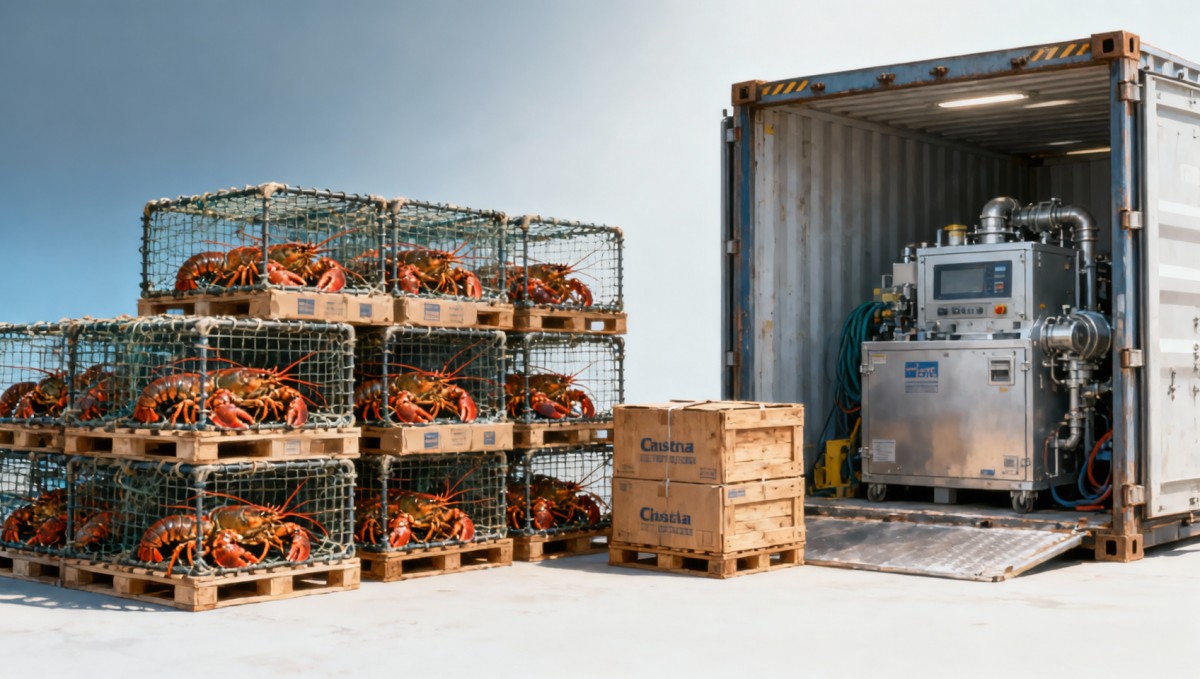
In aquaculture and fishery procurement, the quoted unit price for lobster creels bulk orders is only the visible layer of the transaction. The landed cost can shift significantly once export packing, container utilization, customs documentation, destination port charges, and inland delivery are added. For buyers handling medium to large volumes, even a difference of 5%–12% in non-product cost can change supplier ranking.
This issue becomes more serious when creels are procured alongside related assets such as fish processing machinery, rope systems, bait containers, or a block ice machine for fishery projects. Mixed cargo creates allocation questions: which supplier bears palletization, fumigation, cargo securing, and split-delivery handling? If the quotation does not define these items clearly, the finance team often discovers the gap only after shipment booking.
For operators and technical evaluators, hidden shipping cost is not just a budget concern. It can also affect deployment timing. A delayed export document, a wrong HS classification, or a packaging mismatch can add 7–15 days to a routine shipment. In seasonal fisheries, that delay may mean missing a harvesting window, idle labor, and lower asset utilization.
AgriChem Chronicle focuses on the exact point where technical procurement meets supply chain reality. Across aquaculture & fishery tech and adjacent primary industries, institutional buyers need more than a low ex-works figure. They need transparent cost architecture, practical compliance interpretation, and a reliable framework for comparing offers on equal terms.
The most common hidden cost layers in bulk creel shipping
- Export packaging upgrades, including stackable bundles, moisture barriers, edge protection, or pallet wrapping required for long transit cycles of 3–6 weeks.
- Port and terminal handling charges, especially when cargo misses the cut-off and requires rebooking, storage, or additional documentation review.
- Compliance-related paperwork such as origin documents, fumigation records for wood packaging where applicable, or destination-specific import support documents.
- Inland logistics after arrival, including drayage, warehouse unloading, site transfer, and split delivery to multiple depots or distributors.
Which cost items should procurement teams compare line by line?
A serious comparison of lobster creels bulk offers should move beyond price per unit and into a line-item structure. This is especially important for procurement managers, commercial evaluators, and project leads who must explain the purchase to finance approvers. In practice, 6 core cost buckets usually determine whether one offer is truly competitive or simply incomplete.
The first bucket is product configuration: frame material, mesh specification, entrance design, bait box inclusion, and corrosion resistance treatment. The second is packing density, because container efficiency affects freight cost directly. The third is trade term exposure under EXW, FOB, CFR, or DDP style arrangements. The remaining three are documentation, destination handling, and post-arrival logistics.
The table below helps purchasing teams compare visible and hidden shipping elements in a way that works for lobster creels bulk orders and related fishery equipment purchases. It is also useful when evaluating whether a supplier of creels can coordinate with another vendor shipping fish processing machinery or a block ice machine for fishery under the same project timeline.
This line-by-line view prevents a common mistake: approving a low-priced supplier whose quotation excludes 3 or 4 necessary logistics components. Once those are reinstated, the offer may no longer be cheaper. For distributors and agents, this is especially important because margin planning depends on knowing the true landed cost before committing downstream pricing.
Three practical comparison rules
First, ask every supplier to quote on the same trade basis and packing basis. If one quote is FOB and another is EXW, the comparison is not neutral. Second, request the estimated container loading ratio, such as units per 20-foot or 40-foot container. Third, separate mandatory compliance and optional service items so that financial approval can distinguish operational necessity from convenience spending.
A robust comparison sheet should cover at least 5 dimensions: product specification, packing method, shipping term, documentation support, and destination service scope. That approach reduces the risk of post-award negotiation and supports cleaner decision-making across technical, commercial, and finance teams.
How do packaging, loading efficiency, and mixed cargo affect the landed cost?
For lobster creels bulk orders, packaging is not a minor administrative issue. It directly changes freight economics. A collapsible or nestable design can improve container utilization materially, while rigid, pre-assembled structures may leave void space that buyers still pay to ship. In many fishery projects, packing density has as much impact on landed cost as the quoted product discount.
Mixed cargo adds another layer. A container loaded with creels, rope, buoys, handling bins, and a block ice machine for fishery may require load segregation, moisture protection, and destination-side unpack coordination. That means higher preparation cost at origin and more time at destination. Even an extra 2–4 hours for unloading can translate into demurrage risk if site readiness is poor.
Technical teams should also check whether the supplier’s packing method supports safe stacking height, compression resistance, and handling by forklift or manual labor. A package that works in a dry warehouse may fail in a humid coastal chain. If creels deform during transit, the replacement cost is not limited to product value; it includes lost deployment time and labor interruption.
The table below outlines how packaging and loading choices influence freight exposure and project execution. These ranges are planning references rather than fixed market claims, but they help teams structure a more realistic procurement review.
For project managers and engineering leads, the key lesson is simple: packaging and loading should be treated as technical-commercial variables, not clerical details. When ACC evaluates supplier narratives across aquaculture and industrial supply chains, one consistent signal of supplier maturity is the ability to explain loading assumptions clearly and back them with operational logic.
A 4-step loading review before order confirmation
- Confirm packed dimensions, net weight, gross weight, and stackability for each shipping unit.
- Request a provisional loading plan for the expected container type and shipment batch size.
- Check whether mixed cargo requires separation materials, handling labels, or unloading sequence control.
- Align destination capability: forklift access, labor availability, unloading window, and temporary storage conditions.
What procurement and compliance checks reduce risk before shipment?
Hidden shipping costs often start with hidden assumptions. Before issuing a purchase order for lobster creels bulk supply, buyers should convert assumptions into documented checks. This matters to quality control teams, safety managers, and business evaluators because a shipment that clears technically but fails administratively still creates delay, cost, and accountability problems.
A practical pre-shipment review usually includes 6 checkpoints: product specification match, packing verification, document pack completeness, labeling accuracy, inspection requirement confirmation, and destination import readiness. These checks do not require overengineering, but they do require discipline. In cross-border fishery procurement, a missing detail can trigger storage or inspection costs that exceed the original savings from a lower quote.
Key documentation and compliance areas
The exact requirements vary by market, but buyers should verify commercial invoice consistency, packing list accuracy, origin-related paperwork where applicable, and packaging treatment records if wood materials are used. When orders also involve machinery, electrical components, or refrigeration-related systems, additional destination documentation may be necessary. Procurement teams should not assume that one supplier can automatically manage all document categories across mixed cargo.
ACC’s editorial strength is particularly relevant here because heavily regulated procurement environments demand cross-functional reading. A technical team may focus on trap durability and corrosion resistance; finance may focus on freight exposure; compliance personnel may focus on import readiness. Good sourcing decisions connect all three. That is where sector-specific analysis creates measurable value.
Pre-shipment checklist for commercial buyers
- Confirm whether the quoted shipping term covers origin handling only, port-to-port service, or full site delivery.
- Verify whether lead time is production-only or production plus booking plus transit, which can shift the real schedule by 2–5 weeks.
- Request packing photos or a packing specification before dispatch, especially for repeat orders where configuration changes may be overlooked.
- Check whether destination customs broker instructions and consignee details are finalized before cargo departure.
For distributors, agents, and resellers, this checklist also protects after-sales reputation. If the landed shipment arrives incomplete, mislabeled, or more expensive than quoted, the downstream customer rarely blames the upstream logistics chain alone. They blame the commercial promise attached to the order.
How should buyers evaluate suppliers beyond the initial quote?
Supplier evaluation for lobster creels bulk sourcing should balance price, operational transparency, and execution predictability. A vendor that offers a strong ex-factory price but weak shipping coordination may be suitable for experienced importers with their own freight structure. It may not be suitable for a project buyer who needs synchronized delivery with fish processing machinery, site readiness planning, and internal approval visibility.
A structured evaluation method usually works better than informal judgment. Technical staff can score configuration fit and material suitability. Procurement can score trade term clarity and logistics support. Finance can score cost completeness and exposure to variable charges. Project management can score schedule realism. In many industrial buying teams, a 4-part scorecard prevents short-term price bias from driving a weak long-term decision.
Suggested supplier evaluation dimensions
Use at least 5 criteria when comparing offers: technical conformity, quote transparency, packing plan, documentation support, and shipment coordination capability. If the order value is high or the deployment window is narrow, add a sixth criterion for exception handling: how the supplier manages booking changes, damaged cargo, or document correction after dispatch.
This matters because hidden shipping cost is often a symptom of a deeper issue: poor process discipline. Suppliers that communicate ambiguously on packing, delivery term, or destination responsibility tend to create friction later. By contrast, suppliers that issue clear assumptions early make commercial comparison easier for decision-makers and reduce internal approval cycles.
Questions that reveal supplier maturity
- Can the supplier explain the difference between product lead time, shipping lead time, and landed delivery time without mixing the three?
- Can they provide a realistic packing approach for small batch, medium batch, and container-scale orders?
- Do they clarify which documents are standard and which require extra cost or external coordination?
- Can they support multi-vendor project delivery where creels, cold-chain units, and other fishery equipment must arrive in sequence?
For readers in primary industries and fine chemicals procurement, the broader lesson is transferable. Whether buying creels, processing lines, or sensitive input materials, the cheapest quote is rarely the most useful metric by itself. The better metric is the most credible path to compliant, timely, and fully costed delivery.
FAQ: what do buyers ask most about hidden shipping costs?
How long does a bulk lobster creel shipment usually take?
Lead time depends on production complexity, order size, booking conditions, and destination route. In many practical cases, buyers should separate the timeline into 3 stages: production, export handling, and transit. A supplier may quote 2–4 weeks for manufacturing, but the full landed cycle can extend further once booking cut-off, customs processing, and inland transport are included.
What is the most overlooked freight-related issue in lobster creels bulk orders?
Container loading efficiency is often overlooked. Buyers focus on unit price and assume freight will scale proportionally, but awkward packing geometry can distort freight per unit. If the supplier quotes aggressively on product cost while using a poor packing format, the apparent savings may disappear once the actual shipment plan is finalized.
Is it better to ship creels together with fishery machinery?
It can be, especially when a project needs coordinated installation or synchronized site delivery. However, mixed cargo only works well if responsibility for packing, insurance, documentation, unloading sequence, and final allocation is defined in advance. Otherwise, the project may face extra handling cost and schedule conflict rather than savings.
What should finance approvers ask before signing off a quote?
They should ask four direct questions: what is included, what is excluded, what can vary after booking, and what destination costs remain outside the supplier’s scope. That short review often identifies hidden charges faster than a long technical discussion. It also helps align procurement, operations, and accounting before commitment.
Why work with AgriChem Chronicle when evaluating fishery sourcing decisions?
AgriChem Chronicle serves buyers who operate in regulated, technically demanding, and globally distributed supply chains. That includes aquaculture & fishery tech procurement where lobster creels bulk orders must be judged not only by product design, but also by logistics realism, compliance readiness, and commercial transparency. Our editorial framework is built for decision-makers who need clear, practical intelligence instead of generic market language.
Because ACC covers fine chemicals, agricultural machinery, aquaculture systems, bio-extracts, and feed processing, we understand how complex industrial purchases are evaluated across departments. The same buying committee may include operators, technical reviewers, procurement officers, finance approvers, project leaders, and quality personnel. Good content must help all of them reach a clearer decision faster.
If your team is comparing suppliers for lobster creels bulk orders, fish processing machinery, or a block ice machine for fishery operations, we can help frame the right questions before commercial exposure grows. Consultation topics can include parameter confirmation, packing method review, quote structure comparison, delivery-cycle assessment, destination charge identification, and documentation scope clarification.
Contact ACC when you need a more disciplined basis for supplier selection, not just another quote. We can support discussions around specification alignment, shipment planning, compliance expectations, custom project scenarios, and procurement communication material suitable for technical teams, commercial evaluators, and executive approval workflows.
Related Intelligence
- Commercial FishingGaode Launches First Quadruped Robot, ABot-M0 Open-Source Model for Aquaculture & Poultry InspectionABot-M0: Gaode's open-source quadruped robot for aquaculture & poultry inspection—80.5% task success, field-tested in Brazil & Vietnam. Discover how it transforms autonomous farm inspections.
- Commercial FishingGaode Launches First Quadruped Robot, Open-Sources ABot-M0 for Aquaculture & PoultryGaode launches first quadruped robot & open-sources ABot-M0 — an embodied AI model for aquaculture and poultry automation, with 80.5% Libero-Plus task success.
- Commercial FishingLobster Creels Bulk Orders: Where Shipping Costs Get HiddenLobster creels bulk costs can hide in freight, packing, and compliance. Compare suppliers smarter across fish processing machinery, longline fishing gear, and block ice machine for fishery projects.
The Morning Broadsheet
Daily chemical briefings, market shifts, and peer-reviewed summaries delivered to your terminal.
