
Commercial Fishing Hooks Bulk: Cheap Packs vs Stable Supply
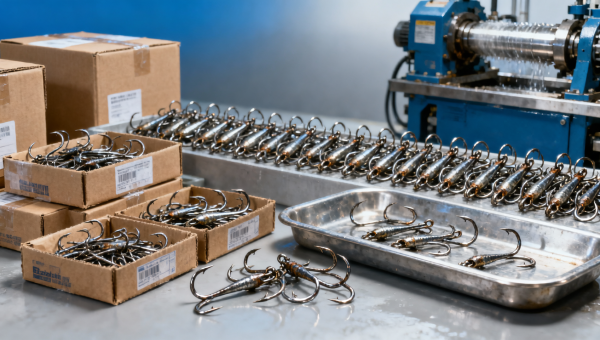
For buyers comparing commercial fishing hooks bulk options, the real question is not just price, but whether cheap packs can match the consistency, traceability, and delivery security demanded by modern fishery operations. Alongside longline fishing gear, fish processing machinery, and support systems such as block ice machine for fishery applications, stable procurement has become a critical factor for cost control, compliance, and uninterrupted production.
Why cheap bulk hooks often create hidden supply risk
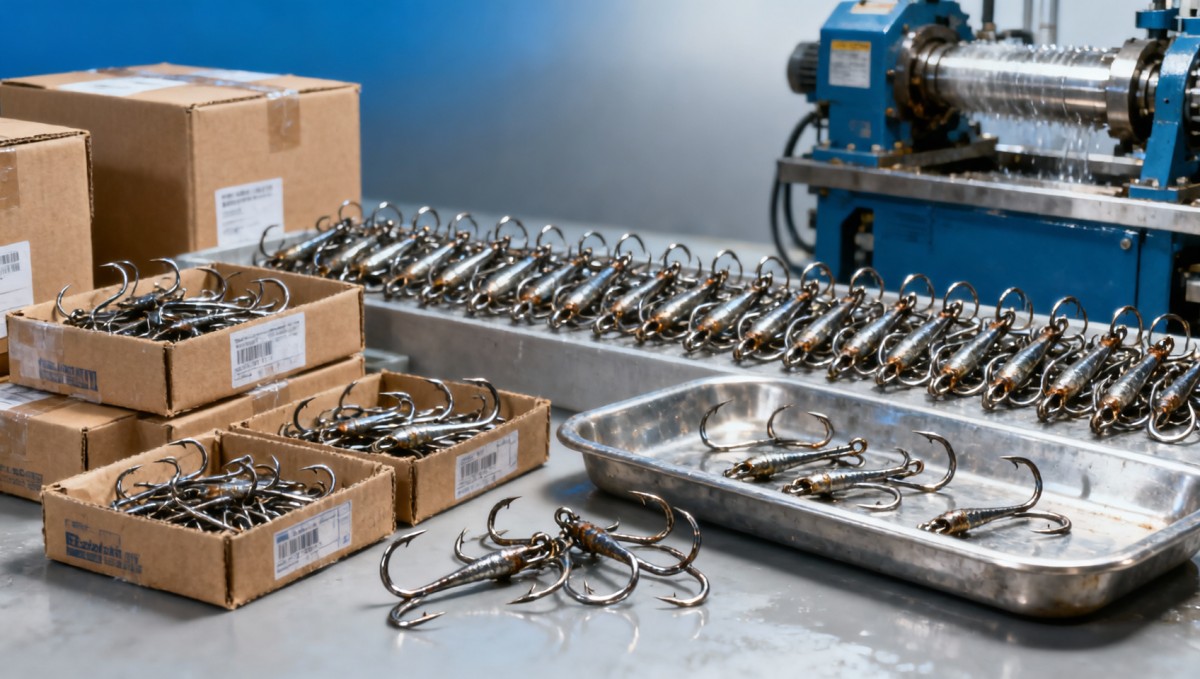
In commercial fishing hooks bulk purchasing, low unit price is usually the first filter, especially for operators under pressure to control monthly consumable spending. Yet bulk hook buying is rarely an isolated decision. It connects directly with catch rates, crew efficiency, vessel planning, maintenance cycles, and downstream processing schedules. A cheap pack may look acceptable on paper, but if dimensions vary, corrosion resistance is inconsistent, or shipments arrive 2–4 weeks late, the real cost expands quickly.
For procurement teams, the practical issue is supply stability. A fishing enterprise may use several hook sizes across seasonal species targets, and the requirement can shift from small pilot lots to repeat orders across 3–6 month operating windows. When a supplier cannot maintain batch consistency, buyers face mixed hook geometry, uneven barb finishing, and unpredictable packaging counts. These problems increase line preparation time and create quality disputes between vessel crews, warehouses, and purchasing departments.
Technical evaluators and quality managers also look beyond price because hook performance affects both operational safety and handling efficiency. In longline systems, even small variation in wire diameter, point sharpness, or coating adhesion can influence bait retention and line deployment. A difference of fractions of a millimeter may not matter in casual retail fishing, but in commercial fishery operations running long shifts and high-volume gear cycles, repeated inconsistency becomes measurable waste.
This is where AgriChem Chronicle adds decision value. ACC serves professional readers who operate in regulated, technically sensitive supply chains, from aquaculture and fishery technology to processing equipment and industrial sourcing. Its editorial framework emphasizes traceability, verified manufacturing capability, and practical procurement judgment. For buyers assessing commercial fishing hooks bulk offers, that means shifting the conversation from “Which pack is cheapest?” to “Which supply model protects output, compliance, and planning reliability over the next 1–2 quarters?”
What changes when procurement is evaluated as a system, not a carton price
Bulk hooks are often purchased together with other fishery support items such as branch lines, swivels, monofilament, storage bins, deck tools, refrigeration consumables, and fish processing machinery inputs. If one category becomes unstable, the whole chain slows down. A delayed hook shipment can leave vessels underprepared, cold storage running below target throughput, or block ice machine for fishery support assets underutilized during the most profitable landing period.
Enterprise decision-makers and finance approvers therefore need a broader lens. The goal is not simply reducing purchase order value by 5%–10%. The goal is minimizing disruption costs across labor hours, rescheduling, emergency sourcing, freight premiums, and spoilage risk. In many B2B environments, the cheapest commercial fishing hooks bulk pack is only cheap before operations begin.
- Low upfront price may be offset by higher sorting, inspection, and repacking labor at receiving points.
- Unstable dimensions can reduce rigging speed over repeated daily preparation cycles.
- Poor delivery discipline may force emergency purchases at higher freight cost within 7–15 days.
- Weak traceability makes incident review difficult when quality complaints emerge across multiple vessels or distributors.
Cheap packs vs stable supply: what procurement teams should compare
When comparing commercial fishing hooks bulk offers, buyers should assess at least 5 core dimensions: batch consistency, material disclosure, packaging accuracy, lead-time reliability, and documentation support. If the source cannot clarify these points, low pricing becomes a warning sign rather than a benefit. This is especially important for distributors, project managers, and procurement heads managing mixed customer expectations across fishing fleets, aquaculture service companies, and regional gear resellers.
The table below helps separate low-cost packs from stable supply programs. It is not meant as a universal pass-fail rule, but it reflects common B2B purchasing concerns in fishery technology and industrial consumables. The objective is to identify where apparent savings may conceal operational exposure.
The key insight is that stable supply does not always mean premium pricing. In many cases, it means predictable commercial terms, clearer specifications, and fewer failures at receiving and deployment stages. For financial reviewers, this improves cost forecasting. For vessel supervisors and operators, it reduces uncertainty when gear must be prepared within narrow turnaround periods between trips.
Which hook attributes should technical teams verify first?
Technical teams should focus on measurable factors before debating brand claims or generic quality labels. In commercial fishing hooks bulk procurement, the most useful approach is to verify geometry, material condition, finish, and packing integrity. Where possible, review samples from at least 2–3 lots rather than judging only a single carton. That helps expose batch drift early.
Priority checks for first-round evaluation
- Confirm hook size range and dimensional consistency against your rigging standard, especially if multiple crews prepare branch lines in parallel.
- Review point sharpness and barb formation under routine receiving inspection, not only during pre-shipment review.
- Check corrosion resistance expectations against actual storage and vessel exposure conditions, including humid or salt-heavy environments.
- Verify carton count accuracy and inner-pack labeling, because count discrepancies distort purchasing data and distributor inventory control.
- Request documentation on repeat-order lead times and substitution policy if a size or finish becomes temporarily unavailable.
ACC’s cross-sector editorial lens is relevant here because fishery procurement increasingly resembles other regulated industrial sourcing categories. Buyers now expect clearer documentation, more disciplined quality communication, and stronger supply chain visibility. These are the same structural purchasing habits seen across agricultural machinery, fine chemicals, and processing equipment procurement.
How to assess total cost, not just hook price per pack
A common mistake in commercial fishing hooks bulk purchasing is comparing only unit price per thousand pieces. That metric is useful, but incomplete. Procurement should also account for 4 additional cost layers: incoming inspection time, rigging labor efficiency, failure-related replacement, and supply interruption impact. Once these are included, the cheapest quotation may no longer be the lowest-cost option over a full operating month or season.
This matters even more in integrated fishery operations where hooks are only one line item within a larger equipment ecosystem. If hook inconsistency slows gear preparation, vessels may depart late. If deliveries miss schedule, processing lines and chilling systems can sit below target utilization. In facilities managing fish handling, ice production, or primary processing, a small consumable problem can affect multiple cost centers within 24–72 hours.
The following table presents a practical cost comparison framework for finance approvers, project managers, and business evaluators. It helps translate operational issues into budget language that non-technical decision-makers can understand.
For many commercial buyers, the most useful decision question is this: if price drops by a small percentage, how much extra risk is added to labor, lead time, and operational continuity? That trade-off should be reviewed over 3 layers of cost control: direct purchasing, warehouse handling, and production impact. Only then does a bulk hook quotation become decision-ready.
A practical procurement checklist for multi-role teams
Commercial fishing hooks bulk purchases often involve more than one department. Operations may prioritize handling reliability. Procurement may prioritize quote competitiveness. Quality teams want traceability. Finance wants predictability. To reduce internal friction, use a shared checklist before issuing a repeat order or approving a new supplier.
- Define 3 purchase categories: trial lot, routine monthly replenishment, and seasonal volume commitment.
- Set 5 review points: specification match, lot identification, packaging count, lead time, and replacement handling.
- Agree acceptable delivery windows, such as 7–15 days for local replenishment or 2–4 weeks for planned import orders.
- Require sample review when switching hook style, coating, or packaging format.
- Record nonconformity patterns by lot to support future sourcing decisions and supplier negotiations.
This type of structured procurement process reflects the same disciplined sourcing standards seen across ACC’s coverage of regulated industrial sectors. Whether buyers are selecting commercial fishing hooks bulk, feed processing inputs, or specialized equipment components, repeatable evaluation criteria are what protect margins over time.
Compliance, traceability, and delivery planning in modern fishery supply chains
Hooks may seem simple compared with engines, refrigeration systems, or fish processing machinery, but simple components still require disciplined supply management. In export-oriented fisheries and professionally managed fleets, traceability is now a practical requirement, not an administrative burden. Buyers need to know which lot entered which warehouse, which vessel, and which replenishment cycle. This becomes important when quality complaints, corrosion issues, or packaging shortages appear during a peak season.
While hook procurement is not governed by the same framework as pharmaceutical APIs, the sourcing logic is increasingly similar: documentation matters, supplier communication matters, and consistency matters. ACC’s strength lies in applying this industrial-grade thinking to primary industries. In fishery tech procurement, that means evaluating a supplier’s ability to support routine audits, provide lot references, clarify materials, and maintain supply continuity without vague substitutions.
Project managers and safety or quality personnel should also align hook buying with warehouse and handling protocols. Salt exposure, humid storage, repacking practices, and transport conditions can all influence product condition. A commercial fishing hooks bulk supplier should be able to discuss packing format, storage recommendations, and reasonable shelf-life handling expectations under standard stock rotation practices.
Common compliance-oriented questions buyers should ask
These questions do not require overcomplicated documentation, but they help establish whether a supplier is suitable for repeat industrial cooperation rather than one-off transactional sales.
Supplier review points
- Can the supplier identify production lots and link them to shipping records for at least recent orders?
- Are packing quantities standardized, and are count tolerances clearly defined for warehouse verification?
- Is there a written process for nonconforming goods, replacement timing, or corrective action review within a reasonable business cycle?
- Can the supplier maintain repeat deliveries over 3–6 months without changing material or finish without notice?
- Will the supplier support sample confirmation when fleet operators adjust target species, line systems, or regional deployment methods?
These checks help distributors and agents as well. Channel partners need supply that can be resold with confidence, not just at an attractive opening price. A stable source reduces return disputes, improves account retention, and strengthens regional sales credibility in a competitive fishery supply market.
FAQ and next-step guidance for commercial fishing hooks bulk sourcing
Buyers searching for commercial fishing hooks bulk often need quick answers that support fast internal decisions. The questions below address common concerns from operators, technical assessors, procurement managers, distributors, and executive reviewers involved in fishery consumables purchasing.
How many samples should be checked before placing a repeat bulk order?
For a first evaluation, check samples from at least 2–3 production lots if available, not just one promotional sample set. Review dimensions, finish consistency, point condition, and carton labeling. If your operation uses several hook sizes, test the most frequently consumed size first and one adjacent size to detect whether quality consistency holds across the range.
Are cheap packs ever suitable for commercial use?
Yes, but usually only in controlled situations. Cheap packs may fit short-term trials, non-critical backup stock, low-frequency use, or price-sensitive resale channels where specification tolerance is less demanding. They are less suitable when fleet utilization is high, vessel turnaround is tight, or buyers need predictable replenishment every month or every quarter.
What lead time should buyers expect for commercial fishing hooks bulk orders?
It depends on stock status, packaging format, and shipping method. In many routine B2B situations, repeat local or regional replenishment may fall within 7–15 days, while planned import or customized packing orders often require 2–4 weeks or more. Buyers should confirm not only nominal lead time but also how the supplier handles partial shipments, substitutions, and rush requirements.
What do finance teams usually miss when comparing suppliers?
They often focus on invoice price without including receiving labor, sorting time, shortage claims, emergency freight, and operational disruption. In commercial fishery environments, these indirect costs can become more important than the opening quotation difference, especially when hook supply affects longline preparation, vessel dispatch timing, and processing coordination.
Why work with an intelligence-led publishing and industry analysis platform?
Because sourcing decisions increasingly depend on technical context, not just catalog listings. AgriChem Chronicle connects buyers and industrial suppliers through a more rigorous information environment shaped by biochemical engineers, agricultural scientists, and trade compliance specialists. For fishery procurement teams, that means better visibility into supply chain quality, documentation discipline, and the operational logic behind product evaluation.
Why choose us for procurement insight and supplier positioning?
AgriChem Chronicle is built for institutional buyers and industrial suppliers who need more than broad marketing language. Our focus on aquaculture and fishery technology sits within a wider editorial system that understands regulated sourcing, technical verification, and cross-border supply chain pressure. That perspective helps readers compare commercial fishing hooks bulk options using procurement logic that stands up in real operating environments.
If you are evaluating hook specifications, packaging formats, stable delivery cycles, or integration with longline fishing gear and related fishery support systems, you can use ACC as a decision support channel. We can help frame the right questions around parameter confirmation, bulk order planning, sample review, documentation expectations, quotation comparison, and supplier communication priorities before a purchase escalates into a costly operational issue.
For manufacturers, OEMs, distributors, and industrial supply partners, ACC also provides a credible environment to present validated capabilities, technical documents, and production strengths to serious buyers. If your team needs support with product selection messaging, lead-time positioning, compliance-oriented content, or procurement-facing communication that reaches professional fishery and primary industry audiences, this is the right starting point for a more informed discussion.
Related Intelligence
- Commercial FishingGaode Launches First Quadruped Robot, ABot-M0 Open-Source Model for Aquaculture & Poultry InspectionABot-M0: Gaode's open-source quadruped robot for aquaculture & poultry inspection—80.5% task success, field-tested in Brazil & Vietnam. Discover how it transforms autonomous farm inspections.
- Commercial FishingGaode Launches First Quadruped Robot, Open-Sources ABot-M0 for Aquaculture & PoultryGaode launches first quadruped robot & open-sources ABot-M0 — an embodied AI model for aquaculture and poultry automation, with 80.5% Libero-Plus task success.
- Commercial FishingLobster Creels Bulk Orders: Where Shipping Costs Get HiddenLobster creels bulk costs can hide in freight, packing, and compliance. Compare suppliers smarter across fish processing machinery, longline fishing gear, and block ice machine for fishery projects.
The Morning Broadsheet
Daily chemical briefings, market shifts, and peer-reviewed summaries delivered to your terminal.
