
Fish Skinning Machine Wholesale: What Changes Unit Cost
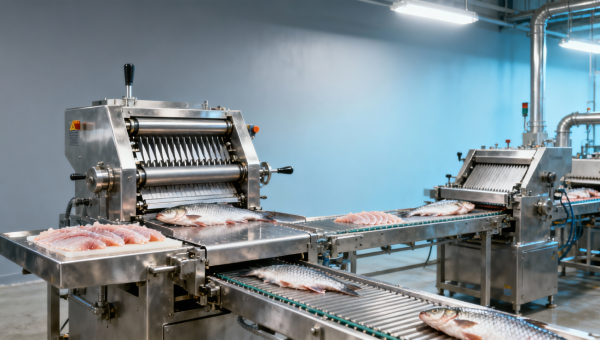
For buyers evaluating fish skinning machine wholesale options, unit cost is shaped by far more than the quoted machine price. Material grade, blade configuration, throughput, hygiene design, and integration with fish processing machinery all influence total investment and operating efficiency. This guide explains the real cost drivers while helping procurement teams compare related equipment such as fish filleting machine commercial systems, commercial fish scaling machine models, and squid peeling machine lines.
What actually changes fish skinning machine wholesale unit cost?
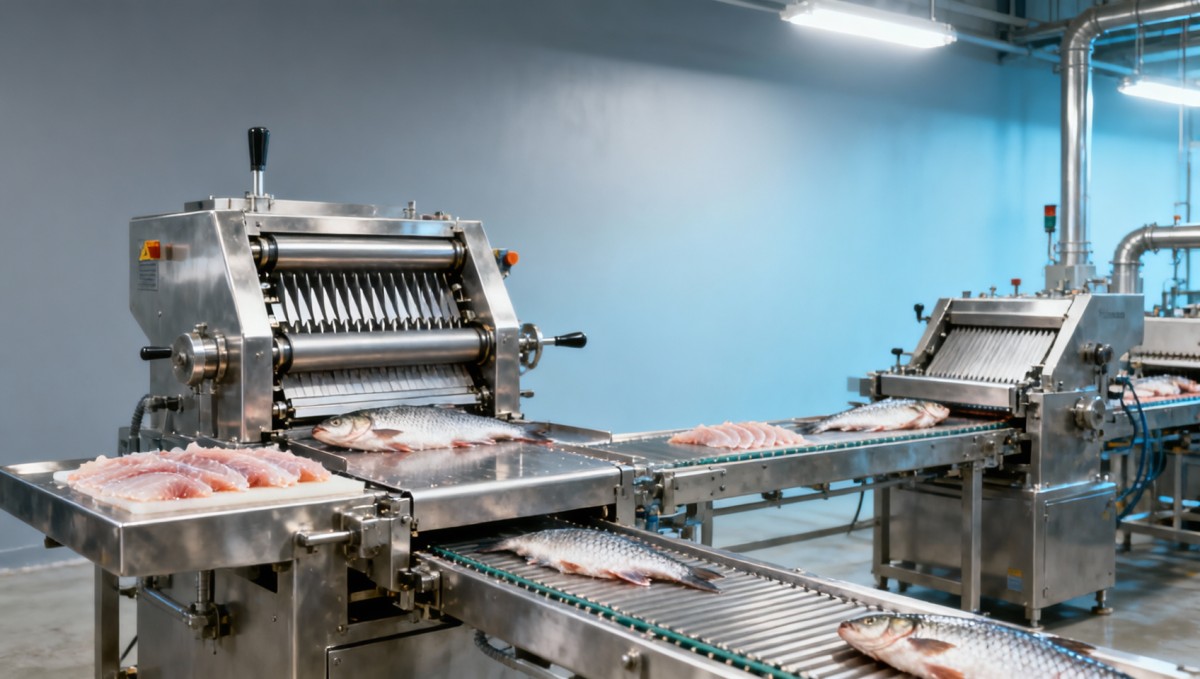
In wholesale sourcing, the unit price of a fish skinning machine usually changes across 5 core dimensions: frame material, processing width, blade and roller assembly, automation level, and hygiene-oriented construction. A compact line for small fillet portions may be priced very differently from a continuous machine built for 8–16 hours of daily operation. For procurement teams, the machine quote is only the starting point.
Technical evaluators often focus on skin removal consistency, yield protection, and adjustment range. Operators care about cleaning time, blade change frequency, and safety guarding. Finance teams want to know whether a lower upfront price will lead to higher wear-part costs after 6–12 months. These viewpoints are all valid because wholesale cost is connected directly to lifetime operating economics, not only to purchase order value.
In fishery processing environments, the machine rarely works alone. A fish skinning machine wholesale decision is often linked with upstream trimming tables, fish filleting machine commercial units, conveyors, and downstream packing stations. Once line integration is required, electrical compatibility, infeed height, discharge direction, and washdown design can increase the real unit cost by a meaningful margin.
AgriChem Chronicle tracks these cost layers through an industrial lens. For institutional buyers, distributors, and project managers, the right question is not simply “What is the cheapest machine?” but “Which configuration protects throughput, hygiene, labor efficiency, and compliance over a 3–5 year operating window?”
The five cost drivers buyers should audit first
- Material grade: machines built with food-contact stainless steel, especially for wet and saline processing areas, generally cost more than mixed-metal structures but reduce corrosion risk and simplify sanitation.
- Blade system: fixed blades, quick-change blades, and precision pressure assemblies affect both purchase cost and yield stability across different fish species and fillet thicknesses.
- Capacity range: equipment sized for low-volume batches differs from systems built for medium or high throughput, often expressed in kg/hour or fillets/minute.
- Automation and controls: variable speed, emergency stops, sensor-linked feed control, and line synchronization increase capital cost but can lower labor dependence.
- Cleaning access and guarding: tool-free dismantling, open frame design, and hygienic weld finishing may increase price but save 15–30 minutes per cleaning cycle in many facilities.
A practical cost framework for wholesale comparison
The table below helps buyers separate visible quotation items from hidden cost variables. This is especially useful when comparing fish skinning machine wholesale offers from multiple suppliers that use similar top-line descriptions but very different technical scopes.
The key takeaway is simple: two machines can look similar on a quotation sheet while carrying very different risk profiles. Procurement teams should request a component-level breakdown and confirm whether the supplier quote covers installation guidance, spare consumables, and compatibility with existing fish processing machinery.
Which technical specifications raise price but improve processing results?
Not every higher-cost feature is necessary, but some specifications materially improve performance. For example, variable feed speed can help processors handle softer fillets, mixed species, or seasonal size variation. In facilities running multiple product formats within a single 8-hour shift, adjustment flexibility can reduce changeover losses and operator intervention.
Blade and pressure geometry are also central to cost. Machines designed for thin skin separation often need finer control than units intended for larger, firmer fish. If the pressure setting is too aggressive, yield drops. If it is too weak, skin remains attached. That is why technical assessment should look beyond motor power and include test conditions, feed behavior, and adjustment repeatability.
Another major factor is hygienic engineering. Open-frame construction, sloped surfaces, protected electrical routing, and easy-access contact parts can raise initial price but support faster cleaning and better contamination control. Quality and safety managers often prefer designs that reduce inaccessible points where fish residue, water, or biofilm can accumulate over repeated production cycles.
Line planners should also evaluate whether a fish skinning machine wholesale order needs to match neighboring equipment such as a commercial fish scaling machine, fish filleting machine commercial module, or squid peeling machine. Shared conveyor heights, synchronized throughput, and compatible sanitation standards can justify paying more for a coordinated processing line rather than isolated standalone assets.
Typical specification areas that affect price bands
The following table summarizes common specification categories that often influence wholesale pricing. These are not fixed market prices, but they are reliable evaluation points for technical and commercial comparison.
A useful purchasing method is to separate “must-have” specifications from “nice-to-have” upgrades. For a distributor stocking standard machines, modular simplicity may matter more. For a processor handling variable species across 2–4 product grades, precision settings and faster sanitation may generate stronger long-term value.
Technical checks before approving a quotation
- Confirm the target fish types, fillet thickness range, and whether skin-on or partial-skin products will be processed.
- Ask for recommended cleaning intervals, typical blade replacement intervals, and expected daily operating duration.
- Verify electrical standard, voltage, frequency, and enclosure suitability for wet processing rooms.
- Request dimensions for infeed height, discharge side, and service clearance if the machine will connect to existing conveyors.
How should buyers compare fish skinning machines with related processing equipment?
Wholesale buyers rarely assess a skinning unit in isolation. Many projects involve a broader seafood processing plan that includes filleting, scaling, peeling, trimming, and packing. When a fish skinning machine wholesale inquiry is part of a larger equipment package, the unit cost should be evaluated against line balance, labor planning, and product loss across the full process rather than against one machine alone.
A fish filleting machine commercial system can reduce upstream manual variability, which improves feed consistency into a skinning unit. A commercial fish scaling machine may be needed earlier in the process if the plant handles whole fish before filleting. A squid peeling machine serves a different product stream, but buyers managing mixed seafood categories may still negotiate package pricing, spare part plans, and training support across the complete machine set.
For commercial evaluators and enterprise decision-makers, this means unit cost should be read in context. A slightly higher skinning machine price may be justified if the supplier can harmonize 3–4 machines under similar control logic, sanitation standards, and after-sales documentation. Fewer compatibility gaps often mean faster commissioning and lower hidden integration expense.
This comparison logic is especially relevant for distributors and project leads who must support multiple end users. Standardized components, easier spare stocking, and similar operator training methods can reduce service complexity across several customer sites within 12–24 months.
Comparison table for related seafood processing machines
The table below is designed for procurement teams that need to compare machine role, cost logic, and integration value across a seafood processing line.
The comparison shows why unit cost analysis should not ignore workflow. If one supplier can align throughput, operator interface, and sanitation methods across related seafood machines, the resulting productivity improvement may outweigh a narrower focus on the lowest standalone fish skinning machine wholesale price.
When a lower quote becomes a higher total cost
- If skinning yield becomes unstable, rework and product loss can offset the initial savings within a short operating period.
- If cleaning takes 20–40 minutes longer per shift, labor cost and downtime increase across every production week.
- If spare parts are non-standard or slow to source, maintenance delays can interrupt line availability during peak orders.
- If integration dimensions are wrong, extra fabrication and conveyor changes can erode the original budget advantage.
What should procurement, quality, and finance teams check before ordering?
A solid fish skinning machine wholesale review should combine technical validation, hygiene assessment, commercial clarity, and lifecycle planning. In many organizations, these checks are split across departments, which can delay approval. The most efficient approach is a 4-step review: application confirmation, technical fit, compliance review, and delivered-cost verification.
For application confirmation, teams should define fish species, fillet temperature condition, moisture level, skin characteristics, and hourly production target. A machine that works well with firmer white fish may require different settings or hardware considerations for softer species. Even a typical 2–3 product mix can change the recommended blade system and feed arrangement.
For quality and safety managers, sanitation design and operator protection deserve equal weight. Request information on contact material, cleaning access, emergency stop position, cover guarding, and maintenance exposure points. In export-oriented processing plants, buyers also commonly ask whether the equipment design aligns with internal hygiene programs and accepted food processing practices.
For finance and commercial teams, delivered cost should include packing, shipping terms, spare consumables, installation scope, documentation, and expected lead time. Depending on configuration and production queue, a standard machine may ship in several weeks, while customized line-ready units may require a longer planning window. That difference should be accounted for early in project scheduling.
Procurement checklist for faster cross-functional approval
- Define 3 operational targets: hourly throughput, acceptable skinning consistency, and maximum cleaning downtime per shift.
- Confirm 4 commercial items: quotation validity, spare part list, lead time, and after-sales support scope.
- Review 5 technical points: power requirement, machine footprint, infeed/discharge direction, adjustment range, and safety layout.
- Check 2 maintenance questions: blade replacement method and routine cleaning access without excessive disassembly.
Compliance and documentation expectations
Because ACC serves procurement and compliance-focused audiences in regulated supply chains, documentation quality should never be treated as secondary. Buyers should ask for equipment drawings, utility requirements, parts lists, operating manuals, and food-contact material information where relevant. Even in general industrial procurement, poor documentation increases approval delays and installation risk.
Where projects involve international shipment, teams may also need to review packaging method, destination voltage adaptation, and the practical handover sequence from supplier to plant engineering team. A documented acceptance checklist with 6–8 inspection items is often more valuable than a generic brochure because it supports measurable commissioning and internal sign-off.
This is one reason AgriChem Chronicle emphasizes verified technical interpretation rather than surface-level product language. Institutional buyers and industrial distributors benefit from structured evaluation criteria that connect machine design to procurement risk, sanitation control, and line economics.
Common buyer questions about fish skinning machine wholesale
How do I know whether a higher-priced machine is justified?
Check whether the added price corresponds to measurable value: more stable yield, easier cleaning, longer operating duty, or smoother line integration. If the upgrade reduces rework, saves even 15–20 minutes of cleaning per shift, or simplifies mixed-species changeover, the commercial case may be stronger than a cheaper unit with higher daily friction.
What lead time should buyers usually plan for?
Lead time depends on whether the order is for a standard machine or a configured processing line. Buyers should separate production lead time, export preparation time, and on-site commissioning planning. For project managers, the safest approach is to map equipment readiness, utility preparation, and operator training into one schedule rather than relying on a single shipment date.
Can one machine handle multiple fish types?
Sometimes yes, but only within reasonable variation ranges. Species, fillet firmness, skin adhesion, and thickness influence the workable adjustment window. If a plant processes very different products, buyers should request application confirmation and, where possible, review test conditions or recommended setup ranges before final approval.
What is the biggest procurement mistake?
The most common mistake is comparing only the quoted machine price without reviewing spare parts, hygiene design, cleaning labor, and compatibility with existing fish processing machinery. In seafood lines, hidden costs usually appear after installation, not before purchase. That is why a full delivered-cost and operating-cost review is essential.
Why work with AgriChem Chronicle when evaluating suppliers and machine options?
AgriChem Chronicle operates at the intersection of technical publishing, industrial market interpretation, and procurement intelligence. For buyers studying fish skinning machine wholesale options, this matters because the decision is rarely about one specification alone. It involves supplier credibility, processing fit, hygiene expectations, integration logic, and the ability to defend the investment internally.
Our editorial focus across aquaculture and fishery technology, processing machinery, and regulated industrial supply chains helps decision-makers compare equipment in a way that aligns with real plant conditions. This is valuable to operators, technical reviewers, procurement teams, quality managers, project leads, distributors, and financial approvers who need structured, commercially relevant information instead of generic sales claims.
If you are assessing a fish skinning machine, a fish filleting machine commercial line, a commercial fish scaling machine, or a squid peeling machine project, you can use ACC as a technical reference point for narrowing options and reducing sourcing uncertainty. We help frame the right questions before capital is committed.
Contact us to discuss parameter confirmation, product selection logic, expected lead time, hygiene and documentation requirements, line integration considerations, spare part planning, distributor cooperation, and quotation comparison. For industrial buyers and OEM partners, these discussions support faster evaluation and more defensible procurement decisions.
Related Intelligence
- Commercial FishingGaode Launches First Quadruped Robot, ABot-M0 Open-Source Model for Aquaculture & Poultry InspectionABot-M0: Gaode's open-source quadruped robot for aquaculture & poultry inspection—80.5% task success, field-tested in Brazil & Vietnam. Discover how it transforms autonomous farm inspections.
- Commercial FishingGaode Launches First Quadruped Robot, Open-Sources ABot-M0 for Aquaculture & PoultryGaode launches first quadruped robot & open-sources ABot-M0 — an embodied AI model for aquaculture and poultry automation, with 80.5% Libero-Plus task success.
- Commercial FishingFish Processing Machinery Upgrades That Cut ReworkFish processing machinery upgrades cut rework fast. Compare block ice machine for fishery, commercial ice flaker machine, squid peeling machine, and filleting solutions to boost yield.
The Morning Broadsheet
Daily chemical briefings, market shifts, and peer-reviewed summaries delivered to your terminal.
