
Why Fish Smoke Color Varies in Commercial Smoker Ovens
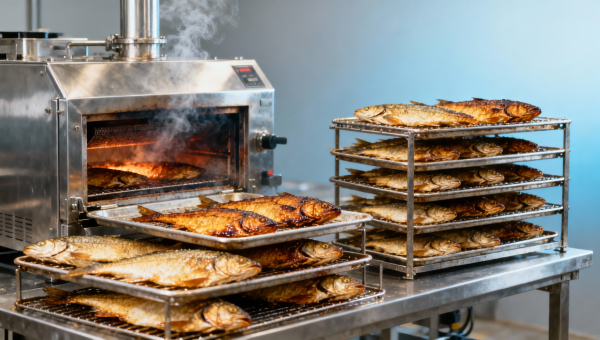
In commercial smoker ovens for fish, smoke color can vary widely due to species, fat content, brining, airflow, wood selection, and temperature control. For processors evaluating surimi processing equipment, fish bone separator machine integration, or a fish meal processing plant, understanding these variables is essential for consistent product quality, compliance, and yield. This article explains the technical causes behind color variation and what buyers, operators, and quality teams should assess.
What actually determines fish smoke color in commercial smoker ovens?
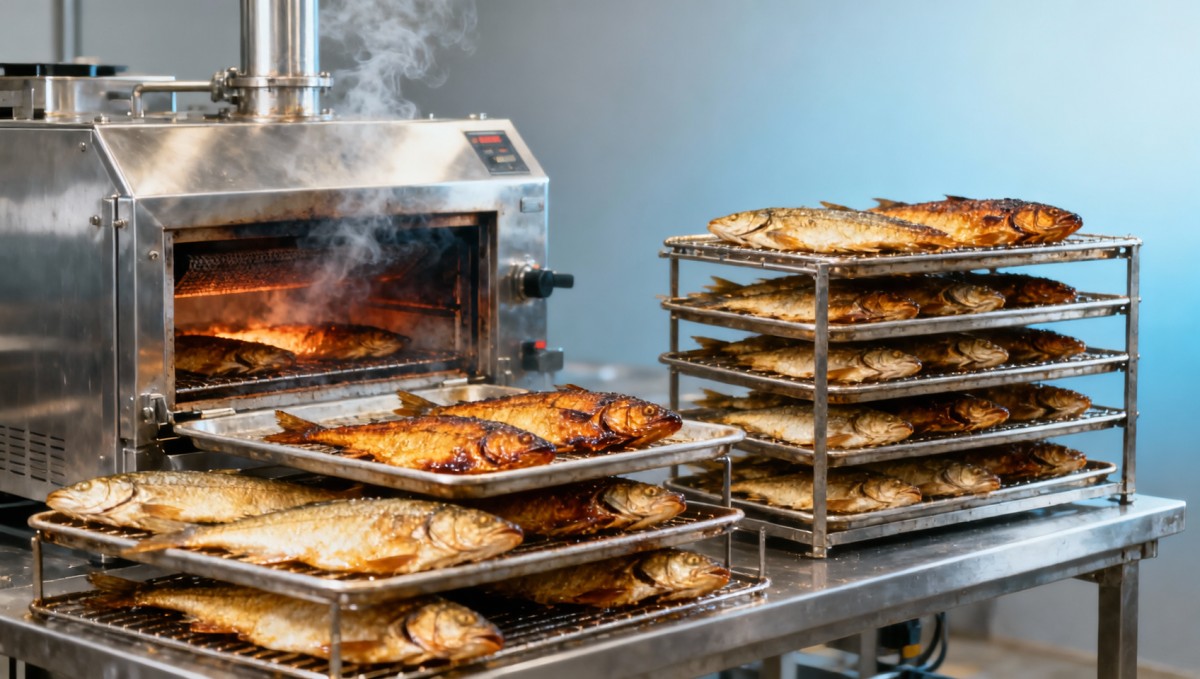
Fish smoke color is not created by one setting alone. In a commercial smoker oven, the final surface tone usually results from the interaction of 5 core variables: raw fish composition, brine chemistry, drying stage control, smoke density, and thermal profile. A processor may run the same oven for 2 batches on the same day and still see visible variation if any of these inputs drift beyond normal operating range.
Species matters first. Lean fish often develop color differently from oily fish because fat distribution affects how smoke compounds adhere and how surface moisture evaporates. Salmon, mackerel, eel, and trout generally respond differently from cod, pollock, or tilapia. Even within one species, fillet thickness, skin condition, and prior freezing cycles can alter the color outcome during a 45-minute to 4-hour smoking process.
Brining also has a strong effect. Salt concentration, sugar addition, phosphate use where permitted, and brining time all influence pellicle formation. If the pellicle is weak, smoke deposition becomes uneven. If the surface is too wet, color may appear patchy or dull. In many production lines, operators target a controlled pre-dry phase of 10-30 minutes to stabilize the surface before smoke is introduced.
Wood type and combustion quality contribute the next layer. Hardwoods such as beech, oak, or maple can create different hue intensity depending on particle size, moisture content, and burn temperature. Excessively wet chips may lead to darker, dirtier-looking deposits, while overly hot smoke generation can shift the product toward bitter notes and over-browning. This is why smoke generator consistency is often as important as oven chamber design.
The 6 most common technical causes of color variation
- Uneven surface drying before smoking, often caused by overloaded racks or insufficient air velocity.
- Variable fish oil content between lots, which changes smoke absorption and gloss.
- Brine inconsistency, including salt concentration drift or uncontrolled immersion time.
- Unstable smoke generation from chips, sawdust, or friction smoke systems.
- Temperature overshoot in the oven chamber, especially during the transition from drying to smoking.
- Airflow imbalance from fan wear, rack arrangement, or blocked circulation zones.
For technical evaluators and quality teams, color variation should be treated as a process indicator rather than a cosmetic issue. A darker or lighter result may signal changes in moisture loss, thermal exposure, or smoke deposition efficiency. That matters not only for appearance, but also for yield, sensory stability, and downstream packaging performance.
Which process stages create the biggest color differences?
In industrial fish smoking, the largest color shifts usually occur across 4 stages: raw material receiving, brining, pre-drying, and active smoking. Buyers reviewing a smoker oven line should not isolate the oven from upstream equipment. If a fish bone separator machine, filleting line, or surimi processing equipment introduces inconsistent surface damage or moisture variation, smoke color will also become less predictable.
At receiving, lot uniformity is critical. Mixed sizes create mixed heating behavior. A thin fillet may dry and darken faster than a thick cut placed on the same trolley. In many plants, a thickness gap of more than 5-8 mm within one rack can already make color grading more difficult. This is why standardized portioning and lot segregation are common in export-oriented fishery operations.
During brining, processors often focus on flavor and water retention, but the visual effect is just as important. A short brine of 20-40 minutes will behave differently from a heavy brine of 2-6 hours. If fish exits the brine with excess surface liquid, the smoker oven must first remove that moisture. Poor transition control between wet loading and smoke exposure often leads to bronze spots, pale zones, or over-dark edges.
The smoking stage itself then amplifies all previous differences. Smoke density, chamber humidity, venting rate, and residence time can either smooth out mild variation or make it more obvious. For example, a moderate smoking profile may hide minor raw material differences, while a high-color target profile can exaggerate every inconsistency in loading, brining, and airflow.
Process-stage comparison for operators and project managers
The table below helps teams identify where fish smoke color variation is most likely to originate and which department should take corrective action first.
For procurement teams, this comparison is useful because it reduces the risk of buying a new smoker oven to solve a problem that actually starts in sorting, brining, or loading. In many facilities, a color defect is a line-integration issue rather than a single-machine defect.
Why upstream integration matters
If the smoked product is linked to surimi processing equipment or a fish meal processing plant within the same operation, color consistency may still matter commercially because downgraded smoked portions can affect whole-fish utilization planning. Better smoke control improves finished product value and reduces avoidable diversion into lower-margin channels.
ACC regularly emphasizes this cross-process view because aquaculture and fishery technology investments rarely perform well in isolation. Institutional buyers increasingly compare not only machine capacity, but also traceability, process stability, sanitation design, and compatibility with broader primary processing workflows.
What should buyers compare when selecting a commercial smoker oven?
A buyer evaluating commercial smoker ovens should compare at least 5 procurement dimensions: airflow control, smoke generation method, recipe repeatability, cleaning access, and production throughput. Many proposals look similar on paper, yet real-world color consistency depends on how well the oven holds these variables over 1 shift, 3 shifts, or seasonal changes in fish raw material.
Airflow is often underestimated. Uniform circulation is necessary to avoid color banding from top to bottom racks. In a medium-capacity plant, even a small imbalance in fan output or baffle design can create measurable differences from the door side to the rear of the chamber. Technical assessment should therefore include airflow mapping or at least a documented chamber uniformity test under realistic loading.
Smoke generation method is the next comparison point. Chip-based systems, friction smoke systems, and external smoke generators each have strengths. What matters is not the label, but the stability of smoke quality over time. Procurement staff should ask whether the system can maintain consistent smoke output across 60-180 minutes without frequent manual adjustment or visible soot build-up.
Control architecture also affects financial risk. A smoker oven with programmable recipes, alarm history, and batch recording supports both quality assurance and approval from finance or compliance reviewers. If an operation sells into regulated export channels, the ability to document process conditions may carry almost as much value as nominal heating capacity.
Commercial smoker oven selection matrix
The following matrix can be used by procurement personnel, technical managers, and distributors when comparing offers from different suppliers.
This matrix is also practical for enterprise decision-makers because it converts technical quality into business language. Better color consistency usually means fewer downgrades, more predictable yield, and easier customer acceptance during product audits or distributor review.
A 4-step buying checklist
- Define product mix by species, size range, and target color grade before requesting quotations.
- Ask for recipe-stage detail, not only chamber capacity and heating power.
- Review cleaning method, maintenance frequency, and spare part access over a 12-month period.
- Confirm whether factory acceptance and on-site commissioning include color validation on your actual fish product.
For finance approvers, this checklist helps distinguish lower-priced offers from lower-risk offers. The lowest capital quote may not be the most economical if it causes frequent color deviation, higher labor intervention, or inconsistent export presentation.
How do compliance, sanitation, and quality control affect smoke color consistency?
Color consistency in fish smoking is closely tied to sanitation and compliance discipline. Residue from previous batches, tar accumulation in smoke lines, or poor cleaning validation can all affect the appearance of later production runs. In regulated food processing environments, quality control teams usually review not only microbiological safety, but also process repeatability, allergen segregation where relevant, and documented sanitation intervals.
For plants serving export markets, alignment with broadly recognized frameworks such as HACCP-based controls, food-contact material requirements, and local FDA or EPA-related obligations can influence equipment specification. While these frameworks do not prescribe one smoke color, they do favor systems that are monitorable, cleanable, and stable. That directly supports consistent smoking outcomes over weekly and monthly production cycles.
Quality teams should define 3 layers of color control: incoming raw material inspection, in-process monitoring, and post-process release criteria. This can include visual grading standards, time-temperature records, and routine checks on brine concentration or smoke generator residue. Even a simple internal grading scale with 4-5 color bands can improve communication between operators, supervisors, and procurement teams.
Project managers should also account for cleaning downtime. In many smoker oven operations, scheduled sanitation may occur daily, while deeper inspection of ducts, fans, and smoke pathways may be weekly or monthly depending on product load. If these intervals are ignored, color variation often appears before a major mechanical problem becomes obvious.
Practical control points for QC and safety managers
- Verify raw material uniformity by species, cut size, and visible fat condition before loading.
- Check brine concentration and contact time at defined intervals, such as every batch or every 2-4 hours.
- Record pre-dry and smoke-stage settings for each recipe, including vent changes and dwell time.
- Inspect smoke pathway cleanliness and chamber residue build-up on a fixed preventive schedule.
- Use photo standards or internal visual references so operator decisions are less subjective.
These practices are especially important in integrated seafood plants where smoked fish, surimi ingredients, and by-product streams may all coexist. A disciplined control system protects product quality, improves audit readiness, and supports commercial credibility with institutional buyers who expect documented process reliability.
Common misconceptions, risk points, and FAQ for commercial fish smoking lines
Many smoke color problems persist because teams diagnose them too narrowly. Operators may blame wood chips, buyers may blame the oven supplier, and management may blame labor. In reality, color variation is often a combined effect of raw material variability, process discipline, and equipment capability. A better diagnosis framework reduces both downtime and unproductive supplier disputes.
Another frequent misconception is that darker smoke color automatically signals better flavor or higher quality. In commercial markets, the acceptable tone depends on customer specification, species, target shelf-life, and regional preference. Over-smoking can reduce sensory balance and may create more trim loss if the surface becomes too dry. The correct target is consistent color within agreed specification, not the darkest possible finish.
Distributors and agents should also remember that demo results from one species may not transfer directly to another. A smoker oven performing well on salmon portions may need recipe redesign for lean whitefish, skin-on fillets, or split fish. Commercial trials should therefore reflect the real product mix expected over 6-12 months, not just a best-case test lot.
Below are common search-driven questions raised by information researchers, technical reviewers, and purchasing teams when evaluating fish smoking color stability.
Why does the same smoker oven produce lighter fish on one rack and darker fish on another?
The most common reasons are uneven airflow, inconsistent loading density, and differences in fillet thickness or moisture. Start by checking rack spacing, fan condition, and whether one area is receiving stronger draft during pre-drying. If the oven is technically sound, review upstream grading. Even a well-designed smoker oven cannot fully compensate for mixed product geometry across one trolley.
How many product trials are usually needed before final equipment approval?
For B2B seafood processing projects, 2-3 structured trials are often more informative than one large demonstration. One trial should confirm baseline performance, another should test the most commercially important product, and a final run can evaluate edge conditions such as heavier loads or a different species. This gives procurement and technical teams a more realistic view of repeatability.
What should be included in a smoke color acceptance standard?
A useful standard usually includes target appearance, acceptable variation band, sampling frequency, and reject criteria linked to batch records. Plants may also include photos, gloss notes, and location-based sampling such as top, middle, and bottom rack positions. This approach helps QC teams move from subjective debate to measurable release decisions.
Is a higher-capacity oven always better for color consistency?
Not necessarily. A larger oven can improve throughput, but if airflow design, loading discipline, or smoke distribution are not matched to the product, capacity alone may increase variability. For many processors, the best choice is the oven that fits actual batch size, labor availability, sanitation window, and upstream pace rather than the largest available chamber.
Why work with AgriChem Chronicle when evaluating fish smoking technology?
AgriChem Chronicle supports buyers and technical stakeholders who need more than basic product descriptions. In sectors where aquaculture equipment, fish processing lines, fine chemical inputs, and compliance obligations intersect, decision quality depends on technically grounded interpretation. ACC’s editorial focus across aquaculture, primary processing, feed systems, and regulated industrial supply chains gives readers a broader framework for evaluating commercial smoker ovens and related equipment.
This is particularly useful for enterprise procurement and project teams comparing fish smoking with adjacent investments such as surimi processing equipment, fish bone separator machine upgrades, or fish meal processing plant integration. The right decision is rarely about one machine in isolation. It is about line compatibility, quality control burden, production economics, maintenance reality, and documentation readiness.
If your team is reviewing smoker oven options, ACC can help frame the discussion around the issues that matter most in B2B purchase decisions: parameter confirmation, product-fit assessment, expected delivery window, customization scope, sanitation expectations, and documentation needed for internal approval. This shortens the gap between technical review and commercial action.
Contact us if you need support comparing commercial smoker oven configurations, clarifying smoke color control factors, aligning fish smoking equipment with upstream or downstream processing, or organizing supplier discussions around batch size, trial planning, compliance expectations, spare parts, and quotation review. For teams that need practical decision support rather than generic market noise, that conversation is where better procurement begins.
Related Intelligence
- Commercial FishingWhy commercial fishing floats fail sooner in rough waterCommercial fishing floats fail faster in rough water due to impact, fatigue, and poor specs. Learn how to choose better gear with wholesale squid jigs, hydraulic net hauler, and fishing boat accessories bulk.
- Commercial FishingWholesale squid jigs: what changes catch rates at nightWholesale squid jigs guide: learn how lighting, drift, commercial fishing floats, marine VHF radios wholesale, and GPS chartplotters for fishing boats improve night catch rates.
- Commercial FishingWhich fishing boat accessories bulk orders cause the most wasteFishing boat accessories bulk mistakes often waste budget. Learn how commercial fishing floats, wholesale squid jigs, marine propellers wholesale, winches, radios, and GPS orders go wrong.
The Morning Broadsheet
Daily chemical briefings, market shifts, and peer-reviewed summaries delivered to your terminal.
