
Wholesale squid jigs: what changes catch rates at night
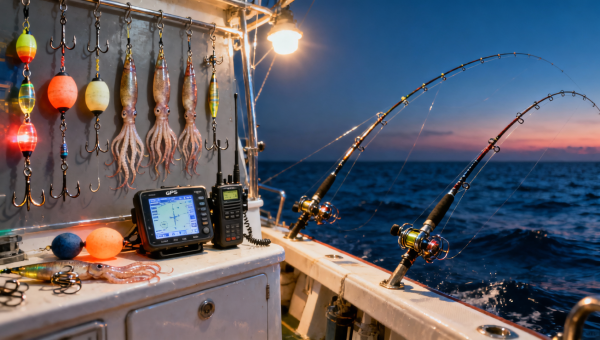
For buyers and operators sourcing wholesale squid jigs, night catch rates depend on far more than lure color alone. Factors such as water clarity, lamp setup, drift speed, and supporting systems—from commercial fishing floats and fishing boat accessories bulk to marine vhf radios wholesale and gps chartplotters for fishing boats—can directly influence efficiency, safety, and harvest consistency.
In commercial squid fisheries, especially for multi-boat operators, distributors, and technical evaluators, the purchasing question is rarely limited to “which jig sells best.” The more practical question is which combination of jig design, onboard setup, operating method, and risk control produces stable night catch rates across changing weather, current, and seasonal conditions. That distinction matters when procurement budgets, crew efficiency, fuel usage, and product quality all depend on predictable harvesting performance.
This article examines what actually changes catch rates at night when buying wholesale squid jigs for commercial use. It is written for research teams, operators, purchasing managers, quality personnel, project leads, and channel partners who need a clearer technical and operational basis for comparing lure options, deck systems, and support equipment in professional fishery environments.
Night squid catch performance starts with the whole fishing system
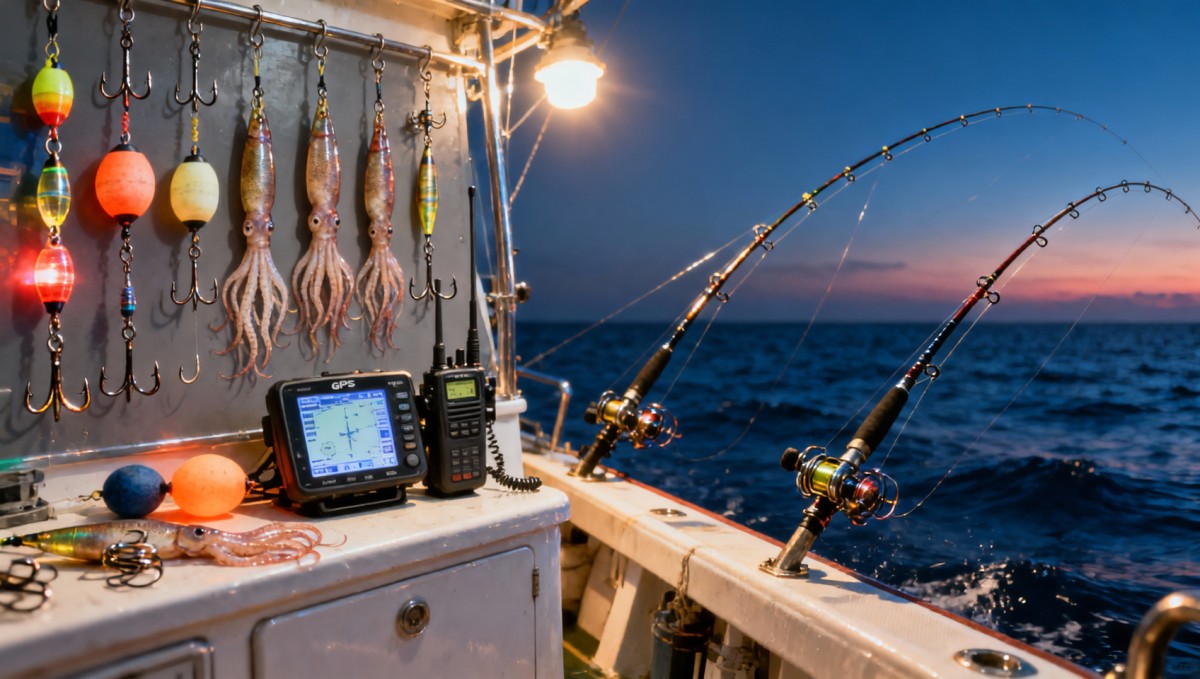
A common procurement mistake is treating wholesale squid jigs as isolated consumables. In practice, night catch rates are shaped by a system made up of 5 linked variables: jig sink behavior, lighting intensity, drift control, line spacing, and situational awareness. If one of these variables is poorly matched, even a well-made jig may underperform during a 6–10 hour night operation.
For operators, catch consistency often improves when jig size, crown sharpness, and body profile are selected together with lamp placement and drift speed. In many fishing grounds, a drift speed of around 0.3–0.8 knots keeps the lure working in a more stable water column. Above that range, the jig can track unnaturally, reducing strike response and increasing line twist.
Technical evaluators should also consider the depth band where squid are most active. In some night fisheries, active feeding may cluster in the top 10–30 meters under light concentration, while in other conditions it shifts deeper due to moon phase, baitfish distribution, or water clarity. This means jig weight and sink profile should be matched to actual fishing depth rather than broad assumptions.
From a B2B perspective, wholesale squid jigs should therefore be assessed as part of a complete operating package. That package may include commercial fishing floats, deck hardware, marine VHF radios, chartplotters, line management accessories, and spare crown sets. Buyers who evaluate the system rather than just unit price usually make better long-cycle procurement decisions over 1 season or 2–3 major harvest windows.
Why lure-only selection often underdelivers
A jig may look attractive in catalog photos, but field performance depends on hydrodynamics and visual triggering. At night, squid respond to contrast, silhouette, glow, movement, and pause timing. If the light source is too harsh, too narrow, or poorly positioned, the same jig may produce very different results on two boats operating only 2 nautical miles apart.
Operators working with wholesale squid jigs in bulk should run controlled comparisons over at least 2–3 nights rather than making judgments from one trip. Variables such as current direction, lamp angle, moonlight, and crew handling error can distort impressions. For procurement teams, trial protocols are more reliable than anecdotal preference.
Core system checkpoints before blaming the jig
- Verify lamp output and spread pattern across the target fishing area, especially if using mixed lighting types.
- Check whether drift remains inside the target band of roughly 0.3–0.8 knots for the chosen rigging style.
- Confirm line spacing and deployment depth so jigs are not clustering in the same layer.
- Inspect crown sharpness after every trip; a small loss in hook integrity can reduce landed catch materially.
Which squid jig specifications matter most in wholesale selection
When evaluating wholesale squid jigs, buyers should compare specifications that directly influence sink rate, visibility, durability, and landing efficiency. The most practical variables are body length, total weight, cloth or skin finish, luminous response, crown layout, and balance in pause-and-drop movement. These are the parameters that change operational results, not just shelf appearance.
For many commercial applications, body sizes in the 2.5–4.0 range cover a useful operating spectrum. Smaller profiles may work better in clear water or on pressured grounds, while larger profiles can improve visibility under stronger current or lower ambient visibility. Weight selection often follows the target depth and current intensity, with heavier jigs helping maintain control below 15–25 meters.
Durability matters because wholesale procurement is tied to replacement cycles. A low-cost jig that loses cloth adhesion, glow quality, or crown alignment after 3–5 trips may cost more over a month than a mid-priced option lasting 10–20 trips under commercial use. This is especially relevant for distributors and fleet managers comparing landed cost instead of carton price alone.
Quality and safety teams should also inspect finishing consistency. Uneven paint, weak adhesive joints, variable crown spacing, and poorly centered weights can create inconsistent descent and erratic action. In bulk orders, even a 5%–8% defect rate can affect field confidence and reorder decisions, especially when multiple crews report uneven performance from the same lot.
Specification comparison for commercial buyers
The table below highlights common squid jig parameters and how they should be interpreted in operational and purchasing terms rather than in purely retail terms.
The key takeaway is that wholesale squid jigs should be selected by fishing scenario and replacement economics. Buyers should ask for consistent lot quality, basic material specifications, and field-test samples instead of choosing by color chart alone.
Practical selection rules for first-round purchasing
- Use 2 body sizes rather than 1 if the fleet operates across mixed water clarity and current conditions.
- Keep at least 1 heavier sink option for nights when bait schools hold deeper than 20 meters.
- Request pre-shipment inspection photos or sample checks on crown alignment and finish consistency.
- Track trip-based loss and damage rates over the first 30 days to confirm real replacement cost.
How lighting, navigation, and deck accessories change night catch rates
Many buyers underestimate how strongly support systems influence squid response at night. Wholesale squid jigs perform best when the vessel creates a controlled and safe fishing zone. That means balanced light concentration, stable drift management, reliable communication, and accurate position tracking. In commercial operations, catch efficiency and crew safety are closely linked rather than separate concerns.
Lamp setup is one of the first performance multipliers. Excessive brightness can scatter bait movement or create uneven attraction zones, while insufficient brightness reduces effective draw radius. Instead of maximizing intensity, operators usually benefit from balanced distribution across the fishing side and controlled spill into adjacent water layers. Adjustment over 30–60 minute intervals can be useful when squid behavior shifts during the night.
Navigation tools matter because repeatable positioning improves repeatable catch. GPS chartplotters for fishing boats help crews return to productive drift lines, identify bottom contours, and compare results across 3–5 nearby locations during a shift. Marine VHF radios wholesale procurement is equally relevant in multi-vessel environments where real-time coordination affects both safety and tactical repositioning.
Fishing boat accessories bulk procurement also influences deck efficiency. Line clips, storage trays, floats, rigging hardware, and anti-slip working areas reduce handling delays and accidental tangles. Over an 8-hour night operation, shaving even 20–30 seconds from each reset cycle can materially improve the number of productive presentations per crew member.
Support equipment priorities by commercial use case
The following table shows how support systems relate to operational outcomes when using wholesale squid jigs in night fisheries.
For procurement teams, the message is clear: if catch rates are the target KPI, then wholesale squid jigs should be budgeted together with the operational accessories that let those jigs perform as intended. This integrated view is often more valuable than pushing for the lowest lure unit cost.
Minimum onboard checks before each night shift
- Confirm radio function, battery condition, and communication protocol for at least 2 channels.
- Load previous drift tracks into the chartplotter and mark 3 fallback fishing areas.
- Inspect lamp mounts, cable stability, and backup lighting components.
- Prepare spare jigs, crowns, clips, and floats to avoid downtime during peak activity windows.
Procurement criteria for buyers, distributors, and project evaluators
For B2B buyers, wholesale squid jigs should be judged through a multi-factor procurement framework. Price matters, but so do lot consistency, packaging suitability, replenishment speed, defect handling, and compatibility with target fishery methods. A distributor may prioritize SKU clarity and reorder stability, while a fleet operator may focus on field durability and reliable delivery within 7–21 days during active seasons.
Financial approvers often ask whether a higher-grade jig is justified. The practical answer depends on trip frequency and loss profile. If the operation runs 15–20 nights per month, a modest increase in unit cost can be offset quickly when fewer replacements, fewer misfires, and less crew downtime produce a stronger landed yield. Total operating value should be measured over the season, not over one purchase order.
Quality control and safety personnel should also be included earlier in supplier evaluation. They can verify packaging protection, corrosion risk in crowns, consistency of luminous coating, and whether cartons are suitable for humid marine logistics. For project managers overseeing vessel outfitting or fleet expansion, supply continuity is as important as product specification because operational delays can disrupt planned deployment windows.
A disciplined procurement review normally includes 4 dimensions: product performance, delivery reliability, inspection consistency, and after-sales responsiveness. This makes supplier comparison more objective and easier to justify internally across technical, operational, and budget stakeholders.
Decision matrix for wholesale squid jig sourcing
The matrix below can help purchasing teams align technical selection with operational and commercial requirements.
This type of structured sourcing model is useful for institutional buyers and distributors because it shifts the conversation from isolated unit pricing to operational reliability, which is where long-term value is created.
Common purchasing errors to avoid
- Ordering a single jig profile for all waters, depths, and lamp conditions.
- Comparing suppliers only on ex-works price without including defect and replacement rates.
- Ignoring deck accessory compatibility, which later slows deployment and retrieval.
- Running no field trial before committing to seasonal volume.
Operational adjustments, maintenance, and common night-fishing FAQs
Even with suitable wholesale squid jigs, catch rates can fall if onboard routines are not standardized. The most effective operators treat nightly setup as a repeatable process: assess water clarity, confirm drift target, tune lighting, rotate jig profiles, and record results by time block. A simple log divided into 60-minute intervals can help identify which combinations work best under changing conditions.
Maintenance is equally important. Salt exposure, impact damage, and crown dulling reduce performance over time. Commercial crews should inspect jigs after every trip and separate units into three categories: ready for immediate reuse, repairable, or discard. This avoids sending degraded gear back into service and protects catch efficiency on the next shift.
For warehouse and fleet teams, it is practical to maintain a rolling spare stock equal to at least 10%–15% of active trip demand during peak season. That buffer helps absorb loss, damage, and sudden catch opportunity without forcing emergency reorders. It also improves financial planning because replacement demand becomes more predictable over a month or quarter.
Below are several frequently asked questions that often arise during technical reviews and commercial sourcing discussions.
How many squid jig specifications should a commercial operator stock?
A practical starting point is 2–3 body sizes and 2 sink behaviors for each main fishing area. That usually gives enough flexibility for differences in clarity, current, and target depth without overcomplicating inventory. Operators with mixed seasonal grounds may expand further, but too many SKUs can make deck selection slower and purchasing harder to control.
How often should jigs be inspected or replaced?
A visual and tactile inspection after every trip is a practical standard. Crowns should be checked for sharpness and alignment, cloth or coating for peeling, and body balance for damage. In high-frequency use, some components may need replacement after 3–10 trips, while well-maintained premium jigs may remain serviceable for longer depending on handling conditions.
What support products should be purchased together with wholesale squid jigs?
The most useful bundled items are commercial fishing floats, rigging accessories, line storage components, spare crowns, deck organization items, marine VHF radios, and GPS chartplotters for fishing boats. These do not replace lure quality, but they directly improve deployment efficiency, safety, and repeatability during night work.
Maintenance checklist for better catch consistency
- Rinse jigs with fresh water after each trip and dry before storage.
- Separate damaged crowns immediately to avoid accidental reuse.
- Track loss and failure by lot number if available.
- Review catch logs weekly to match jig performance with conditions and lamp settings.
For commercial buyers, the main lesson is straightforward: wholesale squid jigs influence night catch rates most when they are selected, tested, and managed as part of an integrated fishing system. Jig size, sink profile, luminous response, lamp setup, drift speed, communication tools, and deck accessories all contribute to harvesting efficiency and consistency.
For research teams, operators, distributors, and procurement managers, a disciplined sourcing strategy can reduce replacement waste, improve field reliability, and support safer night operations. If you are evaluating wholesale squid jigs, related fishing boat accessories bulk solutions, or onboard support equipment for professional fleets, now is the right time to request a tailored specification review, compare supply options, and get a sourcing plan built around your actual fishing conditions. Contact us to discuss product details and explore a more reliable commercial setup.
Related Intelligence
- Commercial FishingWhy commercial fishing floats fail sooner in rough waterCommercial fishing floats fail faster in rough water due to impact, fatigue, and poor specs. Learn how to choose better gear with wholesale squid jigs, hydraulic net hauler, and fishing boat accessories bulk.
- Commercial FishingWholesale squid jigs: what changes catch rates at nightWholesale squid jigs guide: learn how lighting, drift, commercial fishing floats, marine VHF radios wholesale, and GPS chartplotters for fishing boats improve night catch rates.
- Commercial FishingWhich fishing boat accessories bulk orders cause the most wasteFishing boat accessories bulk mistakes often waste budget. Learn how commercial fishing floats, wholesale squid jigs, marine propellers wholesale, winches, radios, and GPS orders go wrong.
The Morning Broadsheet
Daily chemical briefings, market shifts, and peer-reviewed summaries delivered to your terminal.
