
Surimi Processing Equipment That Cuts Wash Water Waste
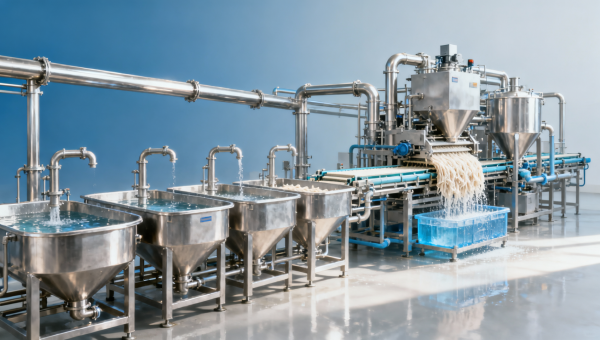
As seafood processors face tighter water regulations and rising operating costs, surimi processing equipment that cuts wash water waste is becoming a strategic investment. For buyers evaluating fish bone separator machine systems, fish oil extraction machine integration, or a full fish meal processing plant, the key is balancing yield, hygiene, and compliance. This guide outlines how modern solutions improve efficiency while supporting safer, more profitable fishery operations.
Why wash water reduction now matters in surimi processing
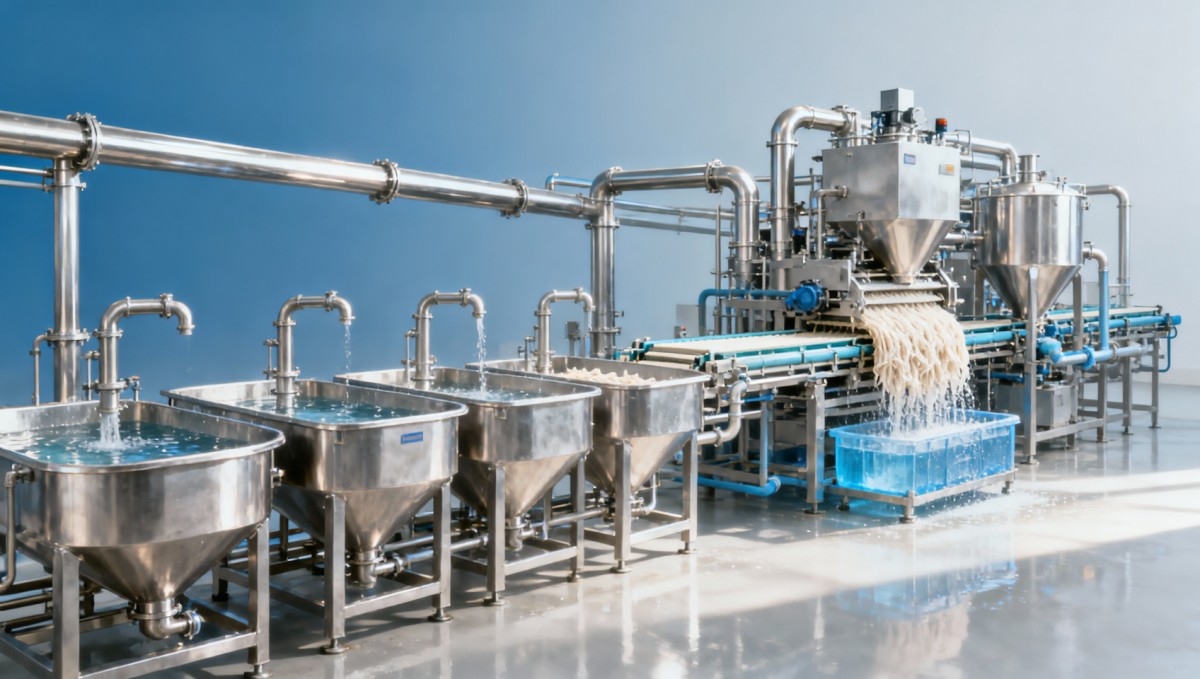
In surimi production, washing is essential for removing blood, fat, enzymes, and soluble proteins that can reduce gel strength and shelf stability. Yet the traditional approach often relies on repeated wash cycles with large water volumes, creating pressure on intake costs, wastewater treatment capacity, and discharge compliance. For operators running 1-shift to 3-shift facilities, water use is no longer a utility issue alone; it is a process design issue that affects throughput, margin, and audit readiness.
This is especially relevant for processors handling mixed raw material streams, such as marine fish, freshwater species, by-product recovery, and integrated lines connected to a fish bone separator machine or fish oil extraction machine. When upstream separation is inconsistent, more solids and fat enter the wash stage, and water demand rises. That creates a chain reaction: more pump load, more sludge, longer cleaning time, and higher risk of unstable product quality from batch to batch.
For procurement teams and technical evaluators, the best surimi processing equipment is not simply the system with the highest nameplate capacity. It is the system that achieves acceptable myofibrillar protein recovery using fewer wash stages, better counter-current logic, and more controlled solid-liquid separation. In practical terms, many projects compare 2-stage, 3-stage, and 4-stage wash concepts, then assess water recirculation, filtration, and cleaning access before making a capital decision.
AgriChem Chronicle follows this category closely because it sits at the intersection of aquaculture and fishery tech, feed and grain processing logic, and regulated industrial operations. Institutional buyers increasingly ask not only how much surimi output a line can deliver per hour, but also how much wash water is consumed per processing cycle, how easily the system can be cleaned within 30–90 minutes, and whether downstream wastewater treatment will require a major upgrade.
What usually drives water waste in conventional lines
The main causes are usually process mismatch rather than one isolated machine fault. A poorly tuned deboner can send excess bone fines and skin particles into washing. Oversized wash tanks may increase retention time without improving extraction. Weak dewatering after each wash stage forces operators to add more water in the next cycle. In some facilities, the line was expanded in phases over 2–4 years, so utilities and controls no longer match the current raw material profile.
- Unstable upstream raw material preparation, including inconsistent fish mince particle size and incomplete removal of hard impurities.
- Single-pass wash design with no recovery loop for clarified water or low-solids reuse in early stages.
- Insufficient screw press or belt press dewatering between wash stages, which dilutes process control.
- Manual operation practices that use excess rinse water to compensate for poor automation or difficult cleaning access.
Which equipment features actually cut wash water waste?
Not every equipment upgrade reduces water use in a meaningful way. Buyers should focus on process features that change how water is introduced, separated, recovered, and controlled. In modern surimi processing equipment, the most valuable improvements often come from integrated design: precision mince preparation, staged washing, efficient dewatering, screened recovery, and automated flow balancing. When these elements work together, operators can reduce unnecessary water addition without undermining product texture.
A practical benchmark is to review the line in 4 linked zones: raw material preparation, washing, dewatering, and side-stream recovery. If one zone is weak, the water savings promised by another zone may never materialize. For example, a high-efficiency wash tank cannot compensate for poor solids removal upstream. Likewise, adding a fish oil extraction machine for side-stream valorization can improve overall plant economics, but it does not replace the need for proper wash-stage control.
The table below summarizes equipment features that buyers commonly assess when comparing surimi processing equipment for water reduction, especially in facilities that also operate a fish meal processing plant or recover oil and protein from by-products. These are not universal performance guarantees; they are procurement and engineering checkpoints used to structure due diligence.
The most important takeaway is that water-saving performance depends on system coordination. A supplier may offer a low-water wash module, but if cleaning points are difficult to access, operators may compensate with longer hose-down cycles. That is why technical audits should include both operating mode and washdown mode, with review of CIP compatibility, drain layout, and typical sanitation time per shift.
Technical points that deserve close attention
1) Flow stability and residence time
Ask whether residence time can be controlled within a practical processing window rather than drifting with feed rate changes. In many facilities, line load fluctuates by 15%–25% within a shift. Equipment that maintains stable contact time and gentle agitation under variable load will usually perform better than tanks sized only for peak capacity on paper.
2) Sanitary design and cleaning frequency
For quality teams and safety managers, cleaning access is not a secondary issue. If the system requires partial disassembly every 8–12 hours of continuous operation, labor and water consumption may rise sharply. Smooth welds, drainable geometry, and accessible screens matter because they influence both hygiene and utility use.
3) Control integration with side-stream equipment
Where a fish oil extraction machine or fish meal processing plant is linked to the same operation, confirm whether solids, fat-rich fractions, and wash rejects are routed in a controlled manner. Poor integration can shift waste from one section to another. Good integration supports resource recovery, lower effluent loading, and a more coherent mass-balance review during project evaluation.
How should buyers compare line options for yield, compliance, and total cost?
Purchasing surimi processing equipment is rarely a stand-alone machine decision. Most buyers compare at least 3 dimensions at once: production suitability, compliance risk, and lifecycle cost. This is why finance approvers often ask different questions than operators. The operator may focus on blockages, cleaning, and yield consistency. The finance team may focus on payback period, utility demand, and whether wastewater infrastructure needs expansion within the next 12–24 months.
A structured comparison is particularly useful when the project includes a fish bone separator machine as the first stage and side-stream recovery downstream. In that setup, the wrong line may look affordable at procurement stage but create hidden costs through water treatment chemicals, sludge handling, downtime during sanitation, and unstable finished surimi performance. This is where disciplined evaluation adds more value than negotiating only on initial quotation.
The following comparison table is designed for technical assessors, project managers, and distributors screening multiple suppliers. It converts broad claims into operational checkpoints. Buyers can adapt the weighting based on plant size, product grade, regulatory environment, and whether the line is intended for export-oriented production.
A useful procurement method is to create a weighted scorecard with 5 key checks: water demand, yield stability, cleaning time, spare parts availability, and compliance documentation. For many B2B projects, the ranking changes once those 5 checks are applied. A machine with lower purchase price may score poorly if operators need extra labor for sanitation or if the effluent stream exceeds current treatment design.
A practical 4-step sourcing workflow
- Define the raw material profile: species, freshness window, expected fat content, bone load, and daily throughput band.
- Map utility limits: intake water availability, wastewater treatment capacity, power range, and cleaning schedule constraints.
- Request process detail, not only brochure data: wash-stage logic, dewatering method, sanitation sequence, and side-stream routing.
- Review whole-plant compatibility: fish bone separator machine settings, fish oil extraction machine tie-in, and possible fish meal processing plant integration.
This workflow helps distributors and project owners avoid specification gaps between departments. It also reduces the common problem where procurement approves one package, but operations later discovers that wash water reuse, CIP, or wastewater routing was never fully defined.
What standards, implementation checks, and operating risks should not be ignored?
In seafood processing, water-saving claims must be assessed alongside food safety, environmental management, and documentation discipline. Depending on the market and export destination, processors may align equipment selection and operating procedures with HACCP principles, sanitary design expectations, local environmental permits, and buyer-specific audit requirements. If the line touches pharmaceutical-adjacent or fine chemical procurement cultures, documentation scrutiny tends to be even stronger.
For project leaders, implementation usually unfolds in 3 stages: engineering review, installation and commissioning, then operator validation. A typical lead time for standard equipment packages may fall within 6–12 weeks, while more customized systems or integrated utility modifications often require 12–20 weeks. Those ranges vary by scope, but they matter because rushed installation often causes piping errors, poor drainage, and control instability that later increase water waste.
ACC’s audience often works in regulated, documentation-heavy purchasing environments. In that context, a supplier should be able to explain material contact design, cleaning logic, utility requirements, and handover documents in a format suitable for technical review. A serious buying process should also include factory acceptance criteria, site acceptance checks, and a clearly defined list of consumables and wear parts for the first 6–12 months of operation.
The checklist below highlights where compliance and project risk often intersect with water-saving goals. It is intended for quality teams, engineering leads, and decision-makers who need a realistic view of implementation rather than a simplified sales narrative.
- Confirm whether all product-contact surfaces, seals, and pumps are suitable for seafood processing sanitation routines and chemical exposure.
- Check drainability and dead-leg risk in wash tanks, pipelines, and recirculation loops to avoid residue retention after shutdown.
- Verify instrumentation points for flow, temperature, and pressure so operators can monitor performance across each wash stage.
- Review wastewater implications before commissioning, especially if current treatment systems were designed for lower suspended solids or lower fat loading.
- Require operator training for startup, product changeover, sanitation, and abnormal condition response within the first 7–15 days after commissioning.
Common misconceptions in water-saving projects
“Less water always means better efficiency.”
Not necessarily. If water is cut too aggressively without adapting agitation, residence time, and dewatering, product quality can suffer. The target is optimized water use, not minimum water at any cost. Process validation should confirm that texture, whiteness, odor profile, and handling characteristics remain within the plant’s commercial specification.
“A single machine upgrade will solve the problem.”
In most cases, water waste is systemic. Upstream raw material handling, wash-stage logic, and downstream recovery must be evaluated together. A fish bone separator machine with poor settings can undo the benefits of an efficient wash module. Likewise, if a fish oil extraction machine is added without proper routing of fatty side streams, water quality in the process loop may deteriorate.
“Compliance only matters after installation.”
That assumption creates avoidable delays. Environmental discharge planning, sanitation review, and utility balancing should be part of the pre-order or pre-installation phase. When those checks are left until commissioning, project teams often face redesign work, delayed acceptance, or temporary operating restrictions.
FAQ and next-step guidance for technical buyers
The questions below reflect common search intent from information researchers, operators, procurement teams, and executive decision-makers assessing surimi processing equipment that cuts wash water waste. They also help frame productive discussions with suppliers, engineering consultants, and specialist publishing partners such as AgriChem Chronicle, which focuses on technically grounded, compliance-aware industrial intelligence.
How do I know whether my plant needs a wash-stage redesign or only a machine replacement?
Start with a simple mass-balance and operations review over at least 3 production runs. Track incoming raw material profile, wash-stage water addition, dewatering performance, cleaning time, and effluent load. If the problem is concentrated in one step, a targeted upgrade may work. If issues appear across multiple stages, a broader process redesign is more likely to deliver sustainable savings.
Which plants benefit most from integrating a fish bone separator machine and fish oil extraction machine with surimi processing equipment?
Plants that handle variable raw material quality, large side-stream volumes, or mixed product goals usually benefit the most. Integration makes sense when the operation aims to recover more value from bones, trimmings, and fat-rich fractions while keeping the surimi line stable. It is especially relevant for facilities planning phased expansion toward a fish meal processing plant or broader by-product utilization strategy.
What should procurement ask about delivery and commissioning?
Ask for a breakdown of engineering time, fabrication window, shipment timing, site preparation needs, and commissioning duration. Standard systems may be delivered in 6–12 weeks, while customized integration projects often take longer. Also confirm who is responsible for utility tie-in, automation testing, training, and post-startup support in the first 30 days.
What is the most overlooked cost in water-saving surimi projects?
It is often the hidden cost of poor integration: extra cleaning labor, unstable wastewater loading, additional sludge handling, and inconsistent product quality that causes rework or downgrade. Those costs rarely appear clearly in initial quotations. A lifecycle review that includes utilities, sanitation hours, maintenance intervals, and treatment burden usually provides a more accurate investment picture.
Why work with a specialized industry journal and intelligence partner?
For institutional buyers and equipment suppliers alike, sector-specific visibility matters. AgriChem Chronicle provides a technical publishing environment shaped by biochemical engineers, agricultural scientists, and trade compliance expertise. That helps procurement teams evaluate supplier claims more rigorously and helps qualified manufacturers present validated capabilities, technical whitepapers, and application knowledge to a serious global audience.
Why choose us for your next evaluation step?
If you are comparing surimi processing equipment, fish bone separator machine configurations, fish oil extraction machine integration, or a broader fish meal processing plant concept, we can help structure the discussion around the questions that matter commercially and technically. Instead of generic promotion, the focus is on parameter confirmation, process fit, compliance expectations, and whole-line decision logic.
You can contact us to discuss 6 practical topics: raw material suitability, wash-stage configuration, utility and wastewater implications, delivery window, customization scope, and documentation requirements. If your project is still early-stage, we can help frame supplier comparison points. If your project is already in budgeting or technical review, we can help refine specification language, shortlist evaluation criteria, and support more informed quotation discussions.
For companies seeking stronger market authority, AgriChem Chronicle also offers a high-credibility channel for translating manufacturing capabilities, technical documents, and application expertise into decision-relevant industrial visibility. That is particularly valuable when you need to reach procurement directors, plant operators, quality teams, and executive buyers who demand more than a standard product page before moving forward.
Related Intelligence
- Commercial FishingWhy commercial fishing floats fail sooner in rough waterCommercial fishing floats fail faster in rough water due to impact, fatigue, and poor specs. Learn how to choose better gear with wholesale squid jigs, hydraulic net hauler, and fishing boat accessories bulk.
- Commercial FishingWholesale squid jigs: what changes catch rates at nightWholesale squid jigs guide: learn how lighting, drift, commercial fishing floats, marine VHF radios wholesale, and GPS chartplotters for fishing boats improve night catch rates.
- Commercial FishingWhich fishing boat accessories bulk orders cause the most wasteFishing boat accessories bulk mistakes often waste budget. Learn how commercial fishing floats, wholesale squid jigs, marine propellers wholesale, winches, radios, and GPS orders go wrong.
The Morning Broadsheet
Daily chemical briefings, market shifts, and peer-reviewed summaries delivered to your terminal.
