
Fish Bone Separator Machine Output Drops? Check These Causes
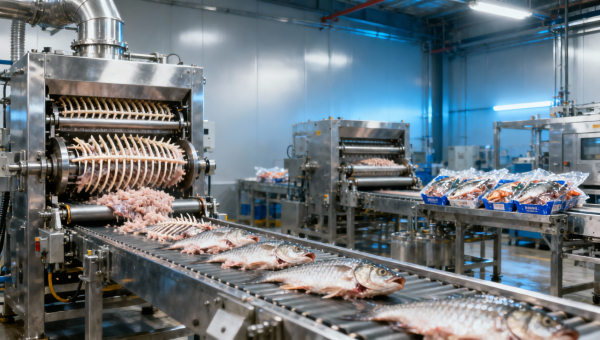
When a fish bone separator machine starts delivering lower output, the root cause is rarely isolated. From raw material variability and wear parts to upstream surimi processing equipment and downstream seafood packaging machine coordination, every stage can affect throughput, yield, and product quality. This guide helps operators, evaluators, and buyers identify the most common causes, reduce downtime, and make smarter decisions for stable fish processing performance.
Why Does Fish Bone Separator Machine Output Drop in Real Production Lines?
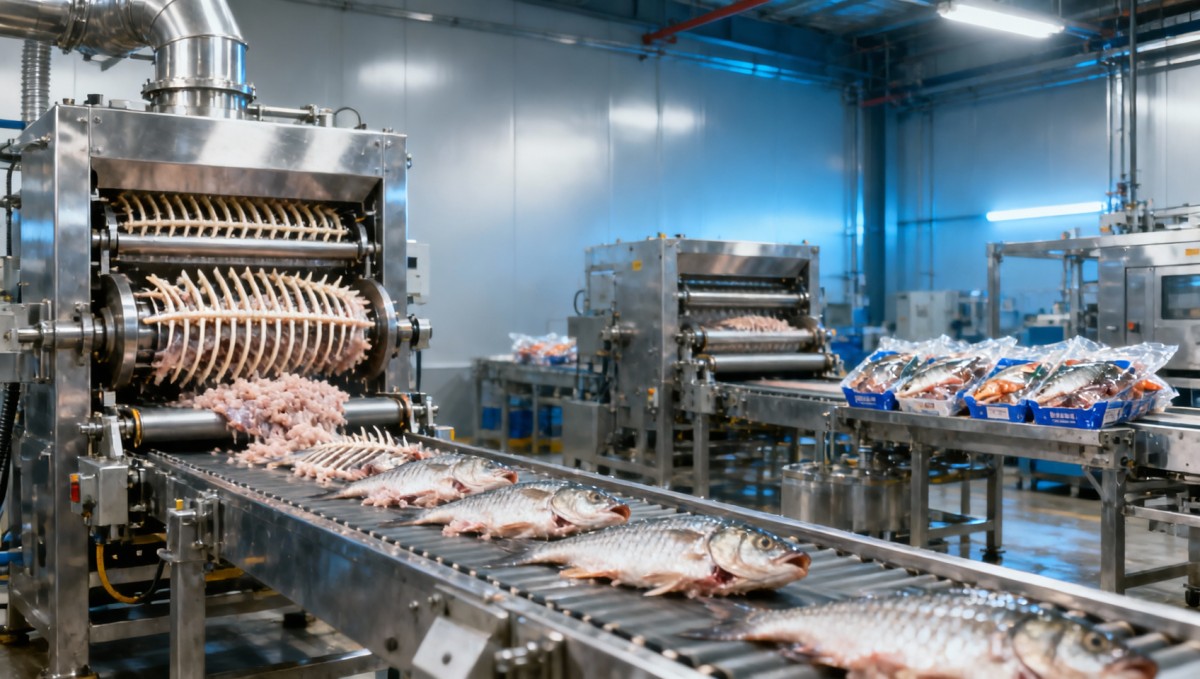
A fish bone separator machine may be rated for a certain hourly capacity, but actual output often declines after 3–6 months of continuous production if maintenance, raw fish preparation, and line balancing are not controlled together. In most seafood plants, the issue is not a single failure point. Output loss usually appears as lower feed acceptance, reduced meat recovery, unstable texture, or rising rework in the next process.
For operators, the first symptom is usually slower discharge and more visible residue left on bones. For quality managers, the warning sign may be increased fragments, inconsistent mince structure, or elevated temperature during separation. For procurement and project teams, lower throughput often exposes a mismatch between machine specification and real raw material conditions, especially when species, fish size, and pre-processing method vary by batch.
In commercial aquaculture and fishery processing, a fish bone separator machine does not work in isolation. It depends on stable upstream feeding, proper trimming, and downstream collection capacity. If the upstream washer, deboner feed conveyor, or surimi refining system fluctuates by even 10%–15%, separator efficiency can fall noticeably because pressure, contact, and material flow become uneven.
This is why technical evaluation should focus on the full process, not only on the separator itself. AgriChem Chronicle regularly emphasizes this systems view because institutional buyers, OEM partners, and industrial processors increasingly need equipment decisions that align with compliance, line integration, and total operating stability rather than headline capacity alone.
The most common production-side reasons
- Raw material inconsistency: fish size, freshness, species, and fillet condition directly change yield and pressure response.
- Wear parts degradation: perforated drum, pressure belt, scraper, and bearings lose efficiency gradually rather than suddenly.
- Improper operating window: feed speed, pressure, and cleaning interval are not adjusted for the current batch.
- Line mismatch: downstream seafood packaging machine or collection system cannot absorb actual output peaks.
Which Causes Should You Check First? A Practical Diagnostic Sequence
When output drops, the most efficient response is to inspect causes in a fixed sequence. This helps reduce unnecessary downtime and prevents maintenance teams from replacing parts that are still usable. In many plants, a 4-step diagnostic routine completed within 30–60 minutes can isolate whether the problem comes from raw fish condition, machine wear, process settings, or line coordination.
Start with the feed material. If fish frames, fillets, or trimmed bodies are arriving at inconsistent thickness or with excess skin, scales, or connective tissue, the separator may appear underperforming even when the mechanical core is healthy. Chilled fish typically behaves differently from partially thawed raw material, and product temperature outside the usual 0°C–8°C processing range can alter separation quality.
Then check contact components. Drum perforation blockage, reduced belt tension, and scraper wear often build slowly across several production shifts. If cleaning is delayed beyond the normal interval, such as every 2–4 hours depending on species and fat load, residue accumulation will narrow the effective separation area and reduce both yield and product consistency.
Finally, verify the settings and surrounding equipment. A fish bone separator machine may show lower output because the feeding conveyor is pulsing, the dewatering step is overloaded, or the collection hopper is causing back pressure. These issues are especially common when a line is expanded in stages rather than designed as a unified system.
Recommended 4-step troubleshooting order
- Confirm raw material condition: species, size range, trimming quality, and product temperature.
- Inspect wear and hygiene points: drum holes, pressure belt, scraper edge, bearings, and seals.
- Review operating parameters: feed speed, pressure setting, cleaning interval, and continuous run time.
- Check process integration: upstream surimi processing equipment and downstream handling capacity.
The table below helps technical teams and plant supervisors narrow likely causes faster by linking visible symptoms to practical checks. It is useful during commissioning, routine operation, and pre-purchase line audits.
A structured diagnostic table prevents teams from reacting only to the most visible symptom. For example, low output and low yield often appear together, but the real cause may differ. One may come from drum fouling, while the other may come from pressure mismatch. Separating these observations improves maintenance efficiency and protects product quality.
How Upstream and Downstream Equipment Influence Separator Throughput
Many buyers evaluate a fish bone separator machine as a standalone asset, but production performance depends heavily on line balance. If the upstream washing, splitting, skinning, or surimi processing equipment feeds material unevenly, the separator cannot maintain a stable recovery rate. Likewise, if the downstream collection, refining, freezing, or seafood packaging machine operates below the separator’s actual pace, output appears to drop because product backs up.
This matters most in plants running mixed species or variable batch schedules. A line configured for one species with medium frame size can struggle when another species with softer tissue or different bone geometry enters the same machine setting. In such cases, the separator may need changes in pressure and feed rhythm every batch or every 1–2 shifts to maintain stable output.
Project managers should also watch utilities and environmental conditions. Water availability for cleaning, chilled room conditions, and floor drainage all affect sanitation and operating continuity. Frequent cleaning interruptions are necessary in fish processing, but poorly designed cleaning access can stretch a 10-minute sanitation stop into 25–30 minutes, which lowers effective daily output even if mechanical speed remains unchanged.
For industrial buyers and distributors, this systems perspective supports a better return on capital expenditure. Instead of purchasing a separator based only on peak specification, decision-makers should compare integrated line capacity, maintenance access, and actual batch profile across a full production day.
Typical line interaction points that reduce throughput
Upstream constraints
- Irregular feeding from trimming or filleting stations, causing surges followed by starvation.
- Poor de-scaling or skin removal, increasing residue and clogging risk.
- Variable chill control, changing tissue firmness and pressure response.
Downstream constraints
- Small intermediate hoppers that force short cycle stops every 15–20 minutes.
- Refining or screening equipment with lower hourly capacity than the separator.
- Seafood packaging machine timing that cannot absorb fluctuating mince flow.
What Technical Parameters and Wear Points Matter Most During Evaluation?
When a fish bone separator machine shows falling output, technical teams should review not only nameplate power and nominal capacity, but also the parameters that shape real separation performance. Drum perforation pattern, pressure control range, contact material, motor stability, sanitation access, and spare parts availability often have a greater impact on long-term productivity than a higher advertised hourly figure.
For evaluators and procurement managers, a practical approach is to divide the machine into three groups: separation core, drive and support system, and hygiene-maintenance design. This creates a clearer basis for comparing different offers, especially when two suppliers present similar capacity numbers but differ greatly in serviceability and process adaptability.
Wear patterns should be reviewed over time, not only at installation. A separator that runs 8–16 hours per day may require periodic inspection of belt condition, scraper edge, bearings, and seals within a monthly or quarterly schedule, depending on the species mix and cleaning intensity. Ignoring these intervals often leads to “invisible” output loss long before a complete stop occurs.
The following table gives a useful framework for technical review. It helps buyers, financial approvers, and engineering teams compare a fish bone separator machine beyond headline price and identify where lower output may emerge over the equipment life cycle.
For quality and safety teams, the hygiene-maintenance design is especially important. If the machine takes too long to clean or inspect, operators tend to delay intervention during busy shifts. That delay often causes both output decline and food safety risk. Evaluating serviceability early can therefore reduce lifecycle cost and improve compliance readiness.
How Should Buyers Compare Repair, Replacement, and Process Optimization?
When a fish bone separator machine loses performance, buyers usually face three options: repair key wear parts, optimize the process around the machine, or replace the unit with a better-matched model. The right choice depends on machine age, spare parts lead time, sanitation design, throughput target, and the economic cost of recurring downtime over a 6–12 month planning horizon.
Repair makes sense when the separator’s core structure remains sound and the decline is linked to predictable wear components. Process optimization is often the lowest-cost path when the machine is still mechanically healthy but suffers from unstable feed, poor raw preparation, or downstream bottlenecks. Replacement becomes more rational when maintenance frequency rises, cleaning time is excessive, or the current model no longer matches species mix and line expansion goals.
Financial approvers should ask a simple but disciplined question: is the plant losing more value through reduced yield, labor time, and stoppages than it would spend on upgrading the separation step? Even a modest daily output gap, multiplied over multiple shifts and seasonal peaks, can materially change the total cost picture.
The comparison below is designed for procurement committees, plant managers, and distributors advising end users. It supports a more structured discussion around cost, risk, and implementation practicality.
For many processors, the best result comes from combining two actions: replace only the worn separation components now, then conduct a line-level audit before the next production season. This staged method helps control budget while giving engineering and procurement teams better data for a future equipment decision.
Procurement checklist before approving a solution
- Confirm whether the current throughput issue is mechanical, operational, or line-integrated.
- Ask for wear parts list, replacement interval, and expected lead time of 7–15 days or local stock availability.
- Review sanitation procedure, disassembly steps, and compatibility with plant hygiene policy.
- Check whether the supplier can support FAT, SAT, commissioning guidance, and operator training.
FAQ: Common Questions from Operators, Buyers, and Quality Teams
How often should a fish bone separator machine be inspected?
A practical rule is to combine per-shift visual checks with deeper weekly and monthly inspections. Per shift, operators should review drum cleanliness, belt contact, abnormal noise, and product appearance. Weekly checks can focus on wear surfaces and fasteners. Monthly or quarterly reviews are appropriate for bearings, seals, and calibration, depending on whether the machine runs 8 hours or 16 hours per day.
Can raw fish temperature really affect output that much?
Yes. Product firmness changes with temperature, and that affects how tissue passes through the separation zone. Material that is too warm may smear and clog surfaces, while material that is too hard or unevenly thawed may reduce recovery or increase fragment risk. Many processors aim to keep incoming material in a controlled chilled range such as 0°C–8°C, then fine-tune pressure according to species and batch condition.
What should procurement teams ask suppliers before buying?
They should ask for more than nominal capacity. Useful questions include: what species range has the machine been designed for, what wear parts typically need planned replacement, how long routine cleaning takes, what utility requirements apply, what spare parts support is available, and whether the supplier can help integrate the separator with surimi processing equipment and seafood packaging machine timing.
Are there common compliance points to consider?
Yes. In export-oriented seafood processing, buyers usually review food-contact materials, cleanability, documentation quality, electrical safety conformity, and plant-specific hygiene protocols. Depending on target market and facility policy, teams may also align the equipment review with HACCP procedures, sanitation validation practices, and broader regulatory expectations relevant to FDA, EPA, or other local food processing frameworks.
Why Work with AgriChem Chronicle for Technical Evaluation and Supplier Communication?
For industrial seafood processors, distributors, and capital approval teams, the challenge is not only identifying why a fish bone separator machine loses output. The larger challenge is translating that diagnosis into a reliable sourcing, upgrade, or integration decision. AgriChem Chronicle supports this process through sector-specific editorial analysis across aquaculture, fishery technology, primary processing, and adjacent industrial equipment categories.
Because ACC works at the intersection of technical review, regulated supply chains, and institutional purchasing behavior, our content is built to help readers compare machinery claims with operational realities. That is especially valuable when buyers must align engineering needs, quality control, compliance expectations, delivery timing, and financial justification within one internal approval process.
If your team is assessing a fish bone separator machine with falling throughput, planning a line upgrade, or comparing alternative suppliers, you can use ACC as a decision support resource. We can help frame the right questions around parameter confirmation, species suitability, cleaning design, spare parts planning, commissioning scope, and documentation readiness before formal quotation review begins.
Contact us if you need support with capacity benchmarking, product selection logic, delivery cycle discussion, customization direction, certification-related concerns, sample or trial evaluation criteria, or structured quotation communication. For buyers who need a clearer bridge between technical facts and procurement action, that is where specialized industry intelligence creates measurable value.
Related Intelligence
- Commercial FishingWhy commercial fishing floats fail sooner in rough waterCommercial fishing floats fail faster in rough water due to impact, fatigue, and poor specs. Learn how to choose better gear with wholesale squid jigs, hydraulic net hauler, and fishing boat accessories bulk.
- Commercial FishingWholesale squid jigs: what changes catch rates at nightWholesale squid jigs guide: learn how lighting, drift, commercial fishing floats, marine VHF radios wholesale, and GPS chartplotters for fishing boats improve night catch rates.
- Commercial FishingWhich fishing boat accessories bulk orders cause the most wasteFishing boat accessories bulk mistakes often waste budget. Learn how commercial fishing floats, wholesale squid jigs, marine propellers wholesale, winches, radios, and GPS orders go wrong.
The Morning Broadsheet
Daily chemical briefings, market shifts, and peer-reviewed summaries delivered to your terminal.
