
When outboard motors wholesale pricing gets misleading
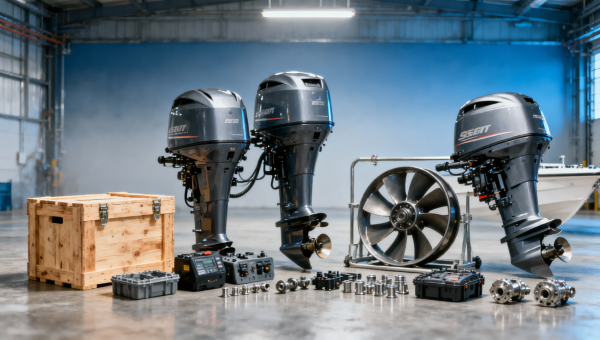
Misleading outboard motors wholesale quotes can distort total vessel costs, especially when buyers also source marine propellers wholesale, marine diesel engines for fishing boats, and fishing boat accessories bulk. For procurement teams, operators, and technical evaluators, understanding what is included, excluded, or intentionally obscured is critical. This article explains how to compare offers with confidence, reduce compliance and performance risks, and protect long-term commercial fishing investment decisions.
In commercial fishing, aquaculture support fleets, and coastal service operations, an apparently low wholesale engine quote often becomes expensive after freight, rigging, controls, test documentation, spare parts, and warranty limitations are added. For buyers handling multi-item marine sourcing, the real issue is not just engine price, but total landed and operational cost over 12 to 36 months.
This matters to different stakeholders in different ways. Operators care about fuel burn, starting reliability, vibration, and maintenance intervals. Procurement teams focus on quote clarity, supplier scope, and shipment terms. Technical reviewers examine shaft length, mounting, propeller match, electrical compatibility, and corrosion protection. Finance approvers want fewer budget surprises and a cleaner capex forecast.
Why outboard motors wholesale pricing becomes misleading in practice
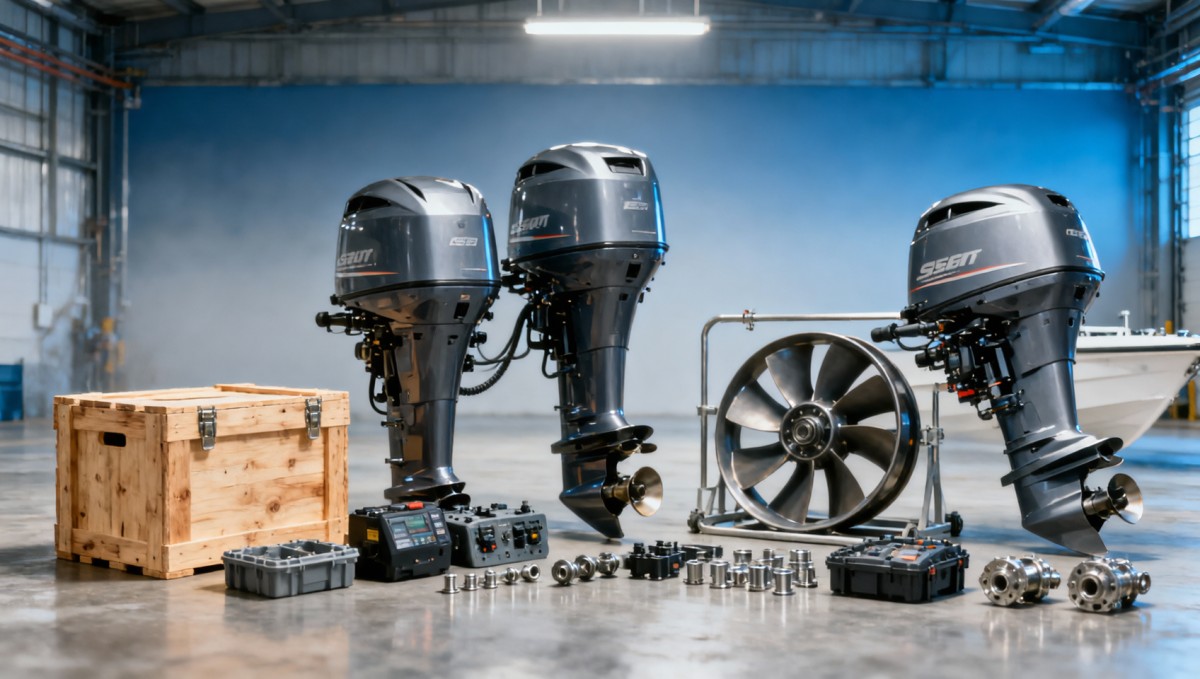
The most common problem is quote fragmentation. A supplier may present a competitive unit price for a 40HP, 60HP, or 115HP outboard motor, but omit the wiring harness, throttle control, digital display, propeller, steering kit, or pre-delivery inspection. On paper, the offer looks 8% to 18% lower. In execution, the final invoice may exceed a fuller quote from another vendor.
Another issue is specification ambiguity. A quote may say “complete outboard motor set” without clarifying whether it includes standard aluminum propellers, stainless alternatives, fuel tank assemblies, trim gauges, or installation hardware. In wholesale transactions involving 5, 10, or 20 units, even a missing accessory package worth a few hundred dollars per unit can materially affect total project cost.
Delivery terms also create pricing confusion. EXW, FOB, CIF, and DDP are not interchangeable. A low EXW quote may leave the buyer responsible for export packing, inland haulage, customs documentation, destination clearance, port storage, and final trucking. For bulky marine machinery, logistics can add 6% to 15% depending on destination, season, and crate requirements.
Typical hidden cost categories
Procurement teams should request a line-by-line commercial breakdown before comparing suppliers. This is especially important when the engine purchase is bundled with marine propellers wholesale or fishing boat accessories bulk, because bundled quotes can hide uneven margins across components.
The practical conclusion is simple: a low outboard motors wholesale quote is not automatically a low procurement cost. Buyers should compare normalized offers with the same scope, same Incoterm, same accessory list, and same warranty basis before ranking suppliers.
- Request a full bill of supply, not a headline unit price.
- Confirm whether propeller, controls, and cables are included per engine.
- Match trade terms across all bidders before financial evaluation.
- Check if packing is seaworthy for 3 to 6 weeks of transit exposure.
How to compare wholesale engine offers on a like-for-like basis
A structured comparison model reduces confusion and protects internal approvals. In most B2B marine purchases, the best method is to convert all offers into a normalized procurement sheet with 4 layers: equipment scope, technical fit, logistics terms, and lifecycle support. Without this structure, the cheapest quote can win too early and create rework later.
Technical fit is the first control point. A 25-inch shaft and a 20-inch shaft are not interchangeable on every transom configuration. The same applies to steering type, alternator output, weight distribution, and fuel system compatibility. If the hull, load profile, and duty cycle are not reviewed, engine cost comparisons become meaningless because performance outcomes differ.
The second control point is bundled marine sourcing. A buyer may compare one supplier quoting outboard motors wholesale with another offering a package that also includes marine diesel engines for fishing boats, spare propellers, filters, and fishing boat accessories bulk. In such cases, line-item transparency matters more than nominal bundle discounts.
A practical quote comparison matrix
The table below can be adapted by procurement, engineering, and finance teams. It helps identify whether a low quote is genuinely competitive or simply incomplete.
A disciplined comparison often changes supplier ranking. The offer that is 10% cheaper at first glance may become 4% more expensive after missing accessories, compliance papers, and freight charges are included. For finance teams, this normalized method supports cleaner capex approval and fewer post-award variations.
Four-step internal review process
- Engineering validates horsepower range, shaft length, boat duty cycle, and propeller compatibility.
- Procurement aligns all quotes to a single commercial template and Incoterm.
- Quality or safety reviewers check manuals, emissions declarations, packing, and test records.
- Finance compares total landed cost, spare parts exposure, and warranty risk over 12 to 24 months.
Technical and compliance details that should never stay vague
Outboard engine procurement becomes risky when the commercial team approves quotes without technical closure. At minimum, the buyer should confirm rated horsepower, operating RPM range, shaft length, steering system, trim mode, gear ratio, and standard propeller specification. A small mismatch in any one of these items can reduce vessel efficiency or complicate installation.
Documentation is equally important. Depending on destination market and project type, buyers may need packing lists, serial number records, basic factory test notes, material declarations for selected components, and warranty terms that state claim windows and covered parts. If the boat is used in regulated fishery or aquaculture environments, traceable documentation supports inspections and insurance handling.
For combined sourcing projects, technical clarity must extend beyond the outboard motor itself. Marine propellers wholesale orders should specify material grade, pitch, diameter, and intended engine match. Fishing boat accessories bulk purchases should define corrosion resistance, electrical ratings where relevant, and packaging quantities. If marine diesel engines for fishing boats are also part of the project, installation envelopes and fuel system interfaces need separate review.
Key items to verify before purchase order release
- Engine configuration: 2-stroke or 4-stroke where applicable, horsepower band, full-throttle RPM, and shaft length.
- Accessory scope: propeller included or excluded, fuel tank, hoses, remote control box, cables, battery leads, and mounting hardware.
- Support package: user manual language, spare parts recommendation for the first 250 to 500 hours, and warranty process timing.
- Packaging standard: anti-corrosion protection, shock-resistant crating, labeling, and serial number traceability for each unit.
Common ambiguity signals in supplier quotations
Certain phrases should trigger follow-up questions: “standard package,” “complete set,” “export packing,” or “recommended propeller.” These terms are too broad on their own. A reliable quotation should define quantities, part categories, and exclusions clearly enough that warehouse, engineering, and finance teams interpret them the same way.
Buyers should also check lead times carefully. A quoted 15-day production cycle may cover engines only, while propellers, steering kits, or accessories require an additional 2 to 4 weeks. When a project depends on synchronized delivery, split lead times can disrupt vessel commissioning and labor scheduling.
Managing risk across procurement, operations, and lifecycle cost
The commercial risk of misleading outboard motors wholesale pricing is immediate, but the operational risk lasts longer. If the wrong propeller is supplied, fuel efficiency can decline, acceleration may suffer, and engine loading can become suboptimal. If controls or electrical interfaces are mismatched, installation delays can push back launch schedules by days or even weeks.
Downtime cost should be part of the buying decision. For a working fishing vessel or support craft, one lost week in peak operating season may cost more than the initial discount on a low headline quote. That is why operators and project managers should review serviceability, not just purchase price. Parts availability within 48 to 72 hours can be more valuable than a marginal upfront saving.
Quality and safety personnel should focus on predictable maintenance. A useful procurement package includes recommended consumables, inspection intervals, and storage guidance for spare items. Even if actual schedules vary by workload and environment, basic planning around 100-hour, 250-hour, and annual checks creates better budget control and less reactive maintenance.
Risk control priorities by stakeholder
The table below shows how different decision-makers should read the same quotation. This avoids the common problem of one team approving what another team later finds incomplete.
The key takeaway is that risk control is cross-functional. A robust buying process reduces not only commercial surprises but also operational interruption, maintenance uncertainty, and warranty disputes over the first service cycle.
Common red flags before supplier selection
- Unit price is unusually low but exclusions are not listed.
- Lead time is very short for engines, controls, and propellers together.
- Warranty language is general and does not define claim workflow.
- Specifications differ slightly from one revision of the quote to the next.
FAQ for buyers evaluating wholesale marine power packages
Many search-driven inquiries on wholesale marine power packages come from mixed teams that include sourcing staff, operators, and distributors. The questions below address the most common decision points seen in commercial buying cycles.
How can I tell whether an outboard motors wholesale quote is complete?
Ask for a signed commercial scope sheet listing engine configuration, propeller, control box, cables, gauges, mounting hardware, packing type, documentation, warranty terms, and Incoterm. If any item is marked “standard,” request the exact part description. A complete quote should allow warehouse, engineering, and finance teams to verify the same scope without assumptions.
What should be reviewed when marine propellers wholesale is part of the same order?
Check diameter, pitch, material, rotation direction where relevant, and intended engine match. For multi-boat fleets, it is useful to order at least 1 to 2 spare propellers per operating cluster, especially where grounding risk or floating debris exposure is common. The wrong propeller can reduce performance even if the engine itself is correctly specified.
Is it better to buy outboard motors and fishing boat accessories in one package?
Bundling can simplify coordination, but only if line-item transparency is preserved. A combined package may reduce supplier management effort and shipment planning, yet it can also hide high margins on accessories. Compare bundle price against separated line items and confirm whether accessories share the same lead time and warranty support.
What is a reasonable lead time for wholesale marine engine orders?
Lead times vary by quantity, season, and configuration. For standard stock-linked items, 2 to 6 weeks is common. For bundled packages including controls, propellers, and fishing boat accessories bulk, 4 to 8 weeks may be more realistic. International shipping can add another 1 to 5 weeks depending on route and customs conditions.
When outboard motors wholesale pricing gets misleading, the real safeguard is disciplined comparison. Buyers should normalize quote scope, verify technical details, align trade terms, and estimate first-year operational cost instead of reacting to a headline number. This approach supports stronger decisions for fishing fleets, aquaculture service vessels, distributors, and engineering-led marine projects.
AgriChem Chronicle supports industrial buyers and technical decision-makers with practical sourcing intelligence across marine equipment, processing systems, and regulated supply chains. If you need help evaluating supplier offers, refining RFQ criteria, or building a clearer procurement framework, contact us to get a tailored solution and discuss your sourcing priorities in detail.
Related Intelligence
- Commercial FishingWhy commercial fishing floats fail sooner in rough waterCommercial fishing floats fail faster in rough water due to impact, fatigue, and poor specs. Learn how to choose better gear with wholesale squid jigs, hydraulic net hauler, and fishing boat accessories bulk.
- Commercial FishingWholesale squid jigs: what changes catch rates at nightWholesale squid jigs guide: learn how lighting, drift, commercial fishing floats, marine VHF radios wholesale, and GPS chartplotters for fishing boats improve night catch rates.
- Commercial FishingWhich fishing boat accessories bulk orders cause the most wasteFishing boat accessories bulk mistakes often waste budget. Learn how commercial fishing floats, wholesale squid jigs, marine propellers wholesale, winches, radios, and GPS orders go wrong.
The Morning Broadsheet
Daily chemical briefings, market shifts, and peer-reviewed summaries delivered to your terminal.
