
Marine VHF radios wholesale: which specs matter offshore
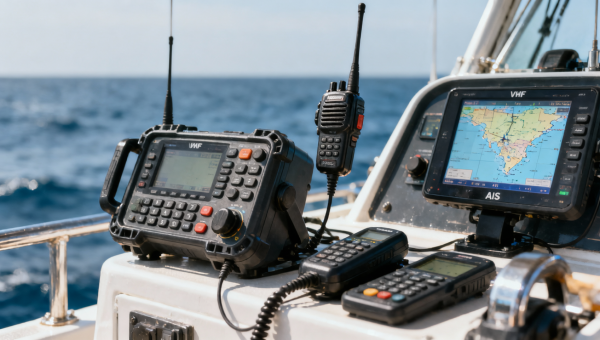
For offshore buyers comparing marine vhf radios wholesale options, the right specs directly affect safety, range, and compliance. Whether you also source gps chartplotters for fishing boats, commercial fishing winches, hydraulic net hauler systems, or fishing boat accessories bulk, understanding waterproof ratings, DSC, AIS support, channel coverage, and integration needs helps procurement teams and operators avoid costly mistakes.
In commercial fishery, aquaculture support fleets, patrol craft, and offshore workboats, a marine VHF radio is not a minor accessory. It is part of the vessel’s operational safety layer, crew coordination system, and distress communication chain. For distributors, technical evaluators, and project managers, wholesale selection should therefore focus on measurable specifications rather than generic claims about “long range” or “rugged design.”
The challenge is that offshore requirements differ sharply from nearshore leisure use. Salt spray, vibration, 12V or 24V power variation, bridge noise, and round-the-clock watchkeeping create a harsher environment. A radio that is acceptable on a small inshore boat may become a failure point after 6 to 12 months offshore if ingress protection, speaker output, DSC setup, or antenna matching are overlooked.
This guide is written for information researchers, operators, technical reviewers, procurement teams, finance approvers, safety personnel, and marine equipment resellers who need a practical buying framework. It breaks down which marine VHF radios wholesale specifications matter most offshore, how to compare options, where integration risks appear, and what to document before placing a multi-unit order.
Core offshore specifications that should drive wholesale selection
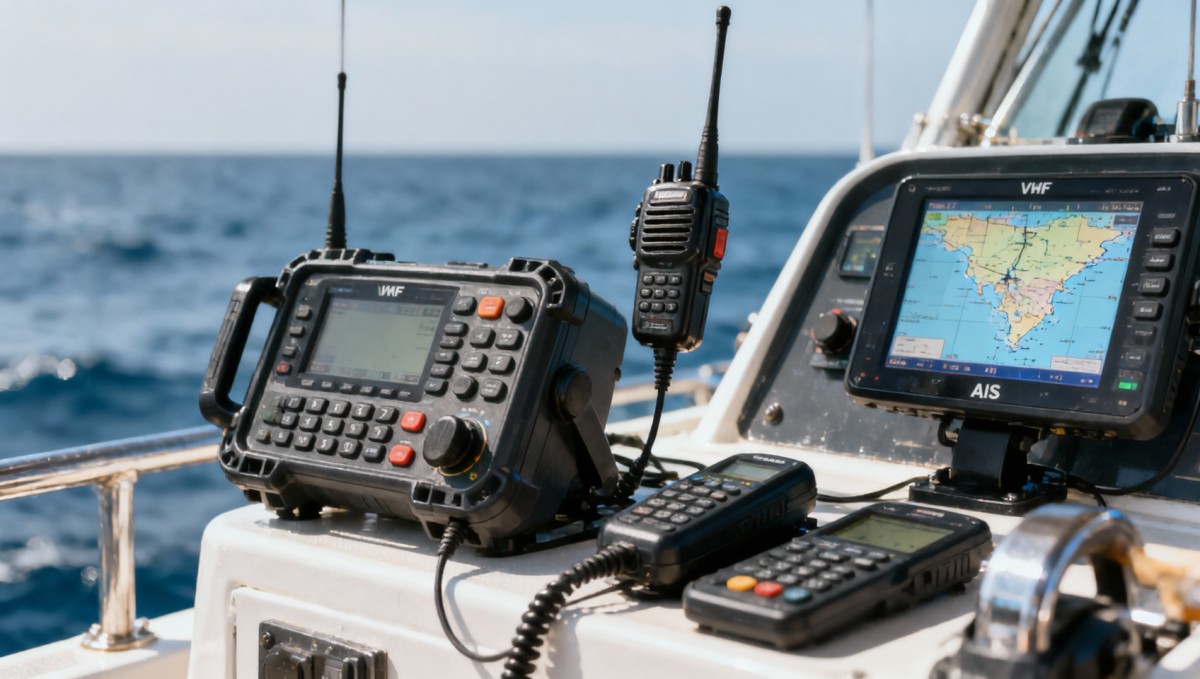
The first filter in any marine VHF radios wholesale evaluation is output class and environmental durability. For fixed-mount offshore radios, buyers typically expect selectable transmission power such as 1W for close-range traffic and 25W for operational communication at sea. Handheld units may range around 1W, 3W, 5W, or 6W depending on market category, but fixed units remain the standard for serious offshore deployment.
Waterproofing is equally important, but buyers should avoid treating all water resistance labels as equivalent. In practical procurement, IPX7 and IPX8 are the common reference points. IPX7 generally means the unit can survive temporary immersion under defined conditions, while IPX8 indicates a higher continuous immersion resistance defined by the manufacturer. For exposed wheelhouse doors, open deck consoles, and fish handling areas, the higher rating usually reduces replacement frequency.
Audio performance also deserves more attention than many tenders give it. Offshore vessels often operate with engine noise, hydraulic noise, and weather noise above comfortable speech level. A radio with weak front speaker output or poor noise rejection may pass a bench test but fail in real operation. Procurement teams should ask for speaker power, microphone clarity, and whether remote speaker microphones or external speaker connections are supported.
Display visibility matters on night watches and during daytime glare. A clear backlit display, large channel digits, and simple menu architecture reduce training time for crews rotating across vessels. For fleets with 10 to 50 boats, even a 15-minute reduction in operator familiarization per crew handover can meaningfully improve adoption and reduce emergency-use errors.
Minimum specification checklist for offshore fixed-mount units
Before asking for quotes, technical and purchasing teams should define a minimum performance baseline. This makes RFQ comparison more transparent and limits the risk of selecting lower-grade units that only look similar on a product sheet.
- Transmit power: dual level, typically 1W/25W for normal port and offshore use.
- Ingress protection: preferably IPX7 or IPX8 for exposed commercial environments.
- DSC capability: Class D is commonly preferred for distress and routine digital calling.
- GNSS input or built-in GPS: critical for accurate distress position transmission.
- Channel coverage: international, US, and Canadian channel sets where trade routes require them.
- Power supply compatibility: 12V and, where needed, 24V through approved conversion arrangements.
The table below summarizes how common offshore specifications should be interpreted during a wholesale review.
The main conclusion is straightforward: offshore buyers should treat 25W transmission, higher ingress protection, DSC functionality, and reliable position input as baseline criteria rather than upgrades. In wholesale procurement, these four items often separate operational-grade radios from entry-level products aimed at occasional coastal users.
DSC, GPS, AIS, and integration with the wider bridge electronics package
For technical evaluators, the most costly mistake is buying a marine VHF radio as a standalone device without checking system integration. Offshore fleets increasingly operate radios alongside GPS chartplotters, AIS transceivers, sonar displays, alarm panels, and external antennas. If the communication device cannot exchange basic navigation data, its practical emergency value drops sharply even if the radio itself is certified for marine use.
DSC is central here. A digital selective calling-capable radio can send distress alerts and routine calls with reduced voice traffic, but only when setup is complete. That means MMSI programming, valid GPS position input, and crew familiarity with the distress workflow. In procurement terms, the unit should support stable NMEA connectivity or built-in GNSS so that a distress call includes the vessel’s location within seconds rather than relying on manual voice reporting.
AIS support is another decision point. Not every radio must display full AIS target data, but for offshore commercial users, compatibility with AIS-related information can improve situational awareness. Buyers should distinguish between radios with AIS receiver function, radios that only interface with external AIS devices, and basic radios with no AIS handling at all. The right choice depends on bridge layout, watchkeeping habits, and whether a chartplotter already provides vessel traffic visualization.
Integration planning is especially important when radios are purchased together with gps chartplotters for fishing boats, deck machinery controls, and fishing boat accessories bulk. If a project involves 8, 20, or 40 vessels, even minor connector or protocol mismatches can delay installation by 1 to 3 weeks and increase labor cost across the fleet.
What to confirm before approving a system package
- Check whether the radio has built-in GPS or requires external position input.
- Confirm NMEA protocol compatibility with existing chartplotters or navigation sensors.
- Verify whether AIS data is internal, external, or not supported.
- Review antenna requirements, cable length, and connector types before shipment.
- Request installation drawings for wheelhouse, mast, and power distribution points.
Typical integration choices by vessel profile
A small inshore support boat may accept a simpler setup, but an offshore fishing vessel or aquaculture service boat benefits from a more connected bridge. The table below helps procurement and engineering teams align radio features with vessel mission requirements.
The key takeaway is that integration is not a luxury feature. It is part of operational readiness. Buyers comparing marine vhf radios wholesale packages should ask not only “what channels and power does it have?” but also “how does it fit the rest of the electronics stack over the next 3 to 5 years?”
Compliance, channel coverage, and safety factors procurement teams cannot ignore
Offshore purchasing decisions are often delayed or complicated by compliance gaps that were not identified during early sourcing. Marine VHF radios operate inside a regulated communication environment. Procurement officers, quality teams, and safety managers should therefore verify market suitability, channel set availability, labeling, and operational documentation before purchase orders are released.
One practical issue is channel coverage. Depending on where vessels trade, buyers may need international channels only, or a combination of international, US, and Canadian channel sets. A unit supplied for the wrong market can create workflow problems during inspection, resale, or cross-border operation. For fleets that move across multiple jurisdictions within a 12-month operating cycle, flexibility in channel selection can be a major advantage.
Emergency use procedures must also be considered. DSC distress operation is only useful if crews understand how to trigger it, the MMSI has been correctly programmed, and the radio receives valid position data. A technically compliant product with poor documentation can still create operational non-compliance. This is why many institutional buyers now ask suppliers for user manuals, installation instructions, and training support as part of the bid package.
Safety-related accessories should not be treated as afterthoughts. Antenna quality, coaxial cable integrity, mounting location, and power stability all influence actual communication performance. In some cases, a poor antenna installation reduces effective communication reliability more than choosing between two similar radio models. For offshore workboats, maintenance review every 6 months is a reasonable baseline, with more frequent checks in high-salt or high-vibration service.
Common compliance and safety checkpoints
- Confirm the radio supports the channel groups required for target waters and resale markets.
- Verify DSC operation, MMSI programming process, and position input method.
- Check whether manuals and labeling are suitable for crew training and inspection review.
- Review antenna specifications, installation environment, and cable loss limits.
- Include commissioning and functional testing in the acceptance checklist before vessel departure.
Where buyers often misjudge risk
A frequent error is assuming a radio’s advertised feature list equals system readiness. In reality, offshore reliability depends on at least 4 linked elements: the radio unit, the antenna system, the power feed, and correct installation. Another mistake is focusing only on initial unit cost without measuring total ownership factors such as replacement rate, training time, spare parts availability, and installation rework.
For distributors and fleet buyers, documented pre-shipment checks are worth requiring. Even a simple 5-point outbound inspection covering power-on function, DSC menu access, channel switching, GPS input recognition, and microphone clarity can reduce field issues after delivery. This is particularly valuable when consolidating radios with hydraulic net hauler systems or other marine equipment in one export shipment.
How to evaluate total procurement value in marine VHF radios wholesale projects
Wholesale buying should not stop at unit price comparison. Finance approvers and procurement managers need a broader value model that balances cost, operational uptime, service support, and installation efficiency. A lower purchase price may be justified for sheltered inshore use, but offshore fleets usually benefit from a more durable specification if the lifecycle is expected to exceed 24 to 36 months.
Order structure matters as well. Some buyers source radios separately, while others bundle them with gps chartplotters for fishing boats, power accessories, antennas, deck communication hardware, or fishing boat accessories bulk. Bundled procurement can reduce coordination cost and shipping events, but only if the supplier provides clear packing lists, compatibility notes, and after-sales responsibility boundaries.
Lead time is another overlooked factor. Standard wholesale orders may move in 2 to 4 weeks depending on stock status and destination, while customized packaging, multilingual manuals, or consolidated marine electronics kits can extend schedules. Project managers should ask for a timeline that distinguishes sample validation, order confirmation, production or allocation, testing, and export dispatch.
For multi-vessel rollouts, standardization often delivers more value than feature variation. If one fleet of 15 vessels uses the same control layout, microphone type, and installation method, crew training becomes easier, spare management improves, and service teams can carry fewer replacement parts. Standardization also simplifies dealer support and reseller stocking strategy.
A practical procurement scoring model
The following comparison matrix can help teams align technical, commercial, and operational criteria before approving a supplier shortlist.
This table shows why marine vhf radios wholesale purchasing should be treated as a lifecycle decision. The best-fit supplier is often the one that combines dependable specifications with cleaner implementation, clearer documents, and realistic support terms rather than simply the lowest ex-works price.
Recommended 5-step buying process
- Define vessel profile, operating waters, power system, and bridge equipment already onboard.
- Set minimum technical criteria including 25W power, DSC, IP rating, and channel requirements.
- Request sample or engineering documents for compatibility review before bulk commitment.
- Confirm lead time, accessory list, packaging, and acceptance test points in writing.
- Plan installation, crew familiarization, and a 6-month inspection schedule after deployment.
For resellers and agents, this process also improves quotation quality because it turns a broad “send me your best radio” request into a specification-led RFQ that is easier to compare and easier to win internally.
FAQ for offshore buyers, engineers, and marine distributors
How many watts should an offshore marine VHF radio have?
For fixed-mount offshore use, 25W maximum transmit power with a 1W low-power option is the common commercial expectation. The real communication outcome still depends on antenna height, antenna quality, cable condition, and surrounding conditions, but 25W remains the normal benchmark for offshore operational use rather than a premium extra.
Is built-in GPS necessary if the vessel already has a chartplotter?
Not always, but it is often beneficial. If the radio can receive stable position data from the chartplotter through a compatible connection, external GPS input may be sufficient. However, built-in GPS adds redundancy and can simplify installation, especially across fleets where wiring consistency varies from vessel to vessel.
What waterproof level is appropriate for offshore workboats?
IPX7 is generally a workable baseline, while IPX8 is often preferred for harsher exposure, deck-adjacent installations, or high-washdown operating patterns. Buyers should also review enclosure quality, connector sealing, microphone durability, and mounting location because system survival offshore depends on the full installation, not only the label.
What documents should wholesale buyers request before ordering?
At minimum, request the product specification sheet, installation manual, user guide, wiring or interface notes, packing list, and warranty terms. For larger projects, also request sample inspection criteria, accessory details, and lead-time breakdown. These documents shorten internal approval cycles for technical teams, safety reviewers, and finance departments.
How often should offshore radio systems be checked after installation?
A practical baseline is a function test before departure, basic operator checks weekly, and a more detailed inspection every 6 months. In heavy-salt, high-vibration, or continuous-duty applications, more frequent review may be appropriate. Testing should include power-up, channel switching, antenna condition, microphone audio, DSC menu access, and GPS position recognition.
For offshore operations, the most important marine vhf radios wholesale specifications are not the ones that look impressive in a catalog, but the ones that protect communication continuity at sea: 25W transmission, dependable waterproofing, DSC readiness, accurate GPS input, appropriate channel coverage, and clean integration with the rest of the bridge. When these elements are aligned, fleets reduce avoidable failures, simplify crew use, and strengthen safety procedures.
For buyers also sourcing chartplotters, deck systems, or fishing boat accessories in bulk, a specification-led sourcing plan creates better long-term value than isolated product comparisons. If you need help evaluating marine radio configurations for offshore fishing, aquaculture service, or workboat fleets, contact us to discuss your vessel profile, required features, and documentation needs. Get a tailored solution, compare suitable options, and move your next procurement decision forward with more confidence.
Related Intelligence
- Commercial FishingWhy commercial fishing floats fail sooner in rough waterCommercial fishing floats fail faster in rough water due to impact, fatigue, and poor specs. Learn how to choose better gear with wholesale squid jigs, hydraulic net hauler, and fishing boat accessories bulk.
- Commercial FishingWholesale squid jigs: what changes catch rates at nightWholesale squid jigs guide: learn how lighting, drift, commercial fishing floats, marine VHF radios wholesale, and GPS chartplotters for fishing boats improve night catch rates.
- Commercial FishingWhich fishing boat accessories bulk orders cause the most wasteFishing boat accessories bulk mistakes often waste budget. Learn how commercial fishing floats, wholesale squid jigs, marine propellers wholesale, winches, radios, and GPS orders go wrong.
The Morning Broadsheet
Daily chemical briefings, market shifts, and peer-reviewed summaries delivered to your terminal.
