
GPS chartplotters for fishing boats that stay readable in spray
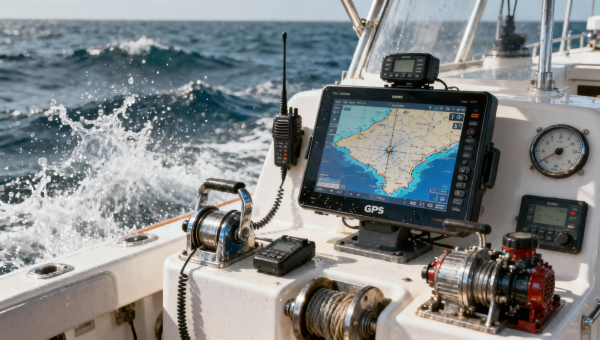
For operators and buyers working in harsh marine conditions, gps chartplotters for fishing boats must remain clear through spray, glare, and constant vibration. This guide examines how readable displays fit into broader vessel outfitting decisions alongside marine vhf radios wholesale, commercial fishing winches, hydraulic net hauler systems, and marine diesel engines for fishing boats, helping technical teams compare reliability, safety, and procurement value.
In commercial and small-fleet fishing operations, screen readability is not a cosmetic feature. It directly affects route confirmation, hazard avoidance, gear deployment timing, and coordination between wheelhouse staff and deck crews. When spray accumulates on the display, sunlight hits at a low angle, or the hull begins to slam in cross chop, a chartplotter that looked impressive in a showroom can become difficult to read in less than 10 minutes of real work.
For technical evaluators, procurement teams, safety managers, and project leads, the decision is broader than selecting a display size. It involves ingress protection, bonding with onboard power systems, compatibility with sonar and AIS, mounting geometry, serviceability, and whether the unit remains usable during 8- to 14-hour shifts. Readability in spray must therefore be assessed as part of a complete vessel electronics and machinery package rather than as a standalone purchase.
Why Readability in Spray Matters on Working Fishing Boats
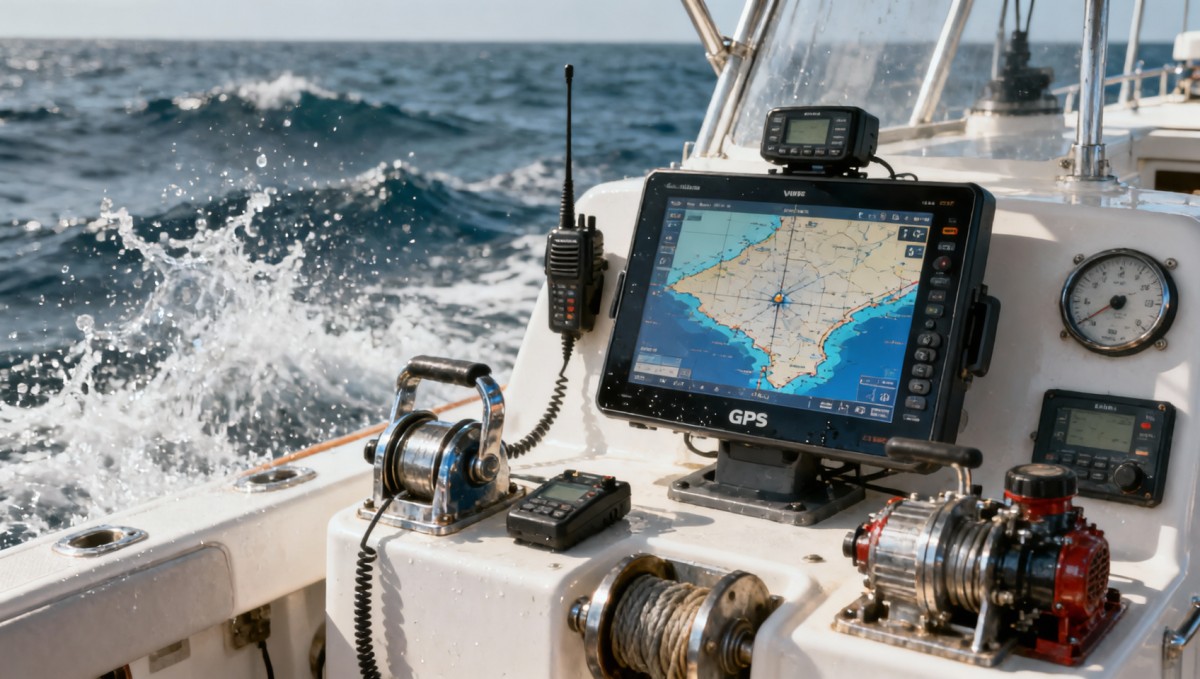
Fishing boats operate in a high-interference environment where moisture, salt residue, vibration, engine noise, and constant operator movement all reduce the practical value of electronics. A screen that is theoretically bright can still become unreadable if the glass coating holds water droplets, if the bezel traps spray, or if the viewing angle shifts during rapid maneuvering. For boats running in nearshore chop or offshore grounds, these issues appear daily rather than occasionally.
In many workboats, chartplotters are used continuously for 6 to 12 hours, often in tandem with radar, sonar, and VHF communication. During hauling, setting, or repositioning, operators glance at the display for only 1 to 3 seconds at a time. That means high legibility under partial obstruction is more valuable than features that only perform well under static dockside conditions.
Poor readability increases operational risk in several ways. It can delay recognition of shoals, prevent quick confirmation of waypoints, and create distraction when the helm operator repeatedly wipes the screen or leans closer to interpret symbols. On smaller boats with limited bridge space, even a short lapse can affect safe separation from gear lines, nearby traffic, or harbor infrastructure.
The issue also affects cost control. When operators distrust the chartplotter display, they rely more heavily on redundant devices, reduce travel efficiency, or slow transit speed in poor conditions. Over a full season, that can translate into higher fuel use, more operator fatigue, and unnecessary replacement cycles if teams keep changing hardware instead of specifying the right display performance from the beginning.
Primary environmental stressors
- Salt spray that dries into a light film within 15 to 30 minutes on exposed bridge equipment.
- Direct glare during low-angle morning and late-afternoon sun, especially on east-west headings.
- Engine and hull vibration that reduces touch precision and causes mount fatigue over 500 to 1,000 operating hours.
- Temperature shifts from cold dawn runs to enclosed cabin heat, which can affect screen response and condensation.
Operational consequences of poor visibility
When readability drops, operators often zoom excessively, enlarge route lines, or simplify overlays just to keep the display usable. That may hide useful bathymetric detail, reduce target context, or increase the number of button presses required. In a working wheelhouse, each extra interaction matters because crews are also monitoring engine alarms, deck activity, weather shifts, and radio traffic.
For buyers comparing vessel upgrade packages, a readable chartplotter should be treated as a safety and productivity tool. It supports more confident navigation, smoother gear handling, and faster operator adoption. This is especially important for fleets that rotate personnel across 3 to 5 vessels and need consistent user experience across different bridge layouts.
Key Technical Criteria for Choosing GPS Chartplotters for Fishing Boats
Buyers should evaluate readable marine displays through a technical checklist rather than a generic consumer feature list. The most relevant factors include display brightness, anti-glare treatment, water resistance, contrast under oblique viewing angles, touch responsiveness when wet, and physical stability under vibration. In working fishery applications, these criteria are usually more important than entertainment features or decorative interface design.
Screen size should match helm geometry. On compact cabins, 7- to 9-inch units are common, but on larger commercial fishing boats, 10- to 16-inch screens may be justified when split views are used for chart, sonar, radar, and AIS. However, larger is not automatically better. If the screen is mounted too high, too low, or too far off-axis, legibility in spray can worsen despite the larger panel.
Ingress protection is another key factor. In many exposed or semi-exposed stations, buyers typically look for equipment designed for marine washdown and long-term salt exposure. A robust enclosure, sealed connectors, and corrosion-resistant mounting hardware reduce failure risk. Teams should also ask whether port covers, cable glands, and keypad edges remain reliable after repeated wet-dry cycles across an entire season.
The table below summarizes practical evaluation criteria used by technical teams when shortlisting chartplotters for fishing boats that need to stay readable in spray.
For many fleets, hybrid control deserves special attention. Touchscreens are fast for planning, but physical keys or rotary controls can be easier during rough weather, especially when hands are wet or gloved. If the vessel operates year-round, teams should test whether chart panning, waypoint marking, and overlay switching can be done in under 5 seconds during simulated vibration.
What procurement teams should verify
- Viewing angle performance from seated and standing helm positions.
- Readability after fresh spray is applied and after dried salt residue forms.
- Connector accessibility for service without removing major dashboard components.
- Compatibility with existing sonar, radar, AIS, NMEA networks, and backup power circuits.
A common specification mistake
A frequent error is buying solely on screen size and advertised feature count. In practice, a correctly mounted 9-inch display with better glare control may outperform a poorly mounted 12-inch screen. Vessel teams should therefore review the display together with helm angle, wiper sweep pattern, canopy edge, and operator line of sight before approving purchase.
How Chartplotters Fit with VHF, Winches, Net Haulers, and Marine Diesel Engines
A chartplotter rarely works alone on a fishing boat. In real operating conditions, it is part of a coordinated bridge and deck ecosystem that includes marine VHF radios, commercial fishing winches, hydraulic net hauler systems, and marine diesel engines for fishing boats. The right specification supports not only navigation but also communication timing, load handling, fuel planning, and safer maneuvering during gear operations.
For example, when hauling in variable sea states, the helm may need to hold a precise track while the deck crew monitors line tension and winch speed. If the chartplotter remains readable through spray, the operator can confirm drift, heading, and depth changes without abandoning communication. This reduces the chance of overcorrecting the vessel or creating unstable working angles for hydraulic equipment.
Marine VHF integration also matters. Commercial buyers sourcing marine vhf radios wholesale often want bridge electronics that support fast situational awareness during channel changes, fleet coordination, or harbor calls. A display that is readable at a glance helps the operator correlate radio instructions with chart position, especially in congested approaches or during poor visibility windows lasting 20 to 40 minutes.
Engine planning is another overlooked link. On boats powered by marine diesel engines for fishing boats, chart data contributes to route efficiency, rpm planning, and safe return timing. If glare or spray hides waypoint and track information, operators may hold conservative speed or take longer routes. Over repeated trips, even a 3% to 7% transit inefficiency can be commercially significant for fleets with tight fuel budgets.
System-level outfitting considerations
The chartplotter should be evaluated alongside bridge power distribution, battery reserve, antenna placement, and deck machinery interference. Electrical noise from pumps, winches, and alternator loads can affect electronics if cable routing and grounding are poor. This is why project managers often review the chartplotter within a 4-part integration plan: power, data network, operator ergonomics, and maintenance access.
The following comparison table helps technical buyers assess how readability-related chartplotter choices connect with adjacent vessel systems.
The key conclusion is that readable gps chartplotters for fishing boats improve the value of other onboard investments. Better chart visibility supports cleaner communication, steadier maneuvering around gear, and more efficient use of propulsion. For distributors and system integrators, this creates a stronger cross-category sales case than presenting each component as an isolated product line.
Procurement, Testing, and Acceptance Criteria for B2B Buyers
For procurement managers and financial approvers, the best buying decision is usually based on total operating value rather than entry price alone. A lower-cost unit may appear competitive, but if it requires frequent cleaning, has poor wet-touch behavior, or fails early due to connector corrosion, the real cost rises through service labor, downtime, and replacement. In marine equipment purchasing, a 12- to 36-month ownership horizon is a more realistic comparison window than the invoice amount alone.
Technical evaluation should include a short acceptance protocol before fleet-wide rollout. This can be completed in 3 stages: bench inspection, installation verification, and sea trial. Even for a single-vessel purchase, a structured check reduces the risk of approving a display that performs well on paper but poorly in the intended fishing environment.
Sea-trial checks should include readability under direct sun, spray exposure, and vessel vibration. Teams can also verify menu speed, waypoint entry, split-screen legibility, and whether alarm prompts remain noticeable when the cabin is noisy. A practical target is that core navigation actions should remain understandable within a 2- to 5-second glance, without the operator needing to shield the screen with a hand.
Commercial buyers should also clarify supply details in advance. These include lead time, spare part availability, connector replacement policy, software update support, and warranty handling for salt-related failures. For regional distributors or agents, after-sales response within 24 to 72 hours can materially affect fleet confidence during peak fishing windows.
Suggested acceptance checklist
- Confirm visibility from both seated and standing positions at least 3 times during the trial.
- Test with wet screen conditions and partial salt residue rather than dry-demo conditions only.
- Check bracket rigidity and vibration behavior at idle, cruising rpm, and maneuvering load.
- Verify network communication with sonar, AIS, radar, and radio interfaces before final sign-off.
- Document cleaning instructions, recommended cloth type, and allowable maintenance chemicals.
Budget review beyond purchase price
When finance teams review equipment proposals, they should compare at least 4 cost areas: hardware price, installation labor, expected maintenance frequency, and downtime exposure. A display that cuts operator hesitation and survives a full season with fewer service calls may justify a higher initial cost, particularly on vessels where missed fishing days carry larger economic impact than the hardware difference itself.
This approach is useful not only for direct end users but also for dealers and project contractors preparing package quotes. By framing chartplotter selection in operational terms, sales teams can better explain why readable marine electronics contribute to vessel reliability, crew safety, and overall equipment return.
Installation, Maintenance, and Common Mistakes That Reduce Screen Usability
Even well-specified gps chartplotters for fishing boats can underperform if installation and maintenance are weak. Mount position is the first issue. If the display sits directly in a spray path, behind a reflective windshield angle, or outside the operator’s natural eye line, visibility will suffer regardless of panel quality. In many cabins, a 5- to 15-degree adjustment in tilt can significantly improve legibility.
Cable routing is another common problem. Marine electronics often share tight spaces with power lines, hydraulic controls, and radio cables. Poor separation can increase interference and complicate service work later. Installers should leave enough slack for inspection, avoid sharp bends, and ensure connector points stay protected from drip paths and deck wash migration.
Cleaning methods also affect long-term readability. Salt crystals can scratch display surfaces if crews wipe them dry with unsuitable cloths. A safer routine is to soften residue with clean water first, then use approved materials. On vessels that run daily, quick cleaning at the end of each shift and a more detailed inspection every 1 to 2 weeks can prevent residue buildup that gradually reduces contrast.
The biggest operational mistake is assuming the chartplotter is only an electronics issue. In reality, usability depends on bridge layout, canopy design, wiper pattern, operator habits, and maintenance discipline. That is why project managers should coordinate chartplotter selection with broader helm ergonomics and not leave the decision entirely to isolated component purchasing.
Frequent mistakes seen in working fleets
- Mounting the display where spray accumulates continuously during head seas.
- Choosing touch-only control for boats where gloves and wet hands are normal.
- Ignoring vibration reinforcement on brackets and fasteners.
- Using aggressive cleaners that damage anti-glare surface treatments over time.
- Failing to train multiple operators on display settings, overlays, and emergency backup use.
FAQ for operators and buyers
How large should a chartplotter be for a fishing boat?
For small wheelhouses, 7- to 9-inch units can work well if the screen is close to the helm and only 1 or 2 key views are used. For larger boats or split-screen applications combining chart, sonar, and radar, 10- to 16-inch displays are often more practical. The right choice depends more on viewing distance and helm angle than on screen size alone.
Are touchscreens suitable in wet commercial fishing conditions?
They can be, but many operators prefer hybrid control in rough or wet conditions. If spray, gloves, and vibration are routine, physical keys or a rotary control can improve reliability during critical maneuvers. The best approach is to test common tasks such as zooming, marking a waypoint, and switching overlays during a real or simulated sea trial.
What service interval should buyers expect?
There is no single universal interval, but visual inspection of mounts, connectors, and screen condition every 2 to 4 weeks is sensible for actively used vessels. A deeper seasonal check before peak fishing periods is also recommended, especially where heavy washdown, vibration, or salt exposure are constant.
Readable chartplotters are a practical investment for fishing boats operating in spray, glare, and vibration. When buyers assess them together with marine VHF radios wholesale, commercial fishing winches, hydraulic net hauler systems, and marine diesel engines for fishing boats, they gain a clearer picture of system-wide reliability and procurement value. For operators, the benefit is faster interpretation and safer routine use. For procurement teams, the benefit is better lifecycle value and fewer avoidable service issues. If you are planning a vessel upgrade, fleet specification review, or distributor product package, contact us to discuss a tailored marine equipment solution and compare the right chartplotter configuration for your operating conditions.
Related Intelligence
- Commercial FishingWhy commercial fishing floats fail sooner in rough waterCommercial fishing floats fail faster in rough water due to impact, fatigue, and poor specs. Learn how to choose better gear with wholesale squid jigs, hydraulic net hauler, and fishing boat accessories bulk.
- Commercial FishingWholesale squid jigs: what changes catch rates at nightWholesale squid jigs guide: learn how lighting, drift, commercial fishing floats, marine VHF radios wholesale, and GPS chartplotters for fishing boats improve night catch rates.
- Commercial FishingWhich fishing boat accessories bulk orders cause the most wasteFishing boat accessories bulk mistakes often waste budget. Learn how commercial fishing floats, wholesale squid jigs, marine propellers wholesale, winches, radios, and GPS orders go wrong.
The Morning Broadsheet
Daily chemical briefings, market shifts, and peer-reviewed summaries delivered to your terminal.
