
When a Commercial Shrimp Peeling Machine Damages Meat
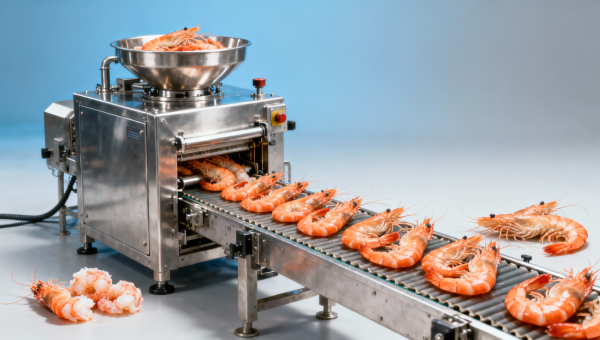
When a shrimp peeling machine commercial setup starts damaging meat, the issue can ripple across yield, quality, and downstream processing. For buyers and technical teams evaluating surimi processing equipment, fish bone separator machine systems, or a full fish meal processing plant, understanding the root causes is essential to protecting product value, compliance, and operational efficiency.
Why shrimp meat damage happens in commercial peeling lines
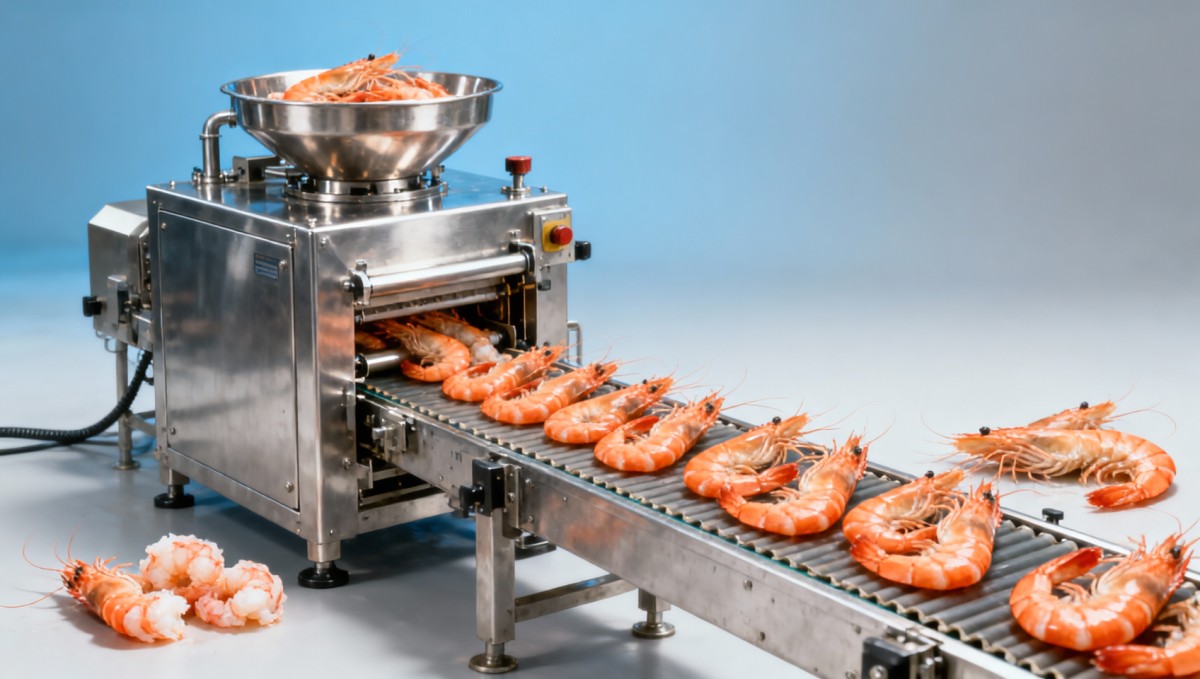
In commercial seafood processing, meat damage rarely comes from one single fault. It usually results from a mismatch between raw material condition, machine settings, line speed, and operator control. A commercial shrimp peeling machine may appear mechanically sound, yet still tear flesh, crush tail sections, or leave inconsistent shell removal when the upstream and downstream conditions are not aligned.
For operators and technical evaluators, the first priority is to separate mechanical damage from biological variability. Shrimp size spread, shell hardness, storage temperature, and time from harvest to peeling all influence performance. A line running mixed grades such as 31/40 and 41/50 in the same production window often sees more breakage than a line sorted within 1 grade band.
Another frequent cause is excessive pressure at contact points. Rollers, guides, blades, water jets, or gripping elements that are set too aggressively can remove shell quickly but also scar muscle tissue. In continuous processing environments operating 6–12 hours per shift, even slight misalignment can compound into measurable yield loss by the end of the day.
ACC follows these issues closely because seafood machinery procurement increasingly intersects with quality assurance, traceability, and compliance. For procurement teams, meat damage is not only a maintenance topic. It affects export grade consistency, customer claims, rework cost, and the economics of connected assets such as surimi processing equipment and fish meal processing plant utilization.
The 5 most common root-cause groups
- Raw material inconsistency: mixed shrimp sizes, soft-shell product, partially thawed batches, or product held too long before peeling.
- Improper settings: pressure, blade clearance, feed pitch, peeling depth, or conveyor speed outside the suitable range for the product grade.
- Wear and sanitation issues: dull contact surfaces, buildup from protein residue, and cleaning intervals that are too long for high-throughput operation.
- Operator inconsistency: start-up calibration skipped, recipe changes undocumented, or weak shift-to-shift handover.
- Line integration errors: poor transfer from grading, washing, deheading, chilling, or inspection stations that destabilize the peeling stage.
A practical diagnosis should start with these 5 groups rather than replacing parts immediately. In many plants, the machine is blamed first, but the underlying issue sits in product presentation or grade control. This is why experienced buyers request line-level assessment instead of focusing on the shrimp peeling machine commercial unit alone.
What technical teams should check first before changing equipment
Before approving a retrofit or a new purchase, technical teams should verify whether the current machine is operating inside its intended process window. A structured inspection over 3 stages—raw material intake, machine calibration, and output inspection—often reveals correctable issues within 1–3 production days. This is faster and less costly than treating every defect as a capital expenditure problem.
Inspection should be evidence-based. Compare damaged shrimp percentage by size grade, peeling completeness, and recovered usable meat over at least 2 shifts. If damage increases only at higher throughput, the cause may be feed instability rather than component failure. If damage appears across all throughput levels, focus on contact geometry, pressure points, and wear condition.
Quality teams should also assess whether the shrimp peeling line is creating secondary issues for later processes. Torn meat may reduce the value of premium peeled shrimp while increasing load on trimming, washing, freezing, or diversion into lower-value streams. In integrated plants, this can shift material flow toward surimi processing equipment or fish meal processing plant sections more often than originally planned.
For project managers and finance approvers, this diagnostic discipline matters because a machine replacement decision should be tied to measurable thresholds. Typical review points include reject rate trends over 7–30 days, maintenance frequency per week, labor added for rework, and output consistency by batch. These are operational signals that can support or challenge an investment request.
Recommended line-side inspection checklist
The table below gives a practical evaluation framework for a shrimp peeling machine commercial line. It is especially useful for operators, QA personnel, and procurement teams comparing repair, recalibration, or replacement options.
This checklist helps teams move from vague complaints to testable process control. It also supports vendor discussions because the buyer can present a documented issue set instead of a general statement that the machine “damages shrimp.” That clarity is valuable when comparing seafood machinery suppliers or line upgrade proposals.
4-step troubleshooting order
- Confirm raw material condition by size, age, and temperature before touching machine settings.
- Reset and document key operating parameters at controlled throughput levels.
- Inspect wear parts and product contact points after sanitation and during operation.
- Measure output quality and rework load across at least 2 consecutive shifts.
Following this sequence reduces misdiagnosis. It also gives distributors, integrators, and OEMs a common language for support, which matters in cross-border projects where procurement, engineering, and production teams are not in the same location.
How to compare repair, recalibration, and replacement options
Not every meat damage problem justifies buying a new shrimp peeling machine commercial system. In many cases, recalibration or selective part replacement can restore acceptable output. However, if the line is undersized, poorly matched to shrimp grade, or lacking stable process control, continued patchwork may produce hidden costs that exceed the price of a better-fit solution.
Procurement teams should compare options using 3 cost layers: immediate service cost, production loss during downtime, and ongoing quality penalty. Financial reviewers often see only the quoted machine price, but operators and QA teams understand that yield erosion, added labor, and downgraded product can accumulate over weeks or months. A line that runs 5–6 days per week magnifies that gap quickly.
Replacement becomes more attractive when the current asset cannot reliably process the target size range, requires frequent manual intervention, or lacks hygienic design features needed for the plant’s compliance framework. This is especially true when the shrimp line feeds other assets such as surimi processing equipment, where stable texture and controlled protein recovery influence overall plant economics.
ACC’s industry coverage is valuable here because machinery decisions are rarely isolated. Buyers need to understand whether a peeling issue is part of a broader line redesign involving chilling, grading, separation, or by-product utilization. The best decision is usually the one that improves total process balance, not just the peeling station itself.
Decision matrix for B2B buyers
The following comparison table helps technical evaluators, project managers, and finance stakeholders choose between short-term correction and capital investment. It is designed for seafood plants that may also evaluate fish bone separator machine integration or fish meal processing plant efficiency downstream.
A decision matrix like this prevents overspending on the wrong remedy. It also helps distributors and agents present options more credibly because they can frame the sale around fit-for-process logic instead of a one-size-fits-all equipment pitch.
What buyers should ask suppliers about settings, compliance, and integration
When a plant is sourcing a new commercial shrimp peeling machine, a fish bone separator machine, or linked seafood processing equipment, supplier conversations should go beyond nominal capacity. Capacity stated in ideal conditions does not guarantee low meat damage in real production. Buyers should ask how the machine performs across product variability, sanitation cycles, and long operating periods such as 8–16 hours.
Compliance and hygiene also deserve attention. Depending on region and end market, processors may need equipment designs aligned with food-contact material expectations, cleanability standards, and documented maintenance controls. For plants serving regulated export markets, the machine should support internal quality systems that may reference HACCP-based programs and broader operational requirements under FDA or similar oversight structures.
Integration questions are equally important. A shrimp peeling machine commercial line that works well in isolation may still underperform if it is fed by unstable grading or followed by poorly synchronized inspection and packing steps. Buyers evaluating surimi processing equipment or a fish meal processing plant should also consider how damaged shrimp or shell carryover changes downstream raw material allocation.
ACC’s editorial advantage is that it connects machinery selection with broader primary-industry intelligence. That means procurement teams can evaluate not only machine features but also process risk, compliance exposure, and supply-chain credibility. This is especially useful for institutional buyers who need technical detail strong enough to support both internal approval and supplier due diligence.
6 questions that reduce procurement risk
- What shrimp size range can the machine handle without major setting changes, and how long does a recipe change typically take?
- Which product-contact parts require routine replacement, and what is the normal inspection frequency per week or per month?
- How is damage rate validated during acceptance testing, and what sample volume is practical during commissioning?
- What cleaning and sanitation steps are required between shifts, and how much downtime should be planned?
- Can the machine integrate with graders, washers, chillers, or downstream surimi processing equipment without unstable transfers?
- What documents are available for materials, maintenance guidance, spare parts, and export-related technical review?
Typical procurement checkpoints
A disciplined B2B buying process usually includes 4 checkpoints: technical requirement confirmation, process-fit review, commercial evaluation, and commissioning planning. In projects with tighter timelines, these steps may compress into 2–4 weeks, but skipping them often leads to mismatch between promised performance and actual plant conditions.
For quality and safety managers, the key issue is not whether a supplier claims hygienic design, but whether the machine can be cleaned thoroughly, inspected consistently, and maintained without introducing contamination risk. For finance teams, the key is whether spare parts strategy, operator training, and expected ramp-up losses have been discussed before approval.
Common misconceptions, operational risks, and practical FAQ
One common misconception is that higher speed always means better economics. In reality, pushing throughput beyond the stable process window can reduce net value if meat damage rises, rework increases, or premium-grade output declines. A line running slightly slower but within control can produce better realized margin than a line chasing nominal maximum capacity.
Another mistake is assuming all damage originates in the peeling head. Product mishandling during storage, feed surges, delayed chilling, and shell residue from earlier steps can all change peeling behavior. This matters in mixed plants where shrimp lines coexist with fish bone separator machine systems, surimi processing equipment, and fish meal processing plant operations competing for maintenance attention and labor.
A third risk is weak documentation. If shift teams do not record product grade, settings, and defect patterns, the plant cannot distinguish recurring machine faults from raw material variability. Over a 30-day period, this lack of records can distort capital planning and delay justified corrective action.
The FAQ below addresses the questions most often raised by information researchers, operators, procurement specialists, and project leaders reviewing commercial shrimp peeling equipment decisions.
How do I know whether meat damage is caused by settings or by raw shrimp quality?
Run controlled tests on at least 2 clearly sorted batches under the same settings. If defect rates change sharply between batches, raw material variability is likely a major driver. If defects remain similar across batches, review pressure, contact wear, and feed stability first. This simple comparison is often more useful than relying on operator impressions alone.
What procurement factors matter most besides price?
Focus on 5 areas: product size compatibility, adjustment range, sanitation time, spare parts availability, and line integration support. Price matters, but a cheaper machine that creates recurring quality loss or longer downtime can become the more expensive choice over a normal operating season.
Can damaged shrimp still be used in surimi or fish meal applications?
In many plants, some downgraded material can be diverted to surimi processing equipment or a fish meal processing plant, depending on quality condition and the plant’s process design. However, diversion should not be treated as a substitute for proper peeling control. Lower-value recovery channels may reduce waste, but they rarely offset the lost margin from premium peeled shrimp.
How long does it usually take to validate a new setup?
For an existing machine, a structured recalibration and verification process may take 1–3 production days if spare parts are available. For a new machine or a more integrated line change, technical review, delivery planning, installation, and commissioning often require several weeks, depending on project scope, site readiness, and documentation needs.
Why work with ACC when evaluating seafood processing equipment
AgriChem Chronicle supports buyers and industrial decision-makers with a more rigorous view than generic product listings or shallow vendor summaries. For seafood processing projects, that means connecting shrimp peeling machine commercial issues with broader operational realities such as yield protection, compliance expectations, by-product utilization, and process integration across aquaculture and primary processing systems.
Our coverage spans aquaculture and fishery technology, feed and grain processing, agricultural machinery, and fine chemical supply chains. That cross-disciplinary lens matters because institutional buyers rarely evaluate equipment in isolation. They need credible technical context, practical procurement guidance, and language that can be used in internal reviews by engineering, quality, operations, and finance teams.
If you are comparing shrimp peeling systems, surimi processing equipment, a fish bone separator machine, or a fish meal processing plant configuration, ACC can help you structure the right questions before specification lock-in. This includes parameter confirmation, process-fit review, expected delivery window, documentation needs, and risk points that commonly surface during installation and ramp-up.
Contact us if you need support with supplier shortlisting, technical content positioning, equipment selection logic, certification-related discussion points, or quotation-stage communication. The most useful conversations usually begin with 4 inputs: your target capacity range, product grade profile, current pain point, and required delivery timeline. With that foundation, it becomes much easier to identify whether the right next step is recalibration, replacement, or a broader line optimization plan.
Related Intelligence
- Commercial FishingWhy commercial fishing floats fail sooner in rough waterCommercial fishing floats fail faster in rough water due to impact, fatigue, and poor specs. Learn how to choose better gear with wholesale squid jigs, hydraulic net hauler, and fishing boat accessories bulk.
- Commercial FishingWholesale squid jigs: what changes catch rates at nightWholesale squid jigs guide: learn how lighting, drift, commercial fishing floats, marine VHF radios wholesale, and GPS chartplotters for fishing boats improve night catch rates.
- Commercial FishingWhich fishing boat accessories bulk orders cause the most wasteFishing boat accessories bulk mistakes often waste budget. Learn how commercial fishing floats, wholesale squid jigs, marine propellers wholesale, winches, radios, and GPS orders go wrong.
The Morning Broadsheet
Daily chemical briefings, market shifts, and peer-reviewed summaries delivered to your terminal.
