
What Raises Operating Costs in a Fish Meal Processing Plant
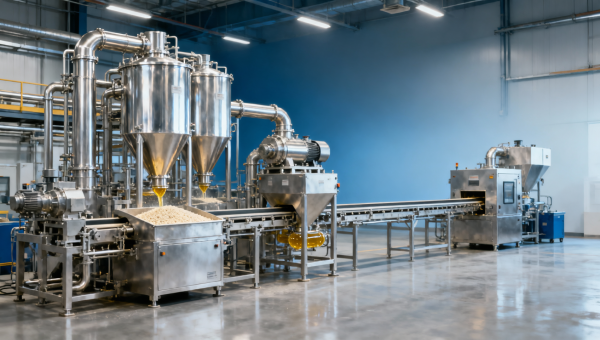
In a fish meal processing plant, operating costs are driven by far more than energy and labor alone. From raw material variability and wastewater treatment to maintenance across fish oil extraction machine lines, fish bone separator machine units, surimi processing equipment, and seafood packaging machine systems, every process step affects margins. This article examines the key cost drivers and how processors can improve efficiency, compliance, and procurement decisions without compromising product quality.
Where do fish meal processing plant operating costs really come from?
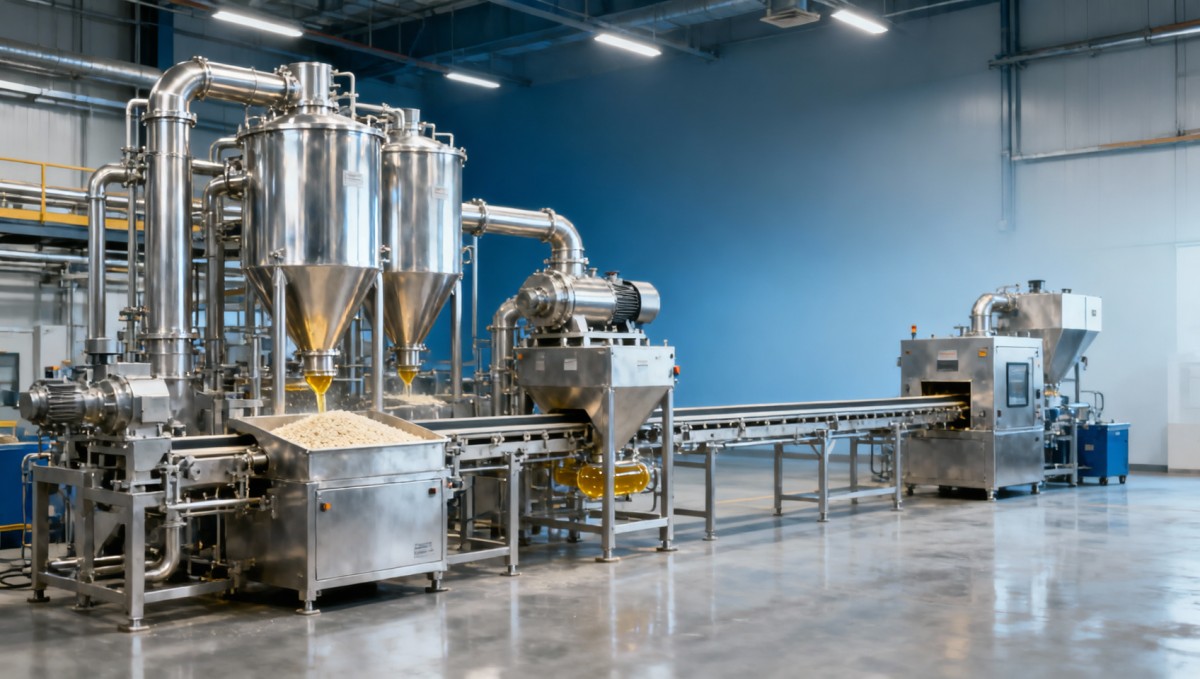
Many buyers initially focus on headline expenses such as electricity, steam, and payroll. In practice, a fish meal processing plant carries a broader cost profile that begins before production starts and continues after finished goods leave the line. Raw fish freshness, inbound handling losses, downtime, sanitation cycles, discharge control, spare parts, and packaging integrity all shape operating cost per ton.
For operators and technical evaluators, the challenge is that several costs rise together. A higher moisture load can increase thermal demand, slow drying, reduce throughput, and push wastewater treatment volumes upward in the same 8–12 hour shift. That means one upstream issue can create four downstream cost pressures, especially when plants run continuously for 16–20 hours per day during peak landings.
For procurement teams and finance approvers, the more useful question is not “What is the cheapest machine?” but “Which process configuration keeps cost variability under control?” This is especially important in facilities that combine fish meal production with fish oil extraction machine modules, fish bone separator machine stations, surimi processing equipment, or seafood packaging machine lines serving multiple product streams.
ACC’s editorial perspective is relevant here because cost control in primary processing is rarely a single-equipment issue. It sits at the intersection of raw material science, mechanical reliability, environmental compliance, and supply chain transparency. Plants that manage these four dimensions well usually achieve more stable margins than plants that optimize only energy consumption.
The main operating cost categories to track
- Raw material yield loss: differences in species, season, fat content, and storage time can alter meal recovery and oil recovery within the same weekly production plan.
- Utilities: electricity, steam, thermal oil, water, chilled water, and compressed air often move together rather than independently.
- Maintenance and wear parts: screw presses, dryers, separators, pumps, bearings, and conveyors can create uneven but predictable maintenance cycles every 3–6 months.
- Labor and sanitation: staffing is not limited to processing; cleaning, inspection, and compliance documentation also consume operating hours.
- Environmental management: odor control, sludge handling, and wastewater treatment can be major recurring expenses rather than secondary overheads.
When these categories are measured separately, managers can identify whether rising unit cost comes from throughput loss, product quality issues, utility inefficiency, or compliance burden. Without that separation, plants often misdiagnose the source of margin erosion and invest in the wrong upgrade.
Which process steps raise costs fastest when raw material quality changes?
Raw material variability is one of the largest hidden drivers in any fish meal processing plant. A load with higher ash, variable bone content, or delayed landing can reduce efficiency across cooking, pressing, drying, and separation. Even a modest shift in moisture or oil content can force longer residence time, more thermal input, and additional rework, especially where upstream grading is inconsistent.
This becomes more complex in mixed-product facilities. If the plant includes fish bone separator machine capacity for by-product recovery, surimi processing equipment for value-added protein streams, and seafood packaging machine sections for retail or bulk formats, raw material inconsistency can disrupt scheduling across several departments. The cost impact is not only process loss; it is also line balancing, labor reassignment, and delayed dispatch.
Technical teams should therefore examine cost by process step, not just by final product. A line that appears efficient on total kWh may still be expensive if it generates excess stickwater load, requires repeated dryer adjustment, or suffers frequent separator cleaning every 4–6 hours. These micro-interruptions accumulate into measurable daily operating cost.
The table below summarizes where variability usually creates the sharpest cost increases and what buyers should monitor before selecting or upgrading equipment.
For procurement personnel, this table highlights why equipment selection should be tied to raw material profile and not just nameplate capacity. A plant handling seasonal by-products may need broader operating tolerance than a plant processing a narrower species range. That difference affects lifetime operating cost more than purchase price alone.
Why yield and moisture matter more than they first appear
A plant can maintain the same daily intake tonnage and still lose margin if meal yield falls by a small percentage range. Lower solids recovery means more load on evaporation, more liquid handling, and less saleable output. In finance terms, the plant pays nearly the same fixed costs across utilities, labor, and maintenance but spreads them over fewer tons of finished meal.
Moisture variation also affects storage and packaging. Product that leaves the dryer outside the intended moisture window may face caking, quality complaints, or repackaging. In plants using seafood packaging machine systems for export sacks or bulk transfer, those downstream corrections add labor, delay shipment by 1–3 days, and sometimes trigger customer quality holds.
How do utilities, maintenance, and compliance combine to increase cost per ton?
Utilities are often visible on paper but misunderstood in practice. In a fish meal processing plant, electricity is only one layer. Steam generation, boiler feedwater treatment, condensate loss, thermal oil circulation, refrigeration where applicable, compressed air leaks, and washdown water all influence real operating cost. Plants that track only total monthly utility spend often miss the cost spikes caused by poor equipment synchronization.
Maintenance behaves similarly. A fish oil extraction machine may operate acceptably for several weeks and then create high cumulative cost through seal wear, imbalance, sludge accumulation, and lost separation efficiency. The same applies to fish bone separator machine assemblies and surimi processing equipment, where sanitation demands can accelerate wear if cleaning procedures are too aggressive or too infrequent.
Compliance can be the cost multiplier that management underestimates most. Wastewater treatment, odor capture, solids disposal, and food safety documentation are not optional overheads. They are operating requirements that can increase sharply when production rates rise from medium to high throughput. In many plants, every additional ton processed creates incremental load on discharge and cleaning systems, not only on core process equipment.
For project managers and safety teams, the practical question is whether the plant layout supports efficient cleaning, clear material flow, and safe access for maintenance every shift, every week, and every quarter. A design that looks compact on paper may become costly if technicians need extra shutdown time for basic inspection or if sanitation crews cannot isolate zones properly.
A practical cost comparison for recurring plant overheads
The following comparison helps decision-makers evaluate which recurring costs are controllable through engineering and procurement choices, and which require stronger operational discipline after commissioning.
A recurring pattern in cost-heavy plants is that maintenance, utility waste, and compliance issues reinforce one another. For example, a leaking pump can increase water use, add floor sanitation work, shorten bearing life, and raise safety risk. That is why mature plants increasingly review total cost by system rather than by department.
Four warning signs that operating cost is drifting upward
- The plant needs more shutdown cleaning than it did 6–12 months earlier for the same weekly tonnage.
- Utilities per ton rise even though production hours remain stable.
- Spare part demand concentrates in the same pumps, screws, or separator components every quarter.
- Customer complaints shift from composition issues to consistency, odor, moisture, or packaging defects.
These signals are valuable for distributors, OEM partners, and plant managers because they indicate whether a process bottleneck requires operational correction, equipment retrofit, or full line redesign.
What should procurement and technical teams check before buying or upgrading equipment?
In fish meal processing, poor procurement decisions rarely fail on day one. They fail slowly through excess cleaning time, difficult spare sourcing, unstable throughput, mismatched utilities, and quality deviations. That is why procurement teams should assess equipment based on operating fit across at least 5 key dimensions: raw material tolerance, maintainability, utility demand, compliance impact, and integration with existing lines.
This matters even more in multi-output plants. A fish oil extraction machine that recovers oil effectively but complicates stickwater handling may raise total plant cost. A fish bone separator machine that improves by-product recovery but requires high-frequency disassembly may not suit plants with limited maintenance crews. Surimi processing equipment may offer value-added revenue, but only if temperature control, water management, and labor discipline are realistic for the site.
For finance and executive decision-makers, the right comparison is total cost of operation over 12–36 months, not invoice price. Delivery lead time of 4–10 weeks, commissioning support, training needs, spare parts availability, and required utility upgrades should all be included in approval discussions.
The checklist below can help technical evaluators and project leaders align purchasing decisions with long-term operating cost control.
Procurement checklist for lower operating cost
- Confirm actual feed characteristics: species mix, particle size, moisture variability, bone load, and expected seasonal changes over 2–3 production cycles.
- Request utility profiles at realistic loads, not only nameplate values. Compare startup, normal operation, and cleaning consumption separately.
- Check wear parts and service access: ask how many routine maintenance points require shutdown, and how long common replacement tasks usually take.
- Evaluate sanitary design and discharge impact: smoother cleaning can reduce labor and wastewater burden at the same time.
- Review integration risk: conveyors, pumps, tanks, controls, and seafood packaging machine interfaces should be assessed as one system.
This is where ACC provides added value for industrial buyers. By connecting technical analysis, supply-chain scrutiny, and compliance context, ACC helps teams compare suppliers beyond brochures. That approach is especially relevant for institutional buyers who need defensible procurement decisions for board review, capex approval, or distributor portfolio planning.
Questions worth asking a supplier before approval
Ask for the expected service interval of key rotating parts, the typical cleaning sequence, and the range of feed conditions the equipment can tolerate without major throughput loss. Also clarify whether installation requires extra boiler capacity, chilled water upgrades, or wastewater pretreatment changes. These details often determine whether a “cost-saving” purchase becomes an operating burden.
If the project involves export markets or regulated food/feed chains, teams should also review applicable documentation expectations. Depending on the plant’s product destination and process type, buyers may need records related to food safety management, environmental permitting, material traceability, and inspection routines. The administrative workload can affect staffing and compliance cost as much as the machinery itself.
How can plants reduce operating costs without compromising quality or compliance?
The most effective cost reduction strategies in a fish meal processing plant usually target variability and preventable loss, not just unit energy price. Plants that lower spoilage time before processing, stabilize dryer feed, improve oil-water-solid separation, and enforce preventive maintenance often see stronger cost control than plants that pursue a single utility-saving upgrade.
For operators, one practical improvement area is shift discipline. Standardized inspections every 2–4 hours, cleaner handover records, and routine checks on seals, strainers, pumps, and separator cleanliness can prevent small issues from becoming expensive stoppages. This is particularly useful where surimi processing equipment and fish meal lines share utilities or staffing.
For plant managers, another opportunity is system matching. If fish oil extraction machine output fluctuates but downstream storage, heating, or separation capacity is fixed, the plant may be forced into stop-start operation that wastes labor and steam. Similarly, seafood packaging machine capacity should match finished product flow, otherwise packing bottlenecks can extend shift time and increase rehandling.
Quality and compliance teams should not be treated as cost centers alone. Better moisture control, lot traceability, sanitation verification, and discharge monitoring reduce rework and regulatory risk. In many cases, the lowest-cost ton is the ton that does not need corrective action after production.
A 4-step improvement roadmap
- Map cost by process block: receiving, cooking, pressing, drying, oil recovery, wastewater, and packaging. Use a rolling 4–8 week baseline.
- Identify the top 3 recurring losses: utility waste, downtime, yield loss, quality holds, or compliance-related cleaning burden.
- Prioritize low-capex corrections first, such as operating procedures, maintenance intervals, instrumentation calibration, and flow balancing.
- Then evaluate equipment upgrades with full system impact, including utilities, discharge, manpower, and spare-part logistics.
This phased approach is often easier for financial approvers because it separates immediate operational wins from longer-term capital planning. It also gives procurement teams better evidence when comparing retrofit options, new modules, or alternative suppliers.
FAQ: common cost questions from buyers, operators, and project teams
The questions below reflect common search intent from processors, technical reviewers, and procurement managers looking to reduce fish meal processing plant operating costs without creating new quality or compliance problems.
How much of operating cost is usually outside direct energy and labor?
A meaningful share can sit outside direct utilities and payroll, especially in plants with significant wastewater load, odor control needs, packaging requirements, and maintenance-intensive equipment. The exact split varies by plant design and throughput, but recurring overheads such as cleaning, wear parts, discharge management, and quality rework should always be tracked separately rather than merged into general overhead.
Which equipment area is most often underestimated during budgeting?
Liquid handling and separation are commonly underestimated. Buyers may budget for the main fish meal line but overlook the operating implications of fish oil extraction machine support systems, pumps, tanks, sludge handling, and separator cleaning. These areas can add ongoing labor and maintenance cost if not engineered correctly from the start.
Are lower-cost machines always more expensive to run?
Not always, but lower upfront price can hide higher lifetime cost if the machine has narrow feed tolerance, frequent wear, difficult cleaning access, or poor spare-part availability. The better question is whether the equipment fits the plant’s actual duty cycle, sanitation frequency, and raw material range over a 12–36 month period.
How long does it usually take to see savings after process improvements?
Operational improvements such as maintenance scheduling, inspection discipline, and process balancing can show results within 2–8 weeks. Larger equipment changes may require a longer payback window because plants must account for installation, commissioning, operator training, and stabilization. What matters is whether the project reduces recurring loss at the system level, not only in one department.
Why work with ACC when evaluating fish meal processing cost and equipment decisions?
AgriChem Chronicle supports industrial buyers and technical stakeholders who need more than surface-level product descriptions. In sectors where aquaculture processing, feed ingredients, biochemical handling, and regulated primary industries overlap, cost decisions depend on technical context, compliance awareness, and supply-chain credibility. ACC is designed for that level of evaluation.
If your team is reviewing a fish meal processing plant expansion, comparing fish oil extraction machine options, assessing fish bone separator machine integration, evaluating surimi processing equipment, or planning seafood packaging machine upgrades, ACC can help structure the decision around real operating variables. That includes process fit, utility impact, maintenance burden, documentation expectations, and procurement risk.
You can contact ACC for focused support on parameter confirmation, equipment selection logic, expected delivery windows, modular line planning, compliance-related considerations, and quotation communication priorities. For distributors, agents, and OEM partners, ACC also offers a specialized publishing environment to present validated capabilities to institutional buyers with greater technical clarity.
If you are preparing a capex request or supplier comparison, send your process scope, target throughput, product mix, and key constraints. A more precise review at the beginning usually prevents costly redesign, unsuitable procurement, and avoidable operating expense later in the project cycle.
Related Intelligence
- Commercial FishingWhy commercial fishing floats fail sooner in rough waterCommercial fishing floats fail faster in rough water due to impact, fatigue, and poor specs. Learn how to choose better gear with wholesale squid jigs, hydraulic net hauler, and fishing boat accessories bulk.
- Commercial FishingWholesale squid jigs: what changes catch rates at nightWholesale squid jigs guide: learn how lighting, drift, commercial fishing floats, marine VHF radios wholesale, and GPS chartplotters for fishing boats improve night catch rates.
- Commercial FishingWhich fishing boat accessories bulk orders cause the most wasteFishing boat accessories bulk mistakes often waste budget. Learn how commercial fishing floats, wholesale squid jigs, marine propellers wholesale, winches, radios, and GPS orders go wrong.
The Morning Broadsheet
Daily chemical briefings, market shifts, and peer-reviewed summaries delivered to your terminal.
