
Vacuum Packing Machine for Fish: Seal Failures Explained
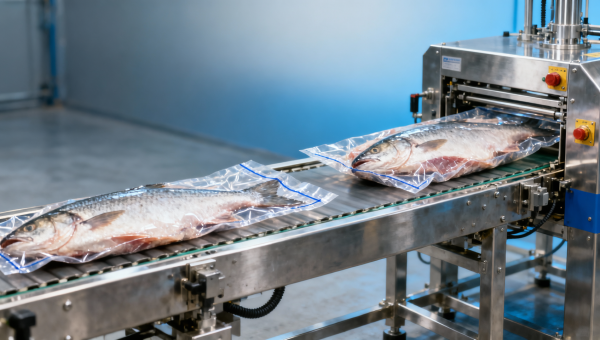
Seal failures in a vacuum packing machine for fish can trigger leaks, spoilage, and costly downtime across seafood lines. For buyers and operators comparing seafood packaging machine options alongside surimi processing equipment, fish bone separator machine, or a fish meal processing plant, understanding why seals fail is essential. This guide explains the main causes, inspection points, and practical fixes to improve packaging integrity, hygiene control, and processing efficiency.
Why do seals fail in a vacuum packing machine for fish?
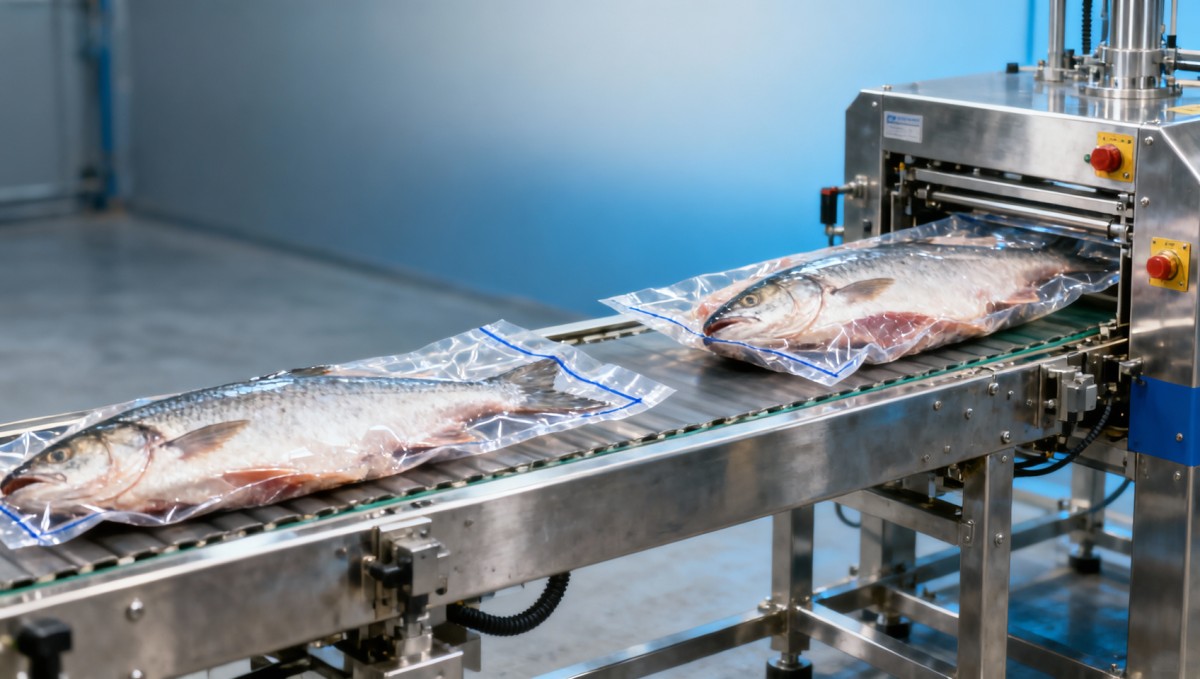
In fish processing, seal integrity is not a minor maintenance issue. It directly affects shelf life, cold-chain stability, rework rate, and product presentation. A vacuum packing machine for fish works under demanding conditions: moisture, oil, protein residue, and variable bag thickness all challenge the sealing zone. In many seafood plants, seal failures appear first as occasional leaks, but within 1–2 shifts they can become a line-wide quality problem.
The most common root causes usually fall into 5 categories: contamination on the seal area, worn sealing bars or Teflon covers, incorrect temperature and dwell time, unstable vacuum levels, and poor bag-material compatibility. Operators often focus on the machine alone, but upstream factors matter too. If fillets release excess liquid after trimming, or if surimi processing equipment sends unstable product loads downstream, the packaging stage becomes harder to control.
For technical evaluators and procurement teams, the key point is this: a leaking pack does not always mean the machine is undersized or defective. In many cases, the issue comes from process mismatch. A chamber machine configured for dry products may struggle when handling fresh fish portions, oily marine species, or products packed at high hourly throughput such as 6–12 cycles per minute.
This is why ACC’s cross-sector perspective is valuable. Seafood packaging should not be evaluated in isolation. It should be assessed as part of the broader primary processing line, including trimming, dewatering, portioning, chilling, and sanitation control. Buyers who examine the full process usually reduce troubleshooting time and avoid paying for the wrong upgrade.
The 5 failure points operators should check first
- Bag mouth contamination from water, fish oil, scales, or protein fragments. Even a thin film can interrupt heat transfer and create micro-channels.
- Seal bar wear after repeated thermal cycles. In continuous use, covers and heating elements often need inspection every week and replacement based on actual cycle count.
- Incorrect settings for sealing temperature, pressure, or dwell time. Thin pouches may distort at one setting, while thicker barrier bags may under-seal at the same setting.
- Vacuum instability caused by pump condition, gasket leakage, or uneven chamber loading. If air remains trapped, the seal may look acceptable but fail during transport.
- Bag specification mismatch. Fish processors often switch between PA/PE, PE, and multilayer vacuum pouches, but not every machine setup supports every structure equally well.
What makes fish harder to seal than many other foods?
Fish is usually packed cold, wet, and biologically sensitive. Surface moisture can migrate into the seal path within seconds. Oily species such as salmon or mackerel increase contamination risk further. In addition, sharp bone fragments or skin edges may stress the pouch after sealing, especially in vacuum-packed portions stacked for transport over 24–72 hours.
The challenge increases when fish packaging is integrated with high-output equipment. A plant that also runs a fish bone separator machine or fish meal processing plant may have strict utility balancing, washdown cycles, and labor rotation patterns. These operational realities affect how consistently the packaging station performs across a full production day.
How to diagnose seal failures without losing production time
Fast diagnosis matters because seafood spoilage costs rise quickly. A practical inspection routine should help operators isolate the cause in 15–30 minutes instead of stopping the line for several hours. The most efficient approach is to separate the problem into three zones: product condition, packaging material, and machine function. This avoids the common mistake of changing settings blindly.
Start with the seal itself. Is it incomplete across the full width? Burned at the edges? Wrinkled at one side? Weak only after chill storage? Each pattern points to a different source. A narrow broken line often signals contamination or uneven pressure. A brittle, overheated band suggests incorrect temperature or dwell. A seal that opens after handling can indicate under-vacuum, pouch mismatch, or cooling problems after sealing.
Next, review process consistency over at least 3 checkpoints: beginning of shift, mid-run, and post-cleaning restart. Seal failures that happen only after sanitation often indicate moisture on heating surfaces or improper reassembly. Failures that increase after 2–4 hours of operation may point to heat drift, Teflon wear, or vacuum pump performance loss.
For project managers and quality teams, standardized inspection records are more useful than verbal troubleshooting. A simple log including bag type, product temperature, vacuum time, seal time, and rejection pattern can reveal repeatable causes within a few production cycles.
Practical troubleshooting matrix for fish packaging lines
The table below helps operators, quality inspectors, and technical buyers connect visible seal defects with likely causes and immediate actions. It is especially useful when comparing a vacuum packing machine for fish across different plant layouts or product categories.
This matrix is useful because it links visible defects with operational decisions. For procurement personnel, it also highlights what to ask suppliers before purchase: recipe memory capacity, seal control stability, pump maintenance intervals, spare-part availability, and compatibility with wet seafood applications.
A 4-step inspection sequence that works on most seafood lines
- Check product and bag presentation: bag mouth dryness, fill level, fish edge position, and surface liquid before sealing.
- Inspect consumables and contact parts: Teflon tape, seal bar surface, pressure pads, and chamber gaskets.
- Verify settings and repeatability: vacuum time, seal time, cooling time, and recipe consistency over 5–10 consecutive packs.
- Confirm post-pack performance: leak checks after handling, chilling, and carton loading instead of relying on visual inspection alone.
When this sequence is documented, technical teams can compare machine behavior across lines, shifts, and pouch suppliers. That level of process discipline is especially important for distributors, OEM partners, and industrial buyers evaluating equipment for multiple regions or operating standards.
What should buyers compare before selecting a seafood packaging machine?
A vacuum packing machine for fish should be evaluated by application fit, not by list price alone. Buyers often compare chamber size, pump rating, and hourly capacity, but seafood performance depends equally on sanitation design, sealing stability, bag compatibility, and how the machine behaves in a wet, cold, high-cleaning environment. A machine that performs well on dry proteins may not deliver the same consistency on fish portions or surimi packs.
For procurement and finance teams, it helps to separate evaluation into 3 layers: direct equipment specification, integration cost, and operating risk. Direct specification includes chamber dimensions, cycle rate, and sealing configuration. Integration cost includes utilities, drainage, floor layout, and line balancing. Operating risk includes downtime exposure, operator training demand, cleaning complexity, and spare-parts lead time, which is often 7–21 days depending on region.
This matters even more when the seafood line is connected to upstream and downstream assets. If the same plant also budgets for surimi processing equipment, a fish bone separator machine, or fish meal processing plant upgrades, decision-makers need equipment choices that support total line throughput rather than isolated station performance.
ACC’s industry coverage helps institutional buyers frame these decisions across machinery, ingredients, compliance, and supply-chain reliability. In practice, that means looking beyond catalog claims and asking how the machine fits regulated procurement, hygiene validation, and multi-stage processing economics.
Key selection factors for fish packaging applications
The table below gives a practical comparison structure for buyers selecting a seafood packaging machine. It can be used during RFQ review, technical clarification, or capital approval discussions.
A structured comparison like this helps different stakeholders speak the same language. Operators care about sealing consistency. Quality teams focus on leakage and hygiene. Financial approvers look at waste, downtime, and payback. A good purchasing decision aligns all three rather than optimizing one at the expense of the others.
Questions procurement teams should ask before final approval
- Can the supplier support product trials for wet fish, oily species, and different pouch structures before order confirmation?
- What are the normal commissioning steps, and do they include operator training, parameter setting, and leak-test verification within the first 1–3 days?
- Which wear parts should be stocked on-site, and what replacement frequency is typical under single-shift versus two-shift production?
- How does the equipment align with sanitation expectations and general food-contact material requirements relevant to export markets?
These questions are simple, but they often reveal whether a supplier understands seafood processing realities or only sells standard packaging hardware. That difference is critical when equipment must integrate into regulated and quality-sensitive production environments.
How can operators reduce leakage, waste, and downtime in daily production?
Daily control is where seal reliability is won or lost. Even a well-specified vacuum packing machine for fish will underperform if process discipline is weak. The most effective plants use short control loops: pre-start inspection, in-shift verification, and post-cleaning confirmation. These routines usually take 10–20 minutes per checkpoint but can prevent hours of rework and product hold.
One practical priority is liquid management. Fish portions should be presented to the machine with controlled surface moisture, consistent fill positioning, and enough headspace to protect the seal path. If bags are overfilled or product edges sit too close to the sealing line, the risk of contamination and pouch stress increases immediately. This becomes more important in medium- and large-batch runs where the same error repeats hundreds of times.
Another priority is preventive maintenance. Seal bars, pressure components, gaskets, and pump-related parts should be checked at planned intervals rather than after failure. Many seafood processors schedule quick visual checks every shift, functional checks every week, and deeper service every month or according to machine hours. Exact intervals depend on load, sanitation intensity, and product mix, but routine discipline always outperforms reactive repair.
Training also matters. Operators do not need advanced engineering knowledge, but they do need to understand the relationship between product condition, bag presentation, and sealing response. A short 4-part training module covering contamination control, recipe selection, defect recognition, and restart procedure can reduce inconsistent handling across teams.
Daily operating checklist for a vacuum packing machine for fish
- Before startup, inspect seal surfaces, bag path, and chamber cleanliness. Confirm that no residual water remains after sanitation.
- During the first 5–10 packs, verify seal appearance, vacuum level consistency, and product positioning. Keep sample packs for comparison later in the shift.
- Every 2–4 hours, check whether product temperature, drip level, or pouch lot has changed. Small upstream changes can affect the seal.
- After any stoppage, cleaning event, or consumable change, run confirmation packs instead of restarting full-speed immediately.
Common mistakes that increase packaging failure rates
A frequent mistake is assuming that stronger heat always means a better seal. In reality, overheating can distort the pouch, reduce seal flexibility, and make failures show up later during chilling or transport. Another mistake is using one universal setting for different fish types and bag structures. A cod fillet, a salmon portion, and a surimi pack do not behave identically in the chamber.
Plants also underestimate the value of post-pack validation. Visual inspection is useful, but it does not catch every weak seal. Spot checks after handling, carton loading, and cold storage provide a much better picture of real packaging performance. For quality managers, this is often the difference between catching a process drift early and discovering product issues downstream.
FAQ for technical evaluators, buyers, and quality teams
The questions below reflect common search intent across seafood processors, distributors, and engineering teams. They are especially relevant when packaging decisions connect with broader investment in aquaculture and fishery technology assets.
How do I know whether the problem is the bag or the machine?
Run controlled tests using the same product on at least 2 bag lots or structures while keeping settings stable. If the seal defect changes with the pouch, bag compatibility is a strong suspect. If defects remain consistent across materials, inspect seal bars, settings, vacuum stability, and contamination control. This side-by-side method is usually more reliable than adjusting multiple variables at once.
What should be included in a supplier trial for a vacuum packing machine for fish?
A useful trial should cover at least 3 dimensions: product type, pouch type, and production speed. Buyers should request test runs with representative fish formats, expected bag materials, and realistic hourly throughput. The trial should also evaluate seal repeatability after cleaning and restart, because many field issues appear during normal plant routines rather than in a short showroom demonstration.
How important is compliance and sanitary design in procurement?
It is highly important, especially for processors serving export channels or audited food chains. While exact requirements depend on market and facility type, buyers should look for general alignment with food-contact expectations, hygienic cleanability, traceable documentation, and practical maintenance access. In regulated supply chains, weak documentation can delay approval even when machine performance is acceptable.
Can seal failures be linked to upstream equipment such as a fish bone separator machine?
Yes. Upstream equipment can change moisture load, particle carryover, product texture, and portion consistency. For example, if trimming or separation leaves more fragments or liquid on the product, the packaging stage may experience more contamination-related seal defects. This is why line-level assessment is better than machine-only troubleshooting.
Why work with ACC when evaluating fish packaging and processing solutions?
For industrial buyers, the challenge is not only finding a vacuum packing machine for fish. It is understanding how packaging reliability connects with upstream processing, compliance expectations, supply-chain transparency, and long-term operating cost. ACC supports that decision process through sector-focused analysis spanning aquaculture and fishery technology, processing machinery, ingredients, and regulated industrial procurement.
Because ACC serves technical readers, procurement directors, and industrial operators across primary industries and fine chemicals, the evaluation lens is broader than a typical product listing. That means clearer interpretation of machinery fit, cleaner comparison between solution paths, and stronger support for internal approval discussions involving engineering, quality, finance, and project management teams.
If you are reviewing seafood packaging machine options, troubleshooting repeat seal failures, or planning upgrades alongside surimi processing equipment, a fish bone separator machine, or a fish meal processing plant, ACC can help frame the right questions before you commit budget. This reduces the risk of buying equipment that looks adequate on paper but creates avoidable losses in real production.
Contact us to discuss sealing parameters, machine selection logic, packaging-material compatibility, delivery expectations, sanitation considerations, spare-parts planning, and quotation comparison. If needed, we can also help structure an evaluation checklist for supplier trials, commissioning priorities, and multi-equipment investment decisions across your seafood processing line.
Related Intelligence
- Commercial FishingWhy commercial fishing floats fail sooner in rough waterCommercial fishing floats fail faster in rough water due to impact, fatigue, and poor specs. Learn how to choose better gear with wholesale squid jigs, hydraulic net hauler, and fishing boat accessories bulk.
- Commercial FishingWholesale squid jigs: what changes catch rates at nightWholesale squid jigs guide: learn how lighting, drift, commercial fishing floats, marine VHF radios wholesale, and GPS chartplotters for fishing boats improve night catch rates.
- Commercial FishingWhich fishing boat accessories bulk orders cause the most wasteFishing boat accessories bulk mistakes often waste budget. Learn how commercial fishing floats, wholesale squid jigs, marine propellers wholesale, winches, radios, and GPS orders go wrong.
The Morning Broadsheet
Daily chemical briefings, market shifts, and peer-reviewed summaries delivered to your terminal.
