
Seafood Packaging Machine Trends Shaping 2026 Line Upgrades
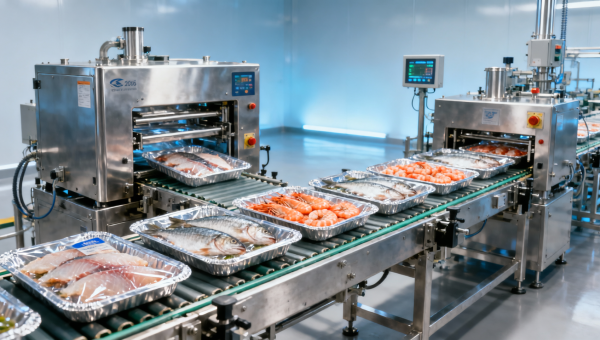
As seafood processors prepare 2026 line upgrades, the seafood packaging machine is becoming central to efficiency, traceability, and compliance. From vacuum packing machine for fish integration to smarter links with surimi processing equipment, fish bone separator machine, and shrimp peeling machine commercial systems, buyers are rethinking end-to-end automation. This overview highlights the trends, technical priorities, and investment signals shaping next-generation seafood plants.
Why the seafood packaging machine is now the anchor of 2026 seafood line planning
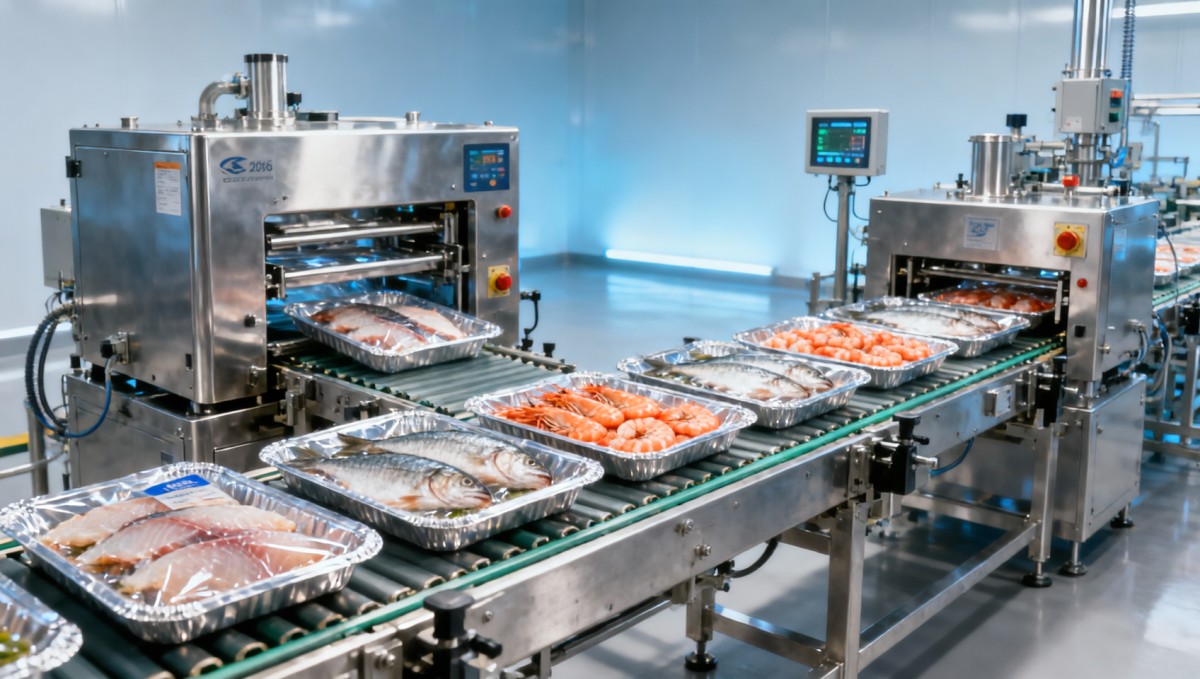
In many plants, packaging used to be treated as a downstream utility. That view is changing fast. For 2026 upgrades, the seafood packaging machine increasingly acts as the control point where throughput, shelf-life strategy, labeling accuracy, and compliance records converge. A line may include filleting, deboning, peeling, washing, weighing, and freezing, but if packaging cannot match line rhythm or product variability, the entire investment underperforms.
This shift matters across user groups. Operators want simpler changeovers within 10–20 minutes, technical evaluators want stable seal integrity over long shifts, procurement teams want lower downtime risk, and financial approvers want a payback pathway that does not depend on unrealistic utilization assumptions. Quality and safety managers also need packaging systems that support lot coding, temperature-sensitive handling, and sanitation procedures that fit seafood hygiene routines.
The practical implication is clear: line upgrades are no longer about buying a stand-alone vacuum packer. Buyers are assessing whether the seafood packaging machine can synchronize with upstream surimi processing equipment, fish bone separator machine discharge, grading conveyors, checkweighers, metal detection, and end-of-line case packing. In typical medium-capacity plants, even a mismatch of 5–10 packs per minute can create labor bottlenecks or product queues that affect temperature control.
For AgriChem Chronicle readers, this is where technical intelligence becomes useful. Industrial seafood projects now require cross-functional evaluation rather than isolated machine comparison. The relevant question is not simply “Which machine costs less?” but “Which packaging architecture preserves quality, supports compliance, and scales across 2–3 future product formats without forcing a second retrofit?”
What is changing in buyer behavior before approval
Buyers are running wider evaluation matrices than they did 3–5 years ago. Instead of comparing only chamber size or sealing speed, they are checking utility demand, washdown design, film compatibility, integration interfaces, and service response expectations. This is especially true where export programs require cleaner traceability records and packaging consistency across multiple SKUs.
- Procurement teams increasingly compare 3 core dimensions together: line capacity fit, compliance readiness, and total operating burden.
- Project managers are prioritizing installation windows of 2–4 weeks to reduce production disruption during seasonal demand peaks.
- Distributors and agents are looking for systems with modular spares planning because critical wear parts often need quarterly review in heavy washdown environments.
As a result, the seafood packaging machine has moved from a late-stage purchasing item to an early-stage engineering topic. Plants that lock packaging specifications too late often end up redesigning conveyor heights, buffer zones, or product accumulation logic after equipment arrives.
Which technology trends are shaping 2026 seafood packaging line upgrades?
Several trends are influencing decisions at the equipment and plant layout level. First, vacuum packing machine for fish applications are being selected less by headline speed and more by format flexibility. Seafood processors increasingly need one platform to handle chilled fillets, frozen portions, marinated products, and value-added packs in short production runs. That pushes demand toward more controllable recipe management and faster size change procedures.
Second, integration is becoming a decisive factor. Packaging machines are expected to receive product flow from upstream processing systems with fewer manual interventions. In plants using surimi processing equipment, for example, packaging must support consistent portion presentation and moisture-sensitive sealing behavior. In shrimp lines, output from a shrimp peeling machine commercial setup may vary by grade and volume, so pack timing and infeed buffering need tighter engineering.
Third, sanitation design is no longer a secondary checkbox. Seafood environments involve salt, moisture, protein residue, frequent washdown, and strict hygiene controls. Buyers are asking whether contact surfaces are easy to access, whether cleaning verification can be completed within a standard sanitation shift, and whether cable routing or sealing zones create residue traps. A machine that saves 8 minutes per changeover but adds 30 minutes to cleaning may not be a real upgrade.
Fourth, data visibility is expanding from production reporting to compliance support. Technical teams increasingly want alarm history, seal parameter logging, and batch-level traceability hooks that can link with MES or ERP environments. This trend is relevant not only for large processors. Even mid-sized facilities with 1–2 main lines are being asked by retail and export customers to present clearer packaging records during audits.
High-impact trends buyers should monitor
The table below summarizes how current technology trends affect selection priorities for a seafood packaging machine and related line equipment. It is useful for technical reviews, budget planning, and distributor discussions.
The main lesson is that 2026 upgrades favor packaging systems that are easier to integrate, easier to clean, and easier to validate. Speed still matters, but only when it is stable under real product conditions such as wet surfaces, variable pack sizes, and temperature-controlled handling.
A note on line balancing
A seafood packaging machine should be selected against the realistic average output of the entire line, not the nameplate maximum of one upstream machine. If a fish bone separator machine delivers fluctuating usable mass or a shrimp peeling machine commercial setup creates batch surges, packaging must absorb that variation. In many practical layouts, a 10% buffer in packaging capacity is more valuable than a 25% headline surplus that only works under ideal feed conditions.
How should procurement teams compare equipment options across product types?
Selection becomes more difficult when one plant handles multiple seafood categories. Whole fish, fillets, shrimp, surimi products, and value-added marinated packs each place different demands on the seafood packaging machine. Some products are shape-irregular, some are moisture-heavy, and some are highly sensitive to seal contamination. Procurement teams therefore need a comparison framework that links product behavior to equipment choice.
The right approach is not to ask which packaging method is universally best. Instead, ask which method is most suitable for the plant’s mix, output target, labor availability, and compliance burden. A high-speed thermoforming line may suit stable, high-volume SKUs, while a flexible vacuum packing machine for fish may deliver better economics for mixed-format production or regional distributors handling varied orders.
This comparison also helps finance teams. Capital cost alone can distort the decision if film usage, labor inputs, rework rates, utility consumption, and maintenance access are ignored. Over a 12–24 month review horizon, a lower-priced system can become more expensive when it causes more rejects, longer cleaning cycles, or higher film waste during changeovers.
For industrial readers, the table below offers a practical selection view across common seafood packaging scenarios.
Comparison table for common seafood packaging choices
In practice, many 2026 projects will combine more than one format. Plants may use a seafood packaging machine with flexible vacuum capability for core products while preserving separate tray or bulk packing lanes for export and foodservice orders. That hybrid strategy can reduce risk when demand mix changes by season or customer channel.
A 5-point selection checklist
- Confirm real hourly throughput after upstream variability, not just nominal machine speed.
- Test at least 2–3 representative product forms: wet fillet, frozen portion, and irregular trim or marinated pack.
- Review sanitation and maintenance access under actual cleaning schedules, often daily plus deeper weekly inspection.
- Check coding, label, and traceability compatibility with your current ERP, MES, or manual batch control process.
- Request clarity on lead time, commissioning scope, operator training hours, and recommended critical spare parts.
This checklist is useful not only for direct buyers but also for agents and distributors who need a consistent method to qualify customer inquiries before quoting.
What technical, compliance, and implementation details are most often overlooked?
Many upgrade projects fail in the gap between machine specification and plant reality. One common issue is underestimating product variability. A seafood packaging machine may perform well with dry, uniform portions during factory demonstration, then face seal contamination or awkward loading once it receives actual fish cuts, shell-on shrimp, or uneven surimi blocks. Technical assessment should therefore include product-condition testing, not only dry-run acceptance.
A second issue is compliance coordination. Seafood processors serving export, retail, or regulated food channels may need packaging workflows that align with HACCP programs, labeling controls, and food-contact material expectations. If the project team does not align engineering, quality, and procurement early, equipment can arrive before documentation, validation planning, or coding verification procedures are ready. That can delay startup by days or even weeks.
A third issue is utility planning. Packaging decisions affect compressed air demand, electrical load, floor drainage, washdown protocol, and sometimes chilled room layout. In seafood facilities, ambient and product temperatures often sit in controlled processing ranges, and thermal exposure during queuing matters. If infeed accumulation is not designed correctly, product may wait too long before sealing or labeling, which weakens quality consistency.
Finally, implementation timing is often too optimistic. Even when the machinery itself is available, line integration, SAT, operator training, sanitation validation, and packaging material adjustment can require 7–15 days in a straightforward project and longer in multi-machine retrofits. Project leaders should budget time for dry testing, wet testing, and product-specific parameter tuning rather than expecting immediate full-speed production.
Compliance and technical review points before final approval
The following matrix helps buyers, quality managers, and engineering teams verify whether a seafood packaging machine project is ready for procurement and commissioning.
These checks are especially important when packaging is part of a broader retrofit involving surimi processing equipment or a fish bone separator machine. The more interfaces a project has, the more value there is in clear acceptance criteria and staged implementation milestones.
Frequent misconceptions in seafood packaging projects
- “Faster is always better.” In reality, unstable high speed can increase reject rates and labor intervention.
- “One demo proves all products.” Seafood moisture, shape, and temperature variation often require separate validation by product family.
- “Packaging is only an end-of-line purchase.” It often determines conveyor logic, coding architecture, and traceability design from the start.
- “Low capital cost means lower risk.” Total cost frequently depends more on uptime, sanitation effort, and film waste than on purchase price alone.
Avoiding these misconceptions usually leads to better budget discipline and smoother commissioning. It also helps internal teams justify investment with more credible operational assumptions.
How can buyers build a stronger 2026 upgrade plan and reduce investment risk?
A solid 2026 upgrade plan starts with scope discipline. Buyers should define whether the priority is capacity expansion, labor reduction, packaging quality improvement, compliance readiness, or multi-format flexibility. Trying to solve all five at once without ranking them usually leads to overspecification. In seafood plants, the best-performing projects are often those that define 3 measurable targets first, such as packs per minute, changeover time, and reject threshold.
The next step is cross-functional review. Operators, quality staff, engineering, procurement, and finance should evaluate the seafood packaging machine together. Operators can identify loading challenges, quality teams can flag audit and sanitation requirements, and finance can test whether utilization assumptions are realistic over 12 months rather than only during peak season. This process is particularly valuable when multiple line components will be upgraded in phases.
AgriChem Chronicle’s advantage in this environment is not simply access to supplier claims. It is the ability to frame decisions through primary-industry process logic, compliance awareness, and supply chain transparency. For institutional buyers and industrial processing teams, that means better questions before RFQ issuance, clearer comparisons during vendor evaluation, and fewer blind spots between technical promise and plant execution.
If your project includes a vacuum packing machine for fish, integration with surimi processing equipment, or packaging synchronization after a shrimp peeling machine commercial line, early consultation can prevent costly redesign. The same is true for distributors building channel offers: a more precise needs assessment reduces quotation churn and improves customer fit.
A practical 4-step action path
- Define product mix and packaging goals across the next 12–24 months, not just current demand.
- Map upstream and downstream interfaces, including separators, peelers, weighing, coding, inspection, and case packing.
- Run a procurement matrix covering 5 key areas: throughput, hygiene, traceability, maintainability, and commissioning support.
- Request evidence-based technical dialogue before quotation finalization, including product tests, layout review, and startup planning.
Why work with us
AgriChem Chronicle supports industrial buyers, technical reviewers, and commercial partners with sector-specific intelligence shaped by agricultural, biochemical, and primary processing expertise. For seafood line upgrades, we help teams move beyond generic equipment marketing and focus on operational fit, compliance implications, and supply chain credibility.
You can contact us to discuss parameter confirmation for a seafood packaging machine, product suitability for a vacuum packing machine for fish, line coordination with surimi processing equipment, or upgrade planning around fish bone separator machine and shrimp peeling machine commercial installations. We can also help structure comparison criteria for RFQs, clarify typical implementation timelines, and support decision conversations around customization, documentation expectations, and quotation scope.
For buyers under time pressure, the most useful next step is a focused inquiry with your target product formats, expected throughput range, sanitation routine, and preferred project window. With that information, the discussion becomes more precise, faster to validate, and more valuable for procurement, engineering, and management approval.
Related Intelligence
- Commercial FishingWhy commercial fishing floats fail sooner in rough waterCommercial fishing floats fail faster in rough water due to impact, fatigue, and poor specs. Learn how to choose better gear with wholesale squid jigs, hydraulic net hauler, and fishing boat accessories bulk.
- Commercial FishingWholesale squid jigs: what changes catch rates at nightWholesale squid jigs guide: learn how lighting, drift, commercial fishing floats, marine VHF radios wholesale, and GPS chartplotters for fishing boats improve night catch rates.
- Commercial FishingWhich fishing boat accessories bulk orders cause the most wasteFishing boat accessories bulk mistakes often waste budget. Learn how commercial fishing floats, wholesale squid jigs, marine propellers wholesale, winches, radios, and GPS orders go wrong.
The Morning Broadsheet
Daily chemical briefings, market shifts, and peer-reviewed summaries delivered to your terminal.
