
Shrimp Grading Machine Wholesale: Which Sorting Method Fits
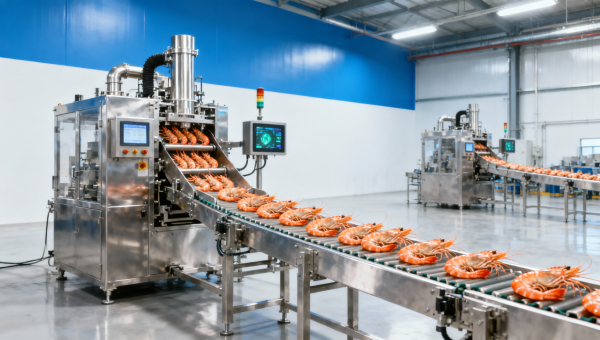
Choosing the right shrimp grading machine wholesale solution starts with understanding how each sorting method affects yield, labor efficiency, product consistency, and compliance. For buyers comparing shrimp peeling machine commercial systems, commercial crab grading machine options, or integrated seafood packaging machine lines, this guide explains which grading approach best fits your processing scale, quality targets, and investment priorities.
How do shrimp grading methods differ in real processing environments?
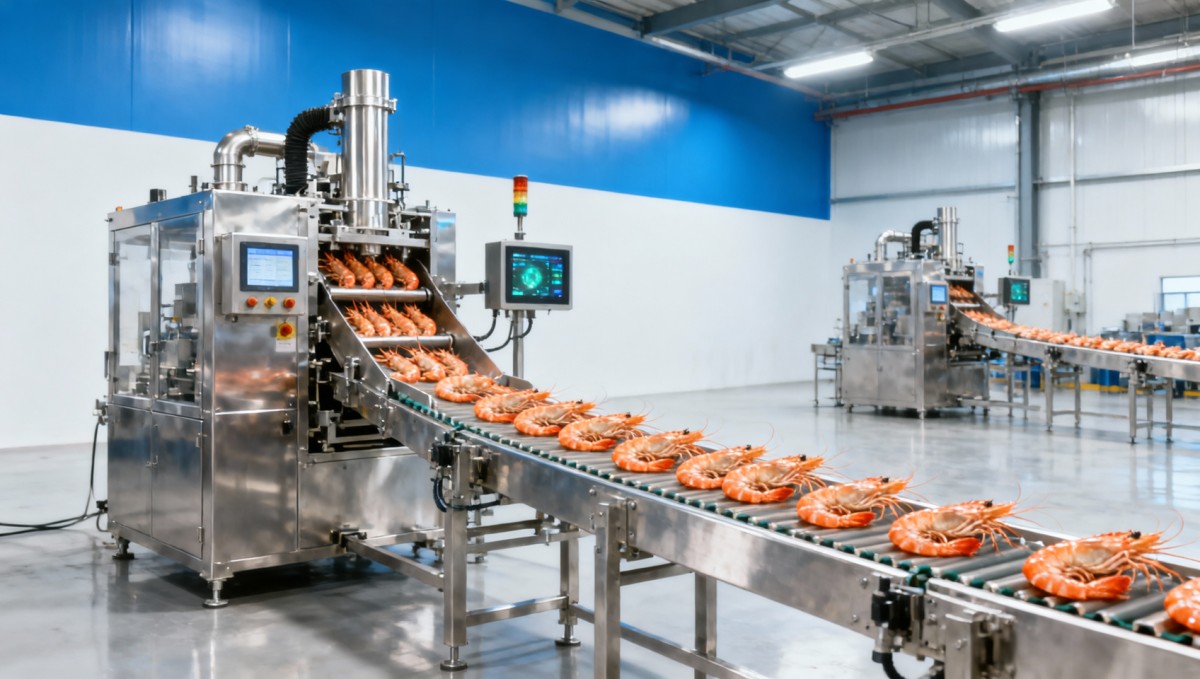
In seafood processing, a shrimp grading machine is not simply a sorting device. It is a control point that affects downstream peeling, freezing, packing, labeling, and shipment consistency. For wholesale buyers, the practical question is not whether grading matters, but which sorting method fits the plant’s daily throughput, species variation, labor model, and customer specification window.
Most commercial systems fall into 3 broad categories: mechanical size grading, weight-based grading, and vision-assisted sorting. Mechanical systems are common in medium-volume lines because they are simpler to maintain and often easier to integrate with conveyors. Weight-based systems are preferred when product contracts are sold by count-per-kilogram or by strict pack weight tolerances. Vision-assisted sorting becomes relevant when processors need additional defect screening or more refined product segmentation.
For operators and technical evaluators, the sorting method directly affects line stability over 8–16 hour production shifts. If shrimp sizes vary widely across batches, a basic roller or gap grader may struggle to maintain accuracy without frequent adjustment. If the line handles multiple SKUs within the same week, a system with faster changeover and clearer calibration logic usually reduces downtime and operator error.
For procurement teams and financial approvers, the better comparison is total operational fit over 3 dimensions: grading precision, labor intensity, and integration cost. A lower-price machine may create higher hidden costs if it requires more manual rechecks, causes product bruising, or cannot synchronize with a seafood packaging machine. In many plants, the grading stage sets the pace for the next 2–4 process nodes.
Three common sorting approaches buyers compare
Before requesting quotations, buyers should align the sorting method with product type and contract demands. This is especially important for frozen shrimp processors, export-oriented packers, and facilities that also evaluate commercial crab grading machine lines or mixed-species seafood systems.
Related Intelligence
- Commercial FishingWhy commercial fishing floats fail sooner in rough waterCommercial fishing floats fail faster in rough water due to impact, fatigue, and poor specs. Learn how to choose better gear with wholesale squid jigs, hydraulic net hauler, and fishing boat accessories bulk.
- Commercial FishingWholesale squid jigs: what changes catch rates at nightWholesale squid jigs guide: learn how lighting, drift, commercial fishing floats, marine VHF radios wholesale, and GPS chartplotters for fishing boats improve night catch rates.
- Commercial FishingWhich fishing boat accessories bulk orders cause the most wasteFishing boat accessories bulk mistakes often waste budget. Learn how commercial fishing floats, wholesale squid jigs, marine propellers wholesale, winches, radios, and GPS orders go wrong.
The Morning Broadsheet
Daily chemical briefings, market shifts, and peer-reviewed summaries delivered to your terminal.
