
Hydraulic net hauler problems that start with hose sizing
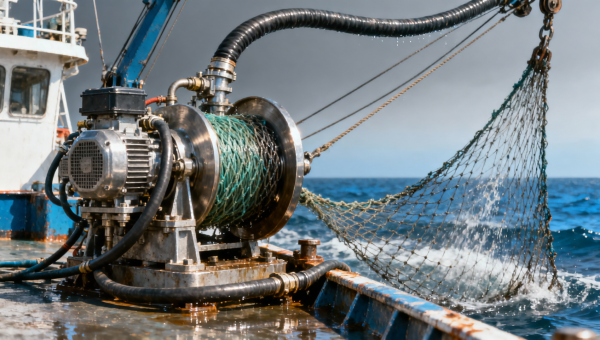
When a hydraulic net hauler underperforms, the root cause often starts with hose sizing rather than the drum or motor itself. For operators, buyers, and technical teams comparing commercial fishing winches, marine diesel engines for fishing boats, and fishing boat accessories bulk, correct hydraulic flow design is critical to safety, efficiency, and long-term cost control. This article explains how sizing errors affect hauling force, heat, and reliability in real commercial fishing applications.
In workboat and aquaculture environments, hose sizing is often treated as a secondary installation detail. In reality, it directly affects pressure drop, oil velocity, return flow stability, and system temperature. A net hauler that feels “weak” at the deck can be suffering from a hydraulic circuit mismatch long before the crew suspects a pump, valve block, or drive motor fault.
For procurement teams and project managers, this matters because the wrong hose specification can increase fuel use, slow hauling cycles by 10%–25%, and shorten seal, hose, and oil life over a single fishing season. For safety and quality teams, it also raises the risk of overheating, burst pressure events, and uncontrolled line behavior during peak hauling loads.
Why hose sizing is the first place to look
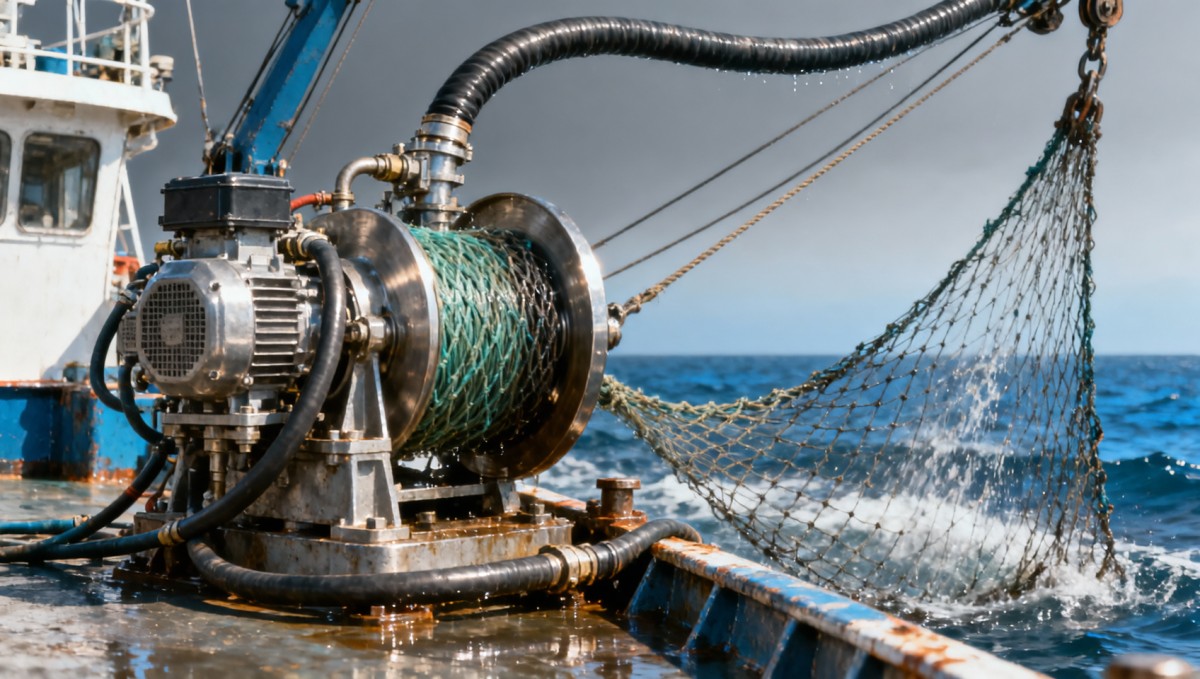
A hydraulic net hauler depends on stable flow and pressure to convert engine power into controlled pulling force. If the hose internal diameter is too small, the system experiences excessive restriction. That restriction shows up as pressure loss between the power unit and the motor, reduced torque at the hauler head, and rising oil temperature during longer operating cycles of 20–60 minutes.
In commercial fishery applications, hose length also matters. A 3 m hose run and a 12 m hose run with the same inside diameter will not perform the same way. Every additional bend, adapter, and coupling adds resistance. On deck layouts where the hauler is mounted away from the hydraulic power pack, undersized hose becomes a common hidden bottleneck.
Many operators notice the symptom before they identify the cause. The drum turns, but hauling is slow under wet net load. The motor may sound strained, or oil may become unusually hot after repeated cycles. In these situations, replacing a healthy motor or increasing engine speed may only mask the issue while raising operating stress elsewhere in the system.
Technical evaluators should also separate pressure hose sizing from return hose sizing. A circuit may have acceptable pressure-side performance but still overheat because the return line is too restrictive. Return-side oil velocity that stays above common target ranges can create backpressure, foam risk, and erratic response under changing loads.
Typical hydraulic effects of undersized hose
- Higher pressure drop, often noticeable when line length exceeds 5–8 m or when multiple fittings are used.
- Reduced motor torque at the net hauler, especially under heavy catch or fouled net conditions.
- Oil temperature rise that may exceed workable limits during continuous duty shifts.
- Increased wear on seals, hoses, and couplings due to heat, pulsation, and unstable return flow.
The table below shows how hose sizing errors typically appear in field diagnosis for commercial fishing winches and hydraulic hauling systems.
For buyers comparing fishing boat accessories in bulk, the takeaway is straightforward: a net hauler package should never be reviewed only by rated pull force or motor displacement. Hose diameter, hose length, bend radius, and fitting count materially affect delivered performance at the point of work.
How sizing errors affect hauling force, heat, and system reliability
Hauling force depends on hydraulic motor torque, and torque depends on effective pressure arriving at the motor. If 15–20 bar is lost through restrictive hose and fittings before the oil reaches the motor, the operator may feel a major drop in pulling performance even though pump output on paper appears adequate. That is why pressure readings at the power source alone can be misleading.
Heat is the second major consequence. Pressure loss is not just a control problem; it converts energy into heat. In a vessel operating multiple deck systems such as a net hauler, auxiliary winch, and washdown circuit, excess heat from one undersized line can push total oil temperature beyond the comfort zone of the whole hydraulic package. Continuous duty above common working ranges can reduce fluid performance and lubrication quality.
Reliability declines next. A hydraulic system that runs too hot and too restricted places stress on hoses, valve seals, motor shafts, and even engine-driven pump couplings. Maintenance teams then face recurring replacement cycles every few months rather than seasonal inspection intervals. For financial approvers, this turns an inexpensive hose decision into a broader lifecycle cost issue.
There is also a vessel integration angle. When a marine diesel engine for a fishing boat is selected to drive hydraulic auxiliaries, engineers often calculate engine power reserve, pump displacement, and duty cycles. But if the hose network is not sized to keep oil velocity within practical limits, the system can still perform like an underpowered setup. This can result in unnecessary overspecification of engine or pump components.
Three technical pathways from hose error to equipment failure
- Restricted flow reduces motor input, lowering torque and forcing longer hauling time under the same load.
- Higher resistance increases heat generation, which accelerates oil oxidation and damages elastomer components.
- Backpressure and pulsation create unstable control, which raises operator fatigue and deck handling risk.
Common warning thresholds used in practical evaluation
Although exact values depend on oil viscosity, duty cycle, and manufacturer guidance, many technical teams use practical checks such as hose runs longer than 8–10 m, repeated 90-degree fittings, or oil temperature drift that continues upward through a 30-minute hauling sequence. These indicators do not replace engineering calculations, but they help identify likely mismatch early.
A useful field practice is to measure pressure near the pump and again close to the motor during loaded operation. A noticeable pressure gap, together with slow hauling and rising heat, often points to flow restriction in the line set rather than failure of the drive component itself.
Practical sizing factors for commercial fishing and aquaculture vessels
Correct hose selection starts with four variables: required flow rate, working pressure, hose length, and duty cycle. In fishery and aquaculture operations, two more variables deserve equal attention: ambient temperature and contamination exposure. Saltwater spray, deck abrasion, and UV exposure can reduce hose service life if the outer cover and fitting protection are poorly matched to the vessel environment.
For operators and distributors, the easiest mistake is choosing hose based only on port size. Port thread or fitting size does not automatically confirm that the internal bore is suitable for the target flow. A system may physically connect and still be hydraulically inefficient. This is especially common when accessories are replaced in mixed-brand fleets over 2–4 maintenance cycles.
Return lines deserve more scrutiny than they usually receive. A generous return line helps reduce backpressure and temperature rise, especially when the net hauler runs in variable load conditions. Technical teams should also review suction hose design if a dedicated hydraulic power unit is used, since collapse resistance and low restriction are important during cold starts.
The following table summarizes typical evaluation factors that procurement, engineering, and maintenance teams should align on before ordering a hydraulic net hauler package or replacement hose set.
This matrix helps different decision-makers speak the same language. Operators focus on responsiveness, engineers on flow and pressure, procurement on part consistency, and finance on lifecycle cost. A sound hose-sizing review connects all four concerns before installation begins.
A practical pre-purchase checklist
- Confirm required flow and target hauling speed for at least 2 load conditions: normal catch and peak wet-net load.
- Record total hose run, including vertical routing, swivel joints, and couplers rather than straight-line distance only.
- Check whether the return line is sized independently rather than copied from pressure line dimensions.
- Review hose cover material and fitting protection for saltwater, abrasion, and washdown exposure.
Procurement risks, specification mistakes, and cost control
In B2B purchasing, hose sizing problems often begin in the quotation stage. A net hauler may be listed with rated pull, motor type, and mounting dimensions, but the hydraulic line set is left as a generic accessory. That creates room for mismatch when dealers, distributors, or vessel integrators source hoses from separate suppliers with different assumptions about flow rate and installation layout.
Another common issue is comparing package prices without comparing total hydraulic architecture. A lower-priced offer can become more expensive over 12 months if it requires earlier hose replacement, more oil changes, longer hauling cycles, or repeated troubleshooting visits. For finance teams, the real comparison should include downtime cost, maintenance labor, and lost catch handling efficiency.
Quality and safety managers should also ensure hose documentation covers working pressure, burst rating, compatibility with the hydraulic fluid in use, and fitting integrity under vessel vibration. In marine applications, poor routing and bend control can be just as damaging as wrong diameter. Even a correctly sized hose can fail early if it is twisted, chafed, or forced into a bend below its recommended radius.
Project managers overseeing new vessel builds or retrofits should require a line-by-line hydraulic review before factory acceptance or onboard commissioning. A 5-step review process usually saves far more time than reactive troubleshooting after deployment, especially when several hydraulic accessories share one power source.
Five specification mistakes seen in real purchasing cycles
- Selecting hose by fitting thread size only, without checking internal bore and target flow.
- Ignoring route length and counting only straight sections, not adapters and bends.
- Using one hose size for pressure and return lines without considering backpressure.
- Treating deck environment as standard industrial service instead of marine exposure.
- Accepting a package quote without commissioning test points for loaded pressure verification.
Cost categories that should be included in approval reviews
A disciplined approval review should compare at least 6 categories: initial hose cost, installation labor, expected service interval, oil replacement frequency, downtime risk, and productivity impact. On heavily used commercial vessels, even a 15-minute delay per hauling cycle can become meaningful across a week of repetitive operations.
This is why technical procurement should request both component data and system-level performance assumptions. When suppliers can explain expected flow range, line sizing logic, and temperature management approach, buyers reduce the risk of hidden inefficiencies entering the vessel through a low-visibility accessory item.
Implementation, maintenance, and field troubleshooting steps
Once the right hose size is selected, execution still matters. Installation should protect against chafing, excessive bend stress, deck impact, and contamination ingress. Hose routing on fishing vessels changes over time as additional accessories are added, so a system that performed well when new may become restricted after several seasons of modifications and replacements.
A practical maintenance routine should include visual checks before departure, temperature awareness during hauling, and scheduled inspection of fittings, clamps, and abrasion points every 250–500 operating hours, depending on duty intensity. For vessels in high-salinity service, corrosion around fittings and support brackets should be inspected more frequently.
Troubleshooting should start with evidence, not assumptions. If a net hauler is slow, measure pressure near the source and near the motor under load. Check oil temperature trend during a full operating cycle, and review whether return line restriction or filter loading is contributing to the issue. This method is more efficient than replacing parts one by one.
For distributors and service partners, providing a structured commissioning record can improve after-sales reliability. It gives end users a baseline for future comparison and helps distinguish between original undersizing, later routing changes, and wear-related degradation.
Recommended field workflow for hydraulic net hauler verification
- Confirm actual hose bore, hose route length, and fitting count against the approved drawing or order list.
- Run the system under no-load and loaded conditions for at least 15–30 minutes.
- Measure pressure at two points and compare temperature rise across the operating cycle.
- Inspect return line behavior, filter condition, and signs of aeration or unstable response.
- Record findings and correct routing, diameter, or fitting restrictions before replacing major components.
FAQ: questions frequently raised by buyers and operators
How do I know if the hose is too small for the net hauler? Common signs include reduced hauling speed under load, rising oil temperature during a 20–30 minute cycle, and a pressure difference between source and motor that is larger than expected during operation.
Should pressure and return hoses be the same size? Not always. In many systems, the return line benefits from lower restriction and may need separate evaluation rather than mirroring the pressure line.
Can a larger engine solve the problem? A larger marine diesel engine may add available power, but it will not eliminate restriction losses caused by poor hose sizing. In some cases it only increases heat and fuel use.
How often should hose sizing be reviewed? At minimum during initial installation, after major rerouting, when adding new hydraulic accessories, or whenever performance changes noticeably over a season.
Hydraulic net hauler performance is shaped by more than motor size and rated pull. Hose bore, route length, fittings, return flow design, and installation quality determine whether the system delivers steady hauling force with manageable heat and reliable service life. For fishing vessel operators, aquaculture teams, OEMs, and procurement departments, early attention to hose sizing prevents avoidable downtime and supports better lifecycle economics.
If you are evaluating commercial fishing winches, hydraulic deck equipment, marine diesel engine integration, or fishing boat accessories in bulk, a specification review that includes hose sizing can reduce technical risk before purchase. To discuss a tailored hydraulic configuration, request a custom solution, or review product details for your vessel program, contact us to explore more application-specific options.
Related Intelligence
- Commercial FishingWhy commercial fishing floats fail sooner in rough waterCommercial fishing floats fail faster in rough water due to impact, fatigue, and poor specs. Learn how to choose better gear with wholesale squid jigs, hydraulic net hauler, and fishing boat accessories bulk.
- Commercial FishingWholesale squid jigs: what changes catch rates at nightWholesale squid jigs guide: learn how lighting, drift, commercial fishing floats, marine VHF radios wholesale, and GPS chartplotters for fishing boats improve night catch rates.
- Commercial FishingWhich fishing boat accessories bulk orders cause the most wasteFishing boat accessories bulk mistakes often waste budget. Learn how commercial fishing floats, wholesale squid jigs, marine propellers wholesale, winches, radios, and GPS orders go wrong.
The Morning Broadsheet
Daily chemical briefings, market shifts, and peer-reviewed summaries delivered to your terminal.
