
Commercial fishing winches: the hidden cost of undersizing
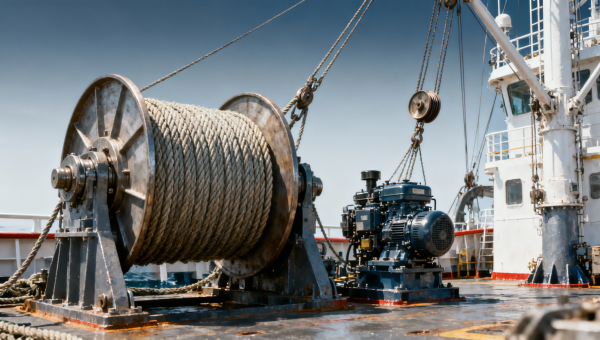
In commercial fisheries, undersizing critical deck gear can quietly erode profit, safety, and uptime. From commercial fishing winches and hydraulic net hauler systems to marine diesel engines for fishing boats, selecting equipment below real load demands often triggers higher maintenance, fuel waste, and operational risk. For buyers comparing fishing boat accessories bulk, marine propellers wholesale, or gps chartplotters for fishing boats, understanding the true cost of undersizing is essential before procurement.
For vessel operators, technical evaluators, procurement teams, and finance approvers, undersizing is rarely a simple specification error. It is usually a chain decision involving target catch volume, towing resistance, deck layout, hydraulic capacity, engine reserve power, maintenance windows, and compliance expectations. A winch that looks cost-effective on paper can become expensive within 6 to 12 months if it operates near maximum load every trip.
This issue matters across mixed fleets, including trawlers, longliners, purse seiners, and aquaculture service vessels. When drum capacity, line pull, duty cycle, braking force, or hydraulic flow are underspecified, operators face more than slower handling. They face unplanned downtime, crew fatigue, gearbox strain, accelerated rope wear, and in severe cases, dangerous line failure during peak hauling conditions.
Why undersized commercial fishing winches create hidden operating costs
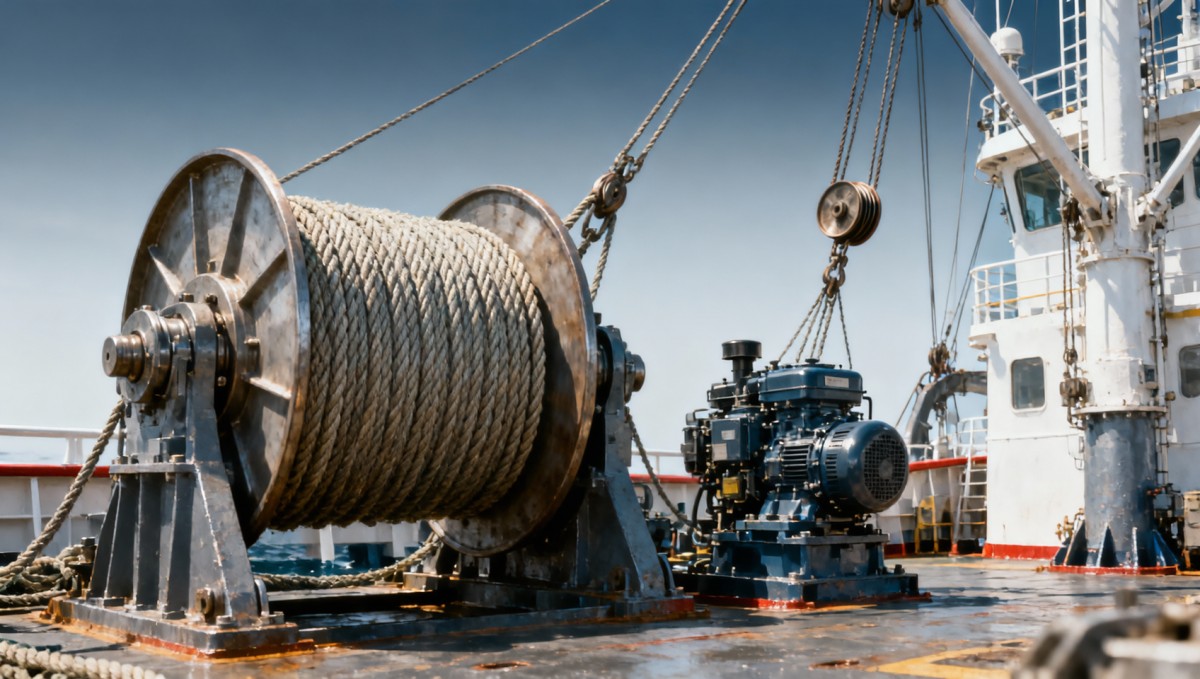
The first hidden cost of undersizing is reduced mechanical margin. A commercial fishing winch sized too close to nominal load may still perform in calm weather and light catch conditions, but marine operations rarely stay at nominal values. Net drag can increase by 20% to 40% due to current, fouling, catch density, or rough sea state. If the installed unit has no reserve, components run hotter and wear faster.
The second cost is downtime. In many fleets, even 1 unscheduled stoppage during a peak landing week can affect labor planning, fuel efficiency, and delivery timing. A vessel delayed by 8 to 12 hours may miss an unloading slot, lose product freshness, or require extra ice, handling, and berth costs. What looked like a lower capital spend becomes a recurring operating penalty.
The third cost is energy inefficiency. When a hydraulic net hauler system or deck winch works continuously at the upper edge of its rating, pressure spikes become more frequent. Pumps, hoses, seals, and control valves are stressed beyond ideal duty patterns. This often means more throttling, more heat generation, and higher fuel draw from marine diesel engines for fishing boats, especially in multi-function deck systems.
Safety is the fourth cost, and it is often underestimated during procurement. Winches with insufficient braking capacity or poor line speed under load can create unstable deck operations. Crew members compensate manually, hauling cycles become uneven, and tension events become harder to predict. In a wet deck environment, a single snap-back incident can carry consequences far beyond repair budgets.
Typical cost channels that buyers overlook
- Higher replacement frequency for wire rope, bearings, seals, and brake linings, often shortening service intervals from 12 months to 4 to 6 months.
- Lower hauling speed under real sea load, reducing cycle efficiency by 10% to 25% during active fishing windows.
- Increased engine loading and hydraulic heat, which may raise fuel use by 3% to 8% over a full season.
- More labor strain during peak deck handling, especially when operators must make corrective adjustments repeatedly.
Visible price vs lifetime cost
Procurement teams often compare deck gear by initial quotation, but that view can be too narrow. A unit priced 10% to 15% lower may carry a much higher lifecycle burden if it is rated for only baseline conditions. The more relevant question is whether the winch can sustain repeated high-load operation across seasonal peaks, variable weather, and differing fishing grounds.
The key takeaway is simple: a lower purchase price does not mean a lower ownership cost. In many commercial fishing applications, reserve capacity of 15% to 30% is a practical buffer, not unnecessary overspending. Buyers should evaluate equipment against worst-case operating load rather than catalog minimums.
How to size winches and hydraulic systems for real fishing loads
Correct sizing starts with real operating conditions, not only rated pulling force. Technical evaluation should include wet gear weight, rope layers on the drum, haul angle, line speed target, duty cycle, vessel roll behavior, and whether the same hydraulic circuit also supports a capstan, crane, or hydraulic net hauler system. A specification built on one static number will usually miss the real demand profile.
For example, line pull at the first drum layer is often significantly higher than at outer layers. As rope builds up, effective pulling force drops while line speed changes. If a crew needs reliable haul performance across 4 to 6 rope layers, the winch must be evaluated through the full drum condition, not at a single theoretical point. This is especially important for trawl and purse operations with variable payload resistance.
Hydraulic design must also be checked as a system. A winch may appear adequate in isolation, but if available flow and pressure fluctuate because of shared circuits, the result can be slow response, overheating, or jerky control. In compact deck layouts, hydraulic tank sizing, cooler performance, and hose routing become as important as the winch body itself.
Marine diesel engines for fishing boats are part of the same selection logic. If propulsion and deck hydraulics compete for power during hauling, undersized auxiliary capacity can amplify winch underperformance. In practical procurement reviews, engine reserve, PTO configuration, and hydraulic pump matching should be assessed together, particularly on vessels under 30 meters where space and power are tightly balanced.
Four sizing checkpoints before issuing a purchase order
- Define maximum working load, not average load. Use peak catch and rough-weather scenarios.
- Set a target duty cycle such as intermittent, repeated hourly hauling, or near-continuous 6 to 8 hour operation.
- Verify full hydraulic availability, including pump flow, pressure stability, cooling, and simultaneous deck equipment demand.
- Confirm drum capacity, brake holding force, and line speed under loaded and partially loaded conditions.
Typical sizing references used by technical teams
While each vessel requires application-specific verification, many buyers use a starting margin of 1.2 to 1.5 times expected continuous load for commercial fishing winches in harsh-duty service. Brake holding force often needs to exceed working line pull by a clear safety factor, and hydraulic oil temperature should remain within the manufacturer’s recommended band, commonly below 80°C in sustained operation.
This table highlights why sizing is not a one-line catalog exercise. The correct winch selection connects deck mechanics, hydraulics, power supply, and operating pattern. That integrated view is what separates a stable asset from a recurring maintenance problem.
Procurement mistakes that increase financial and compliance risk
Undersizing is often linked to procurement shortcuts rather than technical ignorance. One common mistake is requesting quotes only by tonnage or vessel length. A 24-meter trawler in one fishery may impose very different deck loads from another vessel of the same length due to gear type, net dimensions, current conditions, and daily trip intensity. Generic specification forms frequently hide these differences.
Another mistake is comparing suppliers without aligning test conditions. A quoted line pull can be based on first drum layer, ideal hydraulic supply, short duty intervals, or light rope configuration. If procurement and project teams do not standardize the comparison basis, the lowest bidder may simply be the one describing a lighter-duty assumption. This creates approval risk for finance and performance risk for operations.
There is also a compliance and safety dimension. Quality control managers and safety officers should verify braking integrity, emergency stop logic, corrosion protection, guarding, service access, and material compatibility for saltwater exposure. A winch that meets only minimum functional output but lacks durable marine detail can fail early in environments with heavy spray, abrasive sediment, and daily washdown cycles.
Distributors and dealers face an additional challenge. If they stock or resell fishing boat accessories bulk without application screening, return rates and customer dissatisfaction rise. It is better to lose a low-margin sale than to supply an undersized unit that damages long-term account trust. In B2B marine supply, repeat business usually depends more on equipment fit than on headline price.
A practical procurement checklist
- Ask for rated line pull at multiple drum layers, not a single maximum value.
- Confirm expected duty cycle in hours per day and days per season.
- Verify hydraulic pump flow, pressure range, and shared-load scenarios.
- Request parts lead time for wear items, typically seals, brake components, and bearings.
- Check corrosion protection approach for exposed deck use, including coating and drainage details.
Decision priorities by stakeholder
Operators usually prioritize control smoothness, stable line speed, and safe handling. Technical evaluators focus on load margin, hydraulic matching, and maintenance access. Procurement teams compare lead time, spare parts availability, and total cost of ownership. Finance approvers look for capex discipline but should also review the cost of downtime, which can exceed the price difference between two winch sizes within one active season.
The most effective procurement process uses cross-functional review before final approval. That means deck crew, engineering, purchasing, and safety teams each validate the specification. In practice, this 4-party check often prevents the most expensive errors.
System-level matching: winches, propellers, engines, and electronics
A commercial fishing winch does not operate alone. It sits inside a vessel system that includes propulsion, hydraulic generation, deck control, and navigation electronics. Buyers reviewing marine propellers wholesale, marine diesel engines for fishing boats, or gps chartplotters for fishing boats should view these decisions as linked, especially where deck performance depends on station holding, towing speed, and power availability.
For example, if propeller selection is optimized only for cruising economy but not for low-speed towing stability, net handling loads may become more erratic. That variability reaches the winch as uneven tension demand. In the same way, if electronic positioning and route planning are weak, operators may spend more time correcting drift in current-heavy grounds, again increasing deck handling stress and fuel consumption.
Fishing boat accessories bulk procurement can also influence the result. Fairleads, rollers, sheaves, line guides, and mounting structures must match the working load and rope type. An adequately sized winch paired with underspecified line-handling hardware is still a system-level mismatch. Many failures attributed to the winch are actually caused by poor deck integration or misaligned accessories.
Project managers should therefore treat deck machinery procurement as a package review with 3 layers: core equipment capacity, supporting mechanical path, and energy/control support. This approach is especially useful for refits, where legacy hydraulic circuits and mounting footprints can constrain the final selection.
Integration points that matter during refit or new build
- Mounting structure strength and deck reinforcement around the base frame.
- Hydraulic hose routing radius, protection from abrasion, and service access points.
- Electrical and control integration for alarms, emergency stop, and operator visibility.
- Alignment between winch, lead block, and fairlead to reduce side loading.
Typical delivery and commissioning windows
For standard commercial deck gear packages, buyers often plan 4 to 8 weeks for procurement and documentation review, followed by installation and commissioning windows that vary by yard access and retrofit complexity. If custom drums, control stands, or structural modifications are involved, schedules can extend further. Early technical clarification reduces both procurement delay and costly rework at installation.
Maintenance strategy, failure prevention, and buyer FAQ
Even a correctly sized system needs disciplined maintenance. However, a properly sized commercial fishing winch usually gives maintenance teams more stable wear patterns and more predictable service planning. Instead of reacting to frequent overheating, brake fade, or seal failures, crews can follow scheduled checks every 250 to 500 operating hours depending on application severity and manufacturer guidance.
A practical maintenance plan should cover lubrication, brake inspection, drum wear, fastener torque, hose condition, oil cleanliness, and corrosion control. In saltwater fisheries, washdown residue and trapped debris can accelerate deterioration if not removed consistently. Vessels working abrasive grounds or heavy organic loads should tighten inspection intervals, particularly around guide rollers and load-bearing interfaces.
From a financial perspective, preventive service is easier to budget than emergency repair. Spare parts planning should focus on the top failure points that interrupt operations fastest. For many fleets, holding 1 set of critical seals, brake consumables, and key hydraulic fittings per vessel is a practical minimum during peak season, especially where resupply lead times exceed 7 to 10 days.
Below are several common buyer questions that frequently arise during technical review and purchasing discussions.
How much reserve capacity is usually sensible?
For many fishing applications, a reserve of 15% to 30% above real continuous working demand is a practical target. The exact figure depends on sea condition variability, gear type, and duty cycle. High-variability fisheries generally justify a larger margin than calm, short-cycle operations.
Is a higher line speed always better?
No. Excessive speed without stable torque and braking can reduce control and increase crew risk. The best setup maintains predictable speed under load, not only high no-load speed. Buyers should evaluate loaded performance, operator control precision, and stopping behavior together.
When should a vessel upgrade related systems too?
If the existing hydraulic circuit runs near full pressure for long periods, if deck accessories show uneven wear, or if marine diesel engines for fishing boats already operate with limited reserve during hauling, the winch should not be upgraded in isolation. A system review is warranted when two or more bottlenecks appear together.
What should distributors emphasize to end buyers?
Distributors should ask about fishing method, target load, daily operating hours, rope specification, and hydraulic availability before recommending deck gear. This 5-point screening improves fit, reduces return risk, and supports stronger customer retention in marine equipment channels.
Undersizing may lower the quotation, but it usually raises the real cost of operation through downtime, unsafe handling, accelerated wear, and energy waste. For commercial fisheries, the better buying decision is based on realistic loads, verified duty cycle, hydraulic and engine matching, and full-system deck integration. If you are evaluating commercial fishing winches, hydraulic net hauler systems, marine propellers wholesale options, or related fishing boat accessories bulk procurement, now is the right time to review your specification against actual working conditions. Contact us to discuss a more reliable sizing strategy, request a tailored equipment evaluation, or learn more about practical solutions for safer and more efficient fishing vessel operations.
Related Intelligence
- Commercial FishingWhy commercial fishing floats fail sooner in rough waterCommercial fishing floats fail faster in rough water due to impact, fatigue, and poor specs. Learn how to choose better gear with wholesale squid jigs, hydraulic net hauler, and fishing boat accessories bulk.
- Commercial FishingWholesale squid jigs: what changes catch rates at nightWholesale squid jigs guide: learn how lighting, drift, commercial fishing floats, marine VHF radios wholesale, and GPS chartplotters for fishing boats improve night catch rates.
- Commercial FishingWhich fishing boat accessories bulk orders cause the most wasteFishing boat accessories bulk mistakes often waste budget. Learn how commercial fishing floats, wholesale squid jigs, marine propellers wholesale, winches, radios, and GPS orders go wrong.
The Morning Broadsheet
Daily chemical briefings, market shifts, and peer-reviewed summaries delivered to your terminal.
