
Fish filleting machine commercial options compared by yield loss
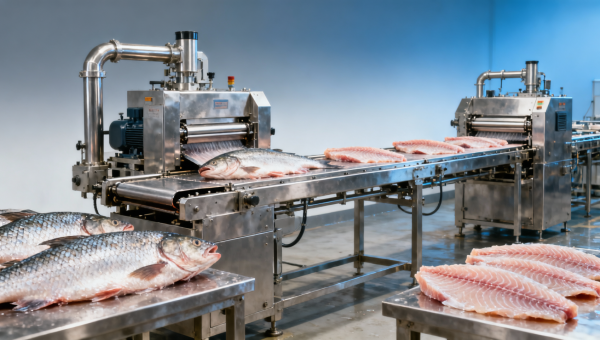
For buyers comparing fish filleting machine commercial models, yield loss is more than a processing metric—it directly affects profit, labor efficiency, and product consistency. This guide examines how fish processing machinery, from fish skinning machine wholesale options to commercial fish scaling machine systems, influences trim rates, throughput, and operational value in modern seafood plants.
In industrial fish processing, even a 1% difference in fillet recovery can materially change plant economics when daily intake reaches 2 to 20 metric tons. That is why technical evaluators, production supervisors, procurement teams, and financial approvers increasingly compare commercial fish filleting machine options not only by speed, but by trim accuracy, species adaptability, hygiene design, and maintenance burden.
A useful comparison must connect machine design to measurable operating outcomes. Blade geometry, feed alignment, pressure control, conveyor stability, and operator skill all influence yield loss. The most cost-effective line is rarely the one with the lowest purchase price alone; it is the one that balances throughput, acceptable waste, downtime control, and compliance with food safety procedures over a 3- to 7-year equipment life cycle.
Why Yield Loss Is the Core Metric in Commercial Filleting Decisions
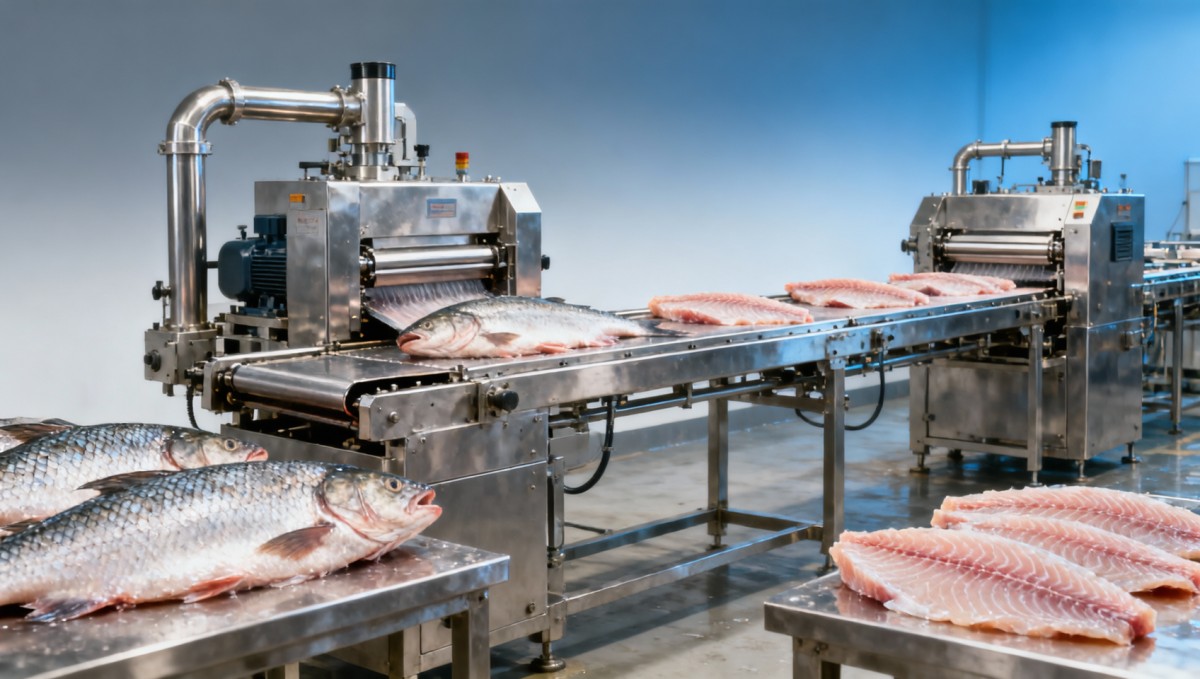
Yield loss refers to the edible flesh removed unintentionally during scaling, skinning, trimming, pin-bone handling, or primary filleting. In a commercial setting, this is not a minor efficiency issue. If a plant processes 5,000 kg of raw fish per shift and loses an additional 2% of saleable meat, that can mean 100 kg of lost output in a single day, before labor and packaging costs are counted.
The impact becomes more significant when processors handle high-value species such as salmon, sea bass, trout, grouper, or snapper. A difference between 58% and 61% fillet yield may seem small on paper, yet across 22 operating days per month it can reshape margin calculations, raw material planning, and contract pricing. This is why commercial fish filleting machine evaluation should begin with yield tolerance, not headline capacity.
Yield loss also affects downstream consistency. Uneven cuts create variable fillet thickness, more manual correction, and less predictable portioning. Plants supplying retail packs, frozen fillets, or foodservice contracts usually need tighter product uniformity, often within visual or weight variance bands defined internally. Machinery that reduces rework by 10% to 15% can improve line stability even when nominal speed is slightly lower.
For technical and procurement teams, the practical question is not simply “Which machine is faster?” but “Which machine produces the most sellable fillet at an acceptable labor cost and acceptable defect rate?” A sound purchase review therefore compares recovery, fish size range, skill dependence, cleaning time, spare-part wear, and installation fit within the existing processing line.
Typical Sources of Yield Loss Across the Line
Yield loss rarely comes from one machine alone. It often accumulates across multiple stages. A commercial fish scaling machine that damages skin surface can reduce skinning performance. A fish skinning machine with unstable tension can remove excess flesh. Poor head-cut positioning before filleting can further increase trim loss by 1% to 3%, depending on species and fish size consistency.
- Inaccurate feeding alignment, especially for mixed fish sizes in one batch
- Blade wear after 6 to 12 operating hours without inspection or reset
- Excessive pressure in skinning units causing meat removal with skin
- Manual correction after machine cutting, which raises labor variability
- Inconsistent chilling of raw fish, leading to softer flesh and poorer cut control
Plants that monitor only line speed often miss these compounded losses. A machine rated at 30 to 40 fish per minute may underperform financially if it creates more trim waste, more rework, or more rejected product at the inspection table.
Comparing Commercial Machine Categories by Yield Performance
Commercial filleting systems vary from semi-automatic single-lane units to integrated lines with heading, scaling, filleting, skinning, trimming, and grading modules. Yield performance should be compared by species profile, size range, and labor model. A machine designed for 300 g to 800 g tilapia will not necessarily deliver acceptable recovery on 2 kg salmon or demersal species with different bone structures.
The table below compares common commercial options by their usual operating profile and likely yield-loss behavior. These are practical comparison ranges used in procurement screening and line planning, not universal guarantees. Real results depend on fish condition, operator training, blade condition, and upstream preparation quality.
The key takeaway is that higher speed does not automatically mean lower loss. In many seafood plants, a well-matched integrated line outperforms a faster but poorly calibrated system because cumulative trim waste, stoppages, and manual correction are lower over an 8- to 12-hour production window.
Role of Skinning and Scaling in Final Recovery
Buyers often compare filleting units in isolation, yet fish skinning machine wholesale decisions and commercial fish scaling machine selection can materially change final net yield. Scaling that preserves skin integrity helps stabilize traction during skin removal. Skinning equipment with precise roller pressure and blade positioning can reduce excess flesh loss to below the level seen in older friction-based systems.
In practical terms, if skinning removes an extra 0.5% to 1.2% of flesh per fish, that loss can erase the advantage gained from a better filleting machine. For procurement teams, this means line-level testing is more useful than comparing standalone brochures. Ask suppliers how the filleting machine interacts with pre-processing and post-trim stages, not only what the core unit can do under ideal conditions.
Technical Criteria That Separate Low-Loss and High-Loss Equipment
The strongest low-loss commercial fish filleting machine options tend to share a few engineering characteristics. They maintain stable fish orientation, permit fine adjustment for species and size, support hygienic washdown, and allow fast blade servicing. For technical evaluators, these details matter more than generic claims about efficiency. A machine that takes 45 minutes to reset or sharpen may lose more production value than one with a slightly lower top speed.
Feed mechanism design is especially important. Systems with consistent hold-down pressure and guided alignment typically deliver cleaner cuts across a narrow size band. When fish size distribution varies widely, adjustable channels or modular infeed components can reduce miscuts. Plants processing multiple species in one shift should examine changeover times carefully; a 20- to 30-minute setup window may be acceptable, but repeated 60-minute changeovers often weaken utilization.
Material and sanitation design should also be reviewed. Stainless steel food-contact surfaces, accessible drainage zones, and fewer debris-trap points support faster cleaning and lower contamination risk. In facilities with 1 or 2 full washdowns per day, poor cleanability becomes an operational cost center. Quality and safety teams usually prefer equipment that allows inspection access without extensive disassembly.
Below is a practical screening table for cross-functional purchasing teams. It links technical features to likely yield and operating outcomes, helping operators, engineers, and finance reviewers discuss the same machine using shared criteria.
A machine that scores well in these four areas often delivers better total value than a cheaper system with weak serviceability. Low purchase price can be offset quickly by a 3% higher yield loss, 2 extra operators per shift, or delayed spare parts during seasonal harvest peaks.
Four Questions for Site Trials
- What is the actual fillet recovery across at least 3 representative fish-size bands?
- How many kilograms per hour can the system sustain for 4 continuous hours, not just at startup?
- How long do sanitation and reassembly take between shifts?
- How much manual trimming remains after the machine stage?
These questions help distinguish showroom performance from usable plant performance. For many processors, post-machine trimming labor is one of the clearest indicators of whether apparent machine efficiency is genuine.
Procurement Strategy: Matching Equipment to Plant Scale, Species, and ROI
A sound procurement strategy starts with the processing profile, not the catalog. Plants handling 1 to 3 tons per day may prioritize versatility, compact layout, and lower operator training burden. Facilities above 10 tons per day are more likely to prioritize integration, automation, spare-part security, and data consistency between shifts. In both cases, the right machine is the one that fits raw material variability and commercial output targets.
Finance teams usually want a simple business case. The most practical ROI model combines 4 factors: yield improvement, labor reduction, maintenance burden, and uptime reliability. For example, a system that improves usable recovery by 1.5%, reduces 2 trimming workers per shift, and cuts unplanned stoppages by 30 minutes per day may justify a higher initial capital outlay within 12 to 24 months, depending on fish value and plant volume.
Procurement officers should also assess supplier support. Lead times for commercial fish filleting machine installations often range from 6 to 16 weeks, depending on customization, electrical standards, and line integration scope. Commissioning may take 2 to 5 days for a standalone unit and 1 to 2 weeks for a multi-machine line. If after-sales support is weak, even a technically capable machine can create costly delays during startup.
The checklist below helps cross-functional teams compare options without overemphasizing one department’s priorities. It is particularly useful when operators, engineering managers, procurement, and finance must agree on the final specification.
Commercial Evaluation Checklist
- Confirm target species, weight range, and whether batch variation exceeds 15% to 20%.
- Request test results showing recovery, trim level, and labor input under realistic operating conditions.
- Review utility requirements such as power load, compressed air, water use, and floor drainage compatibility.
- Verify cleaning procedure, food-contact materials, and access points for inspection by quality teams.
- Check availability of blades and wear parts within agreed service windows, especially in peak season.
- Ask for training scope, startup support, and expected operator learning curve over the first 5 to 10 production days.
Common Buying Mistakes
One common mistake is selecting a machine solely because it posts the highest fish-per-minute figure. Another is ignoring line compatibility with upstream scaling or downstream skinning. A third is underestimating the cost of skill dependence. If acceptable yield requires only the best operator on shift, then the process is not robust enough for commercial planning.
Another frequent issue is failing to separate nominal yield from net commercial yield. Net commercial yield should reflect fillet recovery after rework, quality rejection, and handling damage. This distinction matters for distributors, project managers, and plant decision-makers evaluating true operating value rather than laboratory-style performance.
Implementation, Maintenance, and Risk Control After Purchase
Once a machine is selected, implementation quality determines whether expected yield gains are actually achieved. Plants should plan installation in 3 phases: line preparation, startup calibration, and post-commissioning verification. During line preparation, teams should confirm floor layout, product flow direction, drainage, power supply, and safe maintenance access. Poor installation geometry can compromise feeding stability before production even begins.
During startup calibration, the focus should be on fish-size matching, blade alignment, operator handling sequence, and trim verification. It is advisable to validate performance on at least 2 or 3 raw-material grades rather than one ideal batch. This gives operations and quality teams a realistic baseline. In many plants, the first 7 to 14 days are when most yield drift appears, not on the first demonstration run.
Preventive maintenance is equally important. Blade inspection may be needed every shift, while deeper checks on rollers, bearings, belts, and tension systems may follow weekly or monthly intervals depending on usage intensity. Plants running 2 shifts per day should define wear-part replacement thresholds in advance. Waiting for visible performance decline usually costs more in lost recovery than scheduled maintenance does.
Risk control should include both product quality and operator safety. Guards, emergency stops, sanitation lockout procedures, and cleaning documentation are essential in seafood processing environments where water exposure and sharp moving parts are constant factors. Safety and quality teams should be involved before sign-off, not after equipment is already in routine production.
Practical Post-Installation Targets
Reasonable early-stage monitoring targets include stable hourly throughput, rework rate by batch, average trim percentage, downtime incidents per shift, and cleaning time after production. If a plant expects 20 fish per minute, but actual sustained output falls to 14 after 3 hours, the issue may be feed consistency, operator fatigue, blade wear, or inadequate product temperature control.
FAQ for Buyers and Technical Teams
How should yield loss be tested before purchase?
Use a controlled trial with a weighed input batch, ideally at least 100 to 300 fish across normal commercial size variation. Record raw weight, finished fillet weight, trim weight, rework, and rejected pieces. Compare machine output with your current process, not only with supplier test claims.
Are integrated lines always better than standalone machines?
Not always. Integrated lines often reduce labor and cumulative waste, but only when plant volume, species consistency, and utility infrastructure support them. Smaller processors may achieve better ROI from a modular setup that expands in 2 or 3 stages rather than a full-line investment from day one.
What maintenance factor is most often overlooked?
Spare-part lead time is often underestimated. Even a robust commercial fish filleting machine can become a bottleneck if blades, rollers, or seals are unavailable during a busy season. Buyers should confirm service response times and keep critical wear parts stocked on site.
For seafood processors, distributors, and project decision-makers, the best fish filleting machine commercial choice is the one that protects saleable meat while sustaining reliable throughput, food-safe operation, and manageable maintenance. Yield loss should be compared across the full line, including scaling, skinning, trimming, and operator dependence, because final profitability comes from net recovery, not isolated machine speed.
If you are evaluating commercial fish filleting equipment, fish skinning machine wholesale options, or a commercial fish scaling machine upgrade, a structured comparison of recovery, labor, serviceability, and startup risk will lead to a stronger purchasing outcome. To discuss a tailored equipment evaluation framework, line configuration, or application-specific requirements, contact us to get a customized solution and more technical guidance.
Related Intelligence
- Commercial FishingGaode Launches First Quadruped Robot, ABot-M0 Open-Source Model for Aquaculture & Poultry InspectionABot-M0: Gaode's open-source quadruped robot for aquaculture & poultry inspection—80.5% task success, field-tested in Brazil & Vietnam. Discover how it transforms autonomous farm inspections.
- Commercial FishingGaode Launches First Quadruped Robot, Open-Sources ABot-M0 for Aquaculture & PoultryGaode launches first quadruped robot & open-sources ABot-M0 — an embodied AI model for aquaculture and poultry automation, with 80.5% Libero-Plus task success.
- Commercial FishingLobster Creels Bulk Orders: Where Shipping Costs Get HiddenLobster creels bulk costs can hide in freight, packing, and compliance. Compare suppliers smarter across fish processing machinery, longline fishing gear, and block ice machine for fishery projects.
The Morning Broadsheet
Daily chemical briefings, market shifts, and peer-reviewed summaries delivered to your terminal.
