

The Authority in Global Agricultural Chemistry & Bio-Resources
Peanut digger machines and the yield loss caused by wrong timing
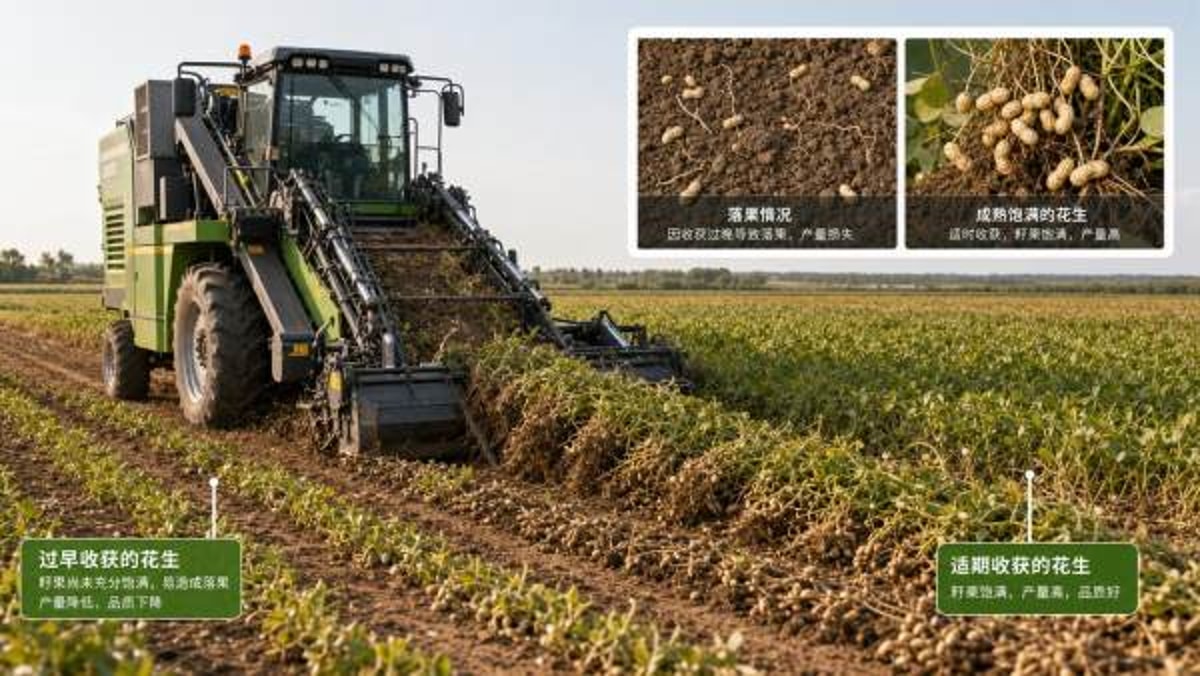
For technical evaluators, peanut digger machines are not just harvesting tools but critical determinants of field efficiency and yield preservation. When digging begins too early or too late, pod losses, quality decline, and higher operating costs can quickly erode overall returns. This article examines how incorrect timing affects harvest outcomes and what performance indicators matter most when assessing machine suitability, adjustment precision, and field readiness.
Why a checklist approach is the right starting point
For evaluators working with peanut digger machines, timing errors rarely come from a single weak factor. Losses are usually created by an interaction between crop maturity, soil condition, machine setup, operator response, and daily field scheduling. That is why a checklist-based method is more useful than a broad narrative review. It helps decision-makers confirm what must be measured first, what can be adjusted in real time, and which indicators directly relate to yield loss.
In practice, the wrong digging window can reduce recoverable pods even when the machine itself is mechanically sound. A high-performing unit may still generate poor results if blade depth is misaligned with pegging depth, vine lifting is too aggressive for dry soils, or harvest is delayed after optimum maturity. Technical evaluation therefore should not stop at horsepower, frame strength, or row capacity. It should focus on how reliably peanut digger machines protect pods during the narrow harvest window.
First-check list: the key items to confirm before evaluating harvest performance
Before comparing models or reviewing procurement options, evaluators should verify a short list of field and crop factors. These items determine whether observed losses come from timing, machine design, or operating discipline.
- Confirm crop maturity distribution, not just average maturity. Uneven stands can make a field appear ready while a significant share of pods remain immature or overmature.
- Assess soil moisture at digging depth. Very dry soil increases pod detachment risk, while overly wet soil raises drag, smearing, and inversion inconsistency.
- Measure pod retention strength and vine condition. Weak vines in overmature fields often break before proper inversion, leaving pods underground.
- Check pegging depth variability across the field. Peanut digger machines need depth control that matches actual pod position, not assumed planting uniformity.
- Review expected weather in the next three to five days. A machine may be technically suitable, yet still expose the crop to losses if the field cannot be completed before rain or extreme heat.
- Record previous passes, compaction zones, and residue conditions. These affect blade tracking and the consistency of windrow formation.
How wrong timing causes yield loss: the practical mechanisms evaluators should watch
Digging too early
Early digging mainly reduces marketable yield through immature pod development. Even if peanut digger machines lift the vines cleanly, pods that have not fully filled or hardened are more vulnerable to damage during inversion and curing. Technical teams should expect lower shelling efficiency, lighter kernels, and greater quality discounts. Early-dug peanuts may also cure unevenly, increasing handling losses in subsequent pickup operations.
Digging too late
Late digging creates a different loss profile. As pods age and vines deteriorate, attachment weakens. This means more pods remain in the soil when blades pass through, especially where soil is hard or depth control is inconsistent. Overmature fields also raise the risk of shattering during lifting, shaking, and inversion. For technical evaluators, this is where peanut digger machines must demonstrate stable undercutting, smooth conveying action, and minimal vibration transfer.
Timing errors amplified by field conditions
The most severe losses usually occur when poor timing overlaps with difficult field conditions. Late digging in dry, compacted soil can sharply increase buried pod loss. Early digging before a wet period may expose underdeveloped pods to disease and staining in windrows. Evaluators should therefore interpret machine performance in relation to timing stress, not under ideal conditions alone.
Core performance checklist for peanut digger machines
When reviewing peanut digger machines, the following criteria should be treated as yield-preservation indicators rather than secondary features.
What to inspect in different operating scenarios
Large commercial farms with narrow harvest windows
Here, evaluator attention should focus on field capacity that does not compromise pod retention. High daily output matters only if the machine maintains consistent digging depth at operating speed. Peanut digger machines for large acreage should also be assessed for downtime exposure, adjustment simplicity, and compatibility with available tractor power and logistics.
Mixed soil conditions within one production block
Where sandy sections transition into heavier soils, responsive adjustment becomes more important than nominal throughput. Evaluators should check whether depth wheels, linkage behavior, and blade penetration remain stable as resistance changes. A machine that performs well only in uniform conditions may produce misleading trial results.
Fields with maturity variability or weather interruption risk
In these cases, peanut digger machines should be judged on how forgiving they are when the ideal harvest day is missed. Machines with smoother crop handling, precise settings, and cleaner inversion can reduce the penalty of slight timing deviations, even though they cannot eliminate agronomic risk entirely.
Commonly overlooked points that distort technical evaluation
- Testing only in favorable moisture conditions. This hides how the machine behaves when timing is late and soils are tougher.
- Using average loss estimates instead of separating visible surface loss, buried pod loss, and quality loss after curing.
- Ignoring operator learning curve. Some peanut digger machines appear equal on paper but differ sharply in setup sensitivity.
- Failing to compare machine speed against inversion quality. More hectares per day may be offset by higher pickup loss later.
- Assessing equipment without matching row spacing, bed configuration, and tractor hydraulics to real farm conditions.
Execution guide: a practical evaluation sequence for technical teams
A structured evaluation process reduces procurement error and improves comparability between suppliers.
- Start with agronomic timing data: maturity sampling, forecast conditions, and soil status.
- Observe digging depth consistency across at least two field zones with different soil behavior.
- Count visible missed pods behind the machine and inspect for buried losses by spot digging.
- Review vine integrity in windrows, especially in later-maturity sections.
- Assess adjustment time for depth, angle, and lifting components during field changes.
- Document output per hour together with loss percentage, not separately.
- Evaluate parts support, wear life of blades and moving components, and service responsiveness during harvest season.
Risk reminders before final machine approval
Technical approval should be delayed if the machine has not been validated under realistic timing pressure. Peanut digger machines may appear robust in demonstration fields but underperform when crop maturity is uneven, labor is limited, and weather compresses the schedule. Evaluators should also confirm whether supplier recommendations include operating ranges for dry soils, overmature vines, and high-residue situations. If such guidance is absent, the practical harvest risk is higher than brochure data suggests.
Another often-missed issue is the relationship between digging and pickup systems. A machine that creates irregular windrows can cause compounded losses later, so harvest timing analysis should include the full sequence from undercutting to final collection and curing performance.
FAQ for evaluators reviewing peanut digger machines
What is the first sign that timing is becoming too late?
A practical early sign is rising pod detachment during lifting, especially when vines look weaker and the soil requires more force to undercut. If buried pod counts increase despite acceptable machine setup, timing may be slipping.
Can better machine adjustment compensate for wrong harvest timing?
Adjustment can reduce damage but cannot fully recover losses caused by immature pods or severe overmaturity. The best peanut digger machines are those that preserve yield within a realistic timing range, not those expected to overcome major agronomic delay.
Which metric is more important: field speed or pod loss?
Pod loss should lead the evaluation, but field speed remains critical when the harvest window is narrow. The correct metric is recoverable yield per day, which combines timely coverage with controlled losses.
Priority next steps for procurement and technical review
If an enterprise is moving toward selection or supplier engagement, the most useful next step is to prepare a field-specific requirement sheet. This should include row configuration, typical soil variability, maturity spread at harvest, expected daily acreage, acceptable pod loss threshold, available tractor specifications, and service support expectations. With that information, technical teams can compare peanut digger machines based on actual operating risk rather than generic claims.
For organizations seeking stronger harvest outcomes, the discussion with manufacturers or equipment partners should begin with five questions: how the machine maintains digging depth under variable soils, how quickly settings can be changed in the field, what loss data exists under late-digging conditions, how windrow quality is verified, and what support is available during the peak harvest period. Those answers will do more to protect yield than any single headline specification.
Related Intelligence
- Heavy Agri MachineryRotary tillers wholesale quality checks before placing a large orderRotary tillers wholesale quality checks: verify welds, gearboxes, blades, CE compliance, and batch consistency before large orders to reduce risk and choose suppliers with confidence.
- Heavy Agri MachineryWholesale lawn mowers or ride-ons? Matching mower type to terrainWholesale lawn mowers or ride-ons? Learn how to match mower type to terrain, acreage, labor, and obstacles to stock smarter, reduce service issues, and win more commercial buyers.
- Heavy Agri MachineryManure spreaders wholesale: the maintenance issues worth checking firstManure spreaders wholesale maintenance starts with the right first checks. Discover how to inspect chains, PTO, hydraulics, and corrosion points to reduce downtime and improve spread performance.
The Morning Broadsheet
Daily chemical briefings, market shifts, and peer-reviewed summaries delivered to your terminal.
