

The Authority in Global Agricultural Chemistry & Bio-Resources
Manure spreaders wholesale: the maintenance issues worth checking first
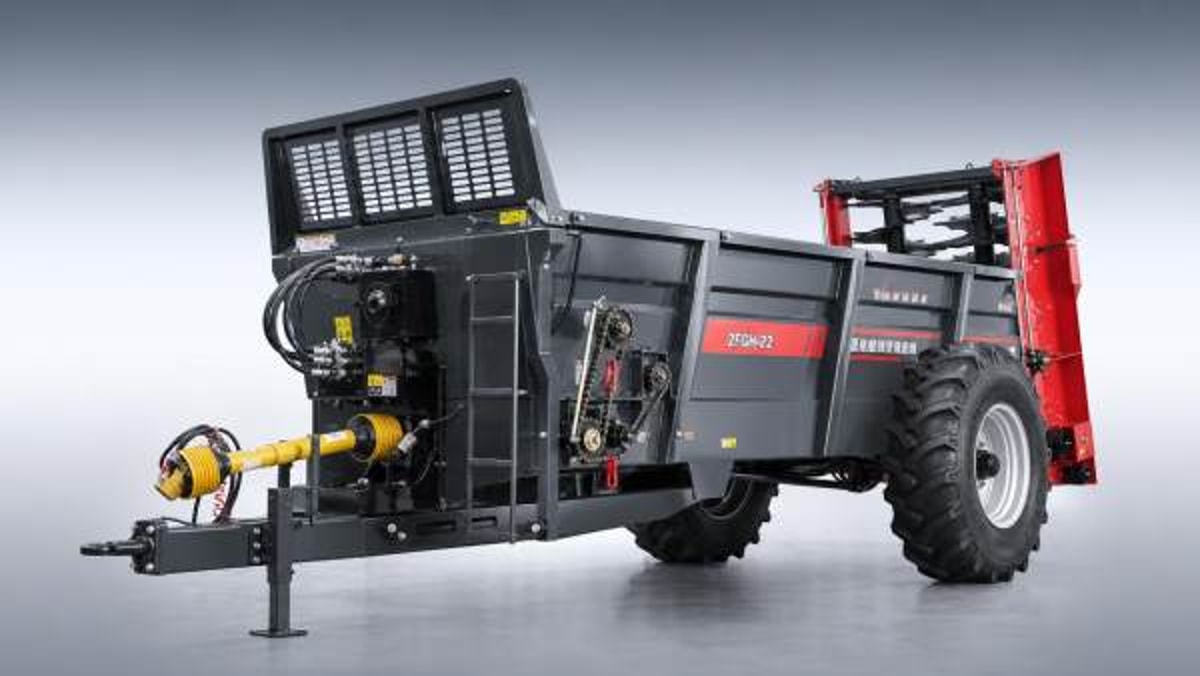
In manure spreaders wholesale operations, maintenance teams often face the same costly question: which issues should be checked first to prevent breakdowns, uneven spreading, and premature wear? For after-sales service personnel, identifying early faults in drivetrains, chains, beaters, hydraulics, and corrosion-prone components is essential for reducing downtime and protecting customer trust. This guide highlights the first maintenance priorities worth inspecting before minor defects turn into major service problems.
Why first-check priorities differ across service scenarios
For after-sales teams working in manure spreaders wholesale channels, maintenance is not one uniform task. A machine used daily by a large dairy farm faces very different stress compared with a spreader parked seasonally by a mixed-crop grower. Likewise, a unit operating in wet coastal conditions develops different failure patterns than one used in a dry inland environment. That is why the first inspection points should always be linked to the operating scene, not just to a generic checklist.
This matters commercially as well as technically. In manure spreaders wholesale support, every unnecessary callback increases warranty cost, parts consumption, and customer frustration. If a service technician starts with low-risk cosmetic issues while missing a stretched apron chain, contaminated gearbox oil, or leaking hydraulic hose, the machine may fail again within days. Prioritizing the right components first helps maintenance personnel solve root causes faster and build long-term trust with farm operators, fleet managers, and distributors.
The practical approach is simple: identify the usage scenario, match it to the most likely wear pattern, and inspect the parts that commonly trigger spreading inconsistency or stoppage. In manure spreaders wholesale service environments, this scenario-based method often outperforms a one-size-fits-all inspection routine.
The main application scenarios maintenance teams usually encounter
Most after-sales cases in manure spreaders wholesale business fall into a few repeatable situations. Recognizing them early helps technicians decide what to check first, what parts to stock, and how to advise the customer on preventive care.
Scenario 1: High-volume livestock farms with daily use
Large cattle, poultry, or swine operations often run spreaders intensively. Their biggest risk is accelerated wear in moving systems: PTO shafts, gearboxes, conveyor chains, floor slats, beaters, bearings, and hydraulic motors. Here, the first maintenance checks should focus on drivetrain heat, chain tension, lubrication points, and bearing play. In high-cycle conditions, small clearance issues quickly become expensive failures.
Scenario 2: Seasonal mixed farms with long idle periods
Seasonal users often create a different problem: corrosion, seized joints, hardened grease, cracked hoses, and weak battery or electrical connections on units with control systems. For these customers, the first maintenance priority is not always active wear, but condition degradation during storage. In manure spreaders wholesale support, many “sudden” failures after winter are actually neglected pre-season checks.
Scenario 3: Contract spreading fleets serving multiple farms
Contractors need uptime above all. Their spreaders move between sites, materials, and tractor combinations. This raises the chance of PTO mismatch, overloading, inconsistent application rates, and fast-moving wear from variable manure texture. First checks should emphasize universal joints, guarding, hitch wear, calibration consistency, and the condition of metering components that affect spread quality.
Scenario 4: Corrosive or wet environments
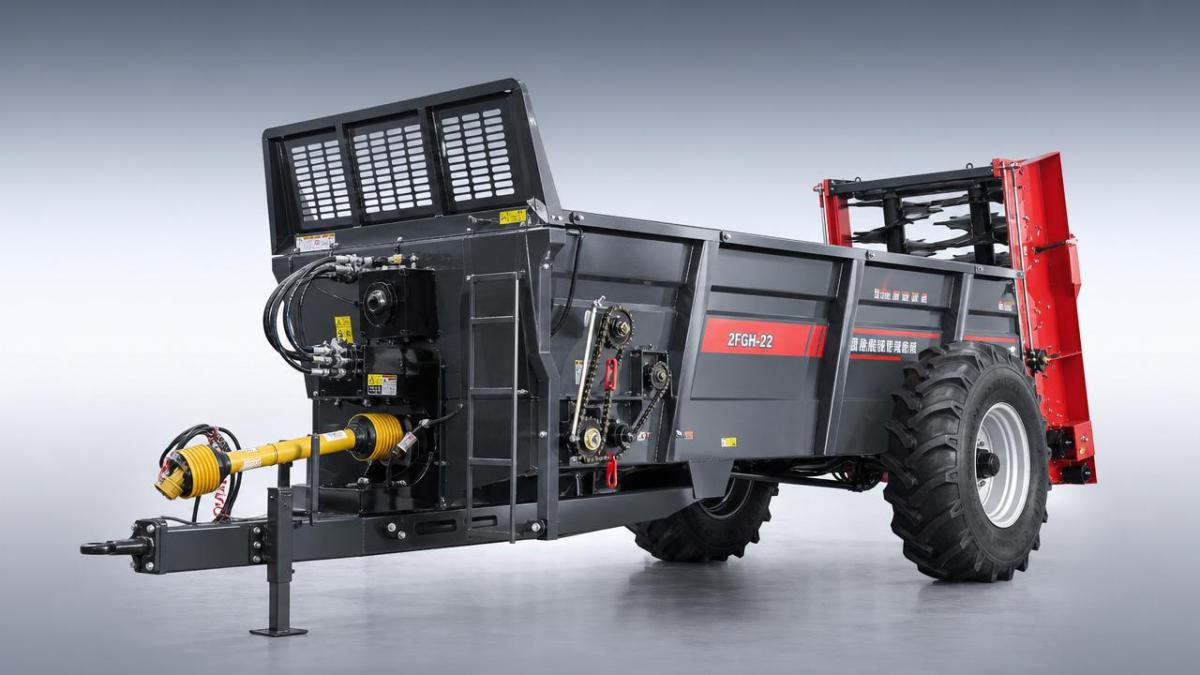
Operations in humid regions, near coastal zones, or in farms where washing practices leave moisture trapped in corners are highly vulnerable to rust and chemical attack. In these cases, maintenance personnel in manure spreaders wholesale service should check fasteners, welded seams, bed floors, spreader housings, painted surfaces, and electrical terminals before reviewing less exposed items. Corrosion spreads quietly and often undermines structural integrity before operators notice it.
A quick comparison table: what should be checked first in each scenario
The table below gives a field-ready comparison that after-sales teams can use when supporting manure spreaders wholesale customers across different operating profiles.
The first mechanical issues worth checking in manure spreaders wholesale service calls
Although service scenarios differ, several components repeatedly appear as the earliest and most valuable inspection points. These are the issues that after-sales maintenance staff should usually check first because they affect both reliability and spreading quality.
1. Drivetrain condition and PTO compatibility
A surprising number of failures in manure spreaders wholesale support begin with driveline mismatch or neglected universal joints. Listen for vibration, check shielding integrity, inspect telescoping sections for binding, and verify that PTO speed matches the machine specification. Overheating or noise at this stage often signals lubrication failure or alignment issues that can damage gearboxes and beater drives.
2. Apron chain stretch, slat wear, and tension balance
The conveyor system is central to material feed consistency. If chains are stretched unevenly or slats are bent, the machine may feed too much, too little, or jam under load. In manure spreaders wholesale maintenance planning, this is one of the most important first checks because it directly connects to customer complaints about uneven application. Measure tension on both sides, inspect sprocket teeth, and look for corrosion inside chain links.
3. Beater integrity and spreading pattern wear
Beaters, paddles, and fins experience impact, abrasion, and imbalance. Cracked welds, missing paddles, or bent elements reduce spread width and pattern accuracy. This issue is especially critical for contractor fleets and larger farms where nutrient placement must remain consistent over many hectares. After-sales teams should inspect balance, fastening condition, and metal thickness loss before assuming the problem is operator error.
4. Hydraulic leaks, pressure loss, and hose aging
Hydraulic systems often reveal early warning signs before total failure. Check hoses for surface cracking, wet fittings, abrasion marks, and pressure-related hesitation in gates or floors. In manure spreaders wholesale operations, machines that sit idle for long periods are especially vulnerable to hose degradation. A small leak can become a safety hazard and also trigger poor conveyor or gate response during spreading.
5. Corrosion in the bed, frame, and hidden retention points
Manure is highly corrosive, and damage often begins where material stays trapped. Pay attention to floor seams, corners, under-chain zones, bolt pockets, and wash-down areas with poor drainage. In manure spreaders wholesale support, rust is not only a cosmetic concern; it can alter chain tracking, weaken support members, and shorten machine life dramatically.
How maintenance priorities change by customer type
After-sales teams should also adapt inspections based on who owns and operates the machine. The same model can require different first-check routines depending on the customer profile.
Owner-operators focused on basic reliability
These customers usually want simple answers: what will stop the machine, and what can be prevented cheaply? For them, start with lubrication failures, chain wear, tire condition, brake or axle inspection if road transport is common, and visible hydraulic leakage. Practical maintenance education matters as much as the repair itself.
Fleet managers focused on uptime and standardization
Fleet operators need repeatable service routines across several units. In manure spreaders wholesale programs, this means documenting wear limits, replacing matched sets rather than isolated parts when needed, and monitoring repeat failures by model, season, and field condition. Their first checks should prioritize components with the highest downtime impact.
Dealers handling warranty-sensitive equipment
Dealer service teams should inspect signs of overload, misuse, poor lubrication, unauthorized modification, and missed service intervals early in the process. This protects claim accuracy while still delivering technical support. In manure spreaders wholesale channels, strong documentation during the first inspection is critical for both customer communication and supplier accountability.
Common misjudgments that lead to repeat breakdowns
One common mistake is treating uneven spreading as only a beater problem. In reality, feed inconsistency often begins upstream with chain tension imbalance, damaged slats, or irregular floor movement. Another error is replacing a failed bearing without checking shaft alignment, contamination entry, or adjacent wear. That creates a short-lived repair and a frustrated customer.
A second misjudgment in manure spreaders wholesale service is underestimating idle-storage damage. Machines that look acceptable externally may have rusted chains, moisture-contaminated oils, or cracked hoses internally. Technicians should never assume low hours mean low risk. Usage pattern matters more than meter readings alone.
A third issue is ignoring wash-down and cleaning practices. Excessive pressure washing around bearings and seals can force moisture inside, while poor cleaning leaves corrosive residue trapped under slats and guards. Maintenance teams should ask how the machine is cleaned, not just how often it is greased.
A practical first-inspection routine for after-sales personnel
For manure spreaders wholesale support, a structured first-inspection routine can save time and improve service consistency:
- Confirm the customer’s usage scenario: daily heavy use, seasonal use, contractor work, or corrosive environment.
- Ask what symptom appeared first: noise, uneven spreading, jam, leak, vibration, or corrosion.
- Inspect the drivetrain and PTO before testing under load.
- Check apron chains, slats, sprockets, and floor tracking for feed consistency issues.
- Review beaters and discharge components for wear affecting spread pattern.
- Inspect hydraulic hoses, fittings, cylinders, and response timing.
- Document corrosion, trapped residue, and structural weak points for preventive follow-up.
FAQ for maintenance teams in manure spreaders wholesale operations
Which issue should be checked first when the customer reports uneven spreading?
Start with the feed system, especially apron chain tension, slat condition, and floor movement. Only after that should you move to beaters and discharge parts. Many pattern problems begin before material reaches the spread zone.
What is the most overlooked risk on low-hour machines?
Storage-related deterioration. In manure spreaders wholesale after-sales work, low use often hides corrosion, hose aging, seized joints, and contaminated lubrication.
When should corrosion be treated as a priority repair rather than a cosmetic note?
Treat it as a priority when it affects the bed floor, chain path, load-bearing frame sections, welded seams, or fastener retention. These areas directly influence safety, alignment, and service life.
Choosing the right maintenance focus for your service scenario
The best results in manure spreaders wholesale support come from matching inspection priorities to real-world operating conditions. Daily livestock use demands rapid wear control. Seasonal ownership demands anti-corrosion and recommissioning discipline. Contractor fleets require safety, calibration, and uptime checks. Wet environments demand early structural corrosion detection. When after-sales personnel begin with the issues most likely to fail in that specific scene, they reduce repeat repairs, improve spread performance, and strengthen long-term customer confidence.
If you are refining your service process for manure spreaders wholesale accounts, build your inspection workflow around scenario, symptom, and component criticality. That approach will help your team diagnose faster, recommend smarter parts replacement, and support customers with maintenance advice that actually fits how their equipment is used.
Related Intelligence
- Heavy Agri MachineryRotary tillers wholesale quality checks before placing a large orderRotary tillers wholesale quality checks: verify welds, gearboxes, blades, CE compliance, and batch consistency before large orders to reduce risk and choose suppliers with confidence.
- Heavy Agri MachineryWholesale lawn mowers or ride-ons? Matching mower type to terrainWholesale lawn mowers or ride-ons? Learn how to match mower type to terrain, acreage, labor, and obstacles to stock smarter, reduce service issues, and win more commercial buyers.
- Heavy Agri MachineryManure spreaders wholesale: the maintenance issues worth checking firstManure spreaders wholesale maintenance starts with the right first checks. Discover how to inspect chains, PTO, hydraulics, and corrosion points to reduce downtime and improve spread performance.
The Morning Broadsheet
Daily chemical briefings, market shifts, and peer-reviewed summaries delivered to your terminal.
