

The Authority in Global Agricultural Chemistry & Bio-Resources
Wholesale lawn mowers or ride-ons? Matching mower type to terrain
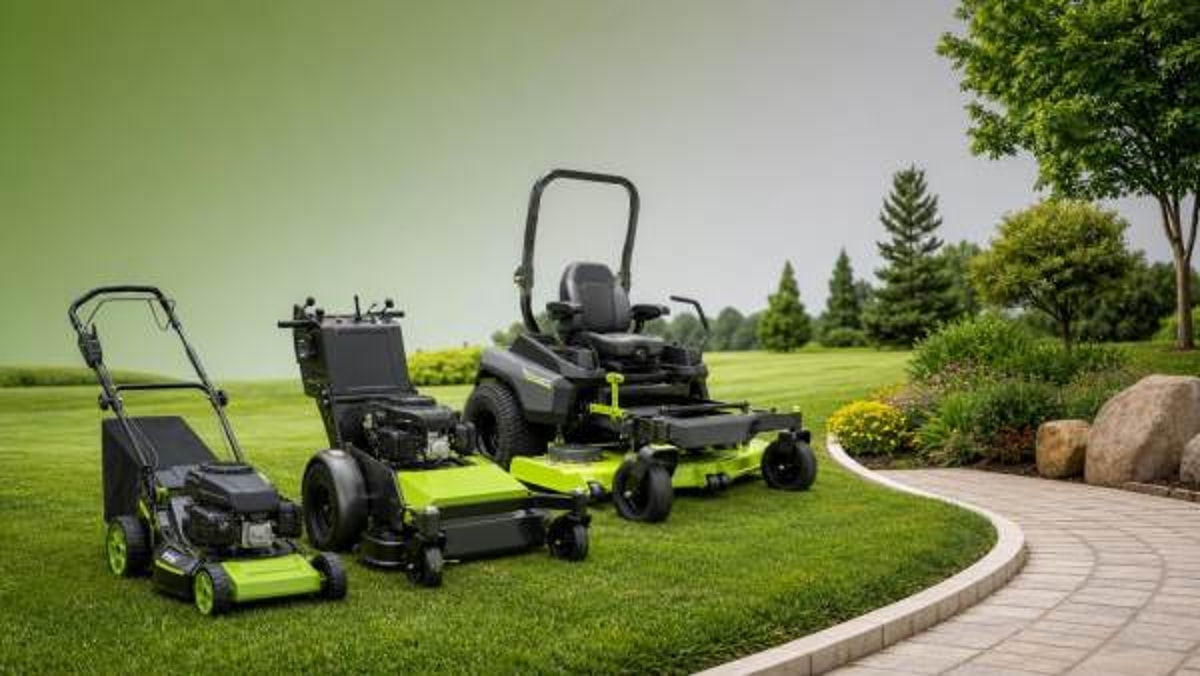
Choosing between wholesale lawn mowers and ride-on units is not simply a matter of unit price. For dealers, distributors, and agents, the more important question is which mower type best fits the end customer’s terrain, acreage, labor model, and service expectations. In most commercial sales environments, walk-behind and stand-on mowers remain the better fit for smaller, obstacle-heavy, or mixed-use sites, while ride-on units make more sense for larger, more open properties where productivity per hour matters most.
That is the core buying logic behind this search topic. The reader is not looking for a basic consumer guide. They want a practical framework that helps them decide which categories to stock, how to position each machine to buyers, and how to avoid mismatch that leads to warranty pressure, poor user satisfaction, and slower inventory turnover.
For channel partners building a stronger product portfolio, the right answer is rarely “stock more of everything.” The better strategy is to match mower format to terrain profile, use intensity, operator skill, and expected maintenance support. When you align mower type to application, you improve close rates, protect dealer margins, and reduce post-sale friction.
What distributors are really trying to decide
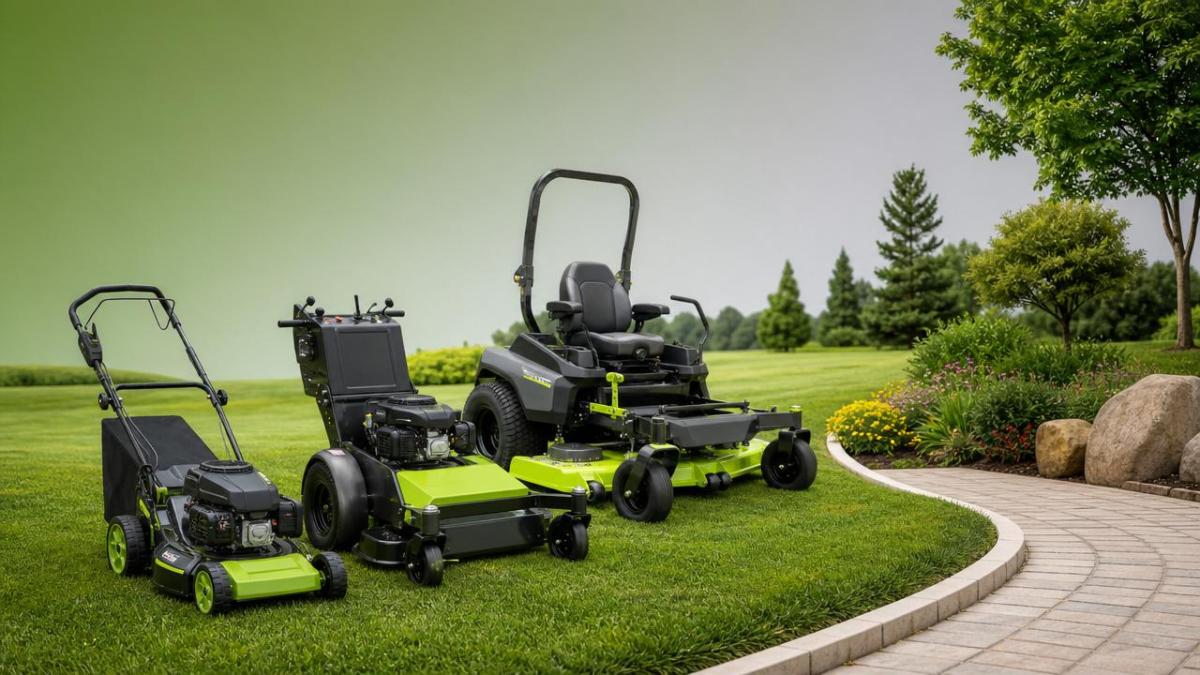
When buyers search for guidance on wholesale lawn mowers versus ride-ons, their underlying intent is commercial and comparative. They are usually evaluating product mix, not merely product features. They want to know which machine types should be prioritized for landscaping contractors, municipalities, estates, sports facilities, mixed agriculture sites, and institutional grounds teams.
For this audience, the biggest concerns tend to be predictable. First, they need to know which mower type fits which terrain. Second, they care about margin and turnover: which category sells faster, requires less explanation, and creates fewer complaints after delivery. Third, they want to understand lifecycle implications such as service demand, parts stocking, transport logistics, and training needs.
That means an effective article should spend less time defining mower categories in generic terms and more time on decision criteria. The most valuable content is terrain-based matching, account segmentation, total operating cost, and practical guidance on balancing wholesale lawn mowers with ride-on inventory.
Start with terrain, not horsepower or list price
The most reliable way to match mower type to customer needs is to begin with the ground conditions the machine will face every day. Many sales mistakes happen because buyers compare engine output, cutting width, or promotional pricing before they examine slope, surface consistency, obstacles, and moisture conditions.
Walk-behind and stand-on units are usually the safer recommendation for irregular sites. These include properties with tight access points, tree-heavy layouts, landscaped edges, pathways, garden beds, and frequent turning. They give operators more precise control and often reduce the risk of turf damage on delicate or complex ground.
Ride-on mowers, including lawn tractors and commercial zero-turns, become more compelling when the terrain is broad, open, and repetitive. On campuses, large estates, municipal green spaces, orchards with maintained rows, or sports fields with minimal obstruction, the time savings are significant. In those cases, the productivity gain can justify a higher upfront acquisition cost.
Terrain firmness also matters. Softer ground, uneven patches, and seasonal moisture can limit the performance of heavier ride-on machines, especially if tire selection and weight distribution are not properly matched. A smaller machine may deliver slower cutting speeds but better consistency and less turf compaction in those conditions.
Acreage thresholds: where mower categories begin to make economic sense
Although acreage should never be the only factor, it remains one of the most useful commercial filters for stocking and recommendation. As a broad rule, push and smaller walk-behind units are appropriate for compact sites and finish work. Commercial walk-behinds and stand-ons typically perform well in the small-to-mid acreage range, especially where maneuverability is critical.
Ride-on units become increasingly attractive as site size expands and labor cost becomes the dominant operating variable. Once a contractor or grounds team is managing multiple acres of open turf on a recurring schedule, the ability to cut more square footage per hour usually outweighs the higher machine cost, provided the terrain supports efficient travel.
Distributors should avoid using rigid acreage cutoffs as if they were universal. A three-acre site full of trees, curbs, and narrow entrances may be better served by a compact commercial mower than a larger ride-on. By contrast, a five-acre open property with long uninterrupted passes may clearly justify a zero-turn or another ride-on format.
The more useful sales question is this: how much productive mowing time is lost due to turning, trimming, repositioning, access limitations, or operator fatigue? That operational view often reveals the better machine category more clearly than acreage alone.
Obstacle density often determines the winner
If acreage tells you the scale of the job, obstacle density tells you the machine format. This is one of the most important variables for dealers advising commercial buyers. Sites with frequent borders, trees, poles, benches, irrigation heads, and elevation changes tend to favor machines that can turn quickly and access tighter spaces.
That is why many professional users continue to buy smaller commercial mowers even when they manage relatively large total square footage. A property may be large on paper but inefficient in practice. If operators spend much of their time slowing down, backing up, trimming corners, or repositioning to avoid impact, the expected ride-on productivity advantage may shrink sharply.
Ride-on units deliver the strongest return when there is enough uninterrupted mowing length to maintain speed and capitalize on deck width. For distributors, this means your sales team should qualify accounts by property shape and obstruction pattern, not just by total land area.
A simple but effective approach is to classify customer sites into three categories: open, mixed, and obstacle-heavy. Open sites generally justify stronger ride-on representation. Mixed sites support a balanced portfolio. Obstacle-heavy sites usually require more compact commercial equipment and, in some cases, multiple mower formats working together.
Labor economics matter more than many buyers admit
For commercial end users, labor often costs more over time than the mower itself. This is one reason ride-on units remain attractive in institutional and contractor channels. If a machine cuts labor hours per job, reduces operator fatigue, and helps crews maintain schedule reliability, its value can exceed the sticker-price difference by a wide margin.
However, distributors should be careful not to oversell ride-ons as automatic labor savers. Their advantage depends on conditions. On fragmented properties, frequent trailer loading, or routes involving multiple small locations, larger machines may lose efficiency in transport and setup. A compact unit that unloads quickly and handles varied spaces may generate a better real-world labor outcome.
Operator skill is another hidden variable. Some crews can extract excellent performance from commercial ride-on machines. Others may use them inefficiently or cause preventable wear. For this reason, product recommendations should reflect not only site conditions but also the buyer’s staffing model, turnover rate, and service discipline.
For dealers and agents, this creates a strong consultative selling opportunity. Instead of asking only what the customer wants, ask how their crews work, how many sites they cover per day, and where bottlenecks occur. That conversation often leads to a more accurate fit and a better long-term account relationship.
Margin, service burden, and the hidden cost of a bad fit
From a distribution standpoint, the wrong mower sale can be expensive even if the invoice value is high. A ride-on machine sold into the wrong terrain may create service complaints, blade-deck issues, turf damage disputes, transport concerns, or buyer disappointment over productivity claims. Likewise, underpowered or undersized equipment can cause frustration when users cannot meet schedule targets.
This is why product mix strategy should include not only gross margin but also support burden. Ask which categories generate smoother installations, predictable parts demand, manageable warranty rates, and repeatable operator success. In many markets, those factors matter as much as the headline markup.
Wholesale lawn mowers in compact and mid-sized commercial formats often provide strong turnover because they address a broad share of real-world maintenance conditions. Ride-on units may offer higher ticket value and strategic account appeal, but they usually require more precise qualification, stronger after-sales support, and better customer education.
The best channel partners build margin by reducing mismatch. They do not rely on one category to serve every buyer. Instead, they position each mower type clearly, document application fit, and equip the sales team to explain tradeoffs in operational terms.
How to build the right wholesale lawn mowers portfolio
For distributors and agents, portfolio design should begin with local demand mapping. Review your customer base by segment: landscape contractors, facility managers, municipal buyers, estate operators, agricultural property managers, and mixed-use commercial grounds teams. Then identify the dominant terrain and mowing patterns within each group.
If your market includes many small commercial sites, gated properties, schools, hotels, residential contractors, or mixed landscaping jobs, your assortment should lean more heavily toward commercial walk-behind and maneuverable mower categories. These buyers often value versatility, transport convenience, and lower entry cost.
If your territory includes large campuses, recreation grounds, industrial parks, broad municipal turf, or estate maintenance contractors, your ride-on offering should be deeper. In these segments, productivity, operator comfort, and cutting width become stronger purchase drivers. Zero-turns and other ride-on units may form the backbone of the fleet.
A balanced portfolio typically includes entry commercial models, mid-tier high-turnover units, and selected premium ride-on products for larger accounts. This structure helps you serve both transaction-driven buyers and consultative fleet purchasers while protecting inventory efficiency.
It is also smart to evaluate parts commonality across the line. Deck components, belts, blades, filters, tires, and service kits that overlap across multiple models can simplify stocking and improve service responsiveness. For many dealers, this operational advantage directly improves profitability.
Questions your sales team should ask before recommending mower type
To improve conversion quality, distributors should standardize a simple qualification process. Good recommendations usually come from better questions, not longer brochures. At minimum, your team should ask how many acres are cut per cycle, how open or obstructed the site is, whether there are slopes or wet zones, and how often the equipment is transported between locations.
They should also ask about operator experience, available maintenance capability, storage space, trailer compatibility, and desired cut time. These details reveal whether the buyer needs versatility, speed, lower acquisition cost, or fleet durability. They also help uncover whether one machine can do the job or whether a combination approach is more effective.
Another key question is what the buyer is trying to improve. Are they replacing unreliable equipment, reducing labor hours, entering a new service category, or standardizing a fleet across multiple crews? The answer will shape whether a compact commercial mower, a ride-on unit, or a tiered equipment package makes the most sense.
For institutional buyers and professional contractors, presenting recommendations in operating terms is especially effective. Rather than saying one machine is “better,” explain where it wins: tighter maneuvering, lower turf impact, faster open-field cutting, easier transport, or lower training burden.
When a mixed fleet is the strongest answer
In many commercial environments, the best recommendation is not a choice between wholesale lawn mowers and ride-ons as competing categories. It is a coordinated fleet approach. Large properties with varied layouts often need both: ride-on units for open areas and smaller machines for edges, confined zones, and detail work.
This is particularly relevant for municipalities, campuses, resorts, and agricultural estates with a mix of lawns, access roads, landscaped sections, and utility areas. A mixed fleet can maximize labor efficiency while reducing wear caused by forcing one machine to handle unsuitable conditions.
For distributors, mixed-fleet selling increases account value and deepens customer dependence on your support capability. It also creates recurring revenue through consumables, replacement parts, and phased equipment upgrades. The key is to package the recommendation around site workflow rather than simply pushing more units.
When presented correctly, a mixed fleet is not overselling. It is risk reduction. It helps buyers maintain cut quality, hit scheduling targets, and extend machine life by assigning each mower to the work it handles best.
Conclusion: the right mower type is the one that fits the ground and the business model
For dealers, distributors, and agents, the decision between wholesale lawn mowers and ride-on units should always begin with application fit. Ride-ons are not inherently superior, and smaller mowers are not merely budget options. Each category creates value under specific terrain, acreage, obstacle, and labor conditions.
If the site is open, large, and repetitive, ride-on productivity can be decisive. If the ground is tight, varied, or obstacle-heavy, compact commercial mowers often deliver better control, lower risk, and more dependable customer satisfaction. In many professional settings, the strongest solution is a mixed fleet that mirrors the actual work pattern.
The commercial advantage for channel partners is clear: qualify terrain carefully, stock according to local site realities, and position mower categories by operational outcome rather than promotional claims. That approach strengthens margins, improves turnover, and helps buyers see your business not just as a seller of equipment, but as a trusted source of fit-for-purpose procurement guidance.
Related Intelligence
- Heavy Agri MachineryRotary tillers wholesale quality checks before placing a large orderRotary tillers wholesale quality checks: verify welds, gearboxes, blades, CE compliance, and batch consistency before large orders to reduce risk and choose suppliers with confidence.
- Heavy Agri MachineryWholesale lawn mowers or ride-ons? Matching mower type to terrainWholesale lawn mowers or ride-ons? Learn how to match mower type to terrain, acreage, labor, and obstacles to stock smarter, reduce service issues, and win more commercial buyers.
- Heavy Agri MachineryManure spreaders wholesale: the maintenance issues worth checking firstManure spreaders wholesale maintenance starts with the right first checks. Discover how to inspect chains, PTO, hydraulics, and corrosion points to reduce downtime and improve spread performance.
The Morning Broadsheet
Daily chemical briefings, market shifts, and peer-reviewed summaries delivered to your terminal.
