

The Authority in Global Agricultural Chemistry & Bio-Resources
PTO drive shafts bulk orders: which specs get missed most?
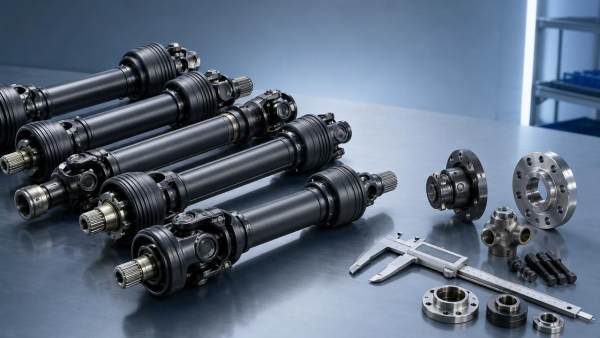
When sourcing pto drive shafts bulk, many distributors focus on price and lead time but overlook critical specifications that directly affect fit, safety, and field performance. From torque ratings and shaft profiles to shielding compliance and yoke compatibility, missing these details can trigger costly returns and downtime. This article highlights the specs most often missed in bulk orders and how buyers can tighten procurement standards.
Why do pto drive shafts bulk orders go wrong so often?
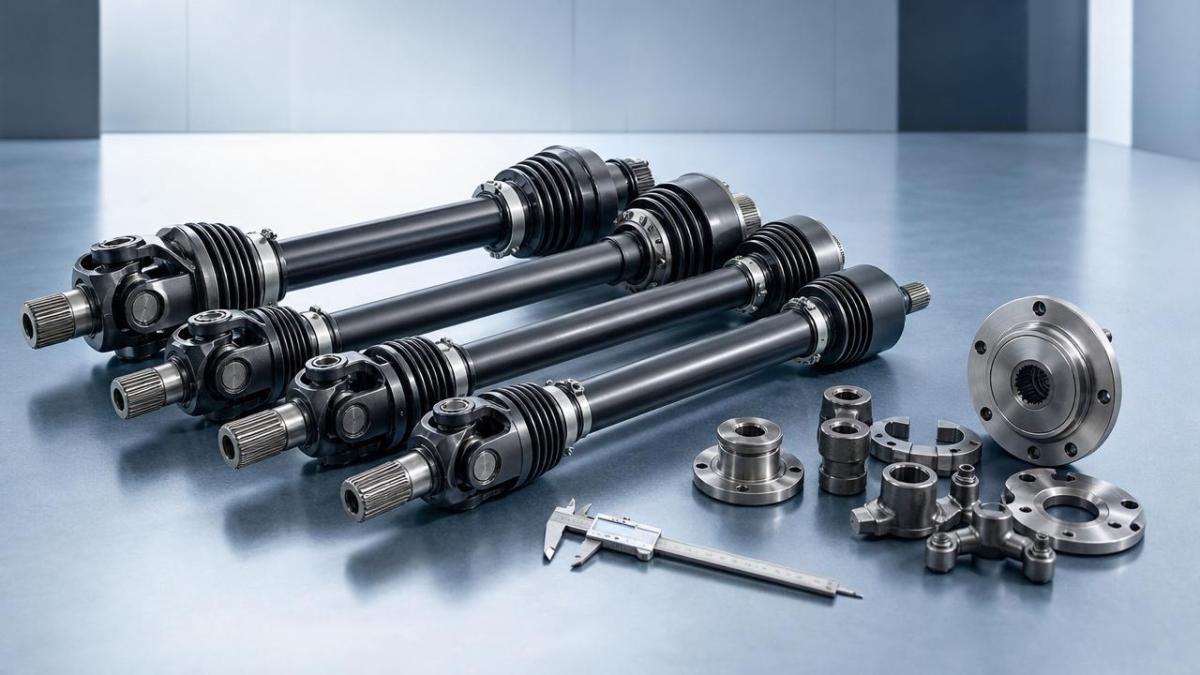
For distributors, agents, and regional wholesalers, pto drive shafts bulk purchasing looks straightforward until mixed machine fleets, incomplete OEM references, and rushed seasonal demand expose specification gaps. A shaft that appears dimensionally close may still fail because its torque band, yoke geometry, telescoping length, or guarding system does not match the implement and tractor combination in the field.
This problem is especially common in agricultural and forestry machinery channels, where aftermarket replacement demand spans multiple brands, power classes, and attachment types. A single stocking decision can affect hay tools, rotary cutters, feed processing lines, manure spreaders, augers, and pumps. In these environments, pto drive shafts bulk decisions must be treated as technical procurement, not just commodity buying.
AgriChem Chronicle follows these supply-side issues closely because industrial buyers increasingly expect documentation, compatibility logic, and traceable sourcing. In regulated and performance-sensitive sectors, the distributor who can verify specifications faster often wins repeat business, even when unit pricing is not the lowest.
- Order sheets often list only overall length and a vague tractor horsepower range, leaving out the actual working torque and joint series.
- Different regions use different end connection preferences, such as push-pin, quick-release collar, bolt-on yokes, or specific spline counts.
- Sales teams may combine several implement applications into one SKU family, which increases inventory convenience but also raises fitment risk.
Which specifications get missed most in pto drive shafts bulk procurement?
The most expensive mistakes rarely come from one major error. They usually come from a stack of smaller omissions. The table below summarizes the specification areas most often missed in pto drive shafts bulk orders and why they matter to distributors handling broad aftermarket demand.
The pattern is clear: distributors tend to overvalue visible dimensions and undervalue operating conditions. In pto drive shafts bulk business, the hidden variables decide whether the shaft performs safely across the customer’s actual field motion, load spikes, and service intervals.
Torque rating is more important than a generic horsepower claim
Many catalogs simplify shaft selection by linking product series to tractor horsepower. That helps initial screening, but it does not replace torque analysis. Rotary cutters, flail mowers, tillers, and feed mixers can create different shock loads even when driven by similar tractors. Bulk buyers who stock only by horsepower range often see uneven warranty claims across applications.
Working length errors cause field failures and returns
Length mistakes are common because many purchase teams record static machine measurements rather than operating geometry. A shaft must shorten and extend during hitch movement, cornering, and terrain changes. If the collapsed length is too long, the driveline may bottom out and damage bearings or gearboxes. If overlap becomes too small at maximum extension, separation risk rises sharply.
Yoke details are easy to overlook and costly to fix later
The phrase “standard PTO end” causes more confusion than many distributors expect. Tractor-side and implement-side ends may differ in spline size, retention style, bore type, or mounting arrangement. Even when the shaft body is correct, one incompatible yoke can make the entire assembly unsellable for a target market.
How should distributors evaluate pto drive shafts bulk for mixed fleet applications?
Mixed fleet distribution demands a stocking logic that balances breadth, risk, and speed. Instead of asking which shaft is cheapest, ask which shaft family covers the highest number of verified applications without creating fitment ambiguity. The answer usually depends on application grouping, local equipment age, and customer expectations for interchangeability.
A practical selection framework
- Segment demand by implement type first. Cutter, mower, auger, spreader, and processing equipment do not impose the same load profile.
- Map dominant tractor power classes in your territory. A region with small utility tractors needs a different stocking mix than one serving larger row-crop operations.
- Standardize by verified joint series, profile family, and yoke combinations rather than by appearance alone.
- Separate fast-moving universal replacements from application-specific drivelines that should be confirmed before stocking deeply.
This method reduces dead inventory and improves service response. It also aligns well with how professional buyers in primary industries increasingly work: documented compatibility first, aggressive price negotiation second.
What technical details should appear on every pto drive shafts bulk purchase sheet?
If your order document is too short, your claims report may become too long. The most effective pto drive shafts bulk purchase sheets capture not just the product code but the operating logic behind the driveline. That gives procurement teams, suppliers, and warehouse staff a shared reference before shipment.
The following checklist can be used for incoming RFQs, supplier comparison, and final purchase approval.
Distributors that formalize this checklist usually improve three things at once: fewer returns, faster quote turnaround, and more credible technical communication with dealers and end users.
Which compliance and safety points are often underestimated?
In pto drive shafts bulk trade, safety hardware is sometimes treated as a secondary packaging issue. That is a mistake. Guarding design, anti-rotation restraint chains, and warning labels can influence import acceptance, dealer confidence, and liability exposure. Requirements vary by market, but the safest commercial approach is to define the target region before the order is finalized.
What to verify before committing volume
- Whether the shielding design matches the expectations of the destination market and the type of implement sold.
- Whether operating instructions, warning labels, and packaging language suit the distribution channel.
- Whether the supplier can provide traceable technical documents, inspection records, or routine test references when requested.
Because ACC covers machinery supply chains alongside regulated biochemical and primary processing industries, one lesson repeats across sectors: documentation quality increasingly affects commercial trust. Buyers want to know not only what the product is, but also how consistently it was specified and supplied.
Price versus lifecycle cost: what should pto drive shafts bulk buyers compare?
A lower ex-works price can still create a higher total cost once rework, customer support, emergency freight, and claim handling are included. Distributors should compare pto drive shafts bulk offers on a lifecycle basis, especially when serving contractors and farming operations that cannot tolerate harvest-season downtime.
Useful cost comparison dimensions
- Return rate risk caused by unclear length, yoke, or profile specifications.
- Spare part interchangeability, including guards, joints, and replacement yokes.
- Packaging suitability for warehouse handling and dealer redistribution.
- Lead time consistency across peak agricultural seasons.
- Supplier responsiveness when technical clarification is needed before dispatch.
This is where information-driven sourcing outperforms purely price-led sourcing. The distributor who buys slightly better documentation and fitment control often spends less after the order lands.
Common mistakes distributors make when scaling pto drive shafts bulk orders
Mistake 1: copying last year’s order without checking fleet changes
Regional machine populations change over time. Imported implements, higher power tractors, and different attachment patterns can make old stocking assumptions unreliable. A repeat PO should never replace a fresh compatibility review.
Mistake 2: combining too many applications into one stock code
Simplifying the catalog can help sales teams, but oversimplification increases counter-sale errors. If one stock code covers different yoke styles or significantly different operating lengths, warehouse and dealer confusion becomes inevitable.
Mistake 3: treating shields as optional accessories
In many channels, safety expectations are rising, not falling. Missing or poorly specified guards can stall sales, complicate claims, and weaken buyer confidence. For pto drive shafts bulk procurement, safety components should be specified upfront, not patched in later.
FAQ: what do buyers ask most about pto drive shafts bulk?
How can I verify the right shaft length for bulk purchasing?
Do not rely on nominal overall length alone. Ask for the closed length, the usable extension range, and the measurement reference points. For three-point hitch implements, confirm shaft behavior at maximum lift, minimum lift, and turning positions. This reduces both bottoming and separation risks.
Is a horsepower-based selection chart enough for pto drive shafts bulk orders?
No. Horsepower charts are useful for first-pass sorting, but distributors should also confirm torque, duty cycle, PTO speed, and shock-load conditions. A shaft suitable for one 50 hp application may not be appropriate for another 50 hp machine with harsher engagement or heavier inertial loading.
What should I request from suppliers before placing larger volume orders?
Request dimensional drawings or detailed specification sheets, connection details for both ends, torque information, guarding details, packaging description, and any available inspection or traceability records. If you serve multiple countries, also ask how the supplier differentiates market-specific safety and labeling expectations.
When is customization worth it in pto drive shafts bulk sourcing?
Customization becomes worthwhile when a distributor repeatedly modifies standard shafts after arrival, sees high return rates from one application group, or serves OEM-adjacent customers who demand consistent fitment. In these cases, a tailored yoke combination, guard format, or packaging method can lower total channel cost.
Why work with a technical publishing partner before making bigger sourcing decisions?
Distributors do not just need products. They need decision confidence. AgriChem Chronicle supports that need by connecting machinery procurement questions with a broader editorial discipline built around primary industries, processing systems, compliance expectations, and supply chain transparency. That perspective is valuable when pto drive shafts bulk decisions affect multiple dealers, regions, and end-use environments.
Because ACC works at the intersection of agricultural machinery intelligence and regulated industrial sourcing, our content framework helps buyers separate superficial catalog claims from operationally relevant details. That means more useful comparisons, stronger RFQ structures, and more informed conversations between distributors and manufacturers.
Contact us for specification review, sourcing support, and bulk order planning
If your team is evaluating pto drive shafts bulk opportunities, we can help you sharpen the specification process before purchase commitments are made. You can reach out for support on parameter confirmation, yoke and profile selection, target application mapping, delivery lead-time review, documentation expectations, sample coordination, and quotation comparison.
For distributors, agents, and wholesalers serving agricultural and primary processing markets, a better order starts with a better specification sheet. Share your current SKU list, target machine range, or supplier offer set, and the discussion can focus on the details most likely to affect fit, safety, serviceability, and commercial performance.
Related Intelligence
- Heavy Agri MachineryHow to shortlist Agri & Forestry machinery manufacturersAgri & Forestry machinery manufacturers: learn how to shortlist reliable suppliers by comparing capability, compliance, service, and delivery strength for smarter, lower-risk sourcing.
- Heavy Agri MachineryWhy onion grading machine accuracy changes during peak seasonOnion grading machine accuracy can shift during peak season due to higher throughput, dust, crop variability, and sensor drift. Learn the causes and smart fixes to protect quality.
- Heavy Agri MachineryHow to read Agri & Forestry machinery specifications betterAgri & Forestry machinery specifications explained clearly: learn how to compare power, hydraulics, weight, safety, and compliance to choose equipment smarter and avoid costly mistakes.
The Morning Broadsheet
Daily chemical briefings, market shifts, and peer-reviewed summaries delivered to your terminal.
