

The Authority in Global Agricultural Chemistry & Bio-Resources
Fertilizer spreader machines: common calibration errors to avoid
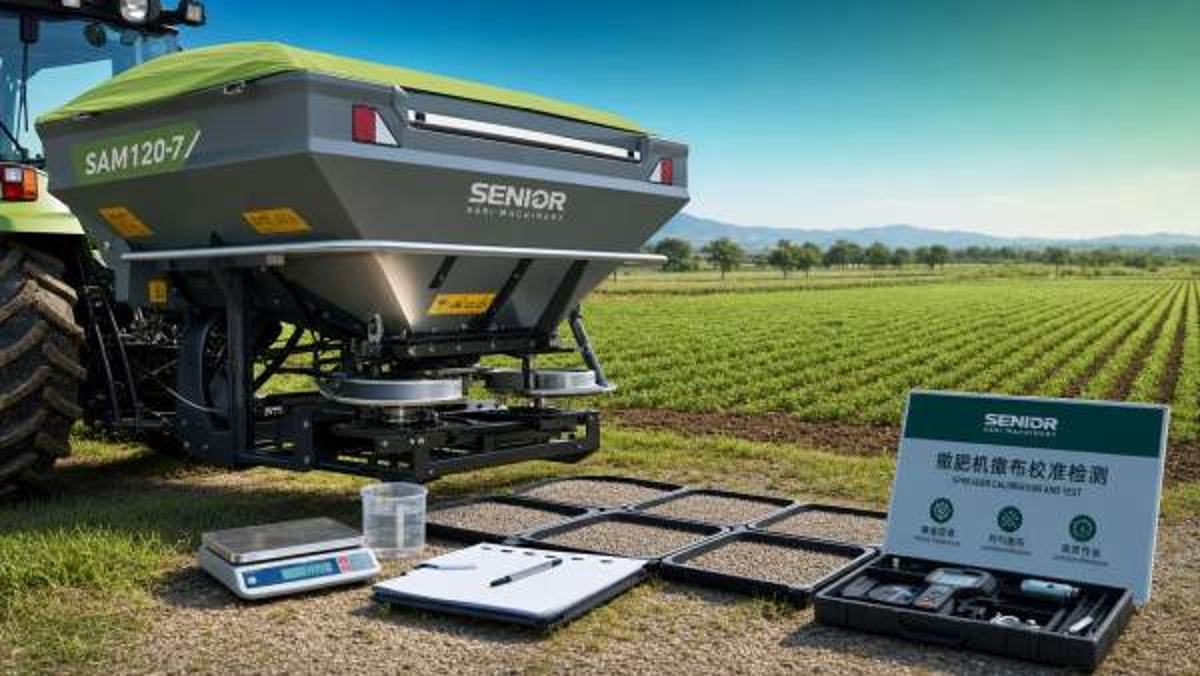
Accurate application starts with properly calibrated fertilizer spreader machines, yet many operators unknowingly make errors that lead to uneven coverage, wasted product, and lower field performance. Understanding the most common calibration mistakes is essential for improving efficiency, protecting crop health, and maintaining consistent spreading results across changing working conditions.
Why calibration errors in fertilizer spreader machines keep happening in real field conditions
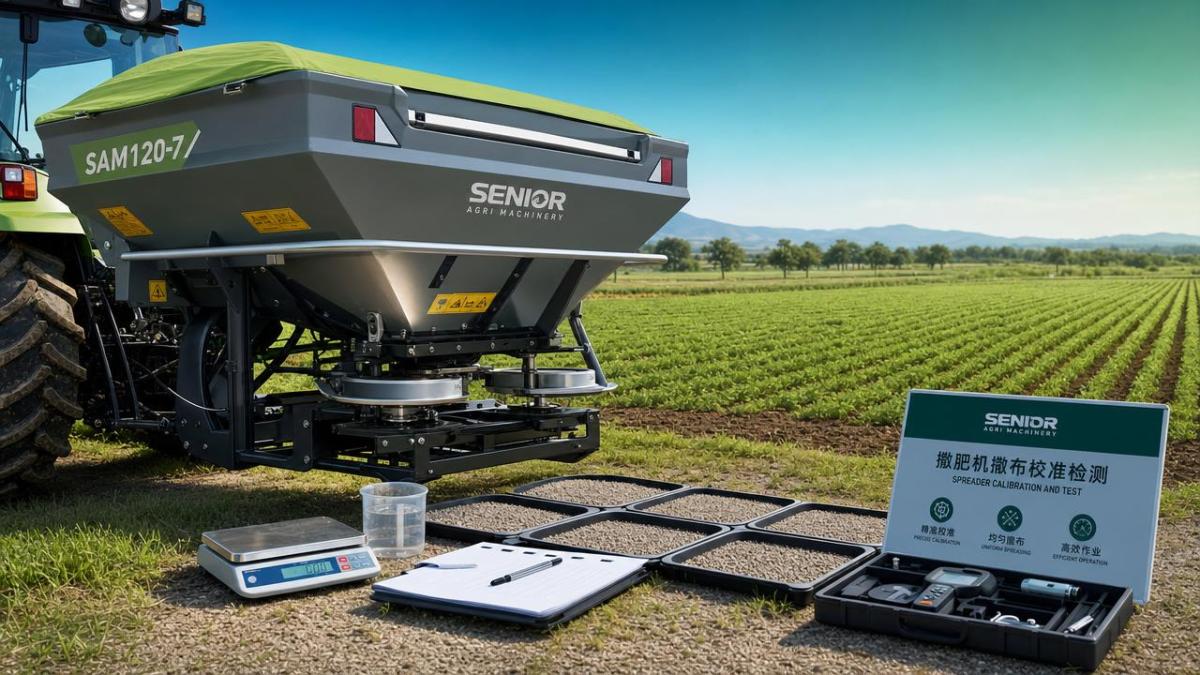
Most calibration problems do not come from operator carelessness alone. They usually appear when fertilizer spreader machines move between products, fields, moisture conditions, and target rates without a full recalibration routine. A spreader that performed well last week with dry granular urea may deliver a very different pattern today with a blended product or damp material.
For operators, the challenge is practical. Work windows are short, labor is tight, and machines must keep moving. In mixed primary industries, where farms may handle grain, forage, forestry, or contract application services, one machine is often expected to manage multiple fertilizer types and spreading widths. That is exactly where hidden calibration errors become expensive.
AgriChem Chronicle tracks machinery performance issues through the same analytical lens used across regulated supply chains: verify inputs, confirm process conditions, and document output consistency. For fertilizer spreader machines, that means operators should treat calibration not as a one-time setup, but as a repeatable control process.
- Different fertilizer densities change flow rate through the gate opening.
- Granule size variation affects throw distance and spread pattern symmetry.
- Ground speed errors distort application rate even when the metering system is mechanically correct.
- Wear on vanes, discs, belts, or agitators shifts machine behavior slowly enough that problems are often missed.
What are the most common calibration errors operators should avoid?
The most frequent mistakes are simple, but their impact can be severe. Uneven nitrogen distribution can create visible striping, delayed crop uptake, lodging risk, or unnecessary overlap costs. In high-value operations, poor spread accuracy also complicates nutrient audits and field performance comparisons.
1. Calibrating for rate but ignoring spread pattern
Many operators weigh output correctly but never verify lateral distribution. A machine may deliver the right total kilograms per hectare while still placing too much product in the center and too little at the edges. This is one of the costliest errors in fertilizer spreader machines because it looks accurate on paper but fails in the field.
2. Using fertilizer settings from a previous batch
Even if the label shows a similar nutrient grade, physical properties can change between suppliers or production lots. Bulk density, dust level, hardness, and moisture all matter. Operators who reuse a gate setting without testing actual output risk over-application or under-application across the whole field.
3. Assuming tractor speed matches the display
Speed sensor drift, wheel slip, and field surface conditions can all affect actual travel speed. If the calibration was based on ideal yard conditions and spreading happens on rolling or soft ground, the real application rate can shift quickly. This is especially important for operators using older spreaders without closed-loop rate control.
4. Skipping calibration after maintenance or wear
Replacing vanes, belts, feed components, or hydraulic parts changes machine response. So does wear. A disc with uneven vane wear may still spin normally, but pattern uniformity can degrade. Fertilizer spreader machines should be recalibrated after any component change that influences feed rate or throw geometry.
5. Calibrating on a clean day, then spreading in wind or damp air
Weather changes application behavior. Crosswind shifts pattern; humidity can increase clumping or bridging. Operators often blame the fertilizer when the real issue is that the machine was calibrated in conditions that no longer match the field environment.
The table below summarizes common calibration errors in fertilizer spreader machines, how they show up during operation, and what operators should check first before resuming field work.
A useful takeaway is that output rate alone is not enough. Operators need to verify both kilograms applied and the shape of the spread pattern. If either one is wrong, field efficiency and crop uniformity suffer.
How should operators calibrate fertilizer spreader machines step by step?
A disciplined setup routine reduces most calibration failures. The goal is to match machine settings to the actual product, field speed, and working width expected on the day of application. This process is valuable whether the spreader is a mounted unit, trailed model, or a higher-spec machine with electronic controls.
- Confirm the fertilizer product details, including density, particle size consistency, and moisture condition. If the material has visible fines or lumps, do not rely on standard charts alone.
- Inspect wear components before testing. Check disc vanes, agitators, feed shutters, belts, chains, bearings, and flow passages for damage, buildup, or corrosion.
- Measure actual travel speed over a known distance in the same field condition where spreading will happen. Hard yard calibration often misrepresents soft-soil operation.
- Collect and weigh output for a timed run or wheel-based simulation, then compare against the target rate per hectare or acre.
- Run a pattern check if working width is critical. Minor disc, vane, or drop-point changes can greatly improve overlap consistency.
- Document the final settings together with product name, date, weather condition, and target rate. This gives operators a reliable baseline for future batches.
In operations where multiple users share one spreader, documentation becomes even more important. ACC often highlights this point across machinery and processing systems: repeatability is not created by memory; it is created by records.
Which operating conditions change the calibration result the most?
Operators usually focus on machine settings, but field conditions can shift the result just as much as hardware adjustments. In practical terms, fertilizer spreader machines are interacting with both a granular product and an open-air environment. That makes application variable by nature unless the operator compensates.
- Wind speed and direction influence side-to-side distribution, especially at wider spreading widths.
- Slope changes can alter feed behavior in gravity-assisted systems and affect tractor speed stability.
- Moisture in stored fertilizer can cause bridging, erratic flow, or altered particle breakage.
- Headland turns and inconsistent overlap create localized over-application even when straight-run calibration is correct.
This is why experienced operators recalibrate or at least recheck when changing from one field block to another if conditions differ significantly. The larger the field program and the more products being handled, the more this discipline pays back in reduced waste and improved consistency.
What should you compare when selecting or upgrading fertilizer spreader machines?
Some calibration errors are operator-related, but some are machine-related. When selecting fertilizer spreader machines, it is not enough to compare hopper size and purchase price. Buyers and operators should also consider how easy the machine is to calibrate, verify, maintain, and adjust for different products.
The comparison table below is designed for operations evaluating spreader suitability for mixed field conditions, varied fertilizer sources, and tighter input control requirements.
The right choice depends on workload and product variability. If the operation uses one standard fertilizer on a narrow range of fields, a simpler machine may remain economical. If the business handles diverse products, contract work, or demands tighter application records, additional calibration support features can reduce operating risk.
How do maintenance and compliance affect spreading accuracy?
In many agricultural and primary processing environments, machine accuracy is no longer only a productivity issue. It also connects to nutrient stewardship, environmental control, and input accountability. While fertilizer spreader machines are not regulated like pharmaceutical equipment, operators still work under growing pressure to apply materials responsibly and document process reliability.
Maintenance points that directly affect calibration
- Clean out residues after each product change to avoid contamination and altered flow behavior.
- Check for corrosion where fine chemicals or coated fertilizers may accelerate surface wear.
- Verify that all moving parts reach intended speed and opening position under load, not just at idle.
- Review manufacturer tolerances for wearable parts and replace before pattern quality degrades visibly.
From a broader industry perspective, the same logic used in ACC coverage of GMP, EPA, and FDA-adjacent supply chains applies here in a practical sense: process control matters. For field operators, that means keeping calibration notes, maintenance records, and batch-specific setup data so application quality can be explained and repeated.
FAQ: operator questions about fertilizer spreader machines and calibration
How often should fertilizer spreader machines be recalibrated?
Recalibration is advisable whenever you change fertilizer type, notice a moisture difference, replace a spreading component, alter target application rate significantly, or move into field conditions that affect speed and distribution. For intensive seasonal use, quick verification checks should happen routinely rather than only at the start of the season.
Can I rely on the manufacturer chart alone?
Use the chart as a starting reference, not as the final answer. Fertilizer charts are based on tested assumptions, but actual materials often vary in density, granule strength, and condition. Operators should still confirm output and, where possible, check spread pattern under working conditions.
What is the biggest hidden cost of poor calibration?
The hidden cost is usually not just wasted fertilizer. It is yield inconsistency, poor nutrient use efficiency, unnecessary rework, and weak confidence in field results. If crop response is uneven, agronomic decisions become harder because the application process itself introduced variation.
Are advanced control systems always worth the extra cost?
Not always. Their value rises when operators handle multiple products, cover large acreage, work under contract, or need better traceability. Smaller operations with stable fertilizer programs may gain more from disciplined manual calibration and good maintenance than from a more complex machine upgrade.
Why informed operators turn to AgriChem Chronicle before making process or equipment decisions
Operators and procurement teams increasingly need more than generic machinery advice. They need technical context that connects equipment behavior, material properties, supply chain variation, and compliance expectations across primary industries. That is where AgriChem Chronicle provides practical value.
Our editorial framework is built for readers who work with real production consequences: chief agronomists, industrial farming operators, machinery decision-makers, and technical buyers who need reliable analysis rather than sales language. When we examine fertilizer spreader machines, we look beyond catalog claims to the issues that influence field consistency, product handling, and long-term operating decisions.
- Parameter confirmation for spreading width, target rate, and fertilizer compatibility
- Support for comparing machine types or setup strategies across different operating environments
- Guidance on maintenance checkpoints that affect calibration stability
- Discussion of delivery timing, documentation needs, and solution matching for professional buyers and operators
If you are reviewing fertilizer spreader machines for a new season, troubleshooting uneven application, or comparing setups for a broader procurement plan, contact AgriChem Chronicle for focused support. You can consult on calibration logic, product selection criteria, operating condition risks, delivery cycle questions, documentation expectations, and tailored evaluation points for your field program.
Related Intelligence
- Heavy Agri MachineryRotary tillers wholesale quality checks before placing a large orderRotary tillers wholesale quality checks: verify welds, gearboxes, blades, CE compliance, and batch consistency before large orders to reduce risk and choose suppliers with confidence.
- Heavy Agri MachineryWholesale lawn mowers or ride-ons? Matching mower type to terrainWholesale lawn mowers or ride-ons? Learn how to match mower type to terrain, acreage, labor, and obstacles to stock smarter, reduce service issues, and win more commercial buyers.
- Heavy Agri MachineryManure spreaders wholesale: the maintenance issues worth checking firstManure spreaders wholesale maintenance starts with the right first checks. Discover how to inspect chains, PTO, hydraulics, and corrosion points to reduce downtime and improve spread performance.
The Morning Broadsheet
Daily chemical briefings, market shifts, and peer-reviewed summaries delivered to your terminal.
