
The Authority in Global Agricultural Chemistry & Bio-Resources
Corn thresher machines: how to spot unsafe feeding designs
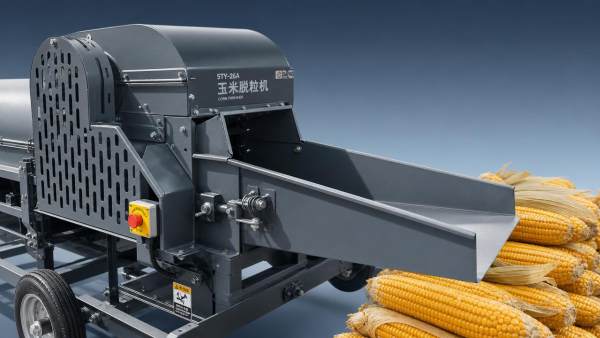
Unsafe feeding systems remain one of the most overlooked risk points in corn thresher machines, especially for quality control and safety managers responsible for equipment compliance. This article examines the design flaws, warning signs, and inspection priorities that can indicate elevated operator risk, helping industrial buyers and site supervisors identify safer machine configurations before procurement, installation, or routine field operation.
For most buyers and safety teams, the core question is not whether a corn thresher machine can process volume, but whether its feeding design controls foreseeable human error. In practice, the most unsafe machines are rarely the ones with obvious defects on a sales sheet. They are the ones that allow hands, sleeves, tools, or bundled stalks to reach hazardous moving parts too easily during normal work, clearing, or hurried feeding.
That is why the search intent behind “corn thresher machines: how to spot unsafe feeding designs” is highly practical. Readers want a reliable way to screen machines before purchase or during audits. They need fast indicators of elevated operator risk, clear inspection priorities, and a decision framework that connects design details to compliance exposure, injury prevention, downtime, and procurement quality.
What safety and quality managers should check first
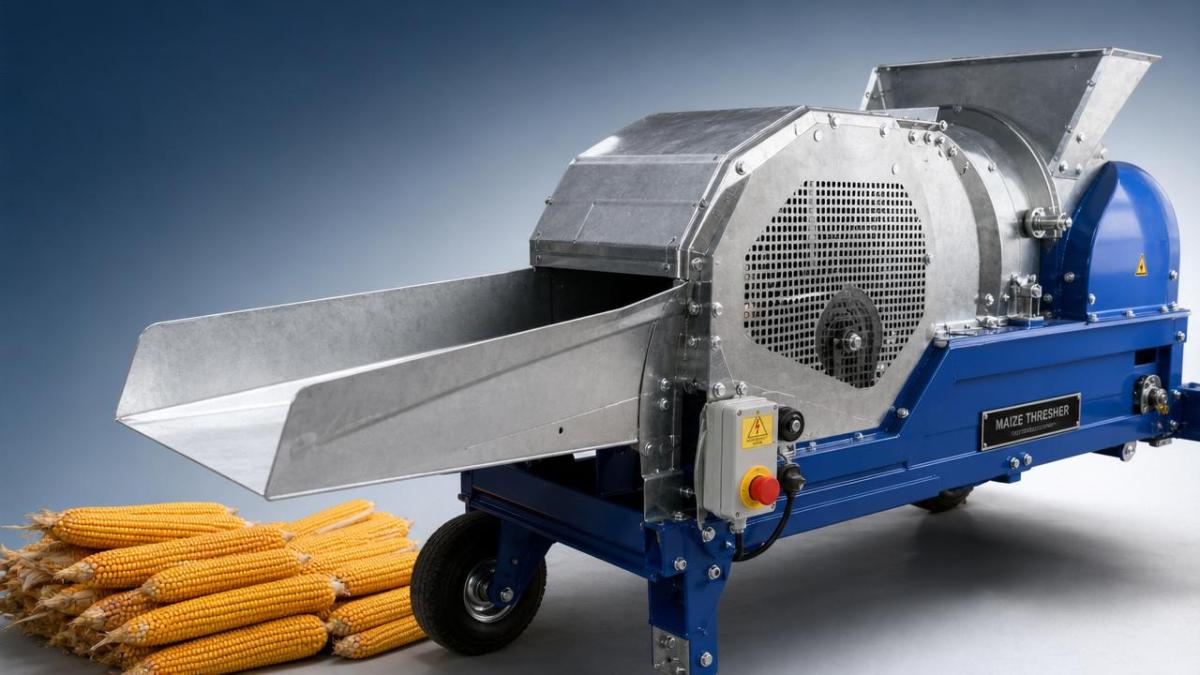
If you are responsible for quality control, EHS review, or machinery acceptance, start with a simple principle: a safe feeding system should make dangerous access difficult by design, not merely discouraged by labels. Warning decals, training manuals, and operator instructions matter, but they are secondary controls. The real test is whether the machine physically separates the worker from the in-running feed mechanism under expected operating conditions.
On corn thresher machines, the feeding point is a high-risk interface because it combines repetitive manual handling, uneven crop input, rotating components, and frequent operator intervention. When feed entry is too open, too short, too low, too direct, or too easy to bypass, the machine becomes dependent on perfect human behavior. That is an unacceptable design assumption in most industrial and semi-industrial environments.
A strong first-pass assessment should answer five questions. Can the operator’s hand easily reach the rollers, drum, chain, or auger? Does the feed chute force a safe body position? Are there anti-kickback or anti-draw-in features? Can guards be removed without tools or bypassed during use? And does the machine remain safe when blockages, wet material, or irregular cob sizes interrupt normal feeding?
If any of those answers are negative or uncertain, the feeding design deserves closer scrutiny regardless of output claims or vendor reputation.
The clearest signs of an unsafe feeding design
Unsafe feeding systems usually reveal themselves through a small set of recurring design patterns. The first and most serious is a direct line of access from the operator’s hands to the threshing or intake mechanism. If the feeding opening is wide enough and shallow enough that an operator can unintentionally follow material inward, the machine presents a draw-in hazard that should not be ignored.
A second warning sign is a feed hopper or chute that is too short. Short chutes reduce the separation distance between the operator and the hazard zone. In field reality, workers do not feed perfect, evenly cut material one cob at a time. They push, angle, bunch, and correct material while trying to maintain throughput. A short feed path turns those routine actions into exposure points.
Third, be cautious of machines that rely on improvised pushing methods. If the machine appears to require hands, sticks, or ad hoc tools to move crop into the intake consistently, the feeding geometry is probably poor. Good corn thresher machines should accept expected material flow without prompting unsafe manual intervention.
Fourth, inspect how the machine behaves at the edge of normal use. Narrow, aggressive intake rollers may pull material suddenly. Poorly positioned feed rollers can grab loose clothing. Open belt drives or exposed transmission points near the feeding side create combined hazards, especially when operators shift position to clear jams or stabilize bundles.
Another major warning sign is easy guard defeat. Hinged guards that stay open during operation, removable covers without interlocks, and inspection doors located near the feeding area all increase the chance of unsafe access. A machine may look guarded during a demonstration yet become effectively unguarded in daily production if access panels are frequently opened for convenience.
Finally, do not overlook machine instability. Excessive vibration, poor frame rigidity, or awkward feed table height can force operators into unsafe posture and inconsistent hand placement. A feeding system is not only about guards and openings. Ergonomics influence risk directly.
Why feeding hazards are often missed during procurement
Many unsafe corn thresher machines pass initial procurement reviews because commercial evaluations overemphasize capacity, power, and price. Feeding safety receives less attention when buyers assume that operator training will compensate for design shortcomings. This is a weak assumption, especially in high-throughput environments, seasonal operations, or sites with variable labor experience.
Another reason hazards are missed is that demonstrations are usually staged under ideal conditions. Vendors feed dry, uniform material at controlled speed, using their most experienced operator. Under those conditions, even a flawed feeding system may appear orderly. Risk becomes visible only when the machine handles tangled stalks, mixed cob sizes, moisture variation, partial blockage, or rushed loading.
Documentation can also be misleading. Some suppliers provide general safety language without machine-specific feeding risk analysis. Phrases such as “operate with care,” “do not place hands near moving parts,” or “keep guards in position” do not prove that the machine follows sound safeguarding principles. For quality and safety managers, the relevant question is whether hazard control is engineered into the feed interface itself.
Imported or low-cost units deserve especially careful review when technical files, CE-related declarations, or local conformity evidence are incomplete. A machine may be marketable in one region while falling short of buyer expectations for guarding integrity, lockout access, emergency stop placement, or safe maintenance design in another.
A practical inspection checklist for corn thresher machines
For site acceptance, supplier comparison, or audit preparation, use a structured inspection approach. Begin with reach and access. Measure the feeding opening, chute length, and physical distance from the outer edge of the feed point to the nearest hazardous moving component. If an average operator can reach danger with a hand or forearm during realistic feeding posture, the design should be flagged.
Next, inspect feed control features. Look for baffles, separator bars, anti-reach geometry, and controlled feed guidance that keeps material aligned while limiting hand entry. The best designs reduce the need to push downward or inward with force. If crop tends to bridge, rebound, or rotate unpredictably at the feed point, operator compensation will increase and so will risk.
Evaluate guarding integrity around adjacent components. Side belts, chains, pulleys, shafts, and flywheels near the feeding side should be enclosed or otherwise protected from contact during normal feeding, jam clearing, and routine cleaning. Secondary hazards matter because operators often reposition around the intake while focused on crop handling.
Then test abnormal but foreseeable conditions. How is a jam cleared? Does the procedure require full shutdown and isolation? Is there a lockout point that is practical to use, or is the machine likely to be cleared while coasting or partially energized? Unsafe feeding designs often become most dangerous during recovery from blockage rather than during steady-state threshing.
Emergency stop accessibility is another essential point. A stop control should be clearly visible, reachable from the feeding position, and able to halt hazardous motion quickly enough to matter. An emergency stop placed only on the far side of the frame or behind the operator offers limited protection in a draw-in event.
Also review operator posture. Feed height should not require overreaching, twisting, or prolonged forward lean. If workers must brace themselves against the machine to maintain feeding rhythm, the design is already creating unsafe human-machine interaction.
Finally, verify maintainability. Safe corn thresher machines support cleaning, inspection, and adjustment without repeated exposure to moving parts. If routine tasks require frequent guard removal or hand access near the intake path, operational discipline will eventually erode.
How to distinguish a merely basic design from a genuinely safer one
Not every simple machine is unsafe, and not every modern-looking machine is well safeguarded. The difference lies in whether the feeding system was designed around predictable misuse and routine disruption. A genuinely safer corn thresher machine will show intentional separation between the operator and intake hazards, not just minimal compliance cosmetics.
Look for longer, better-angled feed chutes that limit direct reach. Look for feed control elements that stabilize crop entry instead of demanding manual force. Look for guards that require tools to remove or are interlocked where appropriate. Look for controls positioned for real operator use rather than showroom appearance.
Safer designs also show consistency. If the vendor invested in robust feed safeguarding, you often see the same philosophy in maintenance access, belt guarding, labeling clarity, emergency controls, and documentation quality. By contrast, a machine with one impressive guard but multiple obvious bypass points likely reflects fragmented design thinking.
Another useful indicator is how the manufacturer responds to detailed safety questions. Serious OEMs can explain the logic behind feed geometry, guarding distances, stop functions, and operator use limitations. Suppliers who redirect every question to “training” or “common sense” may be signaling that the design itself offers weak protection.
Questions to ask suppliers before approval or purchase
Quality and safety managers should move beyond brochure-level inquiries. Ask the supplier to describe the intended safe feeding method for normal throughput, not just maximum output. Request a demonstration with material variation, including uneven or partially wet input. Ask what happens when feed flow is interrupted and how the operator is expected to clear obstructions.
Request detailed photos or video of the feed intake, side guarding, transmission enclosures, and emergency stop locations. Ask whether guards can be opened during operation, whether access panels are interlocked, and whether any guarding components are optional. “Optional safety” should trigger concern in most procurement settings.
Ask for the operating manual before purchase, not after delivery. Review whether lockout, cleaning, jam removal, and maintenance procedures are specific and realistic. If the manual is vague on feeding-side interventions, that gap may reflect unresolved risk in the machine design itself.
For imported equipment, ask for conformity documentation relevant to your market, but do not treat paperwork as proof of practical safety. Use documents to support evaluation, not replace it. Physical inspection remains essential.
Why this matters beyond compliance
For industrial farming operators and grain-processing sites, unsafe feeding design is not only an injury issue. It affects uptime, labor consistency, training burden, and total cost of ownership. Machines that require constant careful handling, frequent jam intervention, or operator workarounds may appear cheaper initially but generate hidden operational losses over time.
From a quality management perspective, unstable feeding behavior can also reduce process consistency. Erratic intake can increase material damage, throughput fluctuation, contamination opportunities during manual intervention, and unplanned stoppages that affect downstream scheduling. In other words, feed safety and process reliability are often linked.
For safety managers, the strongest business case is simple: engineered protection is more dependable than administrative control. A feeding system that is safe only when every worker follows every rule under every field condition is not robust enough for most professional operations.
Conclusion: the safest buying decision starts at the feed point
When assessing corn thresher machines, the feeding system deserves priority attention because it is where operator behavior, production pressure, and mechanical hazard meet. The most useful screening principle is to ask whether the machine prevents dangerous access by design during normal feeding, foreseeable misuse, and jam clearing. If it does not, labels and training will not close the gap.
For quality control personnel and safety managers, the best approach is disciplined and practical: inspect reach distances, chute geometry, guard integrity, emergency stop access, abnormal-condition behavior, and maintenance exposure. Machines that reduce the need for manual correction, restrict access to intake hazards, and maintain protection in real operating conditions are usually the safer long-term choice.
In a market where performance claims are easy to compare but true safety quality is harder to see, the feed point remains the most revealing place to look. If the feeding design is unsafe, the rest of the machine is already a secondary concern.
Related Intelligence
- Heavy Agri MachineryHow to shortlist Agri & Forestry machinery manufacturersAgri & Forestry machinery manufacturers: learn how to shortlist reliable suppliers by comparing capability, compliance, service, and delivery strength for smarter, lower-risk sourcing.
- Heavy Agri MachineryWhy onion grading machine accuracy changes during peak seasonOnion grading machine accuracy can shift during peak season due to higher throughput, dust, crop variability, and sensor drift. Learn the causes and smart fixes to protect quality.
- Heavy Agri MachineryHow to read Agri & Forestry machinery specifications betterAgri & Forestry machinery specifications explained clearly: learn how to compare power, hydraulics, weight, safety, and compliance to choose equipment smarter and avoid costly mistakes.
The Morning Broadsheet
Daily chemical briefings, market shifts, and peer-reviewed summaries delivered to your terminal.
