
Cassava Grating Machines and the Wear Problem Many Plants Miss
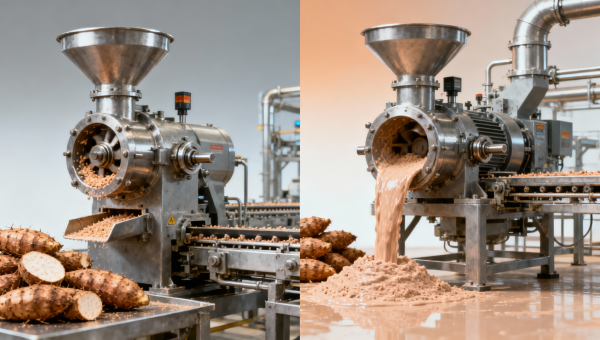
In cassava processing, wear is often treated as a maintenance issue rather than a production risk. Yet for plants comparing cassava grating machines with other critical assets such as sunflower oil press machine systems, palm oil extraction machine lines, or commercial flour mill machinery, unnoticed component wear can quietly erode output quality, energy efficiency, and operating margins. This article examines the wear problem many facilities miss and why it matters for technical, commercial, and project decisions.
For operators, the concern is immediate: unstable particle size, lower starch release, higher vibration, and more frequent shutdowns. For technical evaluators and project managers, wear affects machine sizing, spare parts planning, and line balance. For commercial and financial teams, the issue is even broader, because premature wear changes total cost of ownership far more than the initial purchase price suggests.
In many plants, cassava grating machines work in demanding conditions: abrasive root tissue, irregular feed size, variable moisture, and inconsistent cleaning practices. When these variables combine, rotor teeth, grating surfaces, bearings, shafts, and housings can degrade faster than expected. A machine rated for continuous duty can still underperform if wear monitoring is limited to visible damage.
That is why wear should be reviewed not only as a workshop problem but also as a throughput, quality, and procurement decision. Plants running 8 to 20 hours per day, or seasonal campaigns over 3 to 6 months, need a clearer framework for identifying wear patterns before they become a production bottleneck.
Why Wear in Cassava Grating Machines Is Often Underestimated
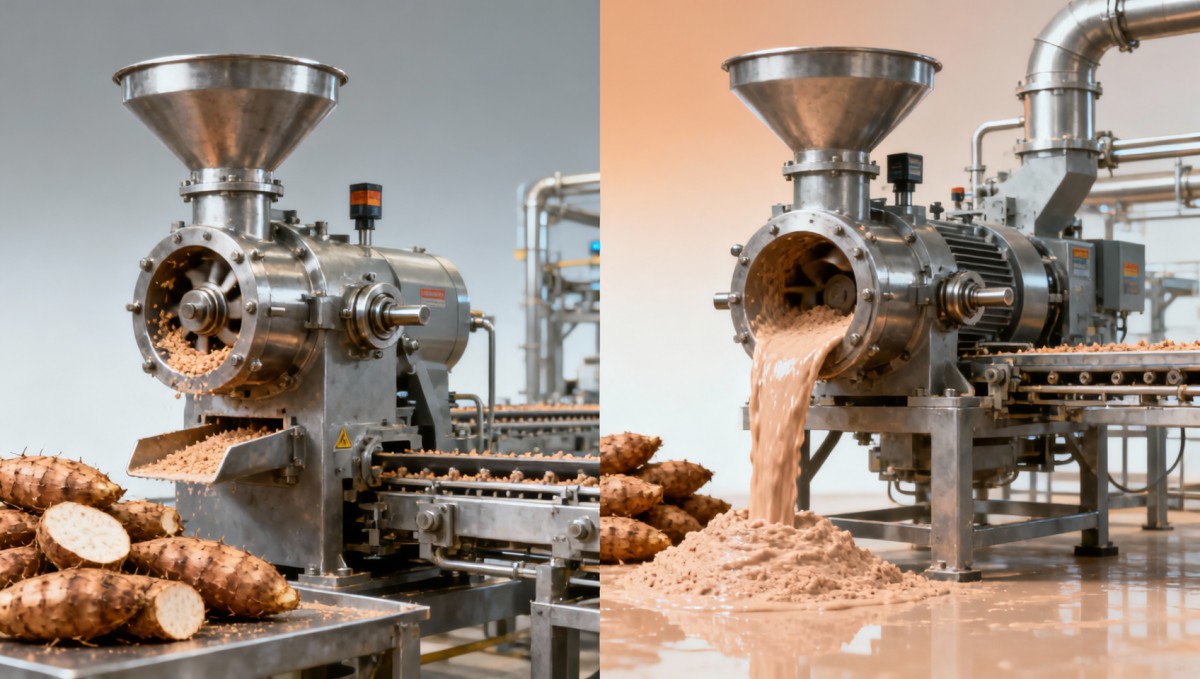
A cassava grating machine is designed to break root structure efficiently so downstream separation can recover starch with acceptable consistency. In practice, many plants focus on motor power, rated capacity, and headline output, but overlook how fast wear changes actual performance after the first 200 to 500 operating hours. The result is a machine that still runs, yet no longer processes cassava at its intended efficiency.
This underestimation happens because wear is rarely dramatic at the start. A grating plate may lose sharpness gradually, rotor elements may round off, and bearing play may increase by small increments. Each individual change seems minor. Together, they can reduce extraction effectiveness, raise power consumption by 5% to 15%, and increase recirculation or rework pressure on the rest of the line.
Plants that already understand lifecycle management in oilseed pressing or flour milling sometimes still treat cassava differently. Cassava roots carry field contamination, fibrous variation, and fluctuating water content. These factors make wear more variable than in cleaner, more uniform raw material streams. A machine processing washed, evenly sized roots will age very differently from one handling mixed feed with sand, peel fragments, or oversized chunks.
Another reason the problem is missed is that maintenance records often capture breakdowns rather than performance drift. If a line has no weekly baseline for vibration, amperage, throughput, and starch recovery, operators may normalize declining performance. A plant may accept a 7% lower output rate for months without linking it to grater wear.
The wear points that deserve closer inspection
Not all machine parts wear at the same rate. Some are exposed to direct abrasion, while others suffer from alignment issues, heat, or contamination. A useful inspection routine should prioritize the components that most directly affect grating intensity and mechanical stability.
- Grating surface or teeth: dull edges reduce cutting aggressiveness and can lower starch release efficiency within 300 to 800 hours, depending on feed cleanliness.
- Rotor assembly: imbalance and surface loss increase vibration, often raising bearing load and causing secondary failures.
- Bearings and seals: contamination from wash water or cassava slurry can shorten service life if lubrication intervals exceed recommended limits.
- Shafts and couplings: misalignment of even 0.5 to 1.0 mm can accelerate fatigue and create unstable running conditions.
- Feed inlets and liners: localized abrasion can alter material flow, increasing uneven loading across the rotor.
When these wear points are assessed together, the machine can be managed as a process asset rather than a standalone mechanical unit. That distinction matters in B2B operations where downtime affects labor scheduling, utility planning, and delivery commitments.
Operational Symptoms That Signal More Than Routine Maintenance
Many plants only react when the cassava grating machine becomes noisy or stops unexpectedly. By that stage, the wear problem has usually spread beyond one component. The earlier signs are subtler and should be measured against operating baselines at least once every 7 days in continuous plants, or once every 3 production shifts in heavy seasonal use.
A practical way to identify wear is to compare process indicators instead of waiting for visible damage. If root feed remains stable but motor current rises, if throughput drops without a supply issue, or if pulp texture becomes inconsistent, wear is already affecting process quality. The machine may still pass a basic visual check while delivering inferior real-world performance.
For quality and safety teams, wear also creates sanitation and contamination risks. Excessive metal loss, damaged liners, and seal failures can introduce foreign matter or create hard-to-clean zones. This is particularly relevant for plants supplying food, feed, or starch derivative markets with stricter quality expectations.
The table below outlines common operating symptoms and what they often indicate in a cassava grating machine environment.
The key conclusion is that wear rarely remains isolated. Once vibration, leakage, or grating inefficiency appears, the plant is often paying in at least 3 ways at the same time: lower yield, higher power demand, and greater maintenance labor. That is why technical teams should translate operating symptoms into financial language that business evaluators and finance approvers can act on.
A simple 4-point monitoring routine
- Record amperage and throughput at a fixed feed rate once per shift.
- Check vibration and bearing temperature every 7 days or every 100 operating hours.
- Inspect grating surfaces and rotor condition during scheduled washdown or cleaning stops.
- Compare pulp consistency and downstream recovery data against the previous month.
This routine does not require advanced digitalization. Even a structured log sheet can identify wear trends early enough to plan parts replacement before a shutdown becomes urgent.
How Wear Changes Procurement, Budgeting, and Machine Selection
For procurement teams and decision-makers, the central mistake is buying a cassava grating machine based on nominal capacity alone. A machine rated at 2 to 5 tons per hour may look competitive on paper, but if wear parts are difficult to source, replacement intervals are short, or access for maintenance is poor, the real economics shift quickly. Initial price can become less important than lifecycle stability over 12 to 36 months.
This is especially relevant in multi-asset processing plants. When cassava equipment sits alongside sunflower oil press machine sections, palm oil extraction machine modules, or commercial flour mill machinery, maintenance teams often share labor, inventory budgets, and downtime windows across departments. A grater with unpredictable wear can disrupt broader plant planning far beyond its own footprint.
Technical evaluators should therefore ask suppliers about wear design logic, not just output claims. What is the expected service interval for grating components under standard feed conditions? Which parts are consumables, and which are structural? Can bearings and seals be replaced without removing the full machine? Is there a recommended vibration threshold or alignment tolerance for safe operation?
The next table gives a practical procurement lens for comparing options where wear exposure is a major cost driver.
A buyer who includes these checks gains a more realistic view of payback. In some cases, a higher-cost machine with better wear protection produces lower annual operating cost because service intervals are longer and product consistency remains stable for more of the production calendar.
Questions procurement teams should ask suppliers
Lifecycle and serviceability
- What are the typical replacement intervals for grating elements under clean versus mixed raw material conditions?
- Which spare parts should be stocked on site for a 6-month campaign or a full-year operation?
- Can maintenance be completed by in-house technicians, or is specialist service normally required?
Process fit
- What feed size range is recommended before the cassava grating machine to avoid accelerated wear?
- How does the machine perform with variable moisture or partially peeled roots?
- What upstream washing or screening level is advised to reduce abrasive contamination?
Practical Measures to Control Wear and Extend Service Life
Wear control starts before the cassava reaches the machine. Plants that reduce sand, stones, peel residues, and oversized root pieces usually see a measurable improvement in service life. Even a basic pre-wash and feed grading step can lower abrasive loading enough to extend key wear part life by 15% to 30% in typical operating conditions.
Machine setup is the second major lever. Correct alignment, balanced rotor installation, seal integrity, and disciplined lubrication are not secondary details. If a new machine is installed quickly without alignment verification, the line may begin accumulating avoidable bearing and shaft wear in the first 50 to 100 hours. For project managers, commissioning quality is therefore part of wear management, not a separate task.
Maintenance strategy should also shift from reactive replacement to condition-based intervention. In many plants, a monthly inspection is too slow for high-volume campaigns. Weekly checks, supported by vibration trends, amp draw, and pulp quality reviews, can identify the right moment for planned service. That approach reduces emergency stoppages and gives procurement time to rotate stock more efficiently.
The measures below show how plants can reduce wear risk without overcomplicating operations.
A wear-control checklist for operating teams
- Maintain upstream washing quality so abrasive contamination stays as low as practical before grating.
- Control feed size distribution to limit impact loading from large root sections.
- Check rotor balance and fastener tightness during every scheduled shutdown.
- Monitor bearing temperature and lubrication intervals according to duty hours, not calendar habit alone.
- Replace worn grating elements before pulp quality shifts enough to affect downstream extraction yield.
These steps are most effective when they are linked to clear operating triggers. For example, a plant may inspect the rotor if vibration exceeds an internal threshold, or schedule grating surface review after each 120 to 150 hours of heavy-duty processing. Thresholds vary by machine design, but the discipline of setting them is what improves control.
Typical maintenance priorities by plant role
The broader lesson is that wear control is cross-functional. It sits at the intersection of operations, maintenance, quality, and commercial planning. Plants that manage it collaboratively usually achieve more stable output than those that leave it solely to breakdown repair.
FAQ and Decision Guidance for Plants Evaluating Cassava Grating Machines
Because cassava grating machines sit early in the processing chain, their condition affects more than one production step. The questions below reflect common concerns from technical buyers, distributors, engineering teams, and operating plants assessing new equipment or reviewing existing lines.
How often should a cassava grating machine be inspected for wear?
In moderate-duty service, a weekly inspection is often a practical minimum. In high-throughput plants running 16 to 20 hours per day, checks every 100 operating hours may be more appropriate. The inspection should cover grating surfaces, bearings, seals, vibration trend, and throughput consistency, not just obvious external damage.
Which wear issue creates the biggest hidden cost?
The biggest hidden cost is usually performance drift rather than catastrophic failure. A 5% to 10% drop in starch release or throughput can continue for weeks without triggering an emergency repair, yet the cumulative margin loss can exceed the cost of planned spare parts. That is why baseline process data is so valuable.
Is a higher-capacity machine always better for wear management?
Not necessarily. Oversized machines can run inefficiently if feed is inconsistent, while undersized machines may be overloaded and wear faster. The better approach is to size the machine to realistic hourly demand, upstream feed preparation quality, and downstream separation capacity. Capacity matching across the line is often more important than a larger single-machine rating.
What should distributors and project consultants emphasize to clients?
They should emphasize three points: wear part access, spare part planning, and process compatibility. A technically sound proposal should define recommended feed preparation, likely consumables for the first 6 to 12 months, and expected maintenance windows. This gives end users and financial approvers a clearer basis for comparing offers.
Wear in cassava grating machines is not a narrow maintenance issue. It is a production, quality, budgeting, and asset-management issue that deserves the same scrutiny plants already apply to sunflower oil press machine systems, palm oil extraction machine lines, and commercial flour mill machinery. When wear is monitored early and specified properly during procurement, plants are better positioned to protect output, control energy use, and reduce avoidable downtime.
For industrial buyers, technical reviewers, and plant operators, the most effective next step is to review current wear indicators, spare parts strategy, and service assumptions before the next procurement or maintenance cycle. To discuss equipment selection, lifecycle planning, or a more tailored processing solution, contact us to get a customized recommendation and explore more solutions for efficient cassava processing.
Related Intelligence
- Heavy Agri MachinerySilage Bale Wrapper Machine Issues in Hot WeatherSilage bale wrapper machine issues in hot weather: compare round baler machine and square baler machine setups, reduce film failure, and improve forage quality with smarter buying decisions.
- Heavy Agri MachinerySilage Bale Wrapper Machine Film Waste Comes from SetupSilage bale wrapper machine film waste often starts with setup, not film. Compare round baler machine and square baler machine risks, calibration, and agricultural plastic mulch film compatibility.
- Heavy Agri MachineryHay Balers Wholesale Pricing Is Not the Full PictureHay balers wholesale pricing is only the start. Compare square baler machine and round baler machine value, lifecycle cost, system fit, and service support before you buy.
The Morning Broadsheet
Daily chemical briefings, market shifts, and peer-reviewed summaries delivered to your terminal.
