
Silage Bale Wrapper Machine Issues in Hot Weather
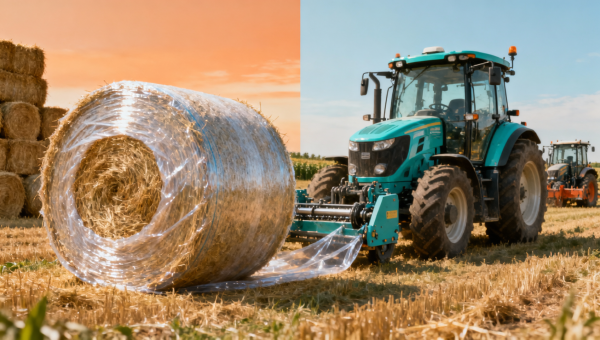
Hot weather can quickly expose hidden weaknesses in a silage bale wrapper machine, affecting film tension, sealing quality, and forage preservation. For buyers comparing a round baler machine, square baler machine, or hay balers wholesale options, understanding these seasonal issues is essential for technical evaluation, procurement planning, and operational risk control across modern farming systems.
Why does hot weather create more problems for a silage bale wrapper machine?
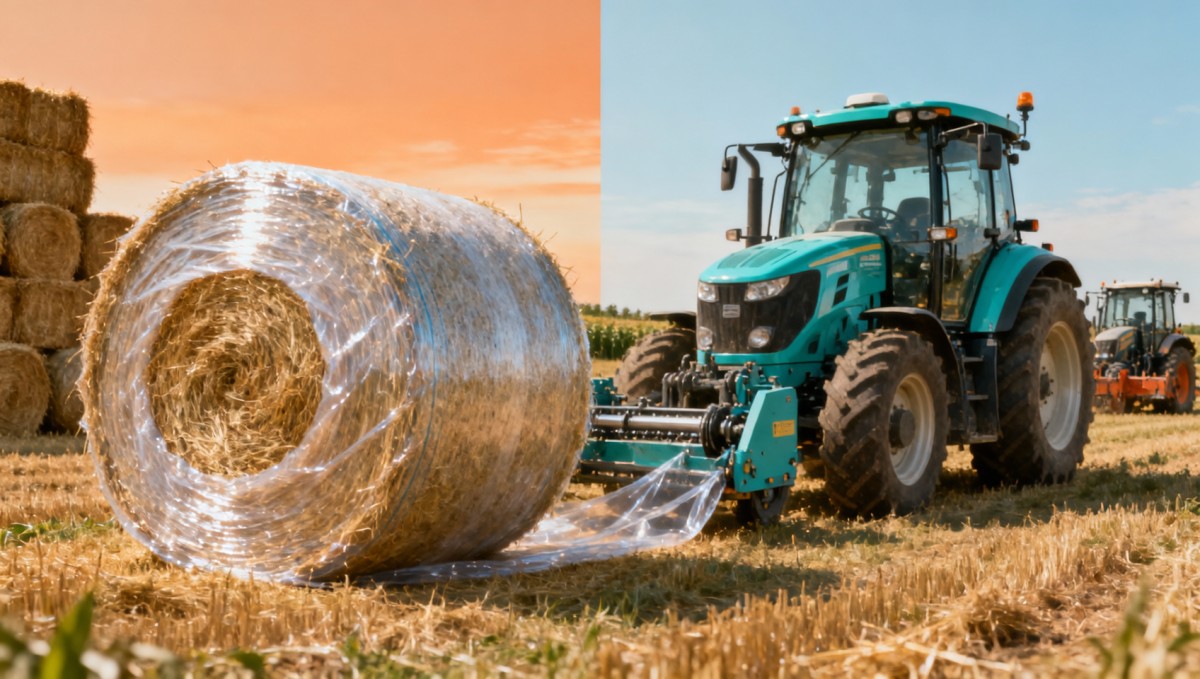
A silage bale wrapper machine works under a narrow process window. In warm to very hot field conditions, film stretch behavior changes, adhesive layers react differently, and bale surface temperature rises faster than many operators expect. Once ambient temperature moves into a typical summer range such as 30°C–40°C, small setup errors that were manageable in cooler weather can become visible through tearing, loose wrapping, poor overlap, or trapped air.
For technical assessment teams, the issue is not only machine durability. It is the interaction between wrapper design, bale density, film specification, field logistics, and operator discipline across 3 linked stages: baling, transfer, and wrapping. A machine that performs acceptably in mild weather may show unstable film carriage tension or inconsistent sealing when throughput increases and plastic rolls are exposed to direct sunlight for several hours.
Procurement teams should also recognize that wrapper performance cannot be separated from the upstream baler choice. A round baler machine producing uneven shoulders or a square baler machine creating inconsistent density can amplify hot-weather wrapping faults. In practical terms, a wrapper is often blamed first, but the root cause may sit in bale geometry, moisture distribution, or handling speed between the field and the wrapping zone.
For commercial farms, contractors, and distributors, this matters because the operational cost of poor wrapping appears later. Fermentation losses, mold development, and rejected feed lots may emerge after 2–8 weeks, long after the field work is complete. This delayed risk is exactly why buyers increasingly look for evidence-based technical guidance rather than headline performance claims.
The most common hot-weather stress points
- Film pre-stretch becomes less stable when rolls are stored in direct heat, causing uneven tension and higher break frequency.
- Bale surfaces can heat rapidly after baling, which may reduce wrapping consistency and increase the chance of trapped air pockets.
- Hydraulic and bearing temperatures rise during long shifts of 6–10 hours, especially in dusty forage conditions.
- Operators may increase working speed to avoid afternoon heat, but excessive speed often reduces overlap accuracy and cut-and-hold reliability.
Which faults should buyers and farm managers check first in summer operation?
When a silage bale wrapper machine underperforms in hot weather, fault diagnosis should begin with visible process indicators rather than immediate parts replacement. In field audits, 5 checks usually reveal the main issue: film break pattern, overlap consistency, bale shape, wrapping speed, and film roll storage condition. These checks help distinguish between a machine defect, a consumable problem, and an upstream baling inconsistency.
For procurement officers and project managers, this diagnostic order is useful because it prevents avoidable service calls and protects budget planning. It also supports vendor comparison. A supplier that can explain failure mode separation between machine mechanics and consumable handling is usually more valuable than one offering only generic output figures or broad productivity claims.
The table below summarizes frequent hot-weather wrapper issues, probable causes, and the checks that technical evaluators should request during site review, factory acceptance, or distributor demonstration. This is particularly relevant when comparing hay balers wholesale packages that bundle a baler and wrapper into one purchasing decision.
A key point is that these issues are measurable during a demo. Buyers should request a minimum of 10–20 continuous bales in comparable weather conditions rather than judging performance after only 2 or 3 test cycles. Heat-related instability often appears only after components, film rolls, and operators have been running long enough to enter normal field temperature conditions.
Fast audit checklist for technical evaluators
Field verification points before blaming the wrapper
- Confirm bale moisture is within the target operating range defined by the forage program, because overly wet or highly variable bales complicate sealing behavior.
- Measure whether the transfer time from baler discharge to wrapping is controlled, especially during 1–3 hour peak heat periods in the afternoon.
- Review whether film rolls are stored under cover and allowed to remain clean, dry, and protected from direct UV exposure before use.
- Inspect roller surfaces, blade sharpness, and moving points at the start of every day and after each 200–300 bales in high-dust conditions.
How should buyers compare wrapper systems with round baler machine and square baler machine setups?
A hot-weather reliability review should not isolate the wrapper from the baling format. Round bale systems and square bale systems create different risks for film application, transport handling, and storage density. This is especially important for distributors and mixed-fleet farms evaluating bundled machinery, because a lower initial purchase price may lead to higher forage loss or labor cost over a full season.
Round bale wrapping is often favored for flexible field operations, but it depends heavily on shape consistency. If a round baler machine produces soft shoulders or irregular diameter under changing crop conditions, the silage bale wrapper machine must compensate. In hot weather, that compensation margin narrows. Square bale systems can simplify stacking and transport, yet they bring their own complexity in edge integrity, film fit, and handling impact.
For business evaluation and finance approval, the more useful question is not which format is universally better, but which format controls operational risk in your harvest window, labor availability, and storage method. A system designed for 500 bales per season should not be judged by the same criteria as a contractor fleet processing several thousand bales across multiple fields.
The comparison below helps procurement teams align machinery choice with wrapping stability, labor exposure, and likely summer bottlenecks. It is a practical starting point for RFQ review, dealer negotiation, and internal capital expenditure discussions.
This comparison also shows why technical due diligence matters. A bundled procurement approach may reduce sourcing friction, but the true decision quality depends on whether the wrapper, baler output, spare parts plan, and operator training package are evaluated together. In hot climates, compatibility is often worth more than headline capacity.
Three procurement questions that save time later
- What bale size and density range can the wrapper handle consistently during a full summer shift, not just during a short demonstration?
- What service parts should be stocked locally for the first 12 months, including blades, rollers, bearings, sensors, and hydraulic wear items?
- What operator training is included for film setup, cleaning frequency, and fault recovery under dusty and high-temperature field conditions?
What technical and compliance factors matter most before purchase?
For B2B buyers, evaluating a silage bale wrapper machine is not only about output per hour. The stronger procurement method uses 4 lenses: mechanical consistency, consumable compatibility, serviceability, and documentation quality. These factors become more important when the machine will operate across multiple crews, dealer territories, or export markets where downtime, training gaps, and parts delays are expensive.
Technical teams should request clear parameter confirmation covering bale dimensions, film roll compatibility, hydraulic or power requirements, and recommended daily maintenance intervals. Even where exact figures vary by model, suppliers should define operating windows and limitations transparently. Vague responses usually create risk later during commissioning or claim handling.
Compliance and documentation also matter. While agricultural machinery and wrapping consumables may not follow the same framework as GMP-regulated chemical products, serious buyers still need traceable manuals, spare parts lists, safety instructions, and, where relevant, conformity documentation for destination markets. ACC’s cross-sector editorial perspective is valuable here because industrial buyers increasingly expect supply chain clarity, technical substantiation, and document discipline across all equipment categories.
The next table can be used as a procurement checklist during supplier comparison, distributor onboarding, or internal approval review. It translates technical concerns into practical buying criteria that finance, quality, and operations teams can all understand.
In practice, buyers should ask for a structured response within 4 categories and compare answers side by side. This creates a stronger approval path for financial reviewers because it replaces generic sales language with risk-based evidence. For distributors, it also improves downstream customer support planning before the first machine is shipped.
Common mistakes during supplier evaluation
What often gets overlooked
- Comparing only nominal capacity while ignoring actual performance after several hours of operation in summer conditions.
- Treating film as a simple consumable rather than a process-critical input that must match carriage setup and storage practice.
- Approving equipment without clarifying the local spare parts stocking plan for the first harvest season.
- Assuming a hay balers wholesale package automatically ensures system compatibility across the baler, wrapper, and transport sequence.
FAQ: practical decisions for summer purchasing, operation, and risk control
How should a buyer test a silage bale wrapper machine before order confirmation?
Ask for a demonstration that reflects actual field conditions. A short showroom run is not enough. A useful trial should cover at least 10–20 consecutive bales, include normal transfer handling, and preferably be conducted within the expected summer temperature range. Request observations on film break frequency, overlap quality, cut-and-hold reliability, and the time required to recover from a fault.
If you are evaluating a round baler machine or square baler machine together with the wrapper, insist on seeing the complete sequence. Bale uniformity and handoff speed influence wrapping performance directly. This full-line view gives procurement and project teams better evidence than reviewing each machine separately.
Are hot-weather issues mainly caused by the machine or by the film?
Usually, the answer is both process and material. A well-designed machine can still perform poorly if film rolls are overheated, contaminated, or unsuitable for the application. At the same time, premium film cannot fully compensate for poor roller condition, unstable bale rotation, or incorrect overlap settings. Buyers should evaluate the machine-film combination rather than treating them as separate decisions.
This is why supplier discussions should cover storage guidance, recommended cleaning frequency, and adjustment instructions. In many cases, a recurring summer fault is reduced not by major replacement, but by correcting 3–5 setup variables and improving operator discipline.
What delivery and implementation questions should project managers ask?
Focus on timeline, commissioning scope, and support structure. Ask for the typical lead time, the spare parts package recommended for the first season, and whether remote support is available during the first 2–4 weeks of operation. Also confirm what operator training is included and whether documentation is supplied in the working language of your technical team.
For dealers and distributors, clarify whether the supplier provides installation guidance, troubleshooting logic, and parts diagrams suitable for local service staff. These details matter more than brochure claims once the machine enters peak harvest periods.
Is a bundled hay balers wholesale offer always the best value?
Not always. Bundled offers can simplify sourcing and negotiation, but value depends on compatibility, support, and expected field conditions. If the package combines a baler and wrapper that were not optimized for the same output profile, summer reliability may suffer. A lower upfront price can be offset by forage losses, extra film consumption, or downtime during a narrow harvest window.
The strongest value assessment combines purchase price with at least 4 practical factors: consumable cost, labor requirement, service response, and likely forage preservation outcome. That approach gives finance approvers a more realistic view of total ownership impact.
Why consult ACC for machinery assessment and supplier positioning?
In primary industries, buying decisions are increasingly shaped by technical credibility, documentation quality, and supply chain transparency. ACC supports this need by connecting agricultural machinery evaluation with the same disciplined intelligence framework used across regulated and performance-sensitive sectors. That matters for buyers who need more than product descriptions. They need structured comparison, risk interpretation, and commercially relevant context.
For information researchers, technical evaluators, procurement professionals, and distributors, ACC helps shorten the gap between raw supplier claims and decision-ready understanding. Our editorial approach brings together machinery logic, operational field realities, and compliance-aware communication. This is especially useful when selecting a silage bale wrapper machine for hot-weather operation or reviewing round baler machine, square baler machine, and hay balers wholesale offers side by side.
If you are preparing a sourcing project, distributor program, or internal capex submission, you can consult ACC on practical topics such as parameter confirmation, solution comparison, expected delivery cycle, documentation depth, spare parts planning, and climate-fit evaluation. These are the issues that often determine whether a purchase performs smoothly during the first season or creates hidden cost later.
Contact ACC if you need support with supplier content positioning, technical article collaboration, machinery selection communication, or procurement-facing market visibility. You can discuss application scenarios, equipment matching, service expectations, certification-related document readiness, quotation communication, and customized editorial exposure designed to reach institutional buyers and industrial farming decision-makers.
Related Intelligence
- Heavy Agri MachinerySilage Bale Wrapper Machine Issues in Hot WeatherSilage bale wrapper machine issues in hot weather: compare round baler machine and square baler machine setups, reduce film failure, and improve forage quality with smarter buying decisions.
- Heavy Agri MachinerySilage Bale Wrapper Machine Film Waste Comes from SetupSilage bale wrapper machine film waste often starts with setup, not film. Compare round baler machine and square baler machine risks, calibration, and agricultural plastic mulch film compatibility.
- Heavy Agri MachineryHay Balers Wholesale Pricing Is Not the Full PictureHay balers wholesale pricing is only the start. Compare square baler machine and round baler machine value, lifecycle cost, system fit, and service support before you buy.
The Morning Broadsheet
Daily chemical briefings, market shifts, and peer-reviewed summaries delivered to your terminal.
