
Silage Bale Wrapper Machine Film Waste Comes from Setup
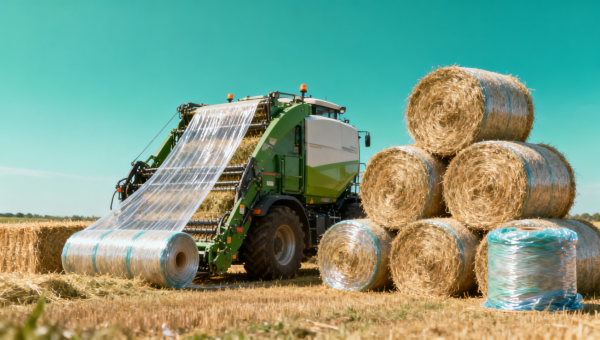
Film waste in a silage bale wrapper machine often begins with setup errors, not just material quality. For buyers and technical evaluators comparing round baler machine and square baler machine systems, understanding wrapper calibration, bale density, and agricultural plastic mulch film compatibility is essential to reducing loss, downtime, and operating cost across modern forage operations.
Why setup errors create film waste before material quality becomes the issue
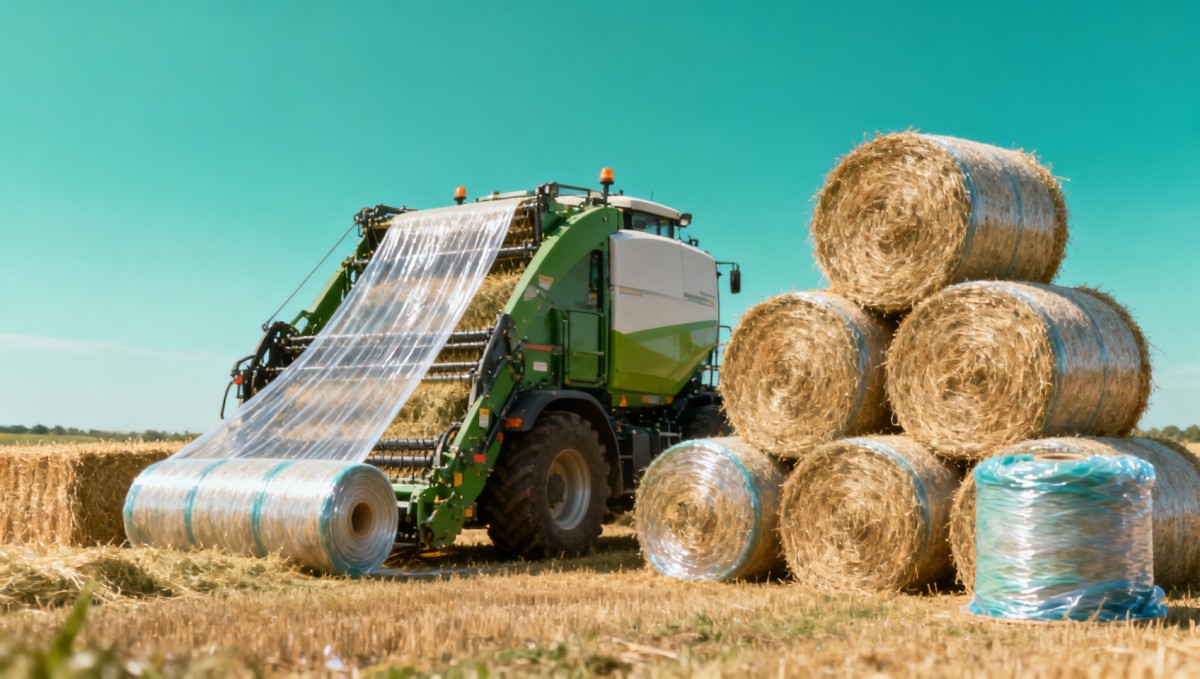
In forage packaging, film waste is often blamed on weak rolls, poor storage, or inconsistent supply lots. In practice, many failures start earlier, during machine setup. A silage bale wrapper machine depends on a stable relationship between bale shape, pre-stretch tension, overlap rate, wrapper arm speed, and brake setting. When one of these variables drifts outside a typical operating range, film can tear, neck down, wrinkle, or accumulate excessive overlap, which raises consumption per bale.
This matters to more than machine operators. Procurement teams need to compare equipment platforms, finance approvers need to understand where avoidable waste inflates annual film spend, and quality or safety managers need to reduce handling risk caused by repeated rewrapping. In mixed fleets using a round baler machine in one line and a square baler machine in another, the setup discipline required is different, especially when bale dimensions, density, and throughput vary over a 10-hour to 14-hour workday.
AgriChem Chronicle tracks these issues from an industrial decision angle rather than a purely operator-level angle. For buyers in primary industries, wrapper waste is not a small consumables problem. It affects feed preservation, labor scheduling, film inventory planning, and the reliability profile of a harvesting system during narrow weather windows of 2–4 days. That is why setup, not only film specification, should be part of technical due diligence.
A useful way to frame the problem is to separate controllable variables from material variables. Setup errors are usually controllable on site within 15–45 minutes. Film defects, by contrast, require supplier traceability and lot verification. If operations teams do not isolate setup first, they may reject acceptable film, order unnecessary spare parts, or choose the wrong machine platform for the next procurement cycle.
The 4 setup variables that most often drive waste
- Pre-stretch and brake balance: if tension is too high, the film tears at the dispenser; if too low, overlap becomes uneven and oxygen protection declines.
- Bale geometry: soft shoulders, poor edge formation, or inconsistent diameter force the film to bridge empty areas and increase roll consumption.
- Wrapper speed synchronization: when arm rotation and table rotation are not matched, the overlap pattern shifts and film layers become either thin or excessive.
- Film-path alignment and roll loading: a skewed roll, damaged core, or contaminated roller surface can trigger tracking issues within the first 5–20 bales.
For technical evaluators, these four variables are a practical starting point because each can be checked without laboratory testing. If a plant or farm experiences recurrent waste across more than one film supplier, setup inconsistency is the more probable cause. That conclusion can materially change sourcing strategy and service contract priorities.
Round baler machine vs square baler machine: where wrapper setup risk changes
Not all bale formats behave the same during wrapping. A round baler machine generally produces a form that rotates predictably and supports more uniform film application when density is consistent. A square baler machine can improve logistics and stacking efficiency, but the wrapped package introduces corners, edge loading, and stress points that increase sensitivity to setup precision. Buyers comparing systems should therefore evaluate packaging waste as a platform issue, not just a consumables issue.
In a round bale system, common waste events come from inconsistent diameter, unstable core formation, or wrapper table speed mismatch. In a square bale system, the waste pattern often shifts toward corner puncture risk, layer inconsistency on edges, and more demanding alignment requirements. This does not mean one system is universally better. It means each system should be matched to feed type, storage method, transport distance, and operator skill level.
For procurement staff, the relevant question is simple: which bale format gives lower total packaging risk in your actual workflow over one season, not in a demonstration field? If your operation handles medium to high daily bale counts, runs multiple shifts, and transfers bales over uneven yards before storage, the cost of one additional film wrap layer on every unit can become material within 6–12 months.
The comparison below highlights where setup-related waste tends to appear first. These are common industrial decision points rather than brand-specific claims, and they help business evaluators align machine choice with labor capability, film usage, and downstream handling conditions.
The table shows why equipment comparison should include packaging behavior, not only baling throughput. In many projects, the lower-risk option is the one that local operators can calibrate repeatably under field pressure. That practical factor often outweighs a nominal capacity advantage listed in brochures.
What technical teams should verify during line evaluation
Mechanical checks before film blaming
- Confirm roller cleanliness, dispenser wear, and brake response at the start of every shift and after 50–100 bales.
- Check whether bale density and moisture uniformity stay within the operation’s normal process window.
- Review whether wrapping speed was increased to chase throughput without retuning overlap settings.
These checks are straightforward, but they are often skipped during peak harvest periods. That is why film waste is frequently misclassified as a supplier problem when it is actually a calibration problem.
How to evaluate bale density, film compatibility, and wrapper calibration together
A silage bale wrapper machine does not operate as an isolated device. It is part of a chain that begins with crop condition, passes through baling pressure, and ends with storage integrity. Bale density influences how much the package settles in the first 24–72 hours. Film compatibility influences puncture resistance, cling behavior, and pre-stretch stability. Wrapper calibration determines whether those material properties are used efficiently or wasted through misapplication.
This is also where confusion often arises around agricultural plastic mulch film. Mulch film and silage wrapping film serve different mechanical functions, but buyers sometimes compare them too loosely because both are agricultural plastics. For decision-makers, the key point is compatibility of application method and operating stress. A film that performs acceptably in one agricultural use case should not be assumed suitable for rotating bale wrapping without confirming stretch behavior, thickness consistency, and handling resilience.
Technical teams should treat calibration as a repeatable process with defined checkpoints. A practical field approach is to run a verification sequence over the first 10 bales, review overlap consistency, inspect edge coverage, and then recheck after 30–50 bales once temperature, operator rhythm, and machine loading stabilize. This process is especially useful when switching between forage types or changing operators.
For business evaluators, this integrated view supports better specification writing. Instead of requesting only wrapper capacity, they can require a setup verification protocol, operator training scope, acceptable film-path tolerance, and service response commitments. These details help reduce hidden operating cost after installation.
Recommended evaluation matrix for procurement and commissioning
The following matrix is useful when comparing suppliers, wrapper designs, or upgrade options. It combines setup, material, and operational factors so procurement, engineering, and quality teams can score the same project from different angles.
This matrix helps teams write cleaner tender documents and more useful factory or field acceptance criteria. It also supports cross-functional review. Engineering can focus on machine stability, procurement on supplier capability, and finance on lifetime consumables exposure rather than purchase price alone.
A 5-point startup checklist
- Inspect film rolls for storage damage and confirm the correct roll is loaded for the wrapper specification.
- Set dispenser tension to the supplier’s normal operating range and record the baseline.
- Wrap 5–10 test bales before full production, then inspect overlap and edge coverage.
- Recheck settings after the first 30 bales when machine temperature and work rhythm stabilize.
- Log any film breaks with time, operator, bale type, and weather condition for root-cause review.
For project managers, this checklist converts a vague commissioning task into a measurable acceptance routine. It also creates a useful record if supplier support is needed later.
Procurement, operating cost, and compliance questions buyers should raise early
When wrapper waste is treated only as an operations issue, procurement loses leverage. The better approach is to ask cost and compliance questions before award. What is the expected setup time after film changes? How many operator intervention points exist per shift? What spare parts are wear-sensitive in the dispenser and brake assembly over one season? These answers affect labor cost, downtime risk, and maintenance planning.
For financial approvers, the important distinction is between visible capital cost and recurring packaging loss. A system with lower acquisition cost can become less attractive if it requires more frequent film adjustments, more rewraps, or more operator supervision across a 3–6 month forage cycle. Even without assigning speculative numeric savings, it is reasonable to compare annual film consumption, maintenance intervals, and training requirements as part of total cost of ownership.
Compliance also matters. Although bale wrapping equipment is not evaluated under the same frameworks as pharmaceutical production, many industrial buyers still require clear documentation for materials handling, equipment safety, and environmental responsibility. Depending on jurisdiction and use case, teams may review machine guarding, maintenance instructions, polymer handling records, and disposal procedures for used agricultural film. Quality managers should ensure these points are documented during supplier review rather than after installation.
AgriChem Chronicle is particularly relevant here because its editorial lens spans agricultural machinery, regulated supply chains, and industrial sourcing logic. That combination helps decision-makers ask better questions: not only whether a wrapper can run, but whether it can be documented, audited, and supported in a way that stands up to enterprise procurement processes.
Three procurement questions that prevent later waste disputes
- What startup and recalibration procedure is recommended after operator change, film lot change, or forage condition change?
- Which wear parts in the film path typically need inspection weekly, monthly, or per season?
- Can the supplier define the practical compatibility limits between bale format, wrapper design, and film type?
FAQ for evaluators, buyers, and project teams
How do I know if waste comes from setup rather than poor film?
Start by checking whether the problem appears across different roll lots or suppliers. If breakage, wrinkling, or excessive overlap occurs in the first 10–30 bales after a setting change, setup is a strong suspect. If the same defect remains after alignment, brake, and overlap verification, then the film itself deserves closer review.
Is a round baler machine always safer for reducing film waste?
Not always. A round baler machine is often easier to stabilize in wrapping, but the best choice depends on transport, stacking, daily throughput, and operator capability. A square baler machine may be commercially stronger where logistics density matters, provided the wrapping system and handling process are calibrated for edge stress and package integrity.
What should be included in a commissioning plan?
Include at least 4 elements: baseline setup parameters, test-bale verification, operator signoff, and a fault log for the first production period. Many teams also add spare-part checks and film storage review during the first 1–2 weeks of operation so that early waste patterns can be traced quickly.
How long is a realistic review cycle before final supplier judgment?
For most industrial evaluations, one field demonstration is not enough. A more realistic review spans commissioning, the first 50–100 bales, and then a repeat check under a second operating condition such as a different forage batch or shift team. This helps separate isolated operator error from repeatable system behavior.
Why decision-makers use AgriChem Chronicle for machinery due diligence and supplier conversations
For a complex purchase such as a silage bale wrapper machine, the challenge is rarely a lack of product brochures. The challenge is turning technical detail into procurement confidence. AgriChem Chronicle supports that process by connecting machinery evaluation with wider supply-chain logic, materials understanding, and regulatory awareness across primary industries and fine chemicals. That perspective is useful for stakeholders who must justify equipment choices to management, audit teams, or distribution partners.
Our coverage is designed for information researchers, technical assessors, purchasing teams, commercial reviewers, finance approvers, quality and safety personnel, project leaders, and channel partners who need more than surface-level claims. We focus on the questions that shape real decisions: setup reliability, compatibility limits, documentation quality, service readiness, and the operating implications of equipment choice over time.
If your team is comparing round baler machine and square baler machine configurations, validating film-path design, or reviewing agricultural plastic mulch film versus bale-wrapping compatibility assumptions, ACC can help structure the discussion. We can support parameter confirmation, selection logic, delivery-cycle planning, supplier documentation review, and technical content alignment for internal approval.
Contact us when you need practical guidance on 5 core points: wrapper setup parameters, machine-platform selection, expected delivery windows, customization boundaries, and compliance or documentation requirements. These conversations are especially valuable before tender release, before distributor onboarding, or before final budget approval, when better questions can still prevent expensive film waste later.
Related Intelligence
- Heavy Agri MachinerySilage Bale Wrapper Machine Issues in Hot WeatherSilage bale wrapper machine issues in hot weather: compare round baler machine and square baler machine setups, reduce film failure, and improve forage quality with smarter buying decisions.
- Heavy Agri MachinerySilage Bale Wrapper Machine Film Waste Comes from SetupSilage bale wrapper machine film waste often starts with setup, not film. Compare round baler machine and square baler machine risks, calibration, and agricultural plastic mulch film compatibility.
- Heavy Agri MachineryHay Balers Wholesale Pricing Is Not the Full PictureHay balers wholesale pricing is only the start. Compare square baler machine and round baler machine value, lifecycle cost, system fit, and service support before you buy.
The Morning Broadsheet
Daily chemical briefings, market shifts, and peer-reviewed summaries delivered to your terminal.
