
The Authority in Global Agricultural Chemistry & Bio-Resources
Commercial greenhouse equipment that adds cost without raising yield
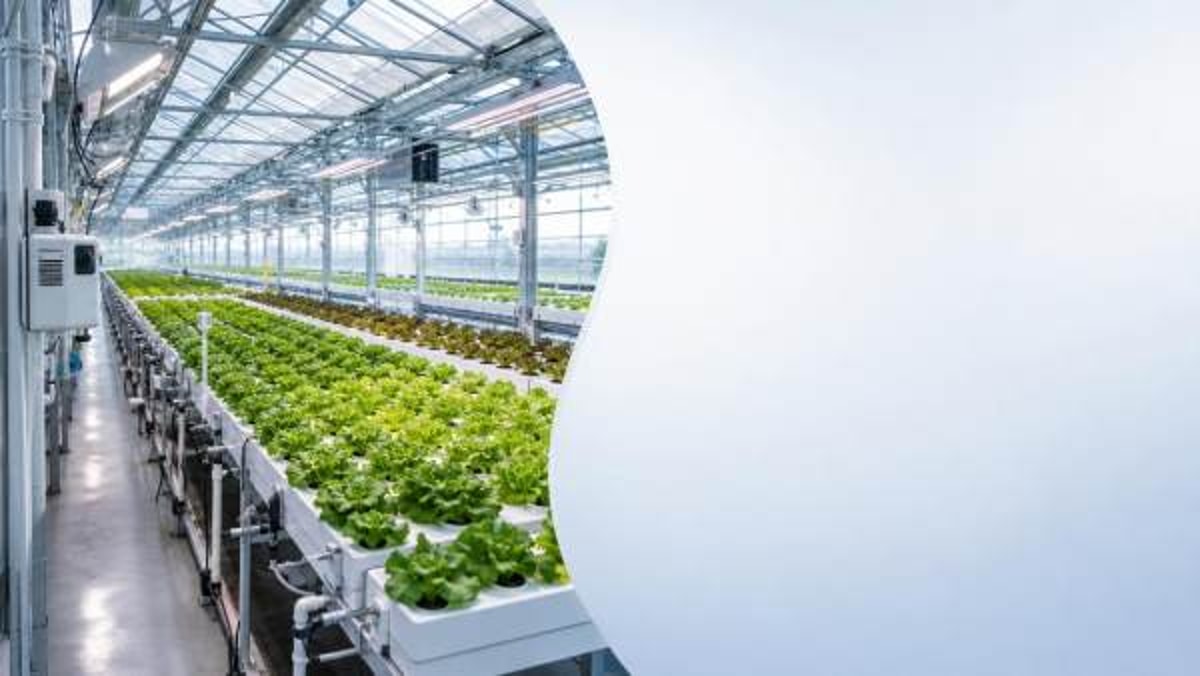
Many growers invest in commercial greenhouse equipment expecting immediate productivity gains, yet some upgrades increase capital and operating costs without improving yield. For business decision-makers, the real challenge is distinguishing essential systems from expensive add-ons that offer limited agronomic return. This article examines where overspending happens, how to evaluate equipment performance, and what procurement criteria truly support profitable greenhouse operations.
Why decision-makers should use a checklist before buying commercial greenhouse equipment
A checklist approach matters because greenhouse underperformance is rarely caused by one missing machine. More often, it comes from a mismatch between crop requirements, climate conditions, labor capability, energy cost, and the selected commercial greenhouse equipment package. In procurement meetings, high-spec systems can appear strategically sound because they signal modernization, automation, and compliance. However, if those systems do not solve the actual production constraint, they become cost centers rather than yield drivers.
For institutional buyers, farm operators, and agribusiness executives, the first question is not which equipment is most advanced. The first question is which bottleneck is limiting marketable output today. If disease pressure, poor irrigation uniformity, weak crop planning, or inadequate staff training is the real problem, then adding premium sensors, oversized climate platforms, or complex conveyance systems may raise depreciation and maintenance costs without increasing sellable volume.
This is why commercial greenhouse equipment should be judged against operational return, not brochure value. A disciplined checklist helps leadership teams compare core systems, avoid emotional purchases, and allocate capital toward measurable performance gains.
First-pass checklist: confirm what actually drives yield in your greenhouse
Before reviewing suppliers or specifications, confirm the production variables that truly influence yield and margin in your facility. Use the following checklist as an internal screening tool.
- Identify the current limiting factor: light, temperature stability, humidity control, fertigation accuracy, pest exclusion, labor efficiency, or post-harvest handling.
- Separate biological yield from marketable yield. A system may increase plant mass but not improve grade, shelf life, or contract fulfillment.
- Check whether the crop has already reached a practical response ceiling under current genetics and management.
- Assess local utility economics. Some commercial greenhouse equipment performs well technically but destroys margin in high-energy regions.
- Review operator skill. Highly automated systems often underperform when calibration, data interpretation, or preventive maintenance is weak.
- Confirm whether the proposed upgrade improves throughput, quality consistency, labor safety, compliance, or only equipment prestige.
If leadership cannot answer these points with production data, the procurement process is premature. In many operations, better irrigation scheduling, crop steering, sanitation discipline, and maintenance routines generate a higher return than new capital equipment.
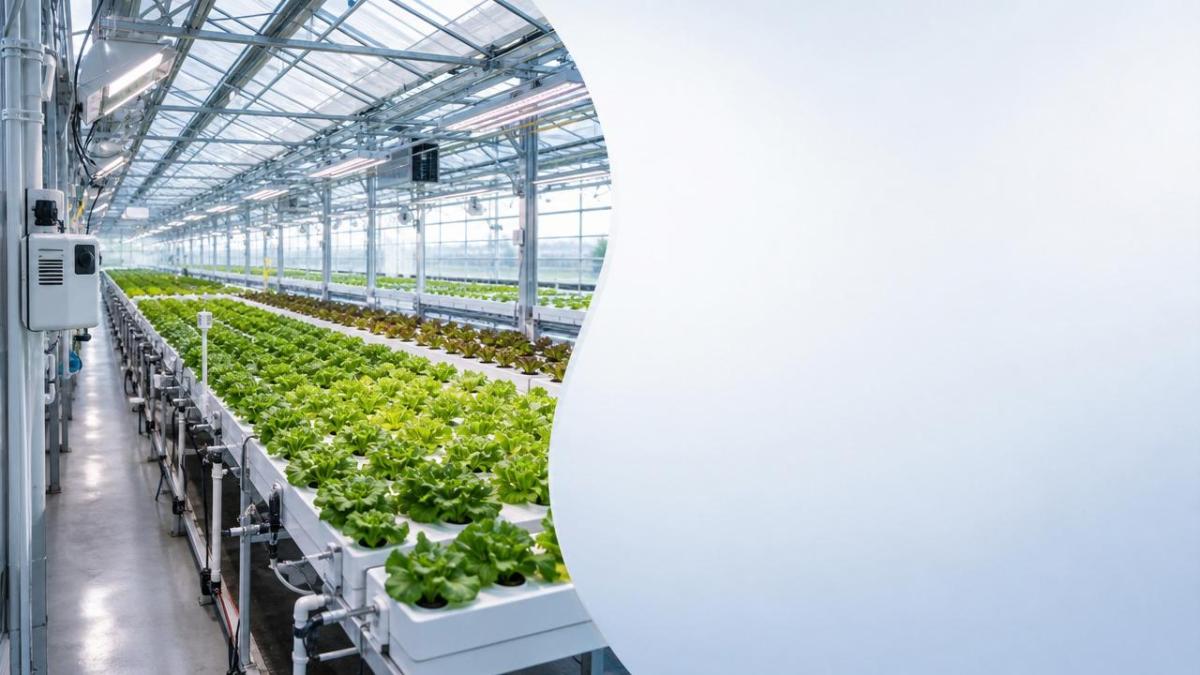
Commercial greenhouse equipment that often adds cost without raising yield
Not all advanced systems are poor investments. The issue is context. The following categories of commercial greenhouse equipment frequently fail to increase yield when selected without a clear production case.
1. Oversized climate control platforms
Integrated climate software, premium sensor arrays, and multi-zone automation can be valuable in large, high-density operations. But in smaller or less technically managed greenhouses, these systems can exceed actual control needs. If the structure itself has poor insulation, air leakage, or uneven airflow, advanced controls may only optimize a flawed environment. In that case, the yield gain is negligible while service contracts, calibration costs, and downtime risk rise.
2. Supplemental lighting without crop-response modeling
Lighting is one of the most misunderstood areas of commercial greenhouse equipment procurement. Buyers often assume more light always means more yield. In reality, the business case depends on crop species, daylength response, local electricity price, market timing, and greenhouse transmissivity. If the crop is not light-limited during the relevant production cycle, or if pricing premiums do not offset energy use, the equipment adds operating cost without real yield improvement.
3. Complex benching and conveyance systems in labor-light operations
Automated bench movement, rolling logistics, and internal transport solutions improve efficiency in large operations with repetitive workflows. But they are not universal yield tools. Where labor cost is moderate, crop mix changes frequently, or production volume is limited, these systems may reduce flexibility more than they improve performance. They can also consume floor area better used for crop production.
4. Redundant water treatment and dosing layers
Water quality matters, but some facilities overbuild treatment trains far beyond source-water risk. Multiple disinfection stages, duplicate dosing skids, or overly complex recirculation control can increase maintenance burden without affecting yield. If incoming water is already stable and the crop system is simple, a streamlined design often performs just as well.
5. Sensor networks that generate data nobody uses
Data-rich commercial greenhouse equipment is attractive to executives because it appears future-ready. Yet if there is no internal protocol for reviewing sensor alerts, correcting setpoints, or linking data to crop decisions, the network becomes an expensive dashboard. Unused data does not increase yield. Good decisions do.
A practical evaluation table for greenhouse equipment decisions
Use this table to compare whether a proposed commercial greenhouse equipment investment supports real agronomic and financial outcomes.
How equipment priorities change by operation type
Commercial greenhouse equipment should not be evaluated the same way across all businesses. Different operating models justify different capital priorities.
High-value produce exporters
These operators often benefit from systems that improve uniformity, phytosanitary control, and scheduling precision. However, even here, yield may not be the only metric. Equipment that reduces rejection rates or preserves contract quality can outperform systems that merely push biomass.
Regional vegetable suppliers
For these businesses, durable irrigation, dependable ventilation, practical heating, and maintenance simplicity often matter more than premium automation. Commercial greenhouse equipment should protect seasonal consistency and avoid expensive technical dependencies.
Nurseries and ornamental growers
Presentation quality, labor movement, and crop timing can matter as much as yield. Some automation can be justified, but only if it supports turnover speed and shrink reduction. High-cost systems marketed as yield enhancers may not match the revenue model.
Commonly ignored cost factors in commercial greenhouse equipment procurement
One reason overspending persists is that purchase evaluations focus too heavily on installed capability and too lightly on operating reality. Decision-makers should verify these often-overlooked cost items before signing.
- Commissioning complexity. A technically strong system can still fail if startup tuning is rushed or poorly localized.
- Service availability. Imported commercial greenhouse equipment may carry long lead times for parts or specialist technicians.
- Software dependency. Subscription fees, remote monitoring charges, and vendor lock-in can materially change total ownership cost.
- Training repetition. Staff turnover means training is not a one-time expense.
- Infrastructure upgrades. New systems may require electrical, water pressure, drainage, or structural modifications not included in supplier quotations.
Execution guide: what to request before approving the purchase
If a greenhouse investment is moving forward, leadership should require a decision package built around measurable evidence. This step is especially important when evaluating commercial greenhouse equipment promoted as a yield solution.
- A baseline performance report showing current yield, grade-out losses, labor input, energy use, and disease events.
- A crop-specific ROI model with best-case, expected, and conservative scenarios.
- A full lifecycle cost estimate covering spare parts, maintenance, utilities, training, and software.
- Reference installations with similar climate, crop type, and management sophistication.
- An adoption plan assigning ownership for calibration, monitoring, and corrective action after installation.
This process shifts the conversation from “What equipment can we buy?” to “What operating result are we paying for?” That is the right frame for capital discipline.
FAQ for business buyers evaluating commercial greenhouse equipment
Is cheaper equipment always the better choice?
No. Low-cost systems can create downtime, uneven environmental control, and hidden repair expense. The goal is not minimal spend; it is the best return per unit of invested capital.
Can automation still be justified if it does not directly raise yield?
Yes, if it reduces labor volatility, improves compliance, lowers crop loss risk, or stabilizes quality. Commercial greenhouse equipment should be assessed on total business value, not yield alone.
What is the biggest procurement mistake?
Buying equipment before identifying the real production constraint. When the problem diagnosis is wrong, even excellent technology produces weak returns.
Final decision checklist and next-step questions
The most effective commercial greenhouse equipment strategy is selective, evidence-based, and aligned with crop economics. Business leaders should prioritize systems that solve verified bottlenecks, fit local operating conditions, and support measurable gains in marketable output, quality consistency, labor efficiency, or risk control. Equipment that looks advanced but lacks a clear response pathway is often where budgets leak.
Before moving to quotation or contract stage, confirm these questions with suppliers and internal teams: Which production constraint will this system fix first? What proof exists under comparable conditions? What are the full operating and service costs over three to five years? What staff capabilities are required? How will success be measured after commissioning? If these answers are incomplete, the purchase decision is not ready. For enterprises seeking the right commercial greenhouse equipment mix, disciplined pre-procurement dialogue is often more valuable than adding another machine.
Related Intelligence
- Smart GreenhouseWorld's First 10,000-Car PCTC Delivered, Launches Smart Greenhouse Sea Freight RouteWorld's first 10,000-car PCTC launched with Smart Greenhouse sea freight route—certified cold-chain shipping from Guangzhou to Dubai, Rotterdam, LA. 18% cost advantage. Act now.
- Smart GreenhouseCommercial greenhouse equipment upgrades that pay back fasterCommercial greenhouse equipment upgrades that cut energy, labor, and crop loss can deliver faster ROI. Discover a finance-first checklist to choose smarter investments with confidence.
- Smart GreenhouseHydroponic growing systems commercial: the hidden labor bottlenecksHydroponic growing systems commercial operations can hide costly labor bottlenecks. Learn where margins leak, how to scale smarter, and what fixes deliver faster ROI.
The Morning Broadsheet
Daily chemical briefings, market shifts, and peer-reviewed summaries delivered to your terminal.
