

The Authority in Global Agricultural Chemistry & Bio-Resources
Commercial greenhouse equipment upgrades that pay back faster
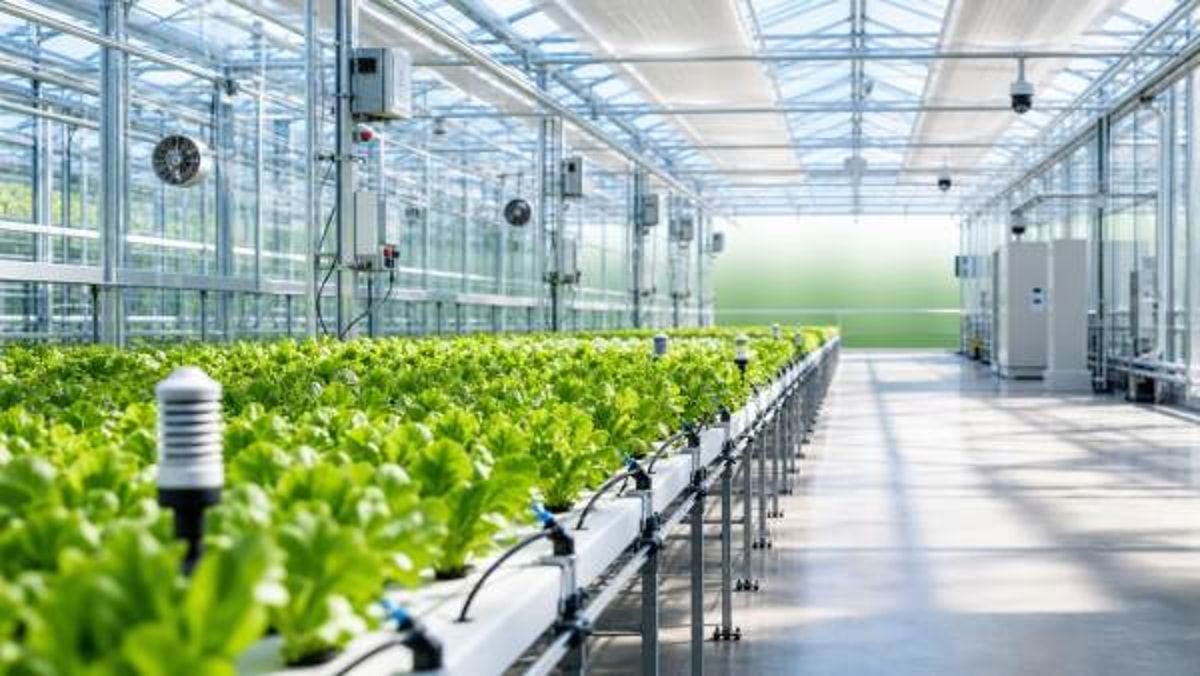
Upgrading commercial greenhouse equipment is no longer just an operational decision—it is a capital allocation strategy that can improve yield consistency, reduce energy waste, and shorten payback periods. For financial decision-makers, the right investments in climate control, irrigation, automation, and monitoring systems can deliver measurable ROI while strengthening production resilience and compliance readiness.
For budget owners, a checklist-based approach is the fastest way to separate attractive proposals from upgrades that only look modern on paper. Commercial greenhouse equipment often competes with other capital projects, so the real question is not whether technology is useful, but which upgrades return cash faster, reduce risk more clearly, and fit the production model without hidden integration costs. A disciplined review process helps finance teams compare projects by payback period, labor impact, maintenance burden, energy intensity, and operational resilience.
Start with the finance-first checklist before approving any upgrade
Before reviewing brands, sensors, or system specifications, confirm whether the proposed commercial greenhouse equipment solves a defined business problem. Faster payback typically comes from removing a bottleneck rather than adding technology for its own sake. Use the following checks as a first-pass filter:
- Identify the current cost center: Is the greenhouse losing margin through energy waste, uneven crop quality, water loss, excessive manual labor, or preventable disease pressure?
- Measure the baseline: Do you have 12 months of data on fuel, electricity, labor hours, yield per square meter, reject rate, and crop cycle duration?
- Define the expected gain: Will the upgrade reduce unit cost, improve throughput, raise saleable yield, or protect output consistency during seasonal swings?
- Check system compatibility: Can the new commercial greenhouse equipment connect to existing controls, irrigation lines, heating assets, and data platforms?
- Model the payback window: Is expected payback under the company’s internal hurdle rate after installation, training, and downtime are included?
- Confirm supplier reliability: Does the vendor provide parts availability, commissioning support, performance documentation, and credible after-sales service?
If a proposal fails two or more of these checks, it usually belongs in a later investment cycle. This is especially important for financial approvers overseeing diversified primary industry budgets where capital discipline matters more than feature depth.
Which commercial greenhouse equipment upgrades usually pay back fastest
Not all upgrades generate equal returns. In most greenhouse environments, the fastest payback comes from systems that cut recurring costs every day rather than from large structural expansions. Financial reviewers should generally prioritize equipment categories in this order.
1. Climate control optimization
High-efficiency ventilation controls, upgraded fans, thermal screens, variable-speed drives, and integrated temperature-humidity automation often produce visible savings first. Heating and cooling are usually major cost drivers, and poor climate uniformity also lowers crop quality. The key judgment standard is simple: if energy spend is high and crop variance is visible across zones, climate upgrades deserve early review.
2. Precision irrigation and fertigation
Irrigation upgrades can reduce water use, fertilizer waste, and disease risk while improving consistency. Automated dosing, recirculation, moisture sensing, and leak detection are especially valuable in operations where manual watering creates uneven growth. For finance teams, these projects are compelling when water, nutrient inputs, and crop losses can all be measured clearly against baseline conditions.
3. Environmental monitoring and alert systems
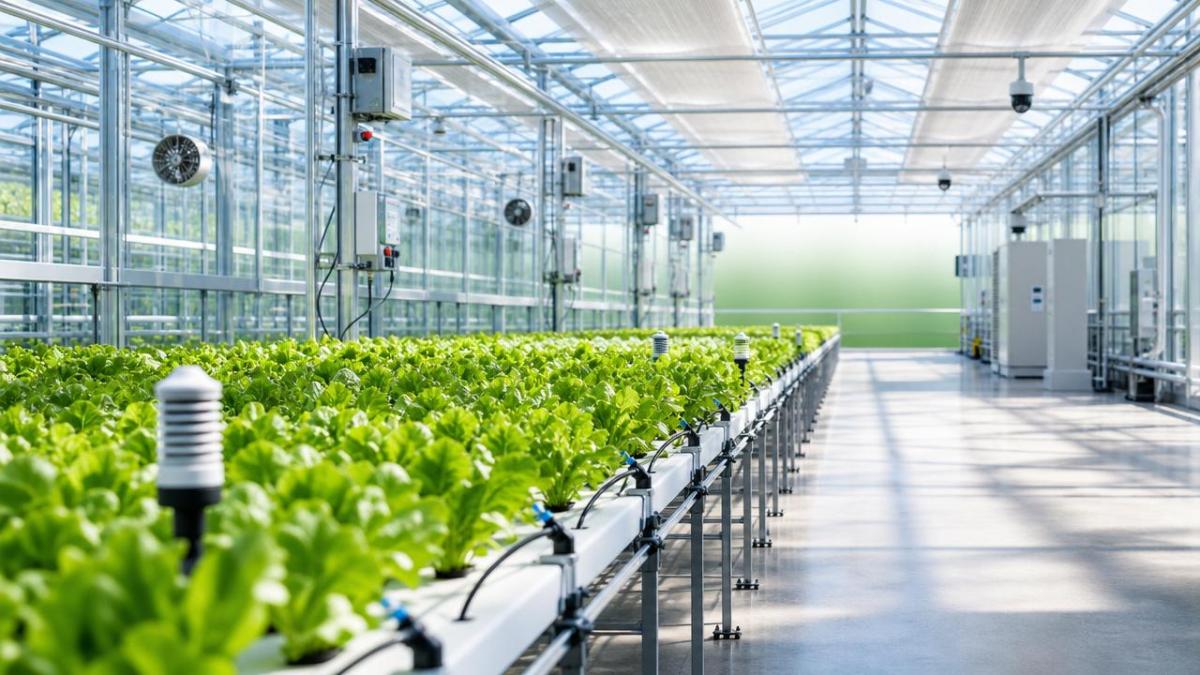
Sensor networks for temperature, humidity, CO2, substrate moisture, and equipment status often have a moderate capital cost but strong risk-reduction value. Their payback accelerates when they prevent crop loss events, equipment failures, or after-hours labor. These systems may not always show the quickest direct savings, but they can protect revenue more effectively than many visible hardware investments.
4. Labor-saving automation
Benching movement systems, seeding lines, transplanting aids, cart automation, and packing support equipment can pay back quickly where labor is expensive, scarce, or variable. The best candidates are repetitive tasks with stable volumes. If staffing shortages regularly affect throughput or crop timing, labor-saving commercial greenhouse equipment should move higher on the approval list.
A practical scoring table for capital approval
Use a simple weighted comparison so operations teams and finance teams evaluate the same priorities. The table below can be adapted for most commercial greenhouse equipment proposals.
How priorities change by greenhouse business model
The same commercial greenhouse equipment can perform very differently depending on what the facility sells, how contracts are structured, and how much variability the customer can tolerate.
Vegetable and fruit producers
Focus first on climate consistency, irrigation precision, and disease prevention. Revenue is strongly tied to marketable yield and uniformity. Faster payback usually comes from reducing reject rates and stabilizing crop timing.
Ornamental growers
Labor-saving handling systems and zoned environmental controls may deserve higher priority. Cosmetic quality standards are strict, and labor often consumes a larger share of operating cost.
Propagation and young plant operations
Monitoring, humidity management, and sanitation-linked irrigation controls often outperform larger mechanical upgrades. Small losses in early-stage plant material can create large downstream revenue impacts.
Highly regulated or export-oriented facilities
Data logging, traceability, alarm history, and environmental documentation become more financially important. In these settings, commercial greenhouse equipment should be judged not only on operating savings but also on audit readiness and customer confidence.
Commonly overlooked costs that distort payback calculations
Many greenhouse projects appear attractive because the capital estimate is incomplete. Financial approvers should insist on a full-cost view before signing off.
- Electrical, plumbing, and controls integration work is often excluded from the initial equipment quote.
- Staff training time can temporarily lower productivity, especially with new automation workflows.
- Spare parts and service contracts may be essential for uptime but omitted from ROI models.
- Data-rich systems create value only if someone reviews the alerts and acts on them consistently.
- Poor installation timing can disrupt crop cycles, extending the true payback period.
A good rule is to stress-test every proposal with a conservative case, a base case, and a downside case. If the project still clears your internal threshold under realistic assumptions, the business case is much stronger.
Execution checklist for faster, safer implementation
Even well-selected commercial greenhouse equipment can underperform if implementation is rushed. Approvals should be tied to an execution plan, not just a purchase order.
- Request a documented baseline of current operating metrics before installation.
- Require a commissioning schedule that avoids peak production periods.
- Define who owns data review, alarm response, and preventive maintenance.
- Set 30-, 90-, and 180-day performance checkpoints against original savings assumptions.
- Ask the supplier for references in facilities with similar crop type, climate, and scale.
- Ensure warranty terms, service response times, and parts lead times are contractually clear.
FAQ for financial approvers reviewing commercial greenhouse equipment
What is the best first upgrade when capital is limited?
Usually the answer is the system linked to the largest measurable recurring loss. In many facilities, that means climate control optimization or precision irrigation rather than a broad automation package.
How short should payback be for approval?
That depends on internal policy, but projects with direct utility or labor savings generally need shorter payback than projects justified mainly by risk reduction. Finance teams should evaluate strategic resilience benefits separately instead of forcing all upgrades into the same return logic.
How can suppliers make the business case stronger?
By providing baseline assumptions, installation scope, reference data, expected maintenance needs, and scenario-based savings models. The clearer the operational evidence, the easier it is to approve commercial greenhouse equipment with confidence.
What to prepare before the next vendor conversation
If your team is evaluating commercial greenhouse equipment, prepare five items first: current utility spend, labor allocation by task, crop loss and reject data, system compatibility notes, and target payback thresholds. These inputs make it possible to compare proposals objectively and shorten internal approval cycles. They also help suppliers recommend upgrades that fit your greenhouse reality instead of overselling generic technology.
For finance-led organizations, the best equipment upgrade is rarely the most complex one. It is the one that addresses a documented cost or risk, integrates cleanly, and proves value quickly through measurable savings or protected output. If you need to validate parameters, implementation timing, budget range, service scope, or facility fit, the next discussion should focus on baseline metrics, installation dependencies, and the exact assumptions behind projected ROI.
Related Intelligence
- Smart GreenhouseWorld's First 10,000-Car PCTC Delivered, Launches Smart Greenhouse Sea Freight RouteWorld's first 10,000-car PCTC launched with Smart Greenhouse sea freight route—certified cold-chain shipping from Guangzhou to Dubai, Rotterdam, LA. 18% cost advantage. Act now.
- Smart GreenhouseCommercial greenhouse equipment upgrades that pay back fasterCommercial greenhouse equipment upgrades that cut energy, labor, and crop loss can deliver faster ROI. Discover a finance-first checklist to choose smarter investments with confidence.
- Smart GreenhouseHydroponic growing systems commercial: the hidden labor bottlenecksHydroponic growing systems commercial operations can hide costly labor bottlenecks. Learn where margins leak, how to scale smarter, and what fixes deliver faster ROI.
The Morning Broadsheet
Daily chemical briefings, market shifts, and peer-reviewed summaries delivered to your terminal.
