

The Authority in Global Agricultural Chemistry & Bio-Resources
When combine harvesters wholesale saves money and when it does not
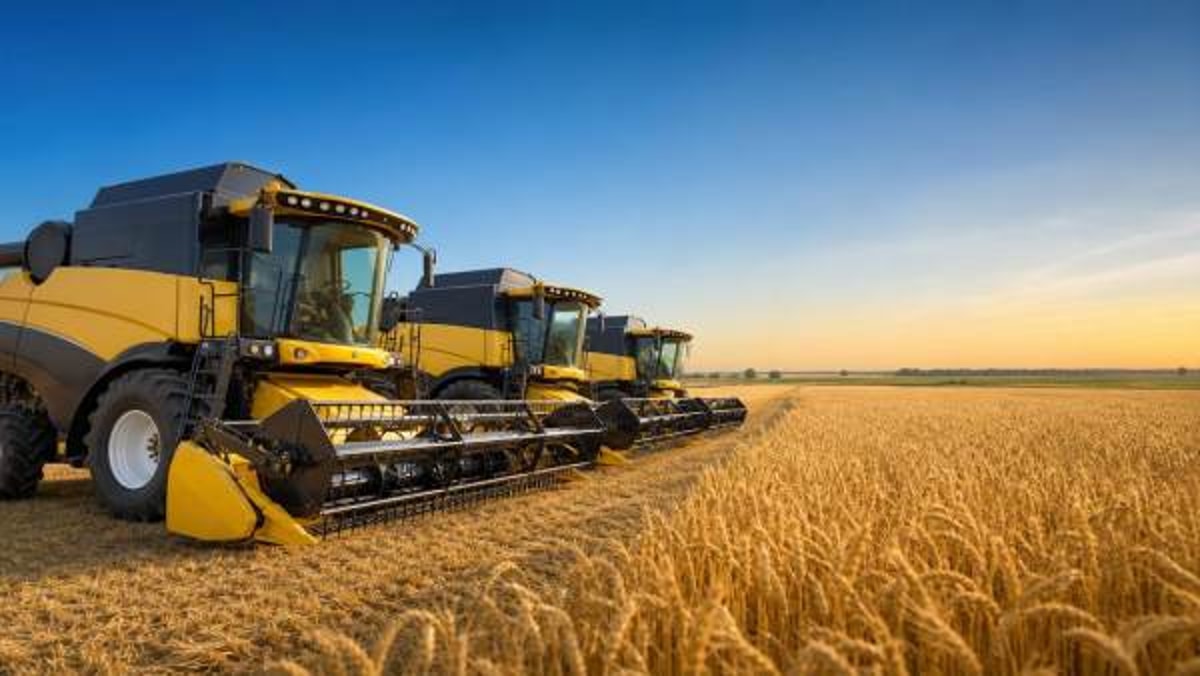
Buying combine harvesters wholesale can deliver real savings for procurement teams, but only under the right cost, lifecycle, and supplier conditions. This article examines when bulk purchasing improves unit economics, spare-parts planning, and fleet standardization—and when hidden risks such as storage, financing, specification mismatch, or after-sales gaps can erase those gains.
What does combine harvesters wholesale really mean for a procurement team?
In practice, combine harvesters wholesale does not simply mean ordering “more machines at a lower sticker price.” For professional buyers, it usually refers to structured fleet procurement from manufacturers, authorized exporters, or large equipment distributors under volume terms. Those terms may include unit discounts, bundled attachments, training, spare-parts packages, telematics support, warranty extensions, and delivery scheduling across multiple farms or regions.
This matters because the financial outcome of wholesale buying depends less on headline discounting and more on total ownership design. A 6% unit discount can be attractive, but if the machines require fragmented parts sourcing, have poor local service support, or are mismatched to crop conditions, the net result may be worse than buying fewer units from a stronger service network.
For institutional buyers in agriculture, plantation operations, contract harvesting businesses, and integrated grain processors, the core question is not “Can we get a lower price?” It is “Will combine harvesters wholesale lower our total cost per harvested hectare over the full machine lifecycle?” That shift in framing leads to better decisions.
When does combine harvesters wholesale actually save money?
The strongest case for combine harvesters wholesale appears when procurement scale aligns with real operating demand. If your organization manages multiple harvest windows, geographically distributed farms, or standardized crop systems, bulk purchasing can produce meaningful savings in at least five areas.
First, volume negotiations often improve the landed price per unit. This does not only affect the base machine. Buyers may gain better terms on headers, threshing configurations, grain tanks, tires or tracks, operator cabins, and digital monitoring systems. For large buyers, logistics consolidation can also reduce shipping and inland transport costs.
Second, standardized fleets reduce maintenance complexity. If a company runs the same or closely related combine models, technicians need fewer diagnostic tools, operators learn faster, and spare-parts forecasting becomes more accurate. That can lower downtime during peak harvest, which is often more valuable than the purchase discount itself.
Third, wholesale procurement supports better parts inventory planning. Instead of stocking a wide mix of belts, bearings, sieves, chains, sensors, and hydraulic components for many unrelated machines, procurement teams can negotiate common parts kits. This improves parts turnover and reduces emergency sourcing at premium prices.
Fourth, training becomes more efficient. One training program for operators, field mechanics, and fleet supervisors can serve multiple sites. In large harvesting programs, fewer operator errors can protect fuel efficiency, grain loss rates, and wear life.
Fifth, buyers with strong planning discipline can align wholesale orders with financing cycles and seasonal deployment. If the machines enter service quickly and generate revenue or operational value immediately, the economics of combine harvesters wholesale become much more compelling.
Which buyers are most likely to benefit from combine harvesters wholesale?
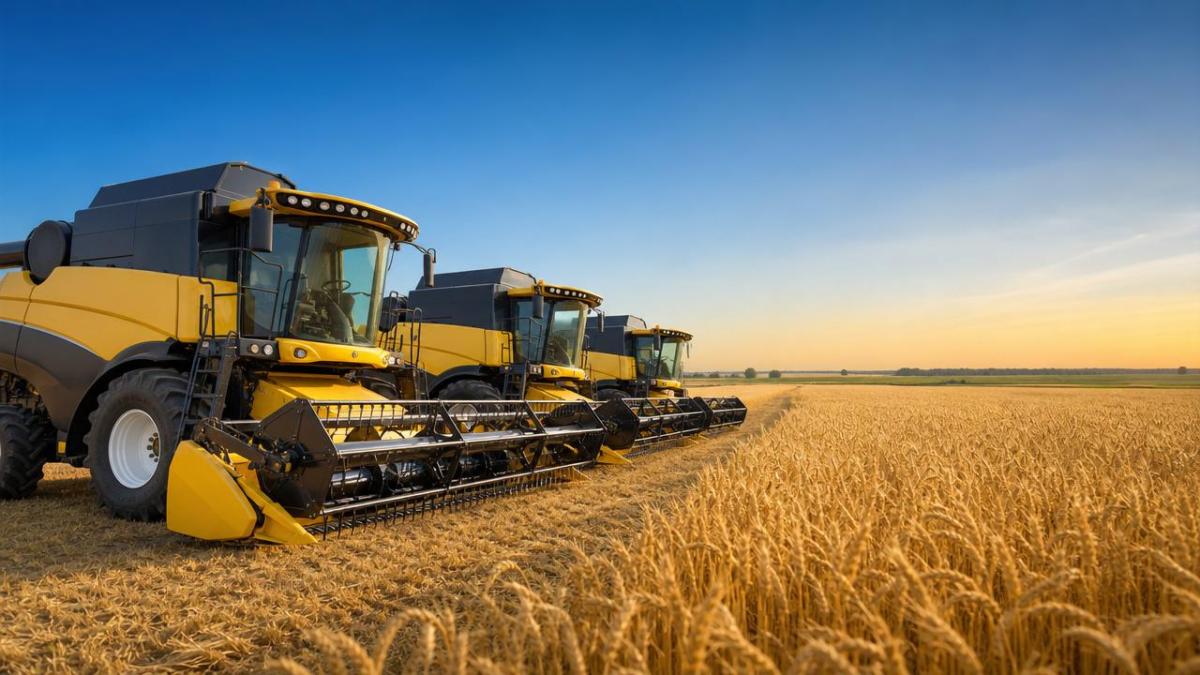
Not every buyer should purchase in bulk. The model works best for organizations that can absorb and utilize capacity efficiently. Large farming groups are the most obvious fit, especially when they manage similar crops across multiple sites and can transfer machines between harvest zones. Contract harvesting firms also benefit because fleet consistency supports scheduling, staffing, and field service.
Agro-industrial groups with grain handling, drying, storage, or feed processing assets may also gain from combine harvesters wholesale. In those operations, delays in harvesting create ripple effects through logistics and processing capacity. A reliable, standardized fleet can protect the wider supply chain.
Procurement teams serving dealer networks or export channels may use wholesale buying to secure inventory ahead of demand peaks. However, this only works if they have sufficient market visibility and a strong after-sales infrastructure. Buying ahead without accurate demand forecasting turns a potential saving into a balance-sheet burden.
Smaller farms, mixed-crop operations with highly varied conditions, or buyers in regions with uncertain service support should be more cautious. For them, a flexible mix of leased units, seasonal rentals, or selective direct purchases may outperform a bulk acquisition strategy.
When does combine harvesters wholesale fail to save money?
The most common failure point is overbuying. Procurement teams sometimes focus on discount tiers and ignore actual annual machine utilization. If harvest windows are short, field conditions are inconsistent, or labor availability limits deployment, extra combines may sit idle for most of the year. Idle equipment still consumes capital, depreciation, insurance, storage space, and sometimes battery and fluid maintenance.
Another risk is specification mismatch. A low wholesale price on a machine configured for one crop type or terrain may become expensive if it performs poorly in local conditions. Header width, grain handling capacity, separator design, engine performance, unloading rate, flotation, and residue management all affect field productivity. In other words, the wrong machine bought wholesale is still the wrong machine.
After-sales weakness is another major reason combine harvesters wholesale does not pay off. During harvest, machine downtime is extremely costly. If the supplier lacks local technicians, emergency parts stock, remote diagnostics, or clear warranty escalation, a discounted fleet can quickly become a liability.
Financing can also erase savings. If procurement relies on expensive short-term credit, foreign exchange exposure, or payment schedules that do not match harvest cash flow, the total financing burden may outweigh the bulk discount. This is especially true in volatile commodity markets where crop prices can move sharply between order placement and harvest realization.
Finally, storage and preservation are often underestimated. New combines waiting months before deployment require controlled storage, inspection routines, and protection against corrosion, tire deformation, battery decline, and electronic issues. Those hidden costs are rarely visible in supplier quotations.
What should buyers compare before deciding on combine harvesters wholesale?
Before signing any bulk machinery agreement, procurement teams should compare more than unit price. A structured decision matrix helps reveal whether combine harvesters wholesale creates true operating value or simply shifts costs into other categories.
This kind of comparison protects buyers from a common mistake: choosing a supplier based on discount percentage rather than operational fit. Procurement quality improves when technical, commercial, and service criteria are weighted together.
What hidden costs are often missed in wholesale combine purchases?
Several hidden costs sit outside the quotation but strongly influence the final economics of combine harvesters wholesale. One is commissioning cost. Imported or regionally distributed units may require assembly, pre-delivery inspection, calibration, software setup, and local compliance checks. These steps consume time and labor, especially across multiple sites.
Another is onboarding cost. A standardized fleet only generates value if operators use it correctly. Training, supervision, field setup, and early-season troubleshooting should be treated as part of the procurement case, not as an afterthought. Poor onboarding can increase wear, fuel consumption, and harvest losses.
Residual value risk also deserves attention. Some combine brands or specifications hold value better in the resale market. If a procurement team buys an obscure model in bulk because the initial price is attractive, exit value may be weak later. For many buyers, resale economics are part of the true wholesale calculation.
There is also the management cost of complexity. A bulk order spread across jurisdictions may involve customs, documentation, serial-number tracking, warranty registration, and insurance coordination. If the internal team is not prepared, transaction friction can undermine expected savings.
How can procurement teams tell whether combine harvesters wholesale is the right strategy now?
A practical test is to evaluate timing, utilization, and service readiness together. If your operation can deploy most units within one harvest cycle, has crop and acreage visibility, and can secure reliable support coverage, then combine harvesters wholesale may be strategically sound. If one of those conditions is weak, caution is warranted.
It also helps to compare wholesale buying with realistic alternatives, not with list-price retail alone. A proper benchmark should include phased purchasing, lease-to-own structures, dealer inventory programs, used-equipment supplementation, and mixed-brand replacement plans. Sometimes the best answer is not a full wholesale commitment but a staggered fleet refresh that preserves flexibility.
Procurement teams should ask for field performance evidence, not just brochures. Site references, uptime records, maintenance intervals, fuel data, and parts fill rates are more valuable than promotional claims. In industrial agriculture, evidence-based sourcing reduces the risk of buying too early, too broadly, or on incomplete technical assumptions.
What are the most common buyer mistakes with combine harvesters wholesale?
The first mistake is treating all savings as purchase-price savings. In reality, the biggest gains often come from fleet commonality, uptime protection, and better maintenance planning. The second mistake is using generic specifications across different crops or terrains. Wholesale procurement should simplify operations, not ignore agronomic variation.
The third mistake is underestimating supplier quality. Buyers sometimes focus on manufacturing claims but fail to test delivery reliability, training capability, and spare-parts responsiveness. The fourth is poor internal coordination between procurement, operations, finance, and field maintenance teams. A bulk machinery purchase crosses all four functions, and weak alignment usually leads to hidden cost escalation.
The fifth mistake is ignoring scenario planning. Commodity prices, weather disruptions, labor shortages, and freight delays can change the economics of combine harvesters wholesale quickly. A robust sourcing decision includes upside and downside cases, not just a best-case assumption.
What should you confirm with suppliers before moving forward?
Before moving ahead, buyers should confirm a short list of critical issues in writing: exact machine configuration by crop and region, lead time by batch, parts package scope, warranty terms, technician response commitments, operator training coverage, commissioning responsibilities, and financing structure. For cross-border deals, documentation, compliance, and Incoterms should also be reviewed carefully.
The best combine harvesters wholesale decisions are not driven by discount pressure alone. They come from disciplined comparison of total cost, field suitability, support strength, and deployment timing. If you need to validate a specific procurement plan, the first topics to discuss are expected utilization per unit, crop-specific configuration, spare-parts availability during peak harvest, payment timing, and who is accountable when a machine goes down in the field. Those answers usually reveal whether bulk buying will truly save money—or only appear to.
Related Intelligence
- Heavy Agri MachineryPrecision farming systems: where farms see gains firstPrecision farming systems deliver early gains through tighter input control, better field visibility, and faster decisions. See which farm scenarios create the quickest ROI first.
- Heavy Agri MachineryHeavy duty tractors wholesale: which warranty terms deserve a closer lookHeavy duty tractors wholesale buyers should review warranty terms closely. Compare powertrain coverage, exclusions, response times, and cross-border support to reduce risk and protect uptime.
- Heavy Agri MachineryCorn picker machines bulk orders: what changes after harvest seasonCorn picker machines bulk orders change fast after harvest—compare pricing, lead times, customization, and regional demand to secure smarter deals and stronger margins.
The Morning Broadsheet
Daily chemical briefings, market shifts, and peer-reviewed summaries delivered to your terminal.
