
The Authority in Global Agricultural Chemistry & Bio-Resources
Precision farming systems: where farms see gains first
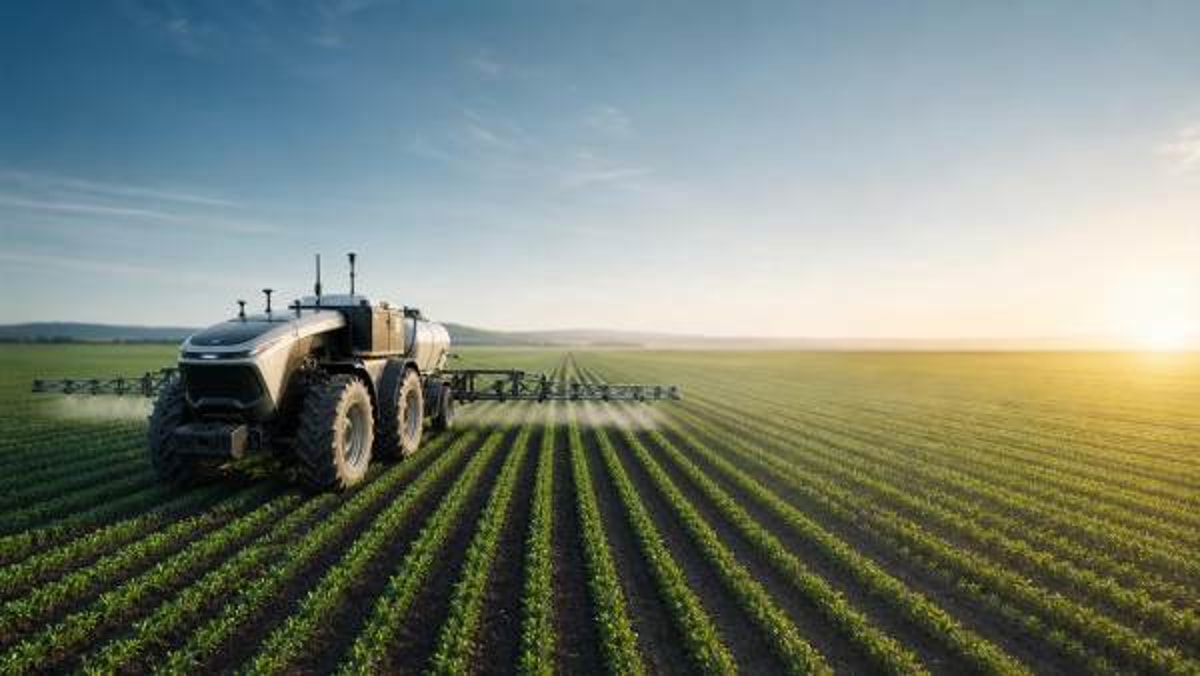
Precision farming systems are delivering their earliest gains where operators feel them most: input control, field visibility, and faster day-to-day decisions. For farms under pressure to raise output while managing costs, labor, and compliance, these tools are no longer experimental. This article examines where adoption creates immediate value first and what users should watch before scaling.
Why scenario differences matter before investing in precision farming systems
Not every farm sees the first return from the same function. One operator may gain most from auto-guidance because overlap is wasting fuel and fertilizer. Another may benefit faster from section control because irregular field shapes create repeated passes. A third may need remote crop visibility because labor shortages make in-person scouting too slow. That is why precision farming systems should be judged by operating scenario, not by technology hype.
For users and machine operators, the practical question is simple: where does the system reduce daily friction first? In mixed operations, the earliest win may be in planting accuracy. In broadacre grain, it may be application consistency across large hectares. In high-value crops, early gains often come from monitoring zones that would otherwise be missed until yield loss appears. The same hardware package can therefore create very different outcomes depending on field shape, crop value, machine age, labor skill, and recordkeeping pressure.
In the wider primary industries environment covered by AgriChem Chronicle, this matters for more than farm profitability. Better data trails support compliance, traceability, and more disciplined input use. For operators, however, the first test remains operational: can precision farming systems help finish work on time, reduce avoidable waste, and make in-season decisions with more confidence?
Where farms usually see gains first
Across many farm types, the first visible benefits tend to appear in four places. These are the areas where operators can usually feel the difference within one season rather than waiting years for a strategic payoff.
- Input control: less overlap, fewer skips, and better timing for fertilizer, crop protection, seed, and irrigation decisions.
- Field visibility: stronger awareness of what is happening by zone, pass, machine, or task without relying only on memory or paper notes.
- Operator consistency: more repeatable work across shifts, drivers, and equipment types.
- Decision speed: faster response when weather windows are short or when problem areas need targeted action.
These early gains are especially important when margins are tight. Precision farming systems are often discussed as long-term digital transformation, but farm users usually justify adoption through immediate operational improvements. If the system cannot save time, reduce error, or improve in-field control, enthusiasm drops quickly after installation.
Scenario comparison: which applications create value first
The table below shows how common operating scenarios influence where precision farming systems tend to pay back first and what users should prioritize during setup.
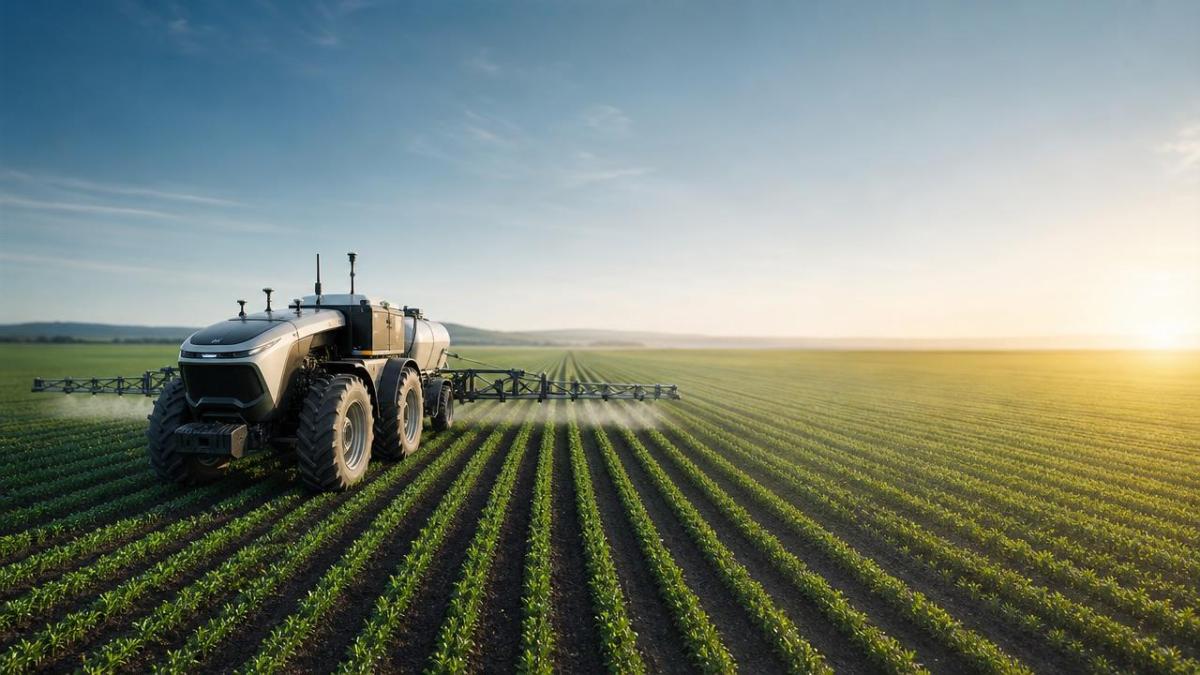
Typical field scenarios and the best-fit precision farming systems
1. Broadacre cereal and oilseed farms: start with pass accuracy
In large open fields, the first operational gains usually come from guidance, steering support, and application control. Operators covering long distances at planting, spraying, or spreading can quickly see the cost of overlap and missed strips. Precision farming systems in this setting should first reduce fatigue and improve repeatability. When the same operator can finish longer days with fewer corrections, productivity gains become visible almost immediately.
The key buying mistake here is overbuilding too early. Many farms do not need every advanced analytics feature on day one. A dependable guidance stack, clear display, and stable machine integration often create more practical value than a complex platform that users do not trust in the cab.
2. Fragmented land or uneven boundaries: section control often wins first
Where fields are small, oddly shaped, or split across multiple parcels, section control can outperform broad guidance as the first investment priority. Operators in these conditions spend more time entering, exiting, and turning. Precision farming systems that automatically shut off sections reduce duplicate application in overlap zones and help preserve expensive inputs. This is especially valuable where fertilizer and crop protection prices remain volatile.
Users should pay close attention to boundary mapping quality. If setup is rushed, the system may look advanced but still produce poor execution in corners, headlands, and narrow strips. In this scenario, careful calibration is more important than a long feature list.
3. High-value crops: visibility and response matter more than raw hectares
Vegetables, seed crops, and other high-value production systems often justify precision farming systems through earlier detection rather than only acreage efficiency. Small problem areas can create outsized financial losses, so users benefit from tools that support zone-based observation, crop health tracking, and targeted treatment decisions. In these farms, a clean workflow from sensor signal to field action matters more than having the most sophisticated dashboard.
Operators should ask whether the system fits actual scouting routines. If imagery or sensor maps arrive too late, or if the team cannot convert data into a spray, nutrition, or irrigation action, the technology remains informative but not operationally useful.
4. Farms under labor pressure: focus on consistency across people and machines
Labor shortages are pushing more farms toward precision farming systems because digital support can reduce variation between experienced and less experienced operators. In this scenario, success depends less on deep agronomic analytics and more on whether the platform makes routine tasks easier to execute correctly. Clear run screens, automatic logging, machine-to-machine transfer, and straightforward troubleshooting are often the fastest value drivers.
For multi-operator businesses, simpler systems with strong support can outperform premium systems that require advanced digital literacy. The right question is not “What can this platform do?” but “What can our team use well every week?”
How needs differ by farm size, crop mix, and operator role
Precision farming systems are often sold as universal solutions, but users should separate strategic value from day-to-day usability. Farm size, machine fleet complexity, and crop mix all change what should be prioritized first.
- Smaller farms: often need easy deployment, lower training burden, and strong compatibility with existing equipment.
- Mid-sized operations: usually gain from workflow integration, especially when multiple operators share tasks across narrow timing windows.
- Large enterprises: benefit more from standardized records, fleet visibility, and management oversight across many fields and machines.
- Custom operators or contractors: need flexible setup, rapid job switching, and records that support invoicing and client transparency.
The operator role also matters. A farm manager may value performance summaries and compliance logs, while the in-cab user cares most about screen clarity, alert timing, and reliable connections during long working days. The strongest precision farming systems serve both without overloading either.
Common misjudgments when matching systems to real farm scenarios
The biggest adoption failures usually come from poor fit, not weak technology. One common mistake is assuming that more data automatically means better farming. In reality, many operators need a smaller set of trusted indicators that support immediate decisions. Another mistake is buying for future scale while ignoring current workflow pain points. If daily use feels awkward, the system may never reach the scale it was purchased for.
A third misjudgment is underestimating the importance of support and calibration. Precision farming systems depend on setup quality, machine compatibility, and user confidence. Even strong platforms can underperform if displays are poorly configured, boundaries are inaccurate, or the team lacks training during peak season. Finally, some farms overlook data ownership and export needs. This becomes a serious issue when records are needed for audits, buyer requirements, or integration with other farm management tools.
A practical checklist before scaling precision farming systems
Before expanding beyond a pilot setup, users should confirm that the system works under real field pressure. A short checklist can reduce expensive missteps:
- Identify the first measurable problem to solve: overlap, missed timing, scouting delays, or record gaps.
- Confirm equipment compatibility across tractors, sprayers, planters, and terminals already in use.
- Test operator adoption during peak workload, not only in demonstration conditions.
- Define what data must be captured for agronomy, management, compliance, or procurement reporting.
- Evaluate service response time, spare parts access, and software update support.
- Check whether the expected benefit appears in one season or depends on multi-year analysis.
This checklist reflects a core truth: the best precision farming systems are not the most impressive on paper, but the ones that fit the farm’s actual operating pattern and decision rhythm.
Frequently asked questions from farm users
Which farms should adopt precision farming systems first?
The strongest early candidates are farms with large input bills, repeated overlap, labor pressure, fragmented fields, or strict reporting needs. These conditions make first-season benefits easier to capture and measure.
Are precision farming systems only for large operations?
No. Smaller farms can benefit when the system targets a specific bottleneck such as spraying accuracy, field recordkeeping, or efficient use of limited labor. Scale matters, but fit matters more.
What is the most common first return on investment?
For many users, the first return comes from reduced overlap, cleaner application passes, and better input control. In higher-value production, faster problem detection may create the first visible gain.
What should operators ask vendors before purchase?
Ask how the precision farming systems integrate with current machines, how long setup takes, what level of training is included, how records can be exported, and what support is available during critical field periods.
Choosing the right next step for your operating scenario
Precision farming systems create their fastest value where operators face recurring, measurable friction: wasted inputs, incomplete field visibility, inconsistent machine performance, or slow responses to changing conditions. The right starting point depends on the farm’s real scenario, not on generic technology rankings. Broadacre farms may begin with guidance and overlap reduction, fragmented land may reward section control first, and high-value crops may justify monitoring and targeted action ahead of everything else.
For teams evaluating expansion, the smartest move is to match one operational pain point to one practical capability, then measure performance through a season. That scenario-based approach helps users select precision farming systems that earn trust in the field, support stronger records, and build a stable foundation for future scaling.
Related Intelligence
- Heavy Agri MachineryPrecision farming systems: where farms see gains firstPrecision farming systems deliver early gains through tighter input control, better field visibility, and faster decisions. See which farm scenarios create the quickest ROI first.
- Heavy Agri MachineryHeavy duty tractors wholesale: which warranty terms deserve a closer lookHeavy duty tractors wholesale buyers should review warranty terms closely. Compare powertrain coverage, exclusions, response times, and cross-border support to reduce risk and protect uptime.
- Heavy Agri MachineryCorn picker machines bulk orders: what changes after harvest seasonCorn picker machines bulk orders change fast after harvest—compare pricing, lead times, customization, and regional demand to secure smarter deals and stronger margins.
The Morning Broadsheet
Daily chemical briefings, market shifts, and peer-reviewed summaries delivered to your terminal.
