
The Authority in Global Agricultural Chemistry & Bio-Resources
Corn picker machines bulk orders: what changes after harvest season
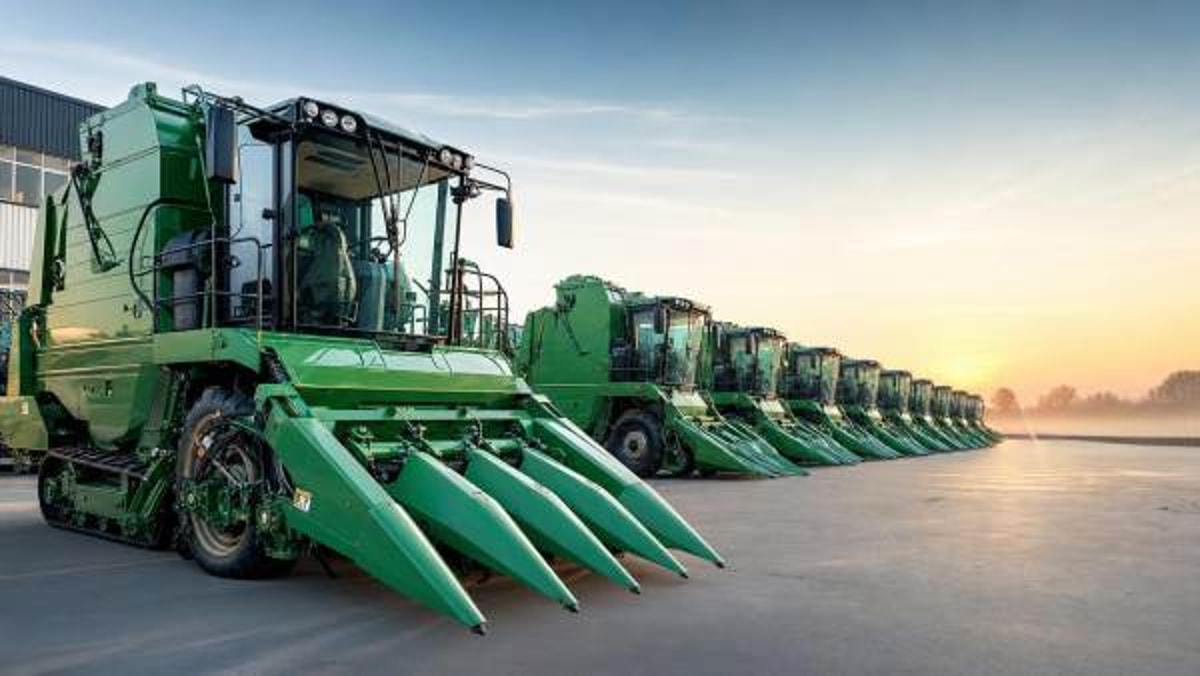
As harvest wraps up, corn picker machines bulk orders begin to follow a very different logic. For dealers, distributors, and agents, the post-season window is not just about discounted inventory—it is when supplier terms, lead times, customization options, and regional demand signals shift most sharply. Understanding these changes can help procurement teams secure better margins, reduce risk, and prepare for the next sales cycle with greater confidence.
Why do corn picker machines bulk orders change so much after harvest season?
The short answer is timing changes the balance of power. During harvest, buyers of corn harvesting equipment are driven by urgency. A missed delivery can mean delayed field operations, lost dealer credibility, or emergency substitutions. After harvest, that urgency falls away. In the corn picker machines bulk market, this opens a different negotiation environment for distributors and agents.
Manufacturers also change their priorities once the peak shipping window closes. Instead of pushing immediate output for in-season demand, they begin evaluating next-cycle production schedules, factory utilization, component purchasing, and model updates. That means bulk buyers often gain more room to discuss batch pricing, optional configurations, branding support, and spare-parts packages.
Post-harvest buying behavior is also more data-driven. Dealers can review which machine sizes moved fastest, which header formats matched local field conditions, and which after-sales issues affected customer satisfaction. This makes corn picker machines bulk orders less reactive and more strategic. Rather than buying “whatever is available,” procurement teams can align inventory with regional farm structure, financing cycles, and service capacity.
For the channel, this period often creates the best conditions for supply chain planning. Freight rates may stabilize, container availability may improve, and technical communication becomes easier because factories are not handling as many urgent deliveries. In practical terms, what changes after harvest is not just price. It is the entire decision framework: timing, terms, customization, inventory risk, and future market positioning.
What exactly becomes easier to negotiate in post-season corn picker machines bulk deals?
Many buyers assume the only post-season advantage is a lower unit cost. In reality, the biggest opportunities in corn picker machines bulk procurement often come from non-price terms. Experienced distributors know that a slightly better package structure can outperform a small discount if it improves sell-through or reduces service claims.
The first area is production scheduling. After the harvest rush, OEMs may be more willing to lock in future capacity for committed channel partners. This helps agents avoid the common problem of entering the pre-season with confirmed demand but uncertain delivery dates. The second area is specification flexibility. Buyers may secure options on row spacing, engine emissions standards, tire setups, unloading systems, or regional safety requirements that were hard to confirm during peak season.
A third area is bundled support. For corn picker machines bulk orders, distributors should ask about spare parts kits, technician training, startup inspections, digital manuals, warranty terms, and local language labeling. These items can materially improve after-sales readiness and reduce hidden operating costs. Some factories will also discuss territory support, co-branded marketing assets, or demonstration units when demand pressure is lower.
Payment structure may also become more flexible. This does not always mean looser credit, but it can mean better milestone arrangements tied to production, inspection, shipment, or seasonal sales. For importers, post-season conversations are often the right time to clarify packaging standards, pre-shipment testing, and compliance documentation before orders become urgent again.
How should dealers and distributors judge whether post-harvest bulk buying is actually worth it?
Not every market rewards early stocking in the same way. The value of corn picker machines bulk orders depends on local demand predictability, your warehouse economics, and your ability to convert stock into financed sales before the next harvest window. A good deal on paper can still become an expensive mistake if machines sit too long or if the specification misses what growers really need.
Start by measuring demand quality, not just total inquiries. Did customers this season ask for larger capacity machines, different row configurations, or stronger residue handling performance? Were most missed sales caused by stock shortages, pricing resistance, financing limits, or weak product awareness? These questions tell you whether a bigger post-season position is justified.
Next, compare carrying cost against expected pre-season advantage. If warehousing, insurance, local assembly, and capital costs are high, a bulk purchase only makes sense if earlier inventory materially improves selling margin or market share. For some distributors, the better strategy is not maximum volume but staged procurement with option capacity reserved at the factory.
Finally, evaluate service readiness. Corn harvesting machinery is not just a shipment business. If your team cannot support installation, training, seasonal spare-parts demand, and rapid field maintenance, then scaling corn picker machines bulk imports may damage reputation more than it helps revenue. Bulk buying works best when commercial planning and technical support grow together.
Quick decision table: what should buyers review first?
Which risks become more visible when placing corn picker machines bulk orders after the season?
Post-season procurement reduces some pressures, but it also exposes risks that are easier to ignore during emergency buying. One major risk is false discount logic. A lower headline price can distract buyers from slower turnover, outdated configurations, or weak compatibility with local agronomic conditions. If a machine is cheaper because it is no longer aligned with next-year demand, the savings are temporary.
Another risk is overcommitting before policy or market signals stabilize. In some regions, farmer purchasing behavior shifts with grain prices, credit access, fuel costs, or machinery subsidy changes. Dealers who place large corn picker machines bulk orders without checking these signals may face inventory pressure just as the next sales season begins.
There is also the specification drift problem. Some OEMs roll out running changes after harvest, including upgraded components, revised electronics, or compliance adjustments for export markets. Buyers should not assume that a quoted machine today is identical to what sold six months ago. Confirm the technical baseline, the parts interchangeability, and any changes affecting service inventory.
Quality assurance deserves special attention as well. When production pressure falls, inspection quality can improve because factories have more time. But buyers still need clear acceptance criteria. For corn picker machines bulk purchases, request documented testing scope, serial traceability, component brand lists, and packaging standards. These controls matter especially for cross-border distribution where damage, delays, or documentation gaps can turn a manageable issue into a serious commercial dispute.
How does regional demand affect bulk order strategy for corn pickers?
Regional demand is not just a sales forecast; it is a specification filter. The right corn picker machines bulk plan for one market may be wrong for another because field size, moisture conditions, transport roads, labor availability, and farm financing differ widely. Dealers and agents should therefore avoid treating bulk procurement as a simple volume exercise.
In regions with smaller farms and mixed cropping systems, maneuverability, ease of maintenance, and operating simplicity may matter more than maximum throughput. In larger commercial farming zones, buyers may prioritize output, grain loss control, operator comfort, and fast service access. Where import compliance is strict, emissions standards and documentation may influence model selection as much as harvesting performance.
This is why post-harvest analysis is valuable. It allows distributors to review field reports and dealer network feedback before finalizing corn picker machines bulk orders. Which models generated repeat inquiries? Which features caused hesitation? Which spare parts moved fastest during the season? The answers can reshape your next purchase plan more effectively than relying on unit price alone.
Regionality also affects sales timing. Some distributors can benefit from early inventory because customers commit months ahead. Others operate in markets where end-users decide late and depend on financing approval. In the first case, deeper bulk commitments may be justified. In the second, a mixed strategy of moderate stock plus reserved production capacity may offer lower risk.
What mistakes do buyers make most often with post-season corn picker machines bulk procurement?
The most common mistake is focusing too narrowly on factory price. In agricultural machinery distribution, profitability is shaped by total program quality: shipping terms, spare-parts preparedness, warranty process, dealer training, documentation, and realistic delivery planning. A cheaper machine without channel support can become the more expensive option once claims and downtime begin.
A second mistake is ordering too much of one configuration. Corn picker machines bulk strategies should reflect a balanced portfolio unless your territory is highly uniform. A concentrated order may simplify procurement, but it can limit market coverage and increase discount pressure if customer preferences shift.
A third error is failing to negotiate service assets while the supplier is receptive. Post-harvest is often the best time to ask for training videos, exploded-parts documentation, recommended stocking lists, and technical response contacts. These are not secondary details. They directly affect distributor performance in the next season.
Another recurring issue is weak internal alignment. Sales teams may want broad availability, finance teams may want minimal inventory, and service teams may worry about unsupported variants. Before confirming corn picker machines bulk orders, procurement leaders should align these functions around expected demand, acceptable stock age, and service commitments. Bulk buying succeeds when the whole channel organization supports the plan.
What questions should you ask suppliers before confirming a bulk order?
The best supplier conversations move beyond “What is the unit price?” and toward operational clarity. For corn picker machines bulk procurement, ask what production slots are available, what component constraints exist, and which configurations are standard versus custom. Clarify whether quoted lead times include inspection, packaging, and port handover.
Request a precise view of the support package. What spare-parts kit is recommended per batch? What technician training is included? How are warranty cases documented and resolved? Is remote diagnostics support available? Can the supplier provide market-facing materials for dealers and agents? These questions reveal whether the manufacturer understands long-term channel development or only short-term shipment volume.
It is equally important to ask about version control and compliance. Confirm model year identifiers, any planned changes in critical components, and certification status for your target market. If the supplier uses multiple sub-suppliers, ask which parts are standardized and which may vary by batch. In corn picker machines bulk programs, consistency is essential for inventory planning and field service efficiency.
Finally, discuss commercial flexibility honestly. Can the order be phased? Can model mix be adjusted before final production release? Are there incentives tied to annual volume, not just a single shipment? The strongest agreements are those that balance commitment with controlled adaptability.
So, what should distributors, agents, and dealers do next?
Post-harvest is the best time to turn recent field experience into a better procurement strategy. For corn picker machines bulk decisions, the goal is not simply to buy cheaper. It is to buy smarter: with clearer regional demand assumptions, better lead-time control, stronger service preparation, and more useful supplier commitments.
A disciplined next step is to prepare a short internal review covering four areas: what sold well, what service issues appeared, what configurations were missing, and what delivery bottlenecks hurt performance. Use that review to build a supplier discussion list rather than going straight to price negotiation. In many cases, improved specifications, support, and production timing create more value than a modest per-unit discount.
If you need to confirm a concrete sourcing plan, prioritize these questions first: which models fit next season’s likely demand, what order size matches your cash flow and warehouse capacity, what spare-parts package is required to support the batch, what compliance documents are mandatory for import, how flexible the production schedule is, and what warranty or technical backing the supplier can prove. Those are the conversations that turn corn picker machines bulk procurement from a seasonal purchase into a stronger channel strategy.
Related Intelligence
- Heavy Agri MachineryPrecision farming systems: where farms see gains firstPrecision farming systems deliver early gains through tighter input control, better field visibility, and faster decisions. See which farm scenarios create the quickest ROI first.
- Heavy Agri MachineryHeavy duty tractors wholesale: which warranty terms deserve a closer lookHeavy duty tractors wholesale buyers should review warranty terms closely. Compare powertrain coverage, exclusions, response times, and cross-border support to reduce risk and protect uptime.
- Heavy Agri MachineryCorn picker machines bulk orders: what changes after harvest seasonCorn picker machines bulk orders change fast after harvest—compare pricing, lead times, customization, and regional demand to secure smarter deals and stronger margins.
The Morning Broadsheet
Daily chemical briefings, market shifts, and peer-reviewed summaries delivered to your terminal.
